
Florida has long been a magnet for retirees, entrepreneurs, and families, not just for its tropical climate, but for its highly favorable fiscal environment. One of the cornerstones of this financial appeal is the Florida Homestead Exemption. For any homeowner or real estate investor looking to optimize their personal finances, understanding the mechanics of this exemption is essential. It is more than just a simple tax break; it is a powerful tool for asset protection and long-term wealth preservation.
In the realm of personal finance, minimizing recurring expenses is just as vital as increasing income. Property taxes can represent a significant portion of a homeowner’s annual budget. By leveraging the Florida Homestead Exemption, residents can significantly reduce their tax liability, enjoy legal protections against creditors, and benefit from a cap on assessment increases that protects their home’s equity from market volatility.
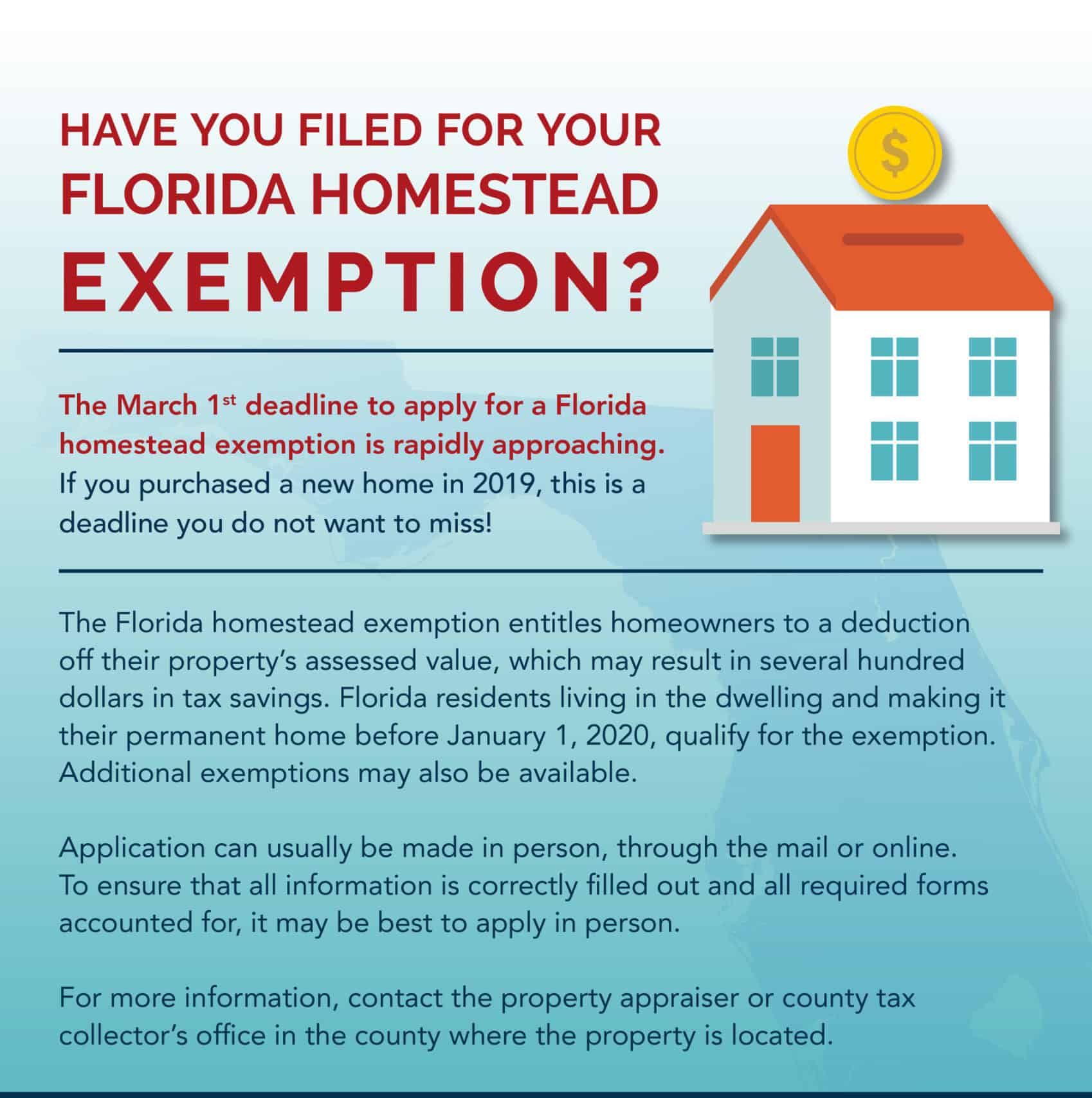
1. Defining the Florida Homestead Exemption: Eligibility and Core Concepts
The Florida Homestead Exemption is a constitutional benefit that provides a reduction in the taxable value of a primary residence. To qualify, a person must hold legal or beneficial title to the property and reside there permanently as of January 1 of the tax year. This is not a benefit for vacation homes or investment properties; it is strictly designed for the “permanent residence.”
Establishing Legal Residency
To claim the exemption, the state requires proof that the Florida property is your primary home. This involves more than just spending time in the state. From a financial and legal perspective, you must demonstrate “intent” to remain. This is typically verified through a Florida driver’s license, vehicle registration, and voter registration. For those moving from states with high income taxes, such as New York or California, establishing this residency is also a critical step in tax planning to avoid “dual residency” tax traps.
The Scope of the Exemption
The basic homestead exemption applies to the first $50,000 of your property’s assessed value. However, it is structured in two tiers. The first $25,000 applies to all property taxes, including school district taxes. The second $25,000 applies to the assessed value between $50,000 and $75,000 and covers non-school taxes. For a homeowner, this translates into direct annual savings that compound over the years.
Ownership Requirements
The title to the property must be in the individual’s name or held in a way that provides “equitable title,” such as through a revocable living trust. For estate planning purposes, many high-net-worth individuals place their homes in trusts. It is vital to ensure the trust language explicitly grants the beneficiary the right to reside on the property to maintain the homestead status.
2. The “Save Our Homes” Amendment: Managing Long-Term Tax Liability
While the initial $50,000 exemption provides immediate relief, the most significant financial benefit for long-term Florida residents is the “Save Our Homes” (SOH) assessment limitation. This provision acts as a hedge against inflation and skyrocketing real estate markets, ensuring that property taxes remain predictable.
How the Assessment Cap Works
Under the SOH amendment, the assessed value of a homesteaded property cannot increase by more than 3% annually or the percentage change in the Consumer Price Index (CPI), whichever is lower. In a booming real estate market where property values might jump 10% or 15% in a single year, the SOH cap prevents a corresponding spike in property taxes. This creates a “recapture” benefit where the market value of the home may far exceed its assessed value for tax purposes.
The Financial Advantage of “Portability”
One of the most innovative aspects of Florida’s tax code is “portability.” If a homeowner decides to sell their primary residence and purchase a new one in Florida, they can “port” or transfer their SOH tax savings to the new property. You can transfer up to $500,000 of the difference between the market value and the assessed value of your previous home. This is a massive financial incentive that allows residents to upgrade or downsize their homes without being “taxed out” of a new purchase.
Impact on Investment Strategy
For real estate investors, understanding the SOH cap is crucial for market analysis. When a home is sold, the SOH cap is removed, and the property is reassessed at full market value for the new owner. This often leads to a “tax shock” for buyers who do not account for the jump from the previous owner’s capped tax rate to the new, uncapped rate. Investors must calculate their ROI based on these reassessed figures rather than historical tax data.
3. Beyond Tax Savings: Asset Protection and Creditor Shielding

In the world of business finance and wealth management, the Florida Homestead Exemption is renowned for providing some of the strongest asset protection in the United States. This legal shield is a primary reason why many entrepreneurs and professionals choose to hold a significant portion of their net worth in their Florida residence.
Protection from Forced Sale
Article X, Section 4 of the Florida Constitution protects a homestead from a forced sale by most creditors. Whether due to a business failure, a personal injury lawsuit, or a medical debt, your primary residence is generally off-limits to judgment creditors. There are only a few exceptions to this rule: unpaid property taxes, mortgages used to purchase or improve the home, and mechanic’s liens for work performed on the property.
Acreage Limits for Protection
The physical size of the property matters for creditor protection. Inside a municipality, the protection covers up to half an acre. In unincorporated areas, the protection extends to up to 160 contiguous acres. For individuals managing large estates or agricultural land, this allows for a massive amount of capital to be shielded from legal liabilities.
Integrating Homestead into a Financial Plan
Strategic financial planning often involves maximizing “exempt assets.” By paying down a mortgage on a Florida homestead, an individual can effectively move cash (a non-exempt asset) into their home equity (an exempt asset). This “homesteading” of wealth is a legitimate and highly effective strategy for risk management, particularly for those in high-liability professions like medicine or corporate law.
4. Special Exemptions and the Application Process
Florida offers additional layers of exemptions for specific demographics, which can further optimize a family’s financial position. Understanding these categories ensures that no money is left on the table during tax season.
Senior Citizens and Disabled Individuals
Many Florida counties offer an additional exemption for residents aged 65 or older who meet certain income requirements. Furthermore, there are specific exemptions for the legally blind and for persons who are totally and permanently disabled. From a personal finance perspective, these reductions can be the difference between an affordable retirement and a strained budget.
Veterans and First Responders
Florida provides substantial tax relief for veterans who were disabled during their service. A veteran who is 10% or more disabled is entitled to an extra $5,000 exemption. Those with a total and permanent service-connected disability may be exempt from property taxes altogether. Similar protections exist for the surviving spouses of first responders who died in the line of duty.
Navigating the Deadline
The most critical date for any Florida homeowner is March 1st. This is the deadline to file for the homestead exemption for the current tax year. Missing this deadline can result in the loss of thousands of dollars in savings. Applications can typically be filed online through the local County Property Appraiser’s office. Documentation such as Social Security numbers, proof of residency, and previous address information is required to prevent fraud and ensure the benefit is applied correctly.
5. Maximizing Financial Efficiency: Common Pitfalls to Avoid
To fully benefit from the Homestead Exemption, one must navigate the rules carefully. Mistakes can lead to the loss of the exemption, back taxes, and significant penalties.
The Danger of Renting Your Home
One of the most common mistakes is “abandoning” the homestead by renting it out. While Florida law allows for some flexibility, renting out the entire property for an extended period can be viewed as a signal that the home is no longer your primary residence. If the Property Appraiser determines the homestead has been abandoned, they can strip the exemption and the SOH cap, leading to a massive increase in taxes.
Changes in Ownership and Title
Financial moves like adding a child’s name to a deed or moving the property into a specific type of partnership can inadvertently trigger a reassessment. Before making any changes to the title of a Florida home, it is essential to consult with a financial advisor or tax attorney to ensure the homestead status remains intact.

Fraud and Penalties
Florida takes homestead fraud very seriously. Claiming an exemption on more than one property—either in Florida or in another state—is illegal. If caught, the owner is liable for all unpaid taxes plus a 50% penalty and 15% annual interest. For the savvy financial planner, the goal is always “compliance for optimization”—using the law to your advantage without crossing the line into evasion.
In conclusion, the Florida Homestead Exemption is a pillar of financial stability for the state’s residents. It offers a triple-threat of benefits: immediate tax reduction, a long-term hedge against rising property values via the Save Our Homes cap, and unparalleled asset protection from creditors. By integrating these benefits into a broader personal finance strategy, Floridians can protect their most valuable asset while significantly lowering their cost of living. Whether you are a first-time homebuyer or a seasoned real estate investor, mastering these rules is a vital step in securing your financial future in the Sunshine State.
aViewFromTheCave is a participant in the Amazon Services LLC Associates Program, an affiliate advertising program designed to provide a means for sites to earn advertising fees by advertising and linking to Amazon.com. Amazon, the Amazon logo, AmazonSupply, and the AmazonSupply logo are trademarks of Amazon.com, Inc. or its affiliates. As an Amazon Associate we earn affiliate commissions from qualifying purchases.