
New York City is a tapestry woven with iconic landmarks, pulsating with history and innovation. Among its most celebrated modern marvels is the High Line, an elevated linear park that has captivated locals and tourists alike since its opening. But what exactly is the High Line, and why has it become such a significant fixture in the urban landscape? While its physical presence is undeniable, a deeper understanding of its impact reveals connections to broader themes of urban regeneration, community building, and the power of reimagining disused infrastructure. This article will explore the High Line’s essence, delving into its transformation, its role as a catalyst for development, and how it embodies principles relevant to technology, branding, and even the strategic allocation of resources.

From Industrial Relic to Urban Icon: The Genesis of the High Line
The story of the High Line is a testament to visionary thinking and the transformative power of repurposing. Originally conceived as an elevated freight rail line in the early 20th century, it was designed to lift heavy trains off Manhattan’s bustling streets, reducing accidents and improving traffic flow. For decades, it served its industrial purpose, transporting goods through the heart of the West Side. However, with the rise of trucking and containerization, the railway’s relevance waned, and by the 1980s, it was largely abandoned, a rusting monument to a bygone era.
The High Line’s fate could have been demolition, a common trajectory for obsolete infrastructure. Yet, a movement began to emerge, driven by a shared vision to preserve this unique piece of industrial heritage. Local residents, urban planners, and art enthusiasts recognized its potential beyond its utilitarian past. They saw not a derelict eyesore, but a foundation for a new kind of public space – one that integrated nature, art, and recreation into the urban fabric. This grassroots effort, spearheaded by organizations like Friends of the High Line, was instrumental in advocating for its preservation and eventual transformation.
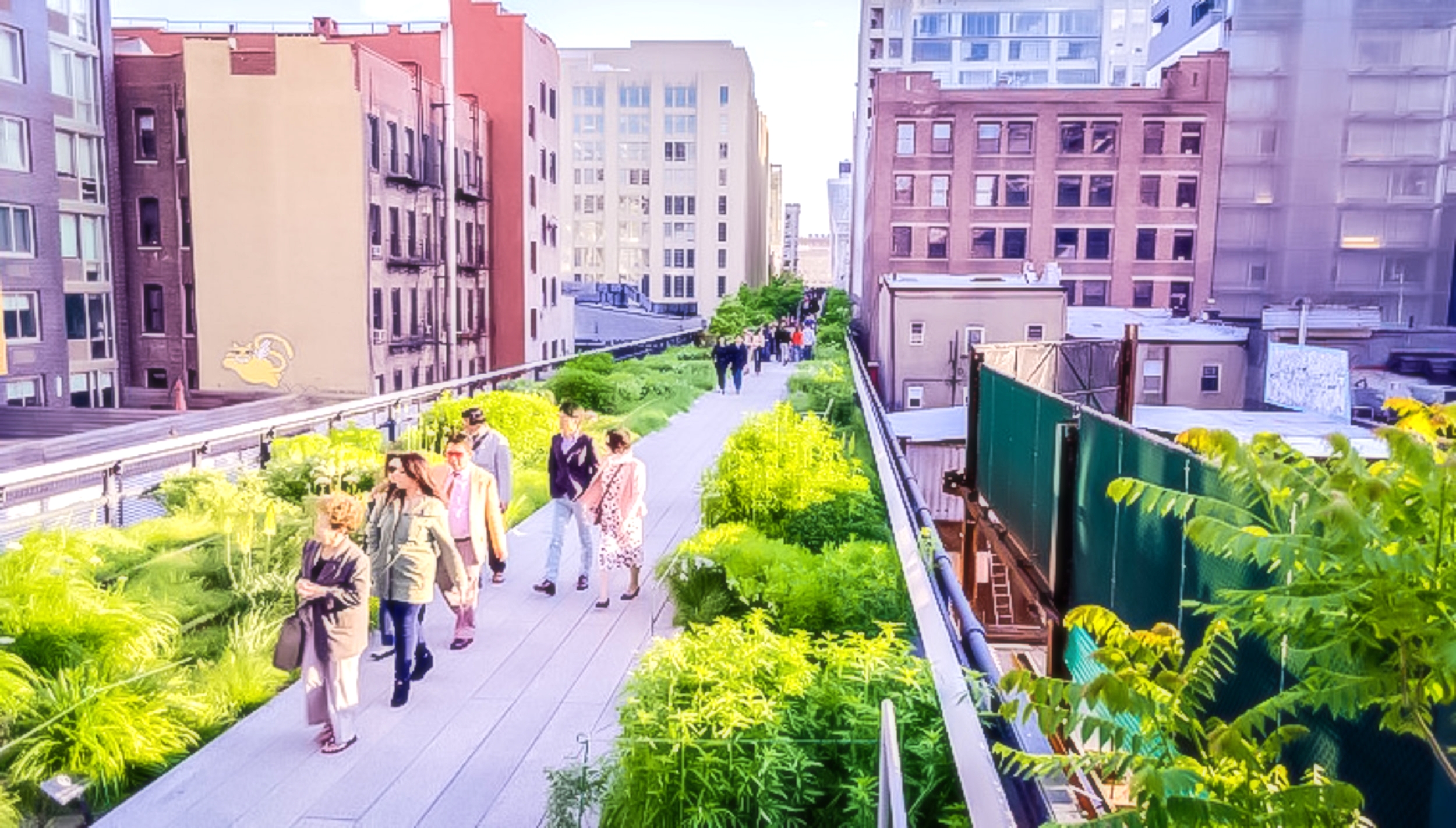
The concept of reclaiming and revitalizing abandoned industrial spaces is not new, but the High Line’s execution set a new benchmark. It demonstrated how a seemingly obsolete structure could be reimagined with creativity and foresight. This transformation involved extensive engineering to ensure structural integrity, meticulous landscaping to create a vibrant, plant-filled environment, and the integration of public art installations to foster cultural engagement. The result is a breathtakingly beautiful and functional park that offers unparalleled views of the city and the Hudson River.
The Technological Underpinnings of Urban Renewal
While the High Line is a physical entity, its creation and ongoing maintenance are implicitly linked to technological advancements and the application of smart urban planning principles. The process of transforming an abandoned railway line into a thriving public space involved sophisticated engineering solutions. Considerations for structural load-bearing, water management, and the integration of advanced irrigation systems for its diverse plantings all rely on technological expertise.
Furthermore, the ongoing operation of the High Line likely benefits from the integration of various technologies to enhance visitor experience and operational efficiency. This could include:
- Smart Waste Management Systems: Sensors to monitor bin fill levels, optimizing collection routes and reducing operational costs.
- Integrated Lighting Systems: Energy-efficient LED lighting that can be adjusted for different times of day and events, enhancing safety and ambiance.
- Digital Wayfinding and Information Kiosks: Interactive screens providing visitors with maps, event schedules, historical information, and details about the park’s flora and fauna.
- Environmental Monitoring: Sensors to track air quality, temperature, and humidity, providing data for park management and potentially contributing to broader urban environmental research.
- Sustainable Water Management: Advanced systems for rainwater harvesting and efficient irrigation, minimizing water usage in a resource-conscious manner.
The High Line, in this sense, is not just a park; it’s a living laboratory for how technology can be harnessed to create more sustainable, engaging, and accessible urban environments. Its success serves as a powerful case study for other cities looking to revitalize their own underutilized infrastructure.
The High Line as a Brand Catalyst: Shaping Perceptions and Driving Economic Growth
The High Line’s influence extends far beyond its physical boundaries, acting as a potent brand in itself and a significant driver of economic activity. Its unique narrative – from industrial decay to vibrant revitalization – has been masterfully communicated, creating a compelling brand identity that resonates globally.
Building a Distinctive Identity
The brand strategy behind the High Line is a masterclass in storytelling. The Friends of the High Line have successfully cultivated an image of innovation, sustainability, and artistic expression. This identity is not just about the physical park; it’s about the experience it offers: a serene escape from the urban grind, a platform for artistic discovery, and a testament to the power of community action.
The corporate identity of the High Line is inextricably linked to its non-profit stewardship. The Friends of the High Line have built a strong reputation for their commitment to maintenance, programming, and community engagement. This has fostered trust and support from donors, volunteers, and the public, solidifying their position as custodians of this invaluable urban asset.
Marketing and Design: The Aesthetic Appeal
The marketing of the High Line has been as innovative as its design. Its appeal is visually driven, with stunning photography and compelling narratives shared across digital platforms and traditional media. The park’s integration of art installations further enhances its appeal, offering a dynamic and ever-evolving visual experience. These artistic interventions are not merely decorative; they contribute to the park’s identity as a cultural hub.

The design of the High Line itself is a crucial element of its brand. The integration of lush plantings, diverse seating areas, and thoughtfully placed pathways creates a sensory experience that is both stimulating and calming. The juxtaposition of natural elements with the urban skyline is a key aesthetic feature that draws visitors and photographers alike. This careful design ensures that the park is not only functional but also aesthetically captivating, contributing significantly to its global recognition.
Economic Impact and Case Studies
The High Line has become a powerful engine for economic growth in the surrounding neighborhoods, particularly in Chelsea and the Meatpacking District. This phenomenon, often referred to as “eds and meds” (education and medicine) or, in this case, “parks and culture,” has led to a significant increase in property values, the influx of new businesses, and a surge in tourism.
The development of luxury residential buildings, upscale retail establishments, and popular restaurants in the vicinity can be directly attributed to the High Line’s presence. This has generated considerable revenue for the city through increased property taxes and business activity. The High Line serves as a compelling case study for urban planners and developers worldwide, demonstrating how investments in public green spaces and the creative reuse of infrastructure can yield substantial economic returns.
However, this economic revitalization also brings challenges. The increased cost of living and the potential displacement of long-term residents and smaller businesses are critical issues that must be addressed in the ongoing management of the High Line’s impact. Balancing economic development with social equity is a crucial aspect of its long-term success and a testament to the complexities of urban planning.
The High Line as a Model for Resourceful Investment and Future Growth
Beyond its aesthetic and cultural appeal, the High Line’s success offers valuable insights into strategic investment and the concept of generating money through innovative urban development. The transformation of the High Line can be viewed as a prime example of leveraging existing assets for significant future returns, a principle applicable across various financial disciplines.
Personal Finance and Investment in Urban Regeneration
While the High Line itself isn’t a direct investment vehicle for individuals in the traditional sense, its existence and the development it has spurred offer indirect benefits and opportunities. For residents and businesses operating in its vicinity, the increased desirability of the area has often translated into appreciating property values. This can be seen as a form of long-term asset growth, similar to investing in a thriving neighborhood.
Furthermore, the success of the High Line has inspired similar urban regeneration projects globally. Investors interested in real estate development, urban revitalization funds, or companies specializing in sustainable urban solutions might find opportunities emerging from this trend. Understanding the economic multipliers at play – how public investment in infrastructure can stimulate private sector growth and job creation – is crucial for anyone looking to make strategic investments in the urban landscape.
Online Income and Side Hustles Fueled by Urban Attractions
The High Line’s popularity has also created a fertile ground for online income and side hustles. Think about the numerous photographers, bloggers, and influencers who leverage the park’s stunning vistas and unique atmosphere to create content. Their work, shared across social media and online platforms, attracts attention to the High Line, further boosting its popularity and economic impact.
- Content Creation: Photographers can sell prints of their High Line images, bloggers can earn through affiliate marketing or sponsored content related to NYC tourism, and influencers can monetize their reach through brand collaborations.
- Tour Guiding: Individuals can offer specialized walking tours of the High Line, focusing on its history, art, or architecture, generating income from their knowledge and passion.
- E-commerce: Entrepreneurs can develop and sell merchandise inspired by the High Line, from T-shirts and prints to themed accessories.
These examples highlight how a unique urban attraction can indirectly foster entrepreneurial activity and create new avenues for generating income, demonstrating the interconnectedness of physical spaces and digital economies.
Business Finance and Strategic Development
For businesses, the High Line represents a significant opportunity. Restaurants, retail stores, and galleries located in its proximity have directly benefited from the increased foot traffic and the affluent demographic it attracts. The strategic decision to open or expand a business near the High Line can be seen as a shrewd business finance move, capitalizing on a proven draw.
The financial tools and strategies employed in the development and ongoing management of the High Line itself are also noteworthy. Public-private partnerships, grants, and donations were crucial in its initial creation, showcasing how diverse funding streams can be leveraged for ambitious urban projects. The ongoing operational budget, funded through a combination of public support and earned revenue from events and concessions, demonstrates a sustainable financial model.
Moreover, the High Line’s success has influenced how cities and developers approach financial planning for public spaces. It underscores the importance of viewing parks and green infrastructure not as expenses, but as strategic investments that can yield substantial economic and social returns. The meticulous financial analysis that would have gone into its development, considering projected visitor numbers, potential revenue streams, and long-term maintenance costs, serves as a valuable lesson for future urban development projects.
In conclusion, the High Line in NYC is far more than just a park. It’s a testament to the power of imagination, a beacon of urban regeneration, and a dynamic catalyst for economic growth. By understanding its journey from an industrial relic to a global icon, we can appreciate its profound impact on technology, branding, and even the strategic allocation of financial resources, offering a compelling glimpse into the future of urban living.
aViewFromTheCave is a participant in the Amazon Services LLC Associates Program, an affiliate advertising program designed to provide a means for sites to earn advertising fees by advertising and linking to Amazon.com. Amazon, the Amazon logo, AmazonSupply, and the AmazonSupply logo are trademarks of Amazon.com, Inc. or its affiliates. As an Amazon Associate we earn affiliate commissions from qualifying purchases.