
In the modern marketplace, a brand is no longer defined solely by its logo, its catchy slogan, or even the utility of its products. Today, a brand is defined by its values, its supply chain, and—increasingly—the raw materials it chooses to champion. As the global conversation shifts toward the circular economy and environmental stewardship, “hemp fabric” has emerged as more than just a textile; it has become a powerful tool for brand positioning and strategic differentiation.
To understand what hemp fabric is in a professional context, one must look beyond the botanical properties of the Cannabis sativa plant. For brand strategists and marketing executives, hemp represents a high-performance, carbon-negative material that offers a unique narrative of resilience, ethics, and premium quality.
The Strategic Shift: Why Modern Brands are Prioritizing Hemp
The transition from conventional cotton and synthetic polyesters toward hemp is driven by a fundamental shift in consumer psychology. Modern high-value demographics—specifically Gen Z and Millennials—are increasingly “belief-driven buyers.” They demand transparency and ecological responsibility. For a brand, adopting hemp is a signal of forward-thinking leadership.
Redefining Luxury Through Sustainability
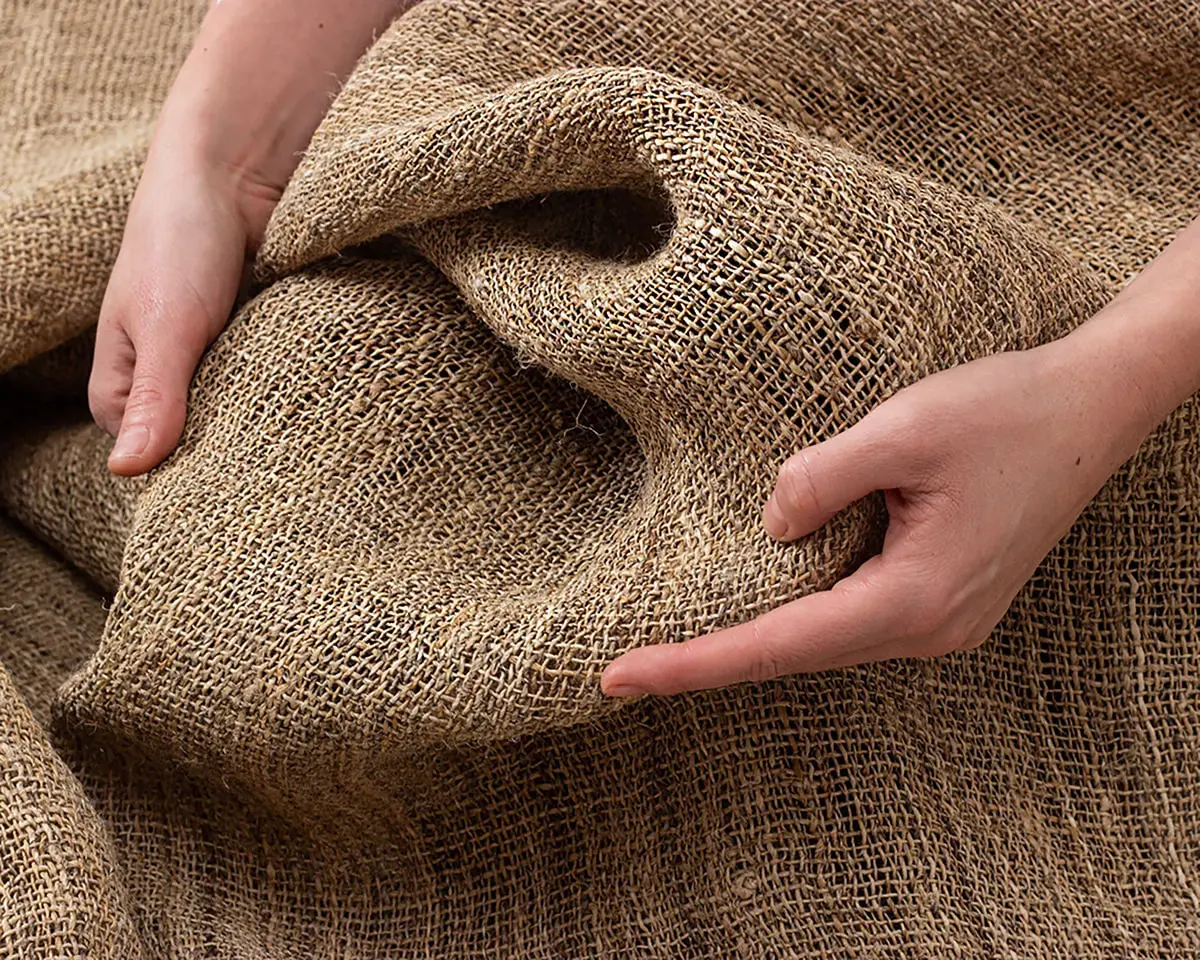
For decades, the “Brand Identity” of luxury was synonymous with rare silks, fine furs, and high-maintenance leathers. However, the definition of luxury is being rewritten. Today’s luxury consumer values “quiet wealth” and “conscious consumption.” Hemp fabric, with its sophisticated matte texture and incredible longevity, fits perfectly into this new aesthetic.
By integrating hemp into their collections, brands can pivot away from the “disposable” nature of fast fashion. Hemp is one of the strongest natural fibers on earth. A brand that utilizes hemp is marketing a product that lasts for decades, not seasons. This longevity builds a deeper level of trust and “brand equity,” as the product becomes a long-term staple in the consumer’s life rather than a transient purchase.
The Narrative of Durability and Resilience
From a brand strategy perspective, hemp allows a company to tell a story of “rugged elegance.” Unlike cotton, which often degrades and thins over time, hemp fabric actually becomes softer and more comfortable with every wash without losing its structural integrity. This provides a unique marketing angle: the “Living Product.” Brands can market their hemp apparel or upholstery as items that “grow with you,” reinforcing a bond between the consumer and the brand identity centered on reliability and resilience.
The Branding Advantages of Hemp Over Traditional Fibers
When a brand chooses its materials, it is essentially choosing its allies in the market. Hemp offers a competitive edge that traditional fibers simply cannot match, particularly when it comes to the “Green Marketing” landscape.
Countering “Fast Fashion” Fatigue
The market is currently experiencing a significant backlash against the environmental degradation caused by polyester (petrochemical-based) and conventional cotton (water-intensive). Brands that continue to rely on these materials are finding it harder to maintain a positive corporate image.
Hemp fabric requires 50% less water than cotton and can produce 200–250% more fiber on the same amount of land. By leveraging these statistics, a brand can ground its marketing in hard data. This “Data-Driven Branding” moves beyond vague promises of “eco-friendliness” and provides the consumer with tangible evidence of the brand’s commitment to the planet.

Authentic Green Marketing vs. Greenwashing
The greatest risk to a modern brand’s reputation is the accusation of “greenwashing”—claiming environmental benefits that are superficial or false. Because hemp is inherently regenerative (it breathes in four times the CO2 of trees and heals the soil via phytoremediation), it provides an authentic foundation for a brand’s ESG (Environmental, Social, and Governance) goals.
When a brand markets a hemp-based line, the story is “built-in.” You aren’t just selling a shirt; you are selling a carbon sink. You are selling a crop that requires no pesticides. This level of authenticity is a goldmine for brand storytelling, allowing marketing teams to create deep, engaging content that follows the plant from the farm to the finished garment.
Navigating the Challenges of Hemp Branding
Despite its benefits, hemp fabric carries a historical “stigma” that requires careful brand management. For much of the 20th century, hemp was unfairly conflated with its psychoactive cousin, leading to a “counter-culture” or “hippie” association.
Professionalizing the Image of Hemp
A key task for brand designers and strategists is to distance hemp fabric from its “patchwork-and-incense” past. Successful brands achieve this through:
- Minimalist Aesthetics: Using clean lines, neutral palettes, and high-end tailoring to show that hemp can be sleek and professional.
- Naming Conventions: Using terms like “hemp-denim,” “bast-fiber blends,” or “performance hemp” to align the material with high-tech textile innovation rather than folk crafts.
- Visual Identity: Utilizing high-fashion photography and premium packaging to elevate the perceived value of the fabric.
By rebranding hemp as a “performance textile” or a “technical fiber,” companies can tap into the outdoor gear market, the corporate gift market, and the high-end home goods market without the baggage of 1970s stereotypes.
Supply Chain Transparency as a Marketing Asset
In the “Money” and “Business” side of branding, the supply chain is the brand. Hemp offers a unique opportunity for brands to practice “Radical Transparency.” Because the hemp industry is still relatively young and specialized, brands can often form direct relationships with farmers and processors.
Documenting this journey—the “Seed-to-Shelf” narrative—is an incredibly effective branding strategy. When a customer can see the field where their fabric was grown and the people who wove it, the “Corporate Identity” of the brand shifts from a faceless entity to a community-focused partner.
The Future of the “Hemp-First” Corporate Identity
As we look toward the next decade, the brands that thrive will be those that integrate sustainability into their DNA, rather than treating it as a side project. Hemp fabric is the cornerstone of this “Circular Brand” future.
Integrating Hemp into a Circular Economy
Forward-thinking brands are already looking at “End-of-Life” strategies for their products. Hemp is 100% biodegradable and compostable. A brand that uses hemp can create a “Take-Back” program where old garments are returned to the brand to be recycled or composted, effectively closing the loop. This creates a “Brand Ecosystem” where the customer is a lifetime participant in a sustainable cycle, significantly increasing customer lifetime value (CLV).
Future-Proofing Through Innovation
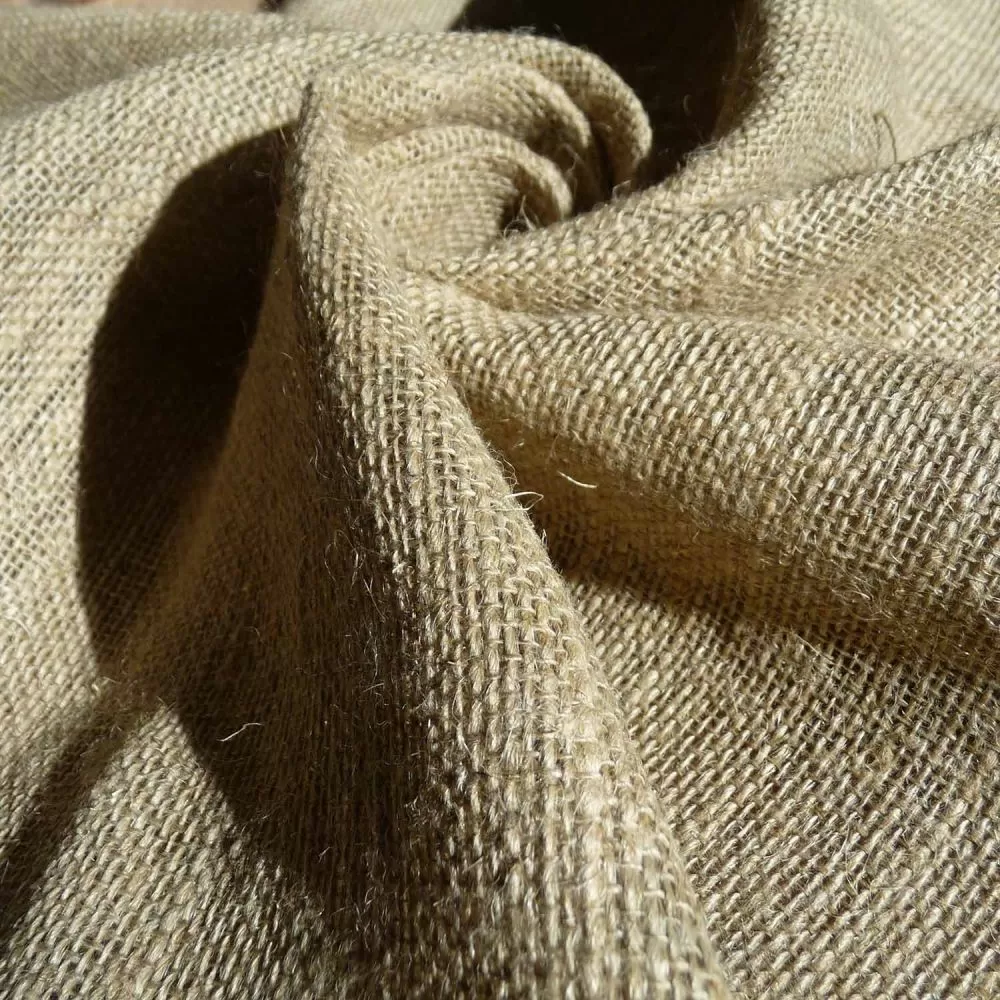
Technology is now allowing hemp to be blended with other sustainable fibers like Tencel, recycled polyester, or organic silk. This creates a “Hybrid Identity” for products—combining the durability of hemp with the softness of other materials. Brands that lead in these “Material Innovations” position themselves as industry pioneers. They are seen not just as sellers, but as innovators and thought leaders.
In conclusion, “What is hemp fabric?” is a question with a multi-layered answer. Physically, it is a bast fiber from the hemp plant. But strategically, it is a high-octane branding vehicle. It represents a shift toward quality, an investment in the planet, and a bold statement of corporate values. For the modern brand, hemp is not just a material choice—it is a declaration of intent to lead the market into a more sustainable, resilient, and authentic future. By mastering the narrative around hemp, brands can build a loyal community of consumers who aren’t just buying a product, but are investing in a vision.