
When consumers ask, “What is Heineken?” the answer transcends a simple description of a Dutch pale lager. In the realm of corporate identity and marketing, Heineken is a masterclass in global brand management. It is a symbol of consistency, a pioneer in visual semiotics, and a benchmark for how a family-owned business can scale into a multi-billion-dollar empire without losing its core identity.
To understand Heineken from a brand perspective is to understand the delicate balance between heritage and modernization. With a presence in over 190 countries, Heineken is more than a beverage; it is a premium lifestyle brand that has successfully navigated cultural shifts for over 150 years.
The Foundation of a Premium Brand Identity
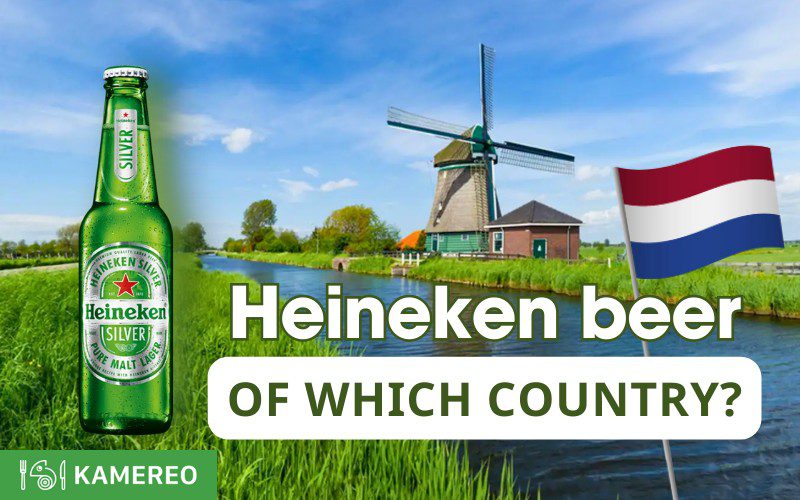
The Heineken brand began in 1864 when Gerard Adriaan Heineken purchased the De Hooiberg brewery in Amsterdam. From the outset, the brand was built on a foundation of quality and technical differentiation—specifically the development of “Heineken A-Yeast.” However, from a brand strategy perspective, the true genius of Heineken lies in its early commitment to premium positioning.
The Legacy of the Heineken Family
Unlike many global conglomerates that lose their “soul” through successive acquisitions, Heineken has remained significantly influenced by the founding family. This lineage has provided a “North Star” for the brand’s identity. The focus has never been on being the cheapest product on the shelf, but rather on being the most reliable and prestigious. This legacy creates a brand narrative of “provenance,” giving consumers a sense of history and trust that new-age craft brands often struggle to replicate.
Consistency as a Competitive Advantage
One of the most difficult feats in branding is maintaining a uniform experience across diverse global markets. Whether a consumer buys a Heineken in New York, Tokyo, or Lagos, the brand promise—the taste, the look, and the feel—remains identical. This rigorous consistency builds immense brand equity. In the “Brand” niche, we call this “Global Brand Cohesion.” By centralizing its core identity while allowing for local marketing nuances, Heineken ensures that its premium status is never diluted by regional inconsistencies.
The Visual Language: Red Stars and Green Bottles
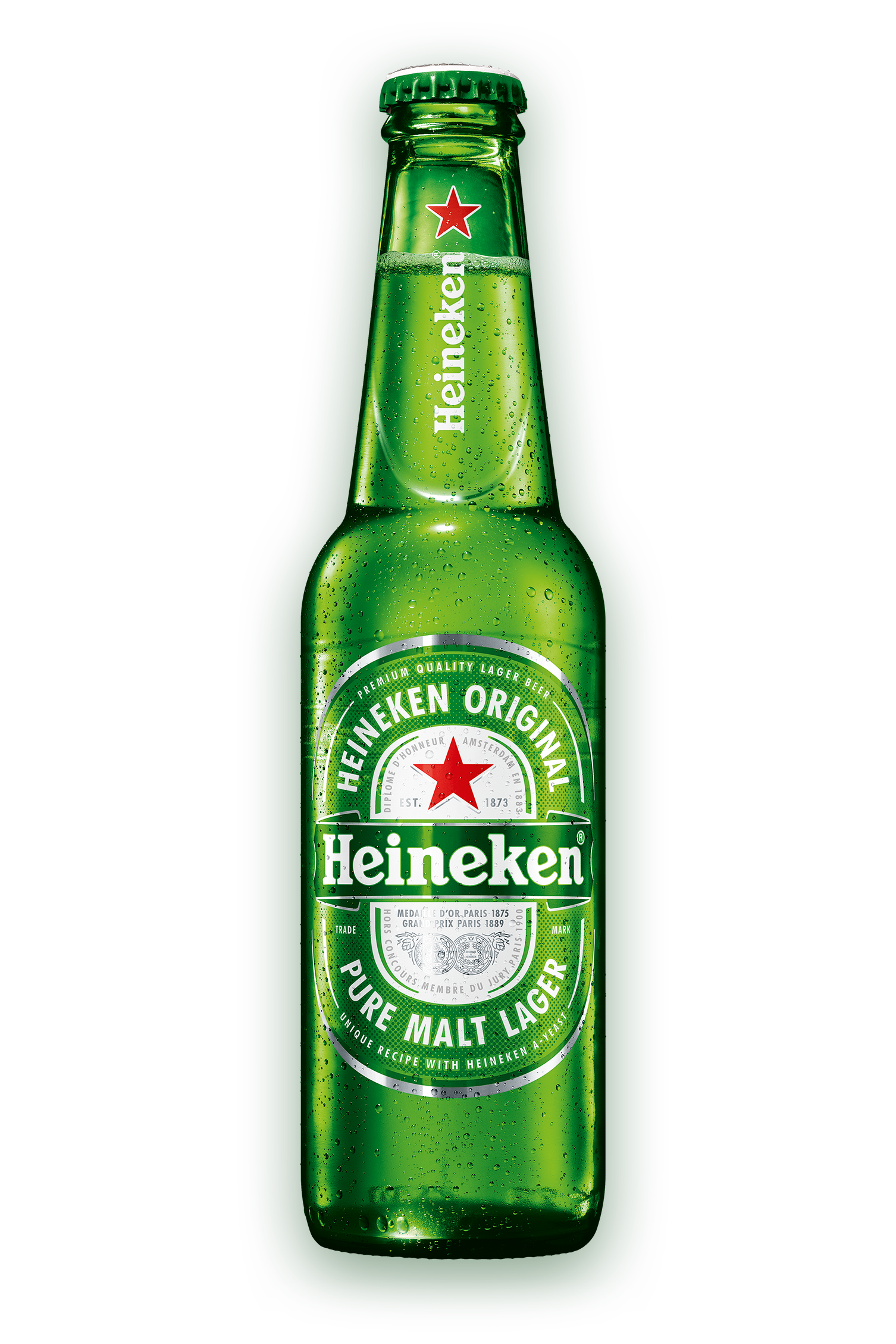
A brand is often only as strong as its visual recognition. Heineken’s visual identity is one of the most recognizable in the world, utilizing specific design cues that trigger immediate consumer recall. The “What is Heineken” question can be answered visually through three primary pillars: the green bottle, the red star, and the “smiling” typography.
The Psychology of Green and Red
In an industry where brown glass was the standard for protecting beer from light, Heineken made a strategic choice to use green bottles. This was not just a functional decision; it was a branding masterstroke. The green bottle distinguishes Heineken from “ordinary” beers, signaling freshness and a premium nature.
Complementing the green is the iconic red star. While the star has historical roots in medieval brewing (symbolizing the various stages of the brewing process), in a modern branding context, it acts as a bold, energetic focal point. The contrast between the cool green and the vibrant red creates a visual tension that is both memorable and authoritative.
Typography and the “Smiling E”
The Heineken wordmark is another subtle yet effective branding tool. Freddy Heineken, the grandson of the founder, famously insisted on the “smiling e.” By slightly tilting the “e” in the logo backwards, the brand created a friendlier, more approachable aesthetic. This softens the brand’s premium image, ensuring it feels inclusive rather than elitist. This attention to detail illustrates how typography can influence brand perception at a subconscious level.
The Marketing Masterclass: High-Profile Sponsorships and Positioning
Heineken does not just sell beer; it sells experiences. Their brand strategy is heavily reliant on “Association Marketing”—aligning the brand with elite global events to reinforce its premium status. By choosing to sponsor events that require high engagement and emotional investment, Heineken embeds itself into the lifestyle of its target demographic.
The UEFA Champions League and Global Reach
Perhaps the most significant pillar of Heineken’s marketing strategy is its long-standing partnership with the UEFA Champions League. This is a deliberate move to associate the brand with “the best of the best.” The Champions League represents the pinnacle of club football, and by extension, Heineken positions itself as the pinnacle of beer. This sponsorship allows the brand to reach a massive international audience, bridging cultural gaps through the universal language of sports.
Cinema and the James Bond Connection
Heineken’s association with the James Bond franchise is another example of calculated brand positioning. James Bond is the epitome of sophistication, international flair, and premium taste. By replacing the traditional “shaken, not stirred” martini with a Heineken in certain campaign windows, the brand successfully “borrowed” the character’s attributes. This cross-promotional strategy ensures that Heineken is seen not just as a drink for a bar, but as a drink for the sophisticated, modern man of action.
Emotional Connection and “Open Your World”
Modern brand strategy requires more than just high-budget ads; it requires a “brand purpose.” Heineken’s “Open Your World” campaign was a significant pivot toward social branding. By focusing on themes of diversity, openness, and breaking down social barriers, the brand positioned itself as a catalyst for human connection. This emotional layer is crucial for Gen Z and Millennial consumers, who increasingly choose brands based on their perceived values rather than just product quality.
Sustainable Growth: The “Brew a Better World” Strategy
In the modern corporate landscape, a brand’s identity is increasingly tied to its ESG (Environmental, Social, and Governance) performance. Heineken’s “Brew a Better World” initiative is a core component of its brand strategy, aimed at future-proofing the company against environmental challenges and shifting consumer expectations.
Environmental Stewardship as Brand Trust
Heineken has integrated sustainability into its brand narrative by committing to carbon neutrality and water stewardship. For a global brand, these are not just operational goals; they are essential for brand longevity. Consumers today are cynical of “greenwashing.” By setting measurable targets for reducing CO2 emissions in production and logistics, Heineken reinforces its image as a responsible and forward-thinking corporate citizen.
Social Responsibility and Moderation
A unique aspect of Heineken’s branding is its proactive stance on responsible consumption. The “When You Drive, Never Drink” campaign is a classic example of “De-marketing” for long-term brand health. By advocating for moderation, Heineken avoids the negative stigma often associated with alcohol brands. This strategy positions Heineken as a brand that cares about its consumers’ well-being, which enhances its reputation among regulators and the general public alike.
The Digital Transformation of the Brand
In the “Brand” niche, digital presence is the new frontier. Heineken has transitioned from traditional TV advertising to data-driven digital storytelling. By leveraging AI and consumer data, the brand delivers personalized content that resonates with specific sub-cultures. Whether it is through social media engagement or innovative apps that enhance the festival experience, Heineken ensures its brand remains relevant in a digital-first world.
Conclusion: The Architecture of a Global Icon
To ask “What is Heineken?” is to explore a complex architecture of history, design, and strategic marketing. It is a brand that has mastered the art of being both old and new—leveraging a 19th-century heritage to dominate a 21st-century market.
Through its iconic visual identity, its association with elite global platforms, and its commitment to a sustainable future, Heineken has built a level of brand equity that few companies can match. It stands as a testament to the power of a clear brand vision: a commitment to being the world’s most international, premium, and recognizable beer. In the competitive world of global commerce, Heineken is not just a drink; it is a global gold standard for brand management.
aViewFromTheCave is a participant in the Amazon Services LLC Associates Program, an affiliate advertising program designed to provide a means for sites to earn advertising fees by advertising and linking to Amazon.com. Amazon, the Amazon logo, AmazonSupply, and the AmazonSupply logo are trademarks of Amazon.com, Inc. or its affiliates. As an Amazon Associate we earn affiliate commissions from qualifying purchases.