
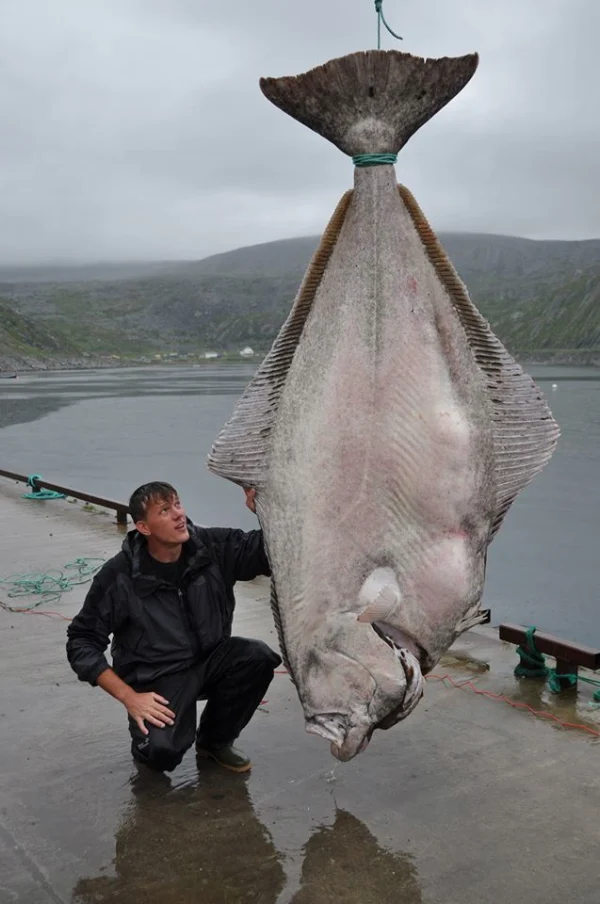
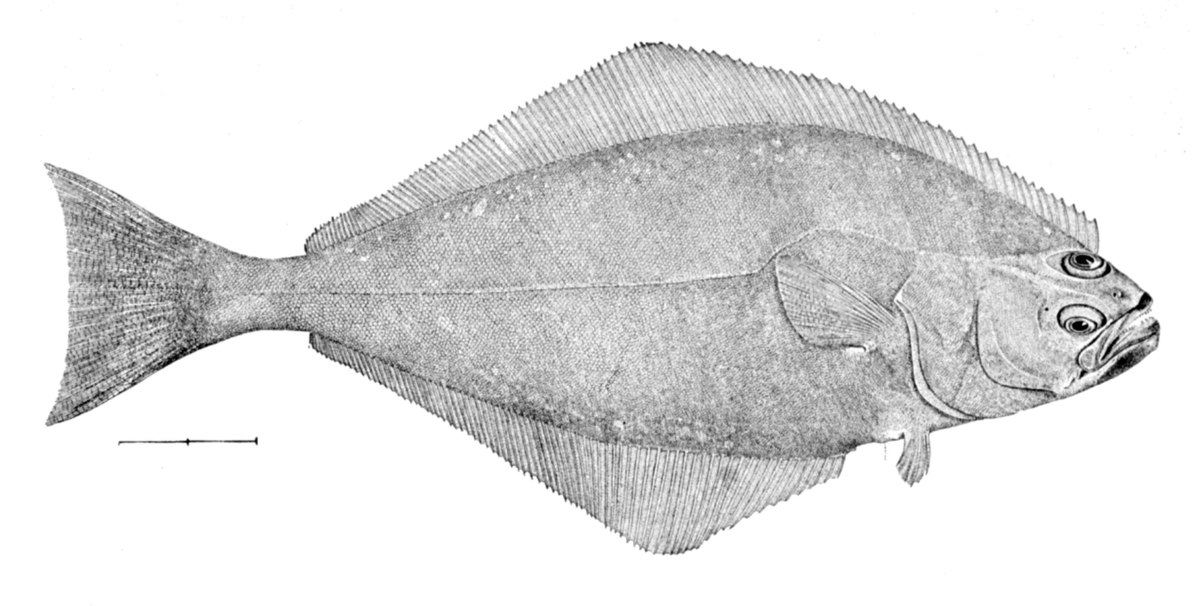
In the world of global commodities, few assets possess the unique combination of biological scarcity, high-value demand, and rigorous regulatory oversight as the halibut. While a biologist might define the halibut as a large flatfish belonging to the family Pleuronectidae, an economist or a savvy investor sees it as something entirely different: a “blue chip” asset in the multi-billion-dollar global seafood market. To understand what halibut is in a financial context, one must look past the scales and fillets and examine the complex economic ecosystem of quotas, supply chain logistics, and premium market positioning that dictates its status as one of the most lucrative wild-harvested resources on the planet.
The Economics of Scarcity: Why Halibut is the “Gold Standard” of Whitefish
The primary driver of halibut’s value in the marketplace is the fundamental economic principle of scarcity. Unlike tilapia or catfish, which can be produced in high-volume aquaculture environments, the Pacific and Atlantic halibut remain largely wild-harvested species with long lifespans and slow maturation rates. This biological constraint creates a natural “moat” around the industry, preventing the kind of rapid supply expansion that leads to price depreciation.
The Premium Price Point and Consumer Demand
Halibut consistently commands one of the highest price-per-pound valuations in the whitefish category. This is not accidental. From a market perspective, halibut is positioned as a luxury good. Its culinary characteristics—firm texture, mild flavor, and high oil content—make it a staple in high-end food service sectors. For a business owner in the hospitality industry, halibut is a high-margin item that justifies premium menu pricing, providing a reliable revenue stream even during broader economic fluctuations.
Market Resilience and Inflation Hedging
Historically, premium seafood like halibut has shown significant resilience against inflationary pressures. Because the target demographic for halibut consumption—primarily high-net-worth individuals and upscale dining establishments—is less sensitive to marginal price increases, the “Halibut Market” often operates independently of lower-tier protein fluctuations. Investors often view commodities with this level of inelastic demand as a safer bet during periods of currency volatility.
The Competition: Halibut vs. Substituted Species
In the financial analysis of the seafood trade, “product substitution” is a major risk factor. However, halibut maintains a dominant market share in the “ultra-premium” whitefish niche because substitutes, such as cod or haddock, lack the same density and yield per fish. This lack of a direct equivalent allows halibut producers to maintain a price floor that lower-quality species simply cannot touch.
Regulatory Frameworks: Trading Quotas as Financial Assets
To understand what halibut is from a business finance perspective, one must understand the “Individual Fishing Quota” (IFQ) system. In many regions, particularly Alaska and British Columbia, halibut fishing is not a free-for-all; it is a highly regulated industry where the “right to fish” is itself a tradable financial instrument.
The IFQ System: A Market Within a Market
The IFQ system functions similarly to a carbon credit market or a stock exchange. A quota represents a percentage of the Total Allowable Catch (TAC) for a given year. These quotas are bought, sold, and leased among commercial fishers and investment groups. For a business seeking to enter the halibut industry, the primary capital expenditure is not the vessel or the gear, but the acquisition of these intangible assets. The value of a halibut quota can fluctuate based on biomass surveys, making it a speculative asset for those with deep industry knowledge.
Risk Management and Government Oversight
The valuation of halibut as an asset is inextricably linked to government-led conservation efforts. Agencies like the International Pacific Halibut Commission (IPHC) conduct annual stock assessments that determine the TAC. For investors, this adds a layer of “regulatory risk.” A downward adjustment in the allowable catch can lead to immediate spikes in market price due to reduced supply, while simultaneously devaluing the productive capacity of the quota holdings. Professional financial planning in this sector requires a sophisticated understanding of marine biology and legislative lobbying.
Barriers to Entry and Monopolistic Tendencies
Because the number of quotas is finite, the halibut industry has high barriers to entry. This creates a “moat” that protects established players from new competitors. From a corporate finance perspective, companies that hold significant halibut quotas possess a “defensive asset” that generates consistent cash flow. This has led to increased consolidation in the industry, where larger corporate entities acquire smaller family-run operations to aggregate quota shares and achieve economies of scale.
Global Supply Chain Logistics and Revenue Streams
The journey of a halibut from the North Pacific depths to a dinner plate in Tokyo or New York is a masterclass in high-stakes logistics. In business terms, the “Halibut Supply Chain” is where the most significant value-add occurs, but it is also where the highest operational risks reside.
Cold Chain Management as a Capital Investment
Halibut is a highly perishable commodity. Maintaining its “premium” status requires an unbroken “cold chain”—a temperature-controlled supply chain that spans thousands of miles. The infrastructure required for this—including flash-freezing technology, refrigerated freight, and specialized warehouse facilities—represents a massive capital investment. For investors, companies that own their logistics chain (vertical integration) are often more attractive because they can capture more of the “spread” between the dock price and the retail price.
Export Dynamics and Currency Arbitrage
A significant portion of the halibut harvest is exported globally. This introduces the element of currency arbitrage into the halibut trade. When the US Dollar is strong, American halibut becomes more expensive for European and Asian buyers, potentially cooling demand. Conversely, a weak dollar can lead to an export boom. Professional traders in the seafood sector must be as adept at reading FOREX charts as they are at reading sonar, as currency fluctuations can often outweigh the profits gained from the physical harvest.
Value-Added Processing and Branding
The modern seafood business has moved beyond selling raw commodities. “Value-added processing”—such as pre-portioned fillets, vacuum-sealed retail packaging, and “dock-to-table” branding—allows producers to capture a higher percentage of the final retail price. By branding halibut as “sustainably caught” or “line-harvested,” companies can apply a “green premium” to the product, further enhancing the Return on Investment (ROI) for the stakeholders involved.
Future Outlook: Climate Risk, ESG, and Investment Potential
As we look toward the next decade, the “what” of halibut is changing. It is no longer just a fish or a quota; it is becoming a focal point for ESG (Environmental, Social, and Governance) investing and a case study in how climate change impacts asset valuation.
The Impact of Ocean Acidification on Asset Value
Climate change represents the ultimate systemic risk to the halibut industry. Rising ocean temperatures and acidification can shift halibut migratory patterns and affect recruitment rates (the rate at which young fish reach a harvestable size). For institutional investors, this necessitates a “climate-adjusted” valuation of fishing quotas. If the biomass moves or shrinks, the underlying value of the multi-million dollar quotas could evaporate.
ESG and the Rise of Sustainable Seafood Portfolios
Ethical investing is no longer a niche market; it is a mainstream financial requirement. Halibut, when managed through rigorous scientific quotas, fits perfectly into an ESG-compliant portfolio. Investors are increasingly looking for “Blue Economy” opportunities—investments that support the sustainable use of ocean resources for economic growth. Because the halibut fishery is often cited as a model for sustainable management, it attracts “impact investors” who seek both financial returns and environmental stewardship.
Technological Innovations in Wild-Harvest Tracking
The future of the halibut trade lies in transparency. Blockchain technology is currently being implemented to track halibut from the moment it is pulled from the water to the moment it is sold to a consumer. This “traceability” reduces the risk of “seafood fraud” (where lower-value fish are sold as halibut) and protects the brand equity of the species. From a financial auditing perspective, this level of data transparency reduces risk and increases the “bankability” of seafood operations.
Conclusion: The Strategic Value of the Halibut Asset
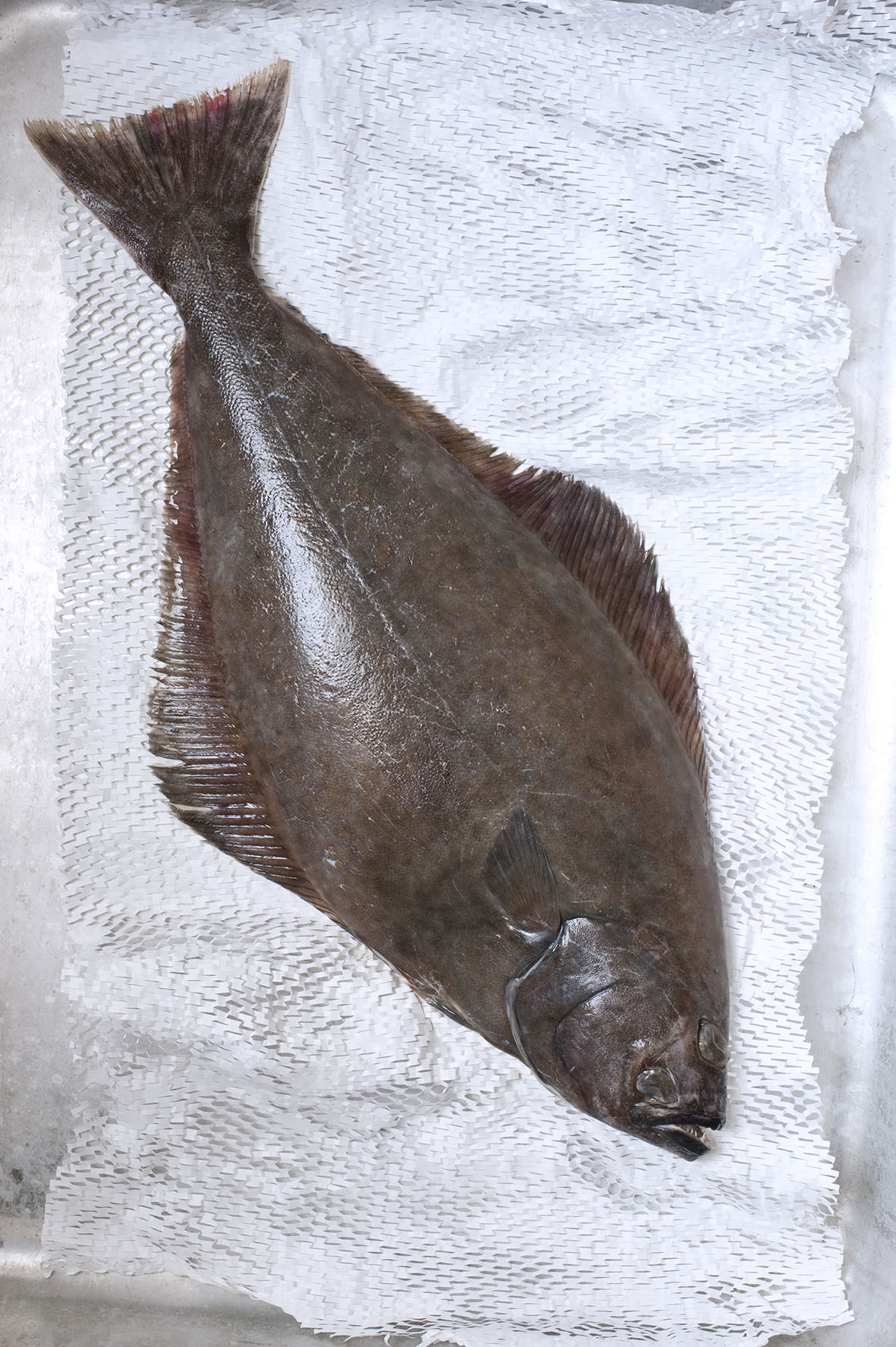
In summary, when we ask “what is halibut fish,” we are asking about a complex financial instrument that sits at the intersection of biology, global trade, and environmental policy. It is a commodity defined by its scarcity, protected by a sophisticated system of tradable quotas, and transported via a high-tech global logistics network.
For the investor, halibut represents a high-barrier-to-entry asset class with resilient demand and significant potential for value-added growth. However, it also carries unique risks—from regulatory shifts to the overarching threat of climate change. As the “blue economy” continues to expand, the halibut will remain a key indicator of the health and profitability of the global seafood market. Whether viewed as a menu item, a line item on a balance sheet, or a quota in a portfolio, the halibut remains the undisputed heavyweight of the whitefish trade, both in size and in economic impact.
aViewFromTheCave is a participant in the Amazon Services LLC Associates Program, an affiliate advertising program designed to provide a means for sites to earn advertising fees by advertising and linking to Amazon.com. Amazon, the Amazon logo, AmazonSupply, and the AmazonSupply logo are trademarks of Amazon.com, Inc. or its affiliates. As an Amazon Associate we earn affiliate commissions from qualifying purchases.