
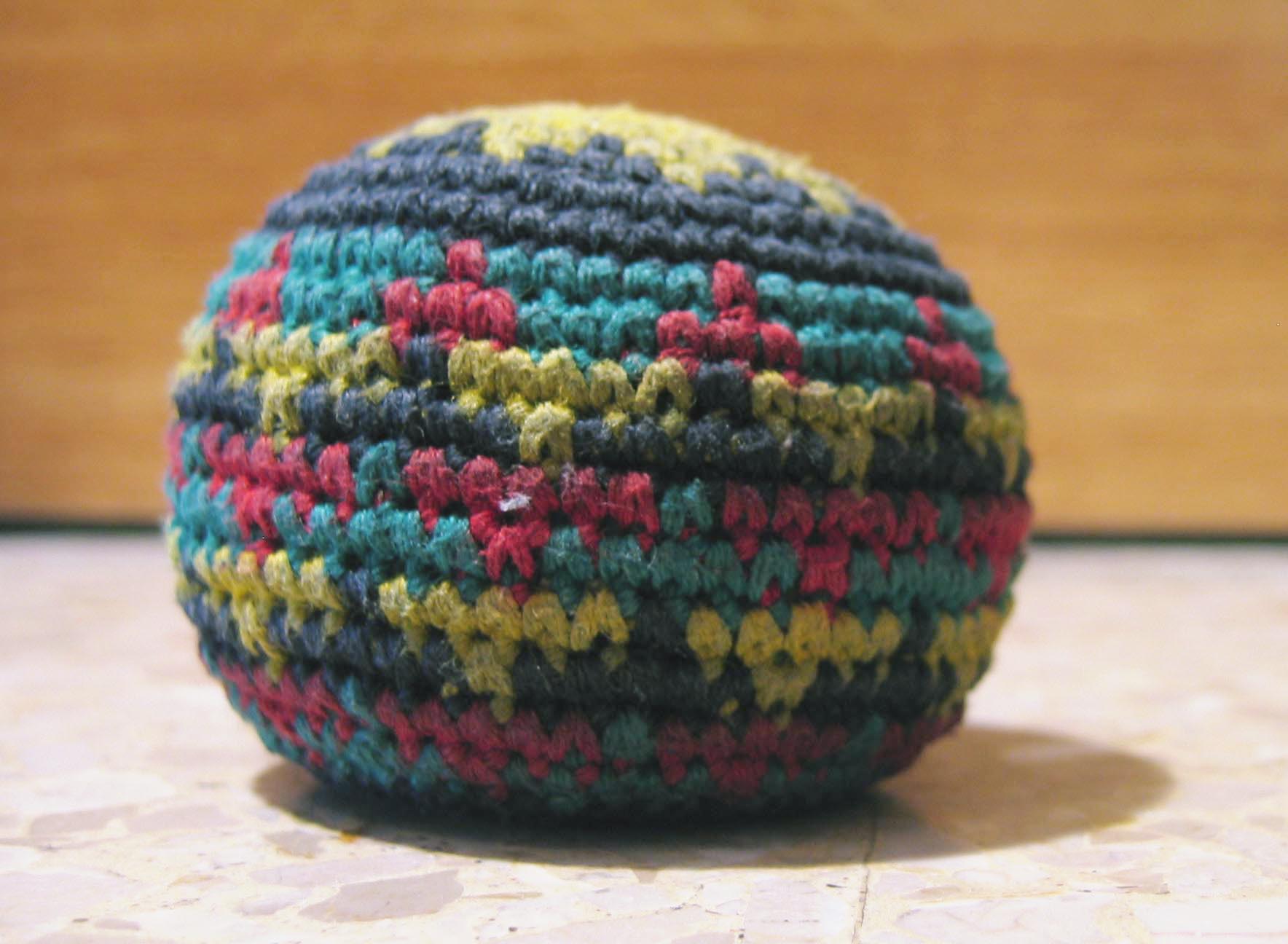
In the world of brand strategy, few stories are as compelling—or as cautionary—as that of the Hacky Sack. To the casual observer, a “hacky sack” is simply a small, bean-filled bag used for a communal game of foot-eye coordination. However, to a brand strategist or a corporate identity expert, “Hacky Sack” represents a pinnacle of trademark success that eventually led to “genericide”—the process by which a brand name becomes so synonymous with a product category that it loses its distinct legal protection.
To understand what Hacky Sack is today, we must look beyond the physical object and analyze it as a corporate entity, a lifestyle brand, and a case study in how niche products can achieve global ubiquity through clever positioning and cultural alignment.
The Wham-O Legacy: From Product Invention to Generic Trademark
The history of the Hacky Sack is not just a history of a sport, but a history of intellectual property (IP) management. Invented in 1972 by John Stalberger and Mike Marshall, the “footbag” was originally a therapeutic tool for Stalberger’s knee recovery. However, the transformation from a homemade recovery tool into a global phenomenon required a sophisticated branding engine, which was eventually provided by the toy giant Wham-O.
The Origins of the Footbag Strategy
Before “Hacky Sack” was a household name, the activity was simply known as “footbagging.” Stalberger and Marshall recognized early on that they weren’t just selling a product; they were selling a new form of social interaction. They trademarked the name “Hacky Sack” in 1979. This was a critical strategic move. By giving a generic activity a punchy, memorable, and proprietary name, they created a barrier to entry for competitors. You could make a footbag, but you couldn’t sell a “Hacky Sack.”
How Hacky Sack Became the “Kleenex” of Footbags
Wham-O, the company that acquired the rights to the name, is a master of “category branding.” Much like they did with the Frisbee (a trademarked name for a flying disc) and the Hula Hoop, Wham-O marketed the Hacky Sack so effectively that the brand name consumed the product category.
In branding, this is known as proprietary eponyms. When consumers say, “Let’s go play Hacky Sack,” they are using a brand name to describe the action. From a marketing perspective, this is the ultimate victory—total mindshare. From a legal perspective, however, it is a constant battle to prevent the trademark from becoming a generic term, which would allow any manufacturer to use the name.
Building a Subculture: Branding Through Community and Lifestyle
A brand is more than a logo; it is the sum of the emotions and associations it evokes. The success of Hacky Sack as a brand was largely due to its ability to align itself with specific subcultures, particularly in the 1980s and 90s. The brand didn’t just sell a toy; it sold an identity of relaxed, outdoor-oriented, and inclusive athleticism.
Aligning with Counter-Culture Movements
During its peak growth years, the Hacky Sack brand was strategically positioned alongside the “alternative” lifestyle. It was marketed at music festivals, on college campuses, and in skate parks. This was a deliberate choice in brand positioning. By distancing the product from organized, high-pressure sports like football or baseball, the Hacky Sack brand became a symbol of “the people’s sport.”
This community-centric branding created high levels of brand loyalty. Owners of an authentic Wham-O Hacky Sack felt they were part of a specific tribe. The product became a “social lubricant,” a way for strangers to engage in a low-stakes activity, which further reinforced the brand’s positive, inclusive associations.
The Visual Identity and Tactile Branding
The design of the Hacky Sack itself contributed to its brand identity. The traditional leather panels, the specific weight of the plastic pellets, and the “crunch” sound it made were all sensory brand assets. Wham-O maintained strict quality controls to ensure that an authentic Hacky Sack felt different from the cheap imitations found at gas stations. This tactile consistency ensured that the brand remained the “premium” choice in a market that was increasingly flooded with knock-offs.
Brand Protection vs. Market Saturation

For any brand that achieves the level of success Hacky Sack did, the primary challenge shifts from “how do we get people to buy this?” to “how do we protect our identity?” This is a classic dilemma in brand management: the more successful you are, the more your identity is at risk of being diluted.
The Legal Battle for Intellectual Property
Wham-O has historically been very aggressive in protecting the “Hacky Sack” trademark. This is a necessary expense in corporate identity management. If a company allows others to use their trademarked name without consequence, they risk losing the trademark entirely.
Brand managers at Wham-O had to navigate a delicate balance. They wanted the term “Hacky Sack” to be the first thing people thought of, but they had to constantly remind the public and retailers that it was a registered trademark. This involved specific labeling on packaging and “cease and desist” orders to competitors who used the name in their metadata or advertising.
Maintaining Premium Positioning in a Generic Market
As the patent for the original design expired and the market became saturated with “footbags,” the Hacky Sack brand had to pivot. They began diversifying their product line, introducing “Pro” versions, glow-in-the-dark sacks, and dirt-resistant materials.
This is a classic strategy in brand evolution: when the basic version of your product becomes a commodity, you must innovate to maintain a “premium” brand tier. By introducing specialized versions for professional footbag players, the Hacky Sack brand maintained its authority as the “original and best,” even as $1 alternatives became available globally.
Lessons for Modern Brand Strategists
The story of the Hacky Sack offers invaluable lessons for entrepreneurs and brand strategists operating in the digital or physical product space. It demonstrates that a product’s success is often less about the “what” and more about the “who” and the “how.”
The Power of Naming
“Hacky Sack” is a phonetically pleasing name. The use of “k” sounds (plosives) makes it memorable and energetic. For modern brands, the lesson is clear: your name should be an action or an identity, not just a description. “Footbag” describes the object; “Hacky Sack” describes the experience. When building a brand strategy, choosing a name that can function as a verb is one of the most powerful moves a company can make.
Emotional Connection and Longevity
Hacky Sack succeeded because it tapped into a universal human desire for play and social connection. It didn’t require expensive equipment or a specific venue. By branding this simplicity, Wham-O created a product with incredible longevity.
In a world where digital brands often disappear as quickly as they arrive, the Hacky Sack reminds us that physical, communal experiences have a brand staying power that is hard to replicate. To build a lasting brand, one must find the “unmet emotional need” of the consumer. In this case, it was the need for a portable, social, and low-barrier-to-entry activity.
The Risk of Success
Finally, the Hacky Sack serves as a warning about the “Goldilocks Zone” of brand awareness. You want to be famous, but not so famous that your name becomes a common noun. Modern companies like Google and Uber face this same challenge today. When people say “I’ll Google it” or “I’ll call an Uber,” those companies must work tirelessly to ensure their trademarks remain distinct from the services they provide.
Conclusion: The Enduring Identity of Hacky Sack
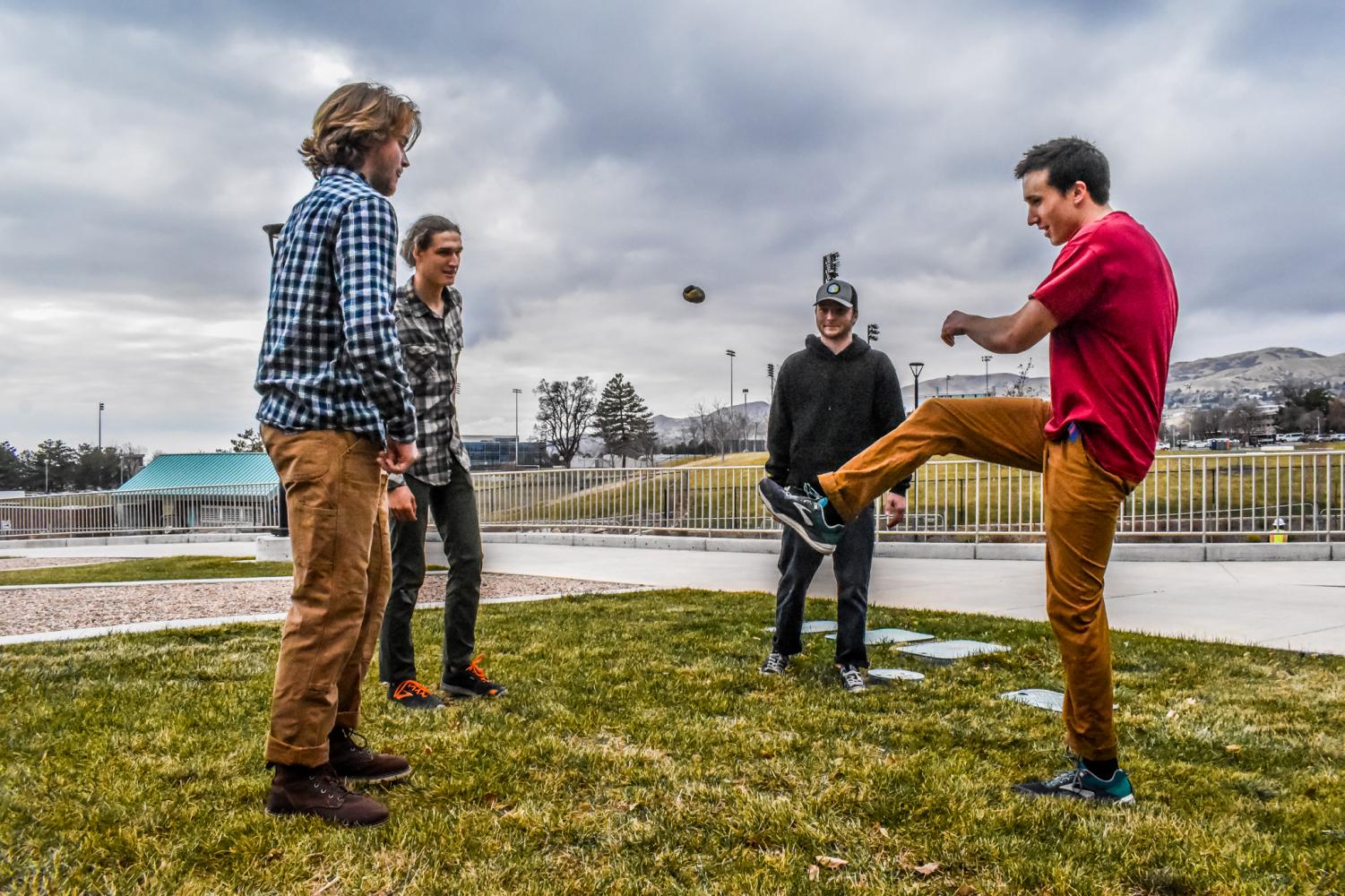
What is Hacky Sack? It is a masterclass in how a simple idea can be transformed into a global icon through strategic branding, community engagement, and rigorous IP management. It transitioned from a physical therapy tool to a counter-culture symbol, and eventually to a household name that defined an entire sport.
For brand professionals, the Hacky Sack remains a primary example of how to capture a niche market and defend it for decades. While the “fad” of the 80s may have leveled off, the brand identity remains unshakable. It is the gold standard of footbags, a name that carries weight, history, and a specific “vibe” that generic competitors simply cannot replicate. In the end, the brand’s greatest strength—and its greatest challenge—is that it became the very definition of the game it created.
aViewFromTheCave is a participant in the Amazon Services LLC Associates Program, an affiliate advertising program designed to provide a means for sites to earn advertising fees by advertising and linking to Amazon.com. Amazon, the Amazon logo, AmazonSupply, and the AmazonSupply logo are trademarks of Amazon.com, Inc. or its affiliates. As an Amazon Associate we earn affiliate commissions from qualifying purchases.