
In the competitive landscape of the global confectionery market, the question “what is gummy candy made of?” has evolved from a simple curiosity into a core pillar of brand strategy. For decades, the gummy industry was dominated by a few heritage players who relied on secret formulas and consistent textures. However, as consumer awareness regarding health, ethics, and sustainability reaches an all-time high, the physical composition of these treats has become the primary battleground for brand differentiation.
Modern brand strategy in the candy sector is no longer just about vibrant packaging or catchy jingles; it is about the narrative of the ingredient list. When a consumer asks what a gummy is made of, they are actually inquiring about the brand’s values, its commitment to quality, and its position within the wellness spectrum.
The Anatomy of a Brand: Why Ingredients Matter in Confectionery Positioning
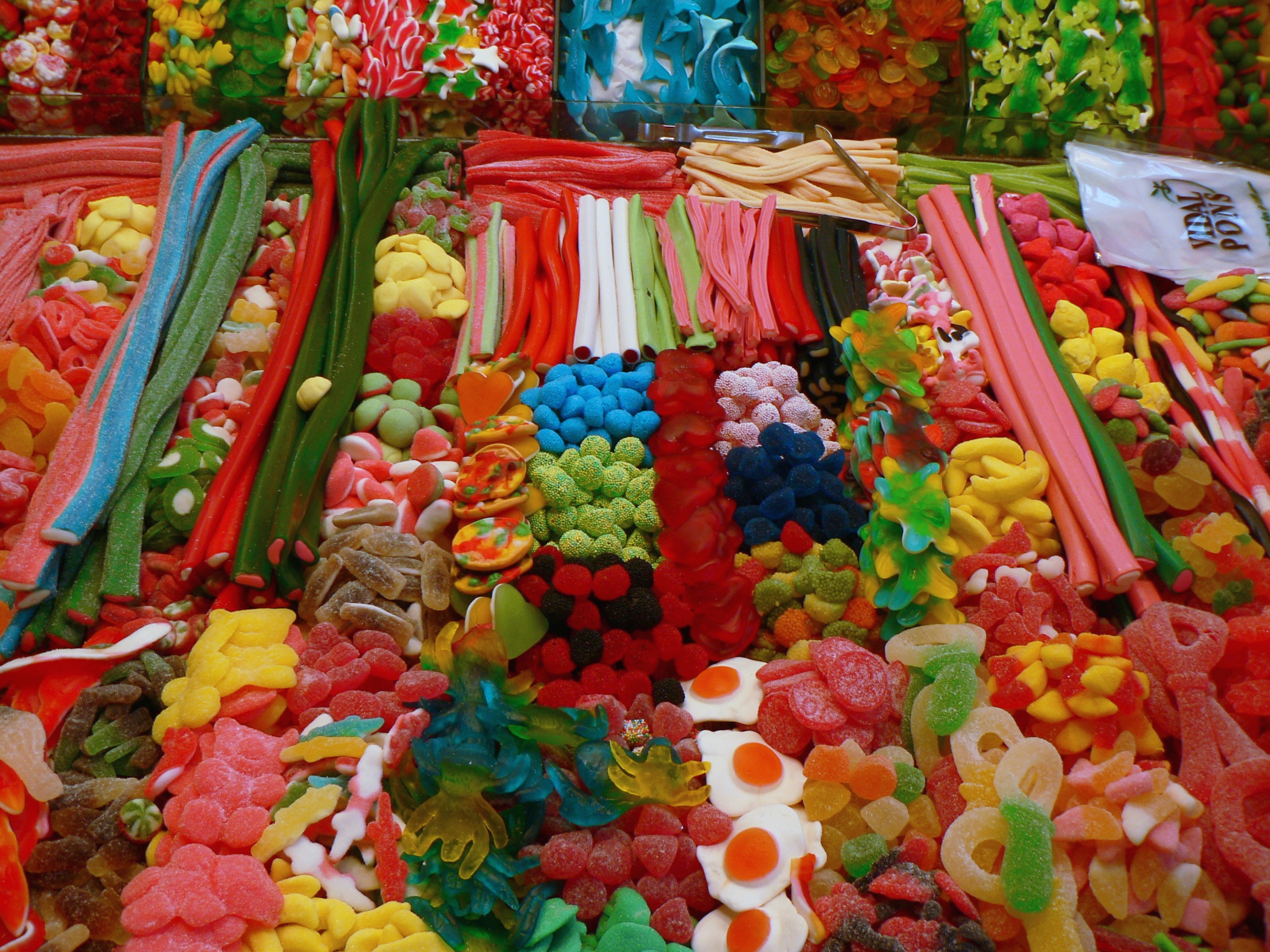
The fundamental components of a gummy candy—typically a combination of gelatin, sweeteners, flavors, and colors—serve as the building blocks of a brand’s identity. From a strategic perspective, these ingredients are not merely industrial necessities; they are tools used to carve out a specific market niche.
From Gelatin to Pectin: Defining the Target Audience
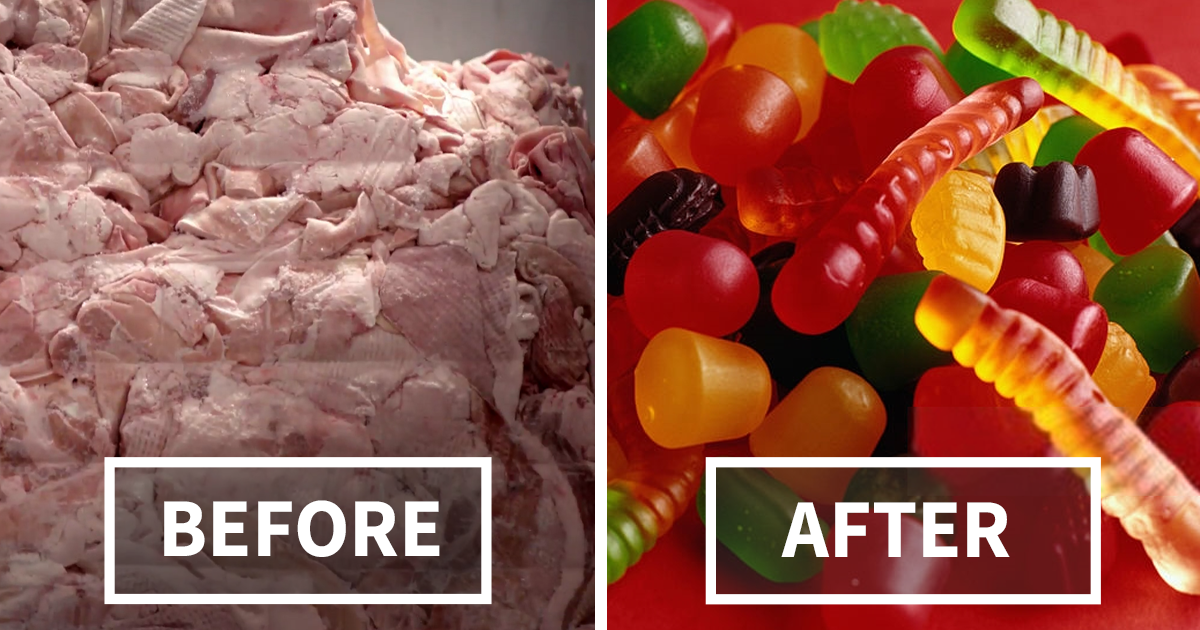
The choice of a gelling agent is perhaps the most significant branding decision a confectionery company can make. Traditionally, porcine or bovine gelatin has been the standard, providing the classic “bounce” that defines the gummy experience. Brands like Haribo have built their century-long legacy on this specific texture.
However, as the market shifts toward inclusivity, the rise of pectin, agar-agar, and starch-based alternatives has allowed brands to pivot toward vegan, Halal, and Kosher certifications. By altering the “what” of the candy, a brand effectively communicates “who” the product is for. A brand that utilizes pectin is not just selling a candy; it is selling a lifestyle choice that aligns with plant-based ethics and dietary inclusivity.
The Sensory Experience as a Brand Signature
In brand strategy, consistency is king. The specific mouthfeel—the elasticity, the “chew,” and the rate of melt—functions as a sensory logo. When a consumer bites into a gummy, the physical sensation should immediately reinforce the brand’s identity. If a premium brand claims to use high-quality, natural ingredients but delivers a waxy or brittle texture, the brand promise is broken. Therefore, the science of ingredient formulation is inextricably linked to the perception of brand quality.
Strategic Transparency: Converting Components into Consumer Trust
In the modern marketplace, “The Great Reveal” has become a powerful marketing tool. Brands that are transparent about what their gummy candy is made of tend to foster deeper loyalty than those that hide behind vague terms like “artificial flavors” or “confectioner’s glaze.”
The Clean Label Movement in the Gummy Market
The “Clean Label” movement is a brand strategy centered on simplicity and recognizability. Brands like Annie’s Homegrown or Mott’s have successfully disrupted the market by highlighting what their gummies are not made of. By removing high-fructose corn syrup, synthetic dyes (like Red 40 or Yellow 5), and artificial preservatives, these companies position themselves as the “honest” alternative to “Big Candy.”
The brand narrative here shifts from “guilty pleasure” to “wholesome snack.” This transparency acts as a defensive moat; once a consumer trusts a brand’s ingredient integrity, they are less likely to switch to a competitor who remains opaque about their sourcing.
Communicating Value Through Sourcing and Sustainability
The origin of the ingredients is the next frontier in gummy branding. Is the sugar Fair Trade? Is the fruit juice organic? Is the gelatin sustainably sourced? Modern brand managers are increasingly using these details to justify premium price points. By telling the story of the Madagascar vanilla or the organic Brazilian cane sugar found within the gummy, the brand elevates the product from a commodity to an artisanal experience.
Case Studies in Gummy Branding: Heritage vs. The Disruptors
To understand how the “what” of a product shapes a brand, one must look at the divergent strategies of industry titans and the agile startups challenging their dominance.
Haribo: The Power of Heritage and Consistency
Haribo, the inventor of the gummy bear, utilizes a brand strategy rooted in tradition. Their messaging focuses on “The Happy World of Haribo.” For them, the ingredient list is a guarded treasure that ensures a uniform experience across 100 countries. Haribo’s brand strength lies in its refusal to drastically change its core formula. While they have introduced vegetarian options, their flagship Goldbears remain the gold standard for traditional gelatin-based gummies. Their brand identity is built on the reliability of that specific, firm chew that has remained unchanged for decades.
SmartSweets: Innovation through Ingredient Reconstruction
In stark contrast, the brand SmartSweets built its entire corporate identity on a radical re-imagining of what gummy candy is made of. By replacing sugar with plant-based fibers and natural sweeteners like stevia and monk fruit, they created a new category: “Kick Sugar” candy.
Their branding is vibrant, youthful, and mission-driven. They didn’t just change a recipe; they branded a revolution. The “what” (low sugar, high fiber) became the “why” (allowing consumers to enjoy candy without the health trade-offs). This case study illustrates how ingredient innovation can be the primary driver of a brand’s market entry and rapid scaling.
The Marketing of Texture: How Mouthfeel Shapes Corporate Identity
While flavors are often the first thing mentioned in advertisements, texture is what creates long-term consumer habits. In the world of branding, the physical performance of the candy is a form of intellectual property that must be protected and marketed.
Proprietary Formulations as Intellectual Property
The exact ratio of glucose syrup to sucrose, combined with the Bloom strength of the gelatin, creates a proprietary “brand feel.” This is why a gummy worm from Trolli feels fundamentally different from one found in a generic bulk bin. Brands invest millions in R&D to ensure that their “what” cannot be easily replicated by private label competitors. From a marketing perspective, this uniqueness is framed as “The [Brand Name] Difference,” turning a chemical formulation into a romanticized brand secret.
Cultural Adaptation and Global Brand Scaling
A savvy brand strategy also accounts for regional preferences in ingredient composition. In some markets, a softer, starch-based gummy is preferred, while in others, a tough, long-lasting chew is the standard. Global brands often tweak what their gummies are made of to suit local palates while maintaining a consistent visual identity. This ability to adapt the “internal” product while keeping the “external” brand constant is a hallmark of sophisticated global brand management.
Future-Proofing the Gummy Brand: Navigating Ethical and Functional Ingredients
As we look toward the future, the question of what gummy candy is made of is expanding into the realms of biotechnology and wellness.
The Rise of Nutraceuticals and Functional Gummies
The “gummification” of the supplement industry is one of the most significant trends in brand strategy today. From Vitamin C and Apple Cider Vinegar to CBD and Melatonin, the gummy format is being used to deliver functional benefits. In this niche, the brand strategy is focused on efficacy and bioavailability. The “what” now includes active ingredients, and the brand promise shifts from “delicious” to “effective.” Companies like Goli or Olly have mastered this, using the familiar gummy form factor to build brands that live at the intersection of confectionery and pharmacy.

Conclusion: The Sweet Spot Between Composition and Identity
Ultimately, what a gummy candy is made of serves as the foundation for its entire brand architecture. For heritage brands, ingredients are a testament to consistency and tradition. For disruptors, they are a manifesto for change and health. For the consumer, the ingredient list is a window into the brand’s soul.
In an era of hyper-informed consumers, the brands that win will be those that view their ingredient list not as a list of costs to be managed, but as a story to be told. Whether it is the ethical sourcing of beeswax or the innovative use of mycelium-based gelling agents, the future of gummy branding lies in the transparency, innovation, and integrity of the “what.” By mastering the alchemy of sweetness, brands can transform simple sugar and gelatin into a powerful, lasting identity.