
In the landscape of modern personal finance, healthcare represents one of the most volatile and significant expenditures for the average household. As prescription drug prices continue to outpace inflation, consumers are increasingly seeking sophisticated tools to manage their out-of-pocket expenses. GoodRx has emerged not merely as a digital platform, but as a critical financial tool designed to provide price transparency in a market historically shrouded in complexity. To understand what GoodRx is, one must view it through the lens of financial optimization and strategic healthcare spending.
The Financial Landscape of Prescription Medication
The American healthcare system is unique in its pricing structures, particularly regarding pharmaceuticals. Unlike consumer goods where prices are clearly labeled and consistent across retailers, prescription drugs carry “list prices” that rarely reflect what an individual actually pays. This discrepancy creates a financial minefield for those trying to budget for long-term health needs.
Why Prescription Costs Are Rising
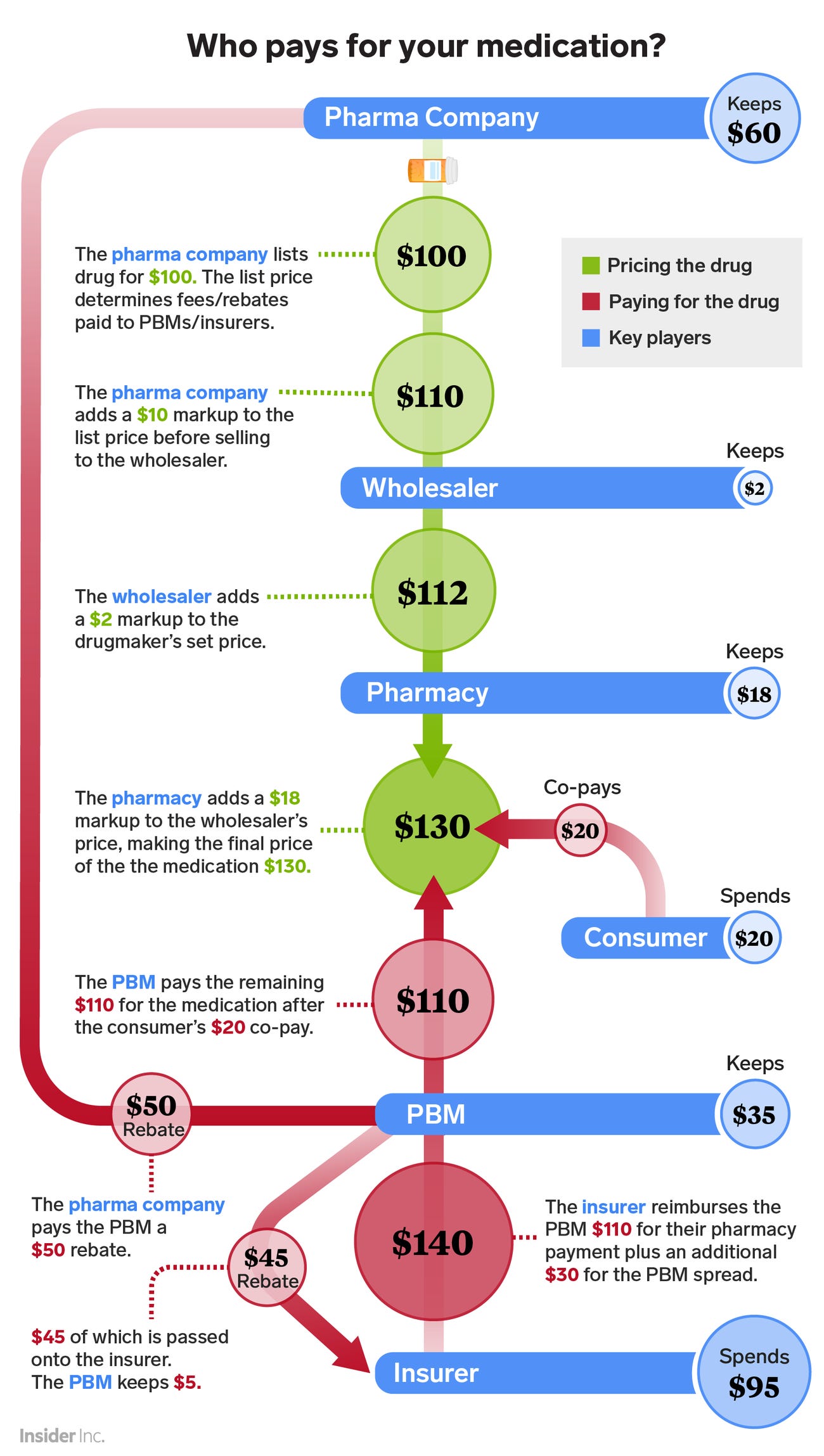
The escalation of drug costs is driven by a multifaceted web of Research and Development (R&D) investments, patent protections, and a complex supply chain. For the individual consumer, this translates to unpredictable monthly expenses. When a new medication enters the market, its “brand name” status allows for premium pricing. Even as generics become available, the market does not always self-correct to the lowest possible price point due to the presence of intermediaries known as Pharmacy Benefit Managers (PBMs). These entities negotiate rebates and prices behind closed doors, often leaving the consumer to pay a price that is disconnected from the actual cost of production.
The Gap Between Insurance and Out-of-Pocket Costs
Many individuals operate under the assumption that health insurance is the ultimate safeguard against high drug costs. However, the rise of High-Deductible Health Plans (HDHPs) has shifted a larger portion of the financial burden onto the policyholder. In many cases, a patient’s insurance “copay” may actually be higher than the cash price of a medication if negotiated correctly. This “insurance gap” is where many households lose significant capital. GoodRx identifies these discrepancies, allowing users to bypass insurance when the cash price—negotiated through the GoodRx network—is the more fiscally responsible choice.
How GoodRx Functions as a Financial Tool
At its core, GoodRx is a price comparison and discount platform that aggregates data from thousands of pharmacies across the United States. It functions similarly to a financial aggregator, providing real-time data to ensure consumers are paying the lowest possible market rate for their prescriptions.
Decoding the GoodRx Price Comparison Engine
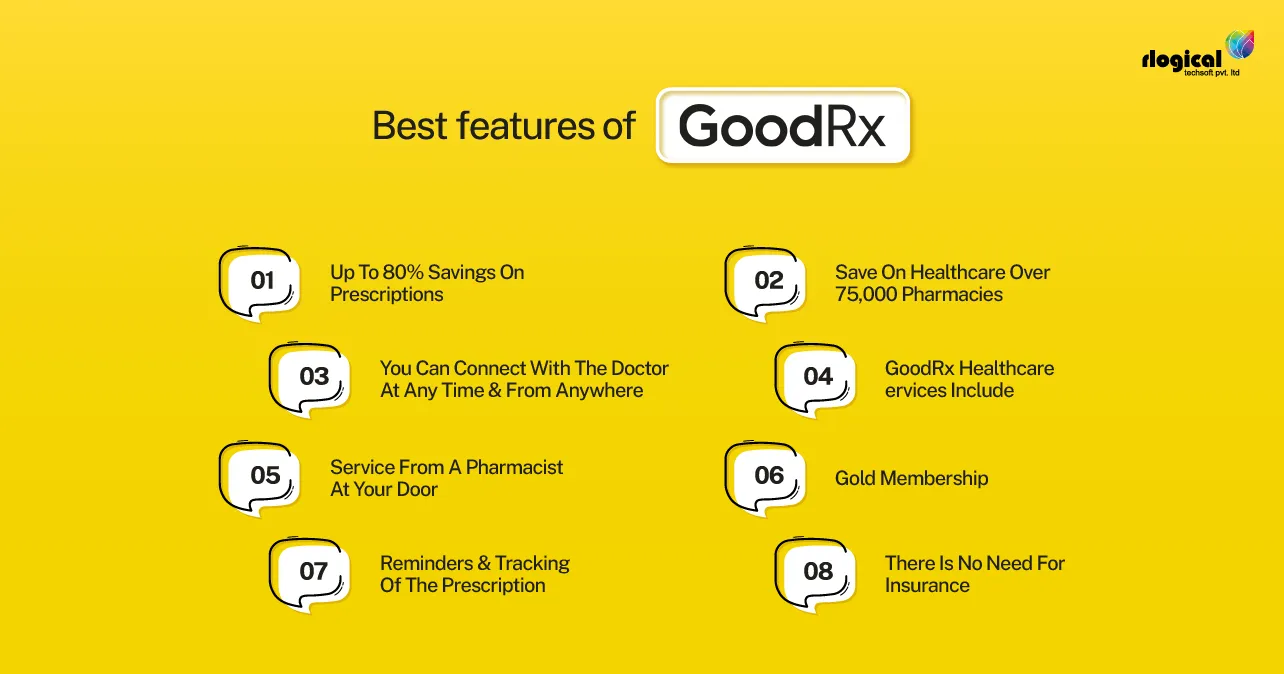
The primary value proposition of GoodRx lies in its ability to facilitate “price discovery.” By entering the name of a medication and a zip code, the platform provides a list of prices at local pharmacies, including major chains like CVS, Walgreens, and Walmart, as well as independent local shops. These prices often include significant discounts—up to 80% off the list price—made possible through contracts GoodRx holds with PBMs. From a personal finance perspective, this tool serves as a “lowest-cost-provider” search engine, enabling consumers to arbitrage the price differences between competing pharmacies located just blocks apart.
GoodRx Gold: Is the Subscription Worth the Investment?
For power users or families with multiple recurring prescriptions, GoodRx offers a premium tier known as GoodRx Gold. This is a classic “cost-benefit analysis” scenario for the savvy investor in their own health. For a monthly subscription fee, members gain access to even lower prices and home delivery options.
When evaluating the financial viability of GoodRx Gold, one must calculate the “break-even point.” If the monthly savings on a single maintenance medication exceed the subscription fee, the service offers a guaranteed return on investment. For families managing chronic conditions like hypertension or diabetes, the annual savings can reach thousands of dollars, making the subscription a foundational element of their annual financial plan.
Strategic Integration into Personal Finance Management
Effective wealth management requires more than just high-income generation; it requires meticulous expense control. Incorporating GoodRx into a broader financial strategy involves understanding when to use the tool versus when to rely on traditional insurance.
Managing High-Deductible Health Plans (HDHPs)
For those utilizing an HDHP, every dollar spent on prescriptions comes directly out of a Health Savings Account (HSA) or personal checking account until the deductible is met. Using GoodRx in this phase is a high-impact strategy. By reducing the immediate cash outflow for medications, individuals can preserve their HSA funds for long-term investment. Since HSA funds can be invested in the stock market and grow tax-free, saving $50 on a prescription today isn’t just a $50 win; it’s the preservation of capital that could compound into hundreds of dollars over several decades.
GoodRx vs. Traditional Insurance Copays
A common misconception is that one must use their insurance card at the pharmacy counter. However, a “check the price” habit can lead to substantial savings. Pharmacies are often bound by “gag clauses” that prevent them from telling a customer that a cash price is cheaper than their copay. By proactively presenting a GoodRx coupon, the consumer takes control of the transaction. If the GoodRx price is $15 and the insurance copay is $40, the choice is clear. While the $15 might not count toward an insurance deductible, the immediate liquidity gained is often more valuable for the average household budget.
The Broader Economic Impact of Digital Coupons
The rise of platforms like GoodRx represents a shift toward democratization in healthcare finance. By introducing competitive pressure into the pharmacy market, these tools are forcing a level of transparency that was previously non-existent.
Price Transparency in the Healthcare Market
Transparency is a prerequisite for a functioning market. Before GoodRx, a consumer had no way of knowing that a medication cost $10 at one pharmacy and $100 at another. This “information asymmetry” favored large institutions over the individual. GoodRx levels the playing field, providing the consumer with the data necessary to make an informed economic decision. This market pressure encourages pharmacies to keep their prices competitive to avoid losing foot traffic, which in turn benefits the broader economy by lowering the overall cost of care.
Mitigating Medical Debt Through Smart Purchasing
Medical debt is the leading cause of bankruptcy in the United States. While major surgeries are often the culprit, the “slow bleed” of high-priced monthly prescriptions can be equally devastating to a family’s financial health. By utilizing discount tools, individuals can maintain their health regimens without dipping into emergency funds or accumulating high-interest credit card debt. In this sense, GoodRx acts as a defensive financial instrument, protecting the user’s net worth from the volatility of healthcare pricing.
Maximizing Your Savings: Practical Tips for Users
To truly treat GoodRx as a professional financial tool, one should approach its use with a systematic methodology.
- Audit Your Medicine Cabinet: Once a year, run every recurring prescription through the GoodRx engine. Prices change frequently due to new PBM contracts and generic entries.
- Compare Multiple Locations: Do not assume your “usual” pharmacy is the cheapest. Often, a grocery store pharmacy (like Kroger or Publix) will have significantly different pricing than a dedicated drug store (like Rite Aid).
- Consult with Your Physician: If the brand-name drug recommended by a doctor is prohibitively expensive even with a coupon, use the GoodRx data to ask about generic alternatives. The platform often suggests “related medications” that may fall into a lower price bracket.
- Leverage Manufacturer Coupons: For new, specialty drugs where no generic exists, GoodRx often links to manufacturer co-pay cards. These can sometimes bring the cost down to as little as $0 or $5, representing a massive financial advantage for those with rare conditions.
In conclusion, GoodRx is far more than a simple app for finding coupons; it is a sophisticated financial intermediary that brings transparency and competition to the pharmaceutical market. For the individual focused on personal finance, it is an essential tool for expense reduction, capital preservation, and strategic budgeting. By treating healthcare as a variable cost that can be optimized through data, consumers can protect their financial well-being while ensuring they receive the medical care they require. In an era of rising costs, being “GoodRx-literate” is a vital component of modern financial literacy.
aViewFromTheCave is a participant in the Amazon Services LLC Associates Program, an affiliate advertising program designed to provide a means for sites to earn advertising fees by advertising and linking to Amazon.com. Amazon, the Amazon logo, AmazonSupply, and the AmazonSupply logo are trademarks of Amazon.com, Inc. or its affiliates. As an Amazon Associate we earn affiliate commissions from qualifying purchases.