
In an era defined by data and interconnectedness, understanding our body’s vital signs has transcended basic observation, evolving into a sophisticated domain powered by cutting-edge technology. The question, “what is a good pulse rate?”, once primarily answered by a medical professional with a stethoscope and stopwatch, is now a dynamic inquiry that wearable tech, AI, and dedicated health platforms help us explore with unprecedented precision. This article delves into the significance of pulse rate and, more importantly, how the rapid advancements in technology are empowering individuals to monitor, interpret, and proactively manage this crucial indicator of cardiovascular health. From smartwatches to sophisticated algorithms, we’ll explore the technological ecosystem making personalized heart health a tangible reality.
The Foundational Understanding: Pulse Rate as a Digital Metric
Before diving into the technological marvels, it’s essential to grasp what pulse rate signifies and why its measurement is paramount. Pulse rate, often used interchangeably with heart rate, is the number of times your heart beats per minute (BPM). It’s a simple yet powerful metric, offering a window into your body’s current physiological state, fitness level, and potential underlying health issues. Technology doesn’t just measure this; it contextualizes it, providing insights that were once only available in clinical settings.
What Pulse Rate Reveals About Your Health
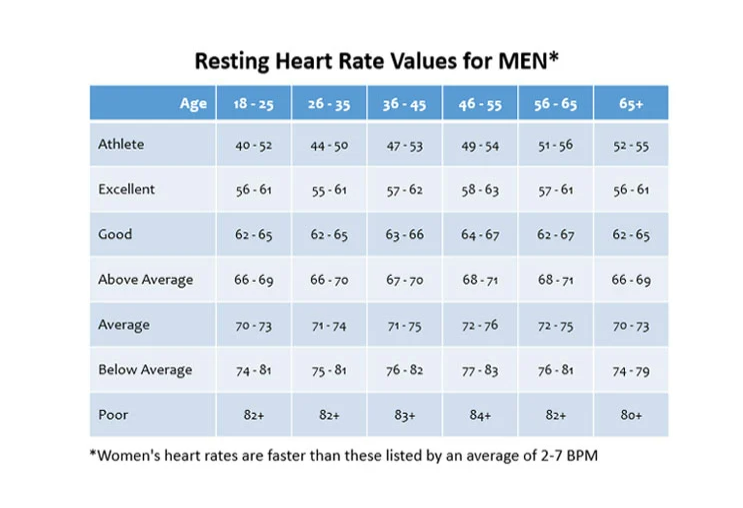
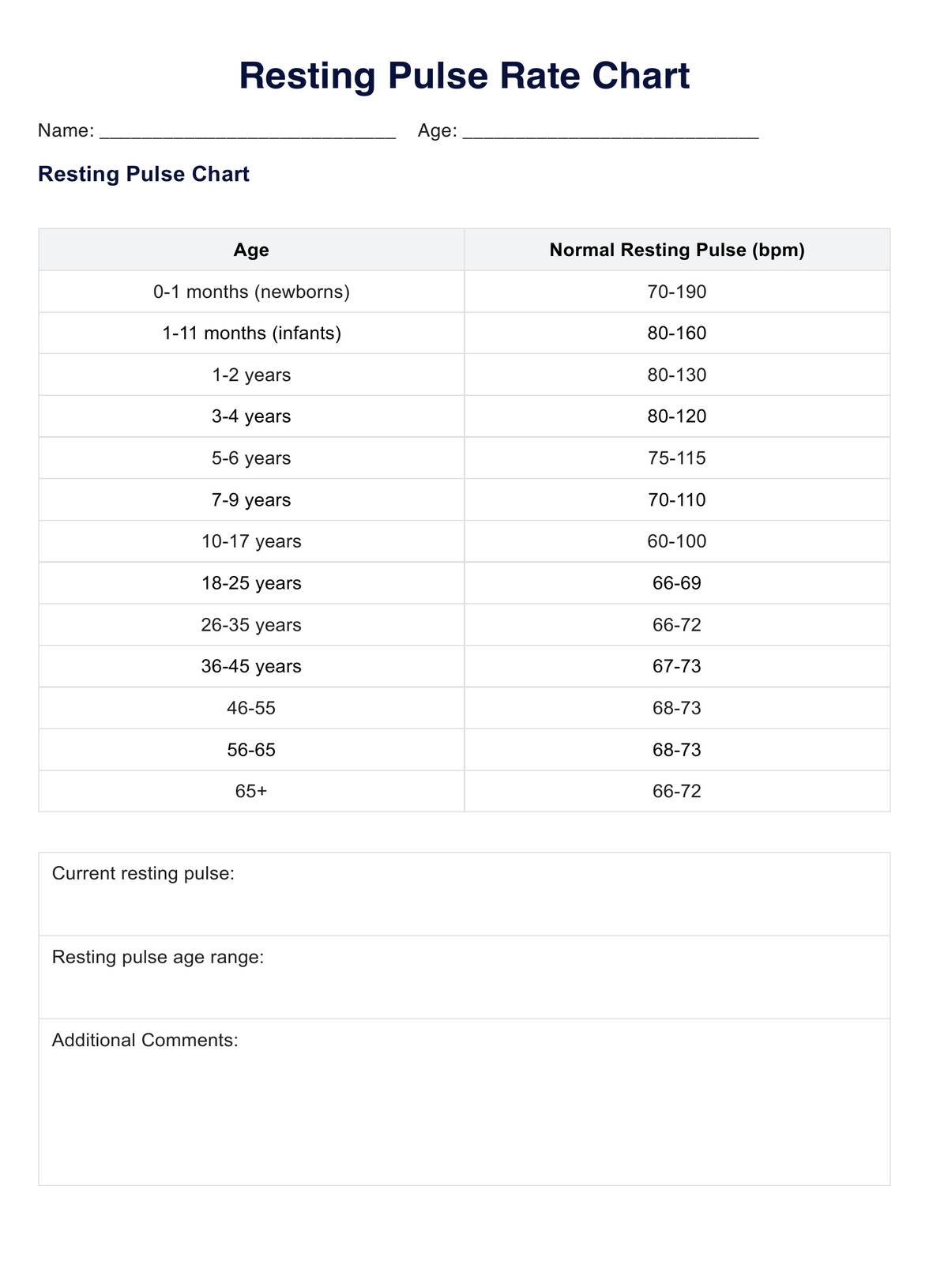
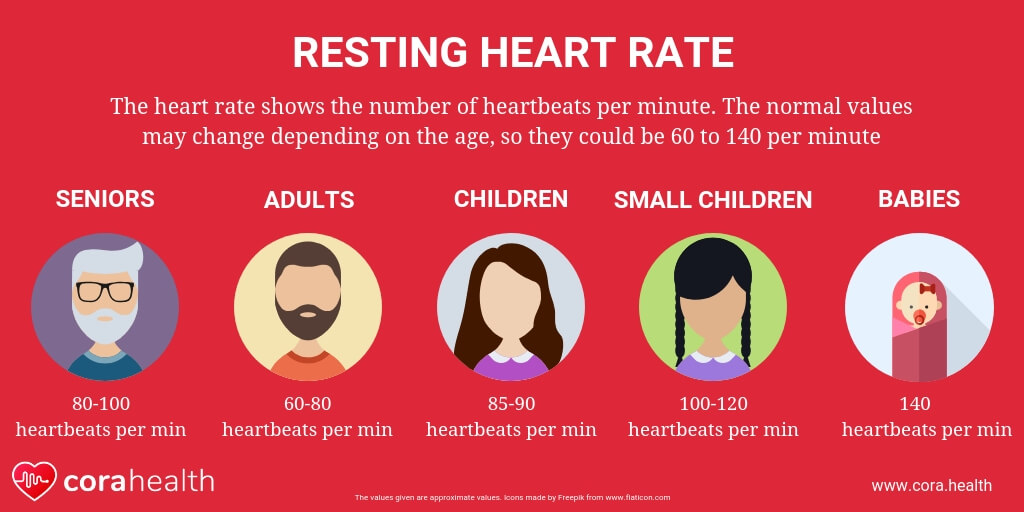
A “good” pulse rate isn’t a single universal number; it varies based on age, activity level, fitness, and even emotional state. For most healthy adults, a resting heart rate between 60 to 100 BPM is considered normal. However, athletes might have resting rates as low as 40-60 BPM. Technological devices track these fluctuations meticulously. They can distinguish between resting heart rate, active heart rate during exercise, and recovery heart rate post-exertion. This granular data allows for a more nuanced understanding: a persistently elevated resting heart rate, for instance, could flag issues like stress, dehydration, or cardiovascular strain, while an unusually low rate might prompt investigation into bradycardia or overtraining. Tech tools are designed not just to give you a number but to highlight deviations and patterns, turning raw data into actionable health insights.
Factors Influencing Pulse Rate, Tracked by Tech
Numerous factors influence pulse rate, and modern technology excels at helping us correlate these influences with our heart’s rhythm. Physical activity is the most obvious, with heart rate soaring during exercise and gradually returning to baseline. Sleep patterns, stress levels, hydration, caffeine intake, medication, and even ambient temperature all play a role. Smartwatches and fitness trackers now integrate capabilities to track sleep quality, stress via heart rate variability (HRV), and even offer hydration reminders. By collecting and correlating data from various sensors (accelerometers for activity, galvanic skin response for stress, etc.), these devices provide a holistic view, helping users understand why their pulse rate might be fluctuating. This cross-referencing of data points is a significant leap beyond simple pulse measurement, enabling a more profound, technology-driven self-awareness.
The Tech Revolution in Pulse Rate Monitoring
The most significant shift in understanding “what is a good pulse rate” has come from the proliferation of accessible and accurate monitoring technologies. What started with bulky chest straps has evolved into sleek wearables and sophisticated mobile applications, democratizing heart health monitoring for millions.
Wearable Technology: Smartwatches and Fitness Trackers
Smartwatches and fitness trackers are the vanguards of personal pulse rate monitoring. Devices from Apple, Garmin, Fitbit, Samsung, and others have made continuous heart rate tracking a standard feature. They utilize optical heart rate sensors (photoplethysmography or PPG) that shine an LED light onto the skin and measure changes in blood volume. The sophistication of these sensors has dramatically improved, offering increasingly accurate readings even during strenuous activity. Beyond basic BPM, these devices track heart rate zones (fat burn, cardio, peak), providing valuable feedback for optimizing workouts. They also monitor resting heart rate trends over time, which is a powerful indicator of fitness improvement or potential health concerns. The convenience of having this data continuously collected on your wrist, without conscious effort, represents a paradigm shift in personal health management.
Dedicated Health Apps and Ecosystems
The hardware is only one half of the equation; the software and accompanying health ecosystems complete the picture. Every major wearable device is paired with a robust mobile application (e.g., Apple Health, Google Fit, Garmin Connect, Fitbit app). These apps serve as centralized dashboards, collecting, visualizing, and analyzing vast amounts of pulse rate data. They present trends over days, weeks, and months, making it easy to spot anomalies or improvements. More advanced apps incorporate features like guided breathing exercises triggered by elevated heart rates, or smart alarms that wake you during an optimal sleep phase based on HRV. Furthermore, these ecosystems often allow for data sharing with healthcare providers (with user consent), paving the way for telehealth and more informed medical consultations, transforming raw data into practical health strategies.
Advanced Sensors and Data Accuracy
While earlier generations of wearables faced criticism for accuracy, especially during high-intensity exercise, current devices have made significant strides. Advancements in sensor technology, including improved algorithms for signal processing and the integration of multiple data points (like motion data from accelerometers), have enhanced reliability. Some devices now incorporate electrocardiogram (ECG) capabilities, allowing users to take an on-demand ECG to detect signs of atrial fibrillation (AFib), a serious heart rhythm disorder. While these consumer-grade ECGs are not diagnostic tools, they can alert users to potential issues, prompting a visit to a doctor for a clinical diagnosis. The pursuit of greater accuracy and medical-grade data from personal devices continues, blurring the lines between consumer gadgets and health-monitoring tools.
AI and Predictive Analytics: Beyond Simple Measurement
The true power of modern pulse rate monitoring extends beyond mere measurement. Artificial intelligence and machine learning algorithms are transforming raw heart rate data into predictive insights, offering a more proactive approach to health.
Personalized Insights and Early Detection
AI models, trained on vast datasets of physiological information, can analyze an individual’s pulse rate patterns alongside other metrics (sleep, activity, stress) to generate personalized insights. For example, an AI might detect a subtle but consistent elevation in resting heart rate over several days, combined with disrupted sleep and lower HRV, and suggest potential overtraining or heightened stress levels. In more critical scenarios, AI can identify patterns indicative of cardiac arrhythmias or other cardiovascular conditions, often before symptoms become noticeable to the user. This capability moves beyond reactive monitoring to proactive health alerts, potentially leading to earlier intervention and improved outcomes. The definition of “a good pulse rate” becomes dynamic, tailored to the individual’s baseline and deviations from it, as interpreted by AI.
The Role of Machine Learning in Health Data
Machine learning algorithms are continuously learning and refining their ability to interpret complex physiological data. They can identify correlations and causal links that might be imperceptible to human analysis. For instance, ML can help understand the unique “normal” range for an individual, accounting for their age, genetics, lifestyle, and environment. It can filter out noise, improve the accuracy of sensor readings, and even predict future health trends based on current and historical data. This advanced analytical capability is crucial for making sense of the enormous volume of data generated by continuous monitoring, enabling the transition from data points to personalized health strategies.
Digital Security and Privacy in Health Tracking
With the increasing reliance on technology for personal health monitoring, the conversation inevitably turns to digital security and privacy. Pulse rate data, especially when combined with other health metrics, is highly sensitive personal information.
Safeguarding Your Personal Health Information
Companies developing health tracking devices and apps bear a significant responsibility to protect user data. This includes robust encryption protocols for data in transit and at rest, secure cloud storage, and strict access controls. Users, too, play a role by using strong, unique passwords, enabling two-factor authentication, and understanding the privacy settings of their devices and apps. The regulatory landscape, including GDPR and HIPAA, provides frameworks for data protection, but vigilance from both providers and users is paramount. Ensuring that your pulse rate data, and all other health information, remains private and secure is as critical as the accuracy of the measurements themselves.
The Future of Secure Health Data Management
The future of health data management points towards more secure and user-controlled models. Concepts like blockchain technology are being explored for decentralized, immutable health records, giving individuals greater control over who accesses their data. Federated learning, where AI models are trained on decentralized data without the data ever leaving the user’s device, offers another promising avenue for leveraging insights while preserving privacy. As our understanding of “what is a good pulse rate” becomes increasingly data-driven, the technological infrastructure supporting the secure and ethical management of this data will be as important as the monitoring tools themselves.
Maximizing Your Tech for a Healthy Pulse
Ultimately, the goal of all this technology is to empower individuals to achieve and maintain a healthy pulse rate, contributing to overall well-being. It’s about leveraging the tools effectively to transform data into action.
Integrating Data for a Holistic View
To truly maximize the benefits of pulse rate monitoring technology, it’s crucial to integrate data from various sources. Most modern health apps allow for this, pulling in data from smart scales, blood pressure monitors, glucose meters, and even manual entries for symptoms or medication. This integrated view provides a comprehensive picture of your health, allowing you and your healthcare providers to identify complex interactions and make more informed decisions. For example, understanding how changes in diet (logged manually) or medication impact your pulse rate trends (tracked automatically) can lead to more effective lifestyle adjustments or treatment plans.
Consulting Professionals with Tech-Driven Insights
While technology provides unprecedented access to personal health data, it is not a substitute for professional medical advice. The insights gained from your devices — the trends, the anomalies, the personalized alerts — serve as powerful discussion starters with your doctor. Instead of vague symptom descriptions, you can arrive at appointments armed with weeks or months of objective, quantifiable data. This enables healthcare professionals to make more precise diagnoses, tailor interventions, and monitor the effectiveness of treatments more accurately. The synergy between advanced personal monitoring technology and expert medical guidance is the most effective path to truly understanding and achieving “a good pulse rate” for your unique physiological profile.
In conclusion, the question “what is a good pulse rate?” has been profoundly reshaped by technology. It’s no longer a static number but a dynamic, personalized metric, continuously monitored, analyzed, and interpreted by an intelligent ecosystem of gadgets, software, and AI. This technological revolution has not only demystified heart health but has also placed the power of proactive management directly into the hands of individuals, fostering a new era of precision health and well-being.
aViewFromTheCave is a participant in the Amazon Services LLC Associates Program, an affiliate advertising program designed to provide a means for sites to earn advertising fees by advertising and linking to Amazon.com. Amazon, the Amazon logo, AmazonSupply, and the AmazonSupply logo are trademarks of Amazon.com, Inc. or its affiliates. As an Amazon Associate we earn affiliate commissions from qualifying purchases.