
In the sophisticated ecosystem of competitive gaming, Pokémon represents one of the most enduring examples of complex logic-based systems. While casual players see a charming world of elemental monsters, professional players and game theorists view the franchise as a high-stakes environment defined by data points, probability curves, and algorithmic counters. Among the eighteen elemental types, the Electric type stands out as a unique architectural challenge. It is characterized by high speed, high special offensive capabilities, and a glaring lack of defensive weaknesses.
Understanding what is “good” against Electric-type Pokémon requires more than a cursory knowledge of elemental charts; it requires a deep dive into the technical mechanics of the game’s engine, the meta-game data, and the software tools used to simulate millions of battle outcomes. In this technical deep dive, we explore the definitive counters to Electric types through the lens of data-driven strategy and digital optimization.
The Logic of the Type Engine: Understanding Elemental Vulnerabilities
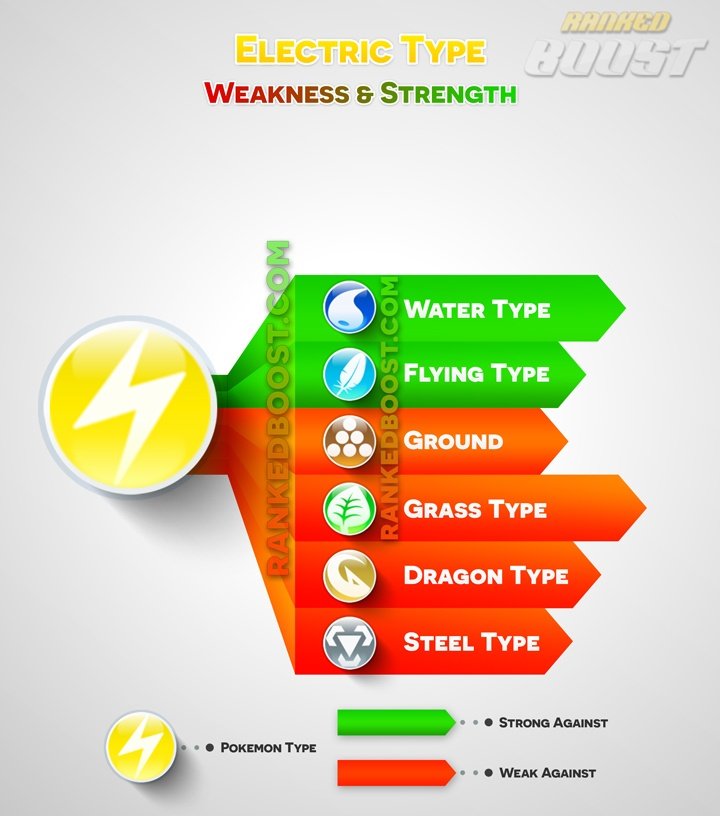
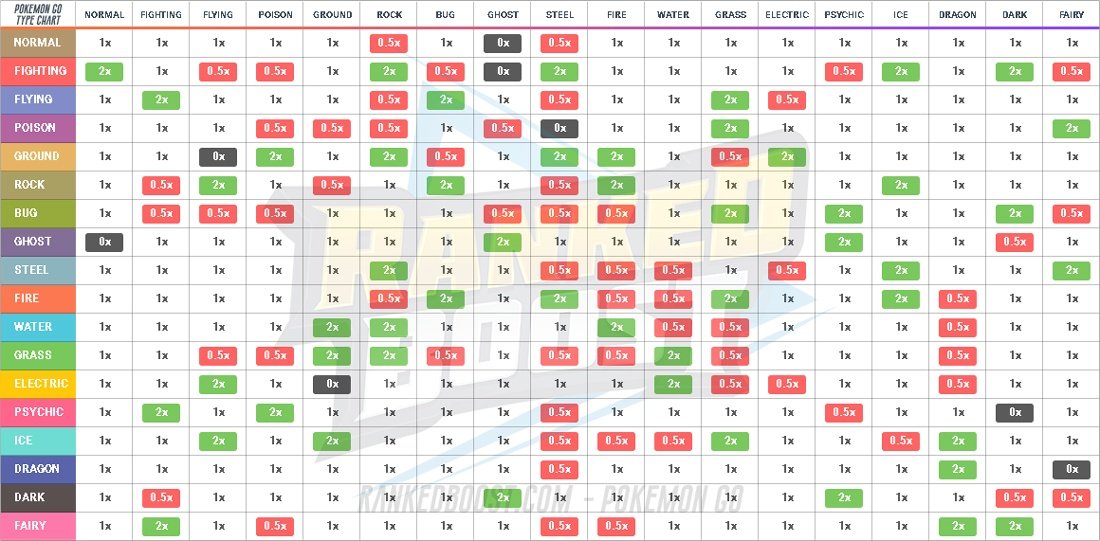
The Pokémon battle system operates on a foundational matrix of resistances and vulnerabilities. To neutralize an Electric type, one must first understand the “software logic” that governs its interactions. Electric types are mathematically unique because they possess only one true elemental weakness: Ground.
The Ground-Type Firewall: The Only Hard Immunity
In technical terms, the Ground type serves as a “nullifier” or a firewall against Electric-type data packets (moves). In the game’s code, when an Electric-type move is deployed against a Ground-type Pokémon, the damage multiplier is set to 0x. This is not merely a reduction in damage; it is a total immunity.
From a strategic perspective, Ground types like Garchomp, Landorus-Therian, or Gliscor are the ultimate defensive assets. However, the effectiveness of a Ground-type counter depends on its ability to handle the “coverage moves” often hard-coded into Electric-type kits. For instance, many high-tier Electric types carry “Hidden Power Ice” (in older generations) or “Tera Blast Ice” (in current iterations) to bypass the Ground-type firewall. Strategic optimization, therefore, requires selecting Ground-type Pokémon with high Special Defense or secondary types that mitigate these common counter-measures.
The Binary Nature of Resistance: Dragon, Grass, and Electric
If a Ground type is unavailable, the next layer of technical defense involves resistance. Three types receive 50% (0.5x) damage from Electric attacks: Grass, Dragon, and the Electric type itself.
- Grass Types: These serve as excellent technical pivots. Pokémon like Rillaboom or Ferrothorn can absorb Electric hits while threatening a counter-offensive.
- Dragon Types: Historically the “tanks” of the digital ecosystem, Dragons like Dragonite or Salamence possess the base stats necessary to endure high-voltage attacks.
- Electric Types: Using an Electric type against another creates a stalemate in offensive output, often referred to in the community as a “mirror match,” where the outcome is determined by secondary move-pool depth.
Optimizing the User Experience: Tools and Calculators for the Modern Trainer
Modern competitive play is no longer dictated by intuition; it is guided by sophisticated software and data analytics. To determine what is truly effective against an Electric-type threat, top-tier players utilize a suite of digital tools.
Utilizing Damage Calculators and Simulators
The “Pokémon Showdown Damage Calculator” is perhaps the most essential piece of software for any serious strategist. This tool allows players to input specific variables: Nature, EVs (Effort Values), IVs (Individual Values), items, and environmental factors like weather or terrain.
When calculating the best counter for a dominant Electric threat like Regieleki or Miraidon, the calculator runs a series of “damage rolls.” A counter is only deemed “good” if it can guarantee a “2HKO” (Two-Hit Knock Out) on the opponent while surviving at least one hit in return. This quantitative approach removes the guesswork, allowing trainers to optimize their team’s “bulk” to specific numerical thresholds.
The Role of AI and Predictive Modeling
In recent years, AI-driven bots have begun to simulate millions of battle cycles to identify “meta-shifts.” These models track the usage rates of specific Electric types and suggest counter-teams based on win-loss ratios. For example, if data shows a rise in “Electric Terrain” strategies (which boost Electric-type moves by 30%), the software might suggest the integration of a “Cloud Nine” ability user or a Pokémon that can overwrite the terrain, such as Indeedee or Rillaboom. This is essentially a form of digital cybersecurity—identifying a threat vector and deploying a patch before the system is compromised.
Architectural Countermeasures: Movesets and Abilities that Disrupt Electric Circuits
Beyond simple type matchups, the technicality of “what is good” extends to specific move-sets and passive abilities that function like logic-bombs against Electric-type strategies.
Earth Power vs. Earthquake: Data-Driven Selection
Choosing the right move is a calculation of Physical vs. Special damage categories. Most Electric types have lower physical Defense than Special Defense. Therefore, a physical Ground-type move like “Earthquake” (100 Base Power) is statistically more likely to result in a “One-Hit Knock Out” (OHKO) than its special counterpart, “Earth Power.”
However, if the opponent is using an Electric type with high Physical Defense (such as an Iron Hands), the technical recommendation shifts toward special attacks. This level of granular analysis is what separates high-ranking digital competitors from casual players.
Neutralizing “Volt Switch” with Passive Abilities
The Electric type’s greatest strategic asset is “Volt Switch,” a move that deals damage and allows the user to swap out for another Pokémon. This creates “momentum,” a concept in game theory where one player maintains control over the pace of the match.
To counter this, players deploy specific hardware in the form of abilities:
- Volt Absorb: Heals the Pokémon when hit by an Electric move.
- Lightning Rod: Draws in all Electric attacks and boosts Special Attack.
- Motor Drive: Boosts the Pokémon’s Speed stat upon being hit by an Electric move.
These abilities essentially “hack” the opponent’s strategy, turning their offensive pressure into a statistical advantage for the defender.
Strategic Integration: Building a Resilient Digital Squad
The final step in countering Electric types is the holistic integration of these technical principles into a six-member squad. In the software development world, redundancy is key to system stability. The same applies to Pokémon team building.
Synergistic Team Composition and “Pivoting”
A well-engineered team doesn’t just have one Ground type; it has a network of resistances. This is often achieved through “pivoting.” For example, if a player anticipates an Electric attack, they switch to a Ground type to absorb the hit (the “immunity pivot”). If the opponent predicts the Ground switch and uses a Water or Grass move, the player must have a secondary “core” (like a Fire or Steel type) ready to intercept. This constant exchange of data packets is the essence of high-level play.
Managing the “Paralysis” Status Condition
One of the most disruptive “bugs” an Electric type can introduce into your system is the “Paralysis” status condition. Paralysis reduces a Pokémon’s speed by 50% and introduces a 25% chance that the Pokémon will fail to move entirely. In a game determined by turn-order and action economy, this is a critical system failure.
To counter this, professional strategies involve:
- Items: Using “Lum Berries” or “Cheri Berries” to auto-patch the condition.
- Abilities: Using Pokémon with “Guts” (which boosts Attack when statused) or “Quick Feet.”
- Moves: Utilizing “Facilitate” or “Substitute” to block the status application altogether.

Conclusion: The Evolution of the Meta
What is “good” against Electric-type Pokémon is a moving target, shifting with every new software update (new game generations) and meta-game trend. While the Ground-type remains the primary hardware solution, the true counter lies in the application of data, the use of simulation tools, and an understanding of the underlying game logic.
In the digital arena of Pokémon, victory goes to the trainer who treats their team not just as a collection of creatures, but as a finely-tuned machine optimized to handle any surge in voltage. By leveraging algorithmic strategy and technical precision, you can ensure that your system remains offline to Electric threats while you execute your winning code.