
The term “glucose test” might conjure images of medical check-ups and the nuances of diabetes management. While that’s certainly a significant aspect, understanding glucose levels extends far beyond clinical settings. In today’s increasingly health-conscious world, where personal optimization and peak performance are sought after in all areas of life – from our careers to our fitness – comprehending what a glucose test reveals and how it impacts us is more relevant than ever. This exploration delves into the science behind glucose testing, its implications for various aspects of your life, and how insights from this seemingly simple test can be leveraged, even drawing parallels to the strategic thinking found in branding and the data-driven approaches prevalent in the tech and finance worlds.

The Fundamentals of Glucose: Your Body’s Primary Fuel
Before we dive into the tests themselves, it’s crucial to understand what glucose is and why it’s so vital. Glucose is a simple sugar that serves as the primary source of energy for your body’s cells, tissues, and organs. It’s derived from the carbohydrates you consume, whether they come from fruits, vegetables, grains, or sugary treats. Once digested, these carbohydrates are broken down into glucose, which then enters your bloodstream.
How Your Body Regulates Glucose
The intricate dance of glucose regulation is orchestrated by a key hormone: insulin. Produced by the pancreas, insulin acts like a key, unlocking your cells to allow glucose to enter and be used for energy. When glucose levels rise after a meal, your pancreas releases insulin. As cells take up glucose, your blood sugar levels return to a normal range.
Conversely, when your blood sugar levels drop too low (hypoglycemia), your pancreas releases another hormone called glucagon. Glucagon signals your liver to release stored glucose into the bloodstream, helping to bring your levels back up. This delicate feedback loop is essential for maintaining stable energy throughout the day.
However, this system can become disrupted. When the body doesn’t produce enough insulin, or when cells become resistant to insulin’s effects, glucose can’t effectively enter the cells and remains in the bloodstream, leading to elevated blood sugar levels, a condition known as hyperglycemia. Chronic hyperglycemia is the hallmark of diabetes.
Types of Glucose Tests: Unpacking the Data
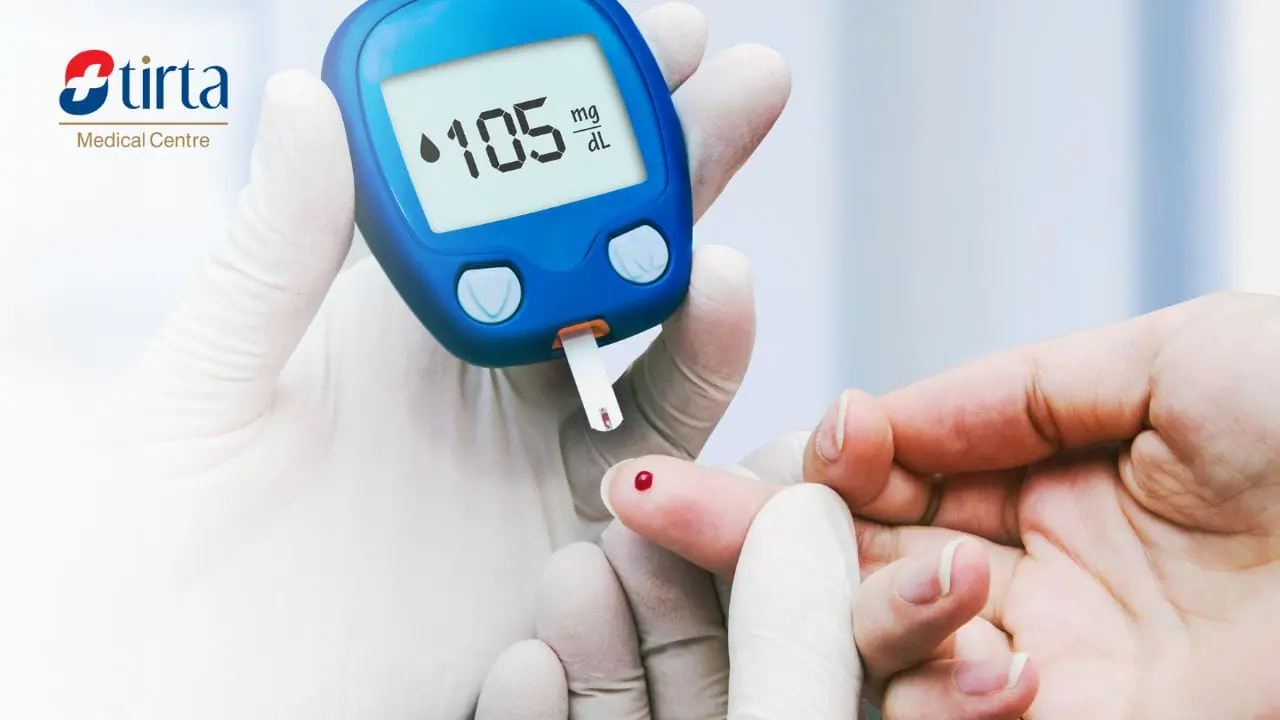
Glucose tests are the tools that allow us to measure the amount of glucose circulating in our blood. Different tests provide different snapshots of your glucose levels, each serving specific diagnostic and monitoring purposes. Understanding these variations is key to interpreting the results and taking appropriate action.
Fasting Plasma Glucose (FPG) Test
The Fasting Plasma Glucose (FPG) test is one of the most common and straightforward methods for assessing blood sugar.
- What it measures: This test measures your blood glucose level after you have abstained from eating or drinking anything (except water) for at least eight hours, typically overnight.
- Why it’s important: A fasting glucose test provides a baseline measurement of your blood sugar. Elevated fasting glucose levels can be an early indicator of prediabetes or diabetes.
- Interpreting results:
- Normal: Below 100 mg/dL (milligrams per deciliter)
- Prediabetes: 100 to 125 mg/dL
- Diabetes: 126 mg/dL or higher on two separate tests.
This test is often part of a routine physical examination and is a crucial first step in identifying potential glucose metabolism issues.
Oral Glucose Tolerance Test (OGTT)
The Oral Glucose Tolerance Test (OGTT) offers a more comprehensive look at how your body processes glucose over a period of time.
- What it measures: This test involves measuring your blood glucose level after an overnight fast, and then again two hours after you drink a standardized sugary drink.
- Why it’s important: The OGTT assesses your body’s ability to metabolize a glucose load. It’s particularly useful for diagnosing gestational diabetes (diabetes that develops during pregnancy) and is sometimes used for diagnosing type 2 diabetes when other tests are inconclusive.
- Interpreting results (2-hour post-drink):
- Normal: Less than 140 mg/dL
- Prediabetes: 140 to 199 mg/dL
- Diabetes: 200 mg/dL or higher
The OGTT highlights how efficiently your body secretes insulin and how well your cells respond to it.
Random Plasma Glucose (RPG) Test
The Random Plasma Glucose (RPG) test is less common for routine diagnosis but can be valuable in specific situations.
- What it measures: This test measures your blood glucose level at any time of the day, regardless of when you last ate.
- Why it’s important: An RPG test is often used to quickly screen for diabetes, especially if a person has symptoms suggestive of the condition. A very high reading (e.g., 200 mg/dL or higher) along with symptoms can be enough to diagnose diabetes.
- Interpreting results: A high reading, particularly when accompanied by symptoms like increased thirst, frequent urination, unexplained weight loss, and fatigue, can indicate diabetes. However, without a reference point of when the last meal was consumed, interpretation can be more nuanced.
Glycated Hemoglobin (HbA1c) Test
The Glycated Hemoglobin (HbA1c) test, often referred to as the A1c test, provides a longer-term perspective on your average blood sugar levels.
- What it measures: This test measures the percentage of hemoglobin (a protein in red blood cells that carries oxygen) that is coated with glucose. Because red blood cells have a lifespan of about three months, the HbA1c test reflects your average blood glucose levels over the past two to three months.
- Why it’s important: The HbA1c test is a cornerstone for diagnosing and monitoring diabetes. It gives a more stable picture than single blood glucose readings, as it’s not as affected by short-term fluctuations.
- Interpreting results:
- Normal: Below 5.7%
- Prediabetes: 5.7% to 6.4%
- Diabetes: 6.5% or higher

The HbA1c test is invaluable for understanding long-term glucose control and making adjustments to treatment plans.
Why Monitoring Glucose Matters: Beyond the Clinic Walls
While clinical diagnoses are the primary reason for undergoing glucose tests, the insights they provide have broader implications for anyone interested in optimizing their health, energy, and cognitive function. Understanding your glucose patterns can inform your dietary choices, exercise routines, and even your productivity strategies.
The Impact of Glucose on Energy Levels and Cognitive Function
Glucose is the brain’s preferred fuel source. When your blood sugar levels are stable, you experience sustained energy, clear thinking, and improved focus. However, fluctuations can lead to the dreaded “brain fog” and energy slumps.
- Spikes and Crashes: Consuming high-glycemic index foods (like refined sugars and white bread) can cause a rapid surge in blood glucose, followed by a sharp drop. This “sugar crash” can leave you feeling sluggish, irritable, and unable to concentrate.
- Stable Fuel: Conversely, a diet rich in complex carbohydrates, lean proteins, and healthy fats promotes a steadier release of glucose, providing a consistent energy supply for your brain and body. This stability is crucial for prolonged periods of deep work, learning, and creative thinking.
From a productivity standpoint, understanding how different foods impact your glucose levels can be as critical as mastering your task management software.
Glucose and Your Long-Term Health
Persistent high blood sugar levels, as seen in uncontrolled diabetes, can have serious long-term consequences, damaging blood vessels and leading to a cascade of health problems:
- Cardiovascular Disease: Increased risk of heart attack and stroke.
- Kidney Damage: Potentially leading to kidney failure.
- Nerve Damage (Neuropathy): Causing pain, numbness, and other sensory issues, particularly in the extremities.
- Eye Damage (Retinopathy): Potentially leading to blindness.
- Foot Problems: Due to nerve damage and poor circulation, leading to infections and even amputations.
Even in the realm of prediabetes, where blood sugar levels are elevated but not yet in the diabetic range, the risk of developing these complications is already increased. Therefore, glucose monitoring is a vital tool for proactive health management.
Leveraging Glucose Insights: A Data-Driven Approach to Well-being
In an era where we track our steps, sleep, and even our heart rate, monitoring glucose is becoming another powerful data point for self-optimization. This is where the principles from technology, branding, and finance intersect with our understanding of glucose.
The “Tech” of Glucose Monitoring: Wearables and Apps
The tech industry has revolutionized how we access and interpret health data. Continuous Glucose Monitors (CGMs) are a prime example.
- Continuous Glucose Monitors (CGMs): These small, wearable devices use a tiny sensor inserted under the skin to measure glucose levels continuously throughout the day and night. The data is transmitted wirelessly to a smartphone app or dedicated reader.
- Benefits: CGMs provide real-time insights into glucose trends, allowing users to see how food, exercise, stress, and sleep affect their blood sugar. This granular data empowers individuals to make informed lifestyle adjustments.
- Features: Many CGM apps offer detailed reports, trend analysis, and personalized recommendations. Some even integrate with other health apps or smart devices, creating a holistic wellness ecosystem.
- Smart Apps and Platforms: Beyond CGMs, numerous apps leverage AI and algorithms to help users log meals, track physical activity, and analyze their glucose data. These tools can offer personalized dietary suggestions, predict potential blood sugar fluctuations, and even connect users with health professionals.
The accessibility and sophistication of these tech solutions have made glucose monitoring a much more dynamic and personalized endeavor.
The “Brand” of Your Health: Consistency and Identity
Just as a strong brand cultivates a consistent identity and message, maintaining stable glucose levels contributes to a consistent sense of well-being and energy.
- Brand Consistency: A person with well-managed blood sugar levels presents a consistent “brand” of health and vitality. They are less prone to the mood swings and energy dips that can disrupt performance and social interactions.
- Reputation Management (for your body): Think of your health as your personal brand. Consistently neglecting your glucose balance can lead to a negative “reputation” for your body – one that is prone to illness and low energy. Conversely, proactively managing your glucose builds a strong, reliable “brand” of health.
- Target Audience (your own needs): Understanding your glucose patterns helps you cater to your body’s specific needs. Just as a company tailors its marketing to its target audience, you learn to tailor your diet and lifestyle to support your unique metabolic profile.
The “Money” of Well-being: Investing in Your Health Capital
Managing your glucose levels is a direct investment in your long-term health capital, which has significant financial implications.
- Financial Tools for Health: Consider the costs associated with managing diabetes or its complications – medication, doctor visits, hospital stays, lost workdays. Proactive glucose management, through diet, exercise, and timely medical intervention, can significantly reduce these future expenses.
- Side Hustles for Health: Think of adopting healthy habits as a “side hustle” for your body. The initial effort might seem significant, but the long-term returns in terms of energy, productivity, and reduced healthcare costs are substantial.
- Personal Finance of Energy: Your energy levels are a form of personal currency. When your glucose is well-managed, you have more “energy capital” to invest in your work, relationships, and personal pursuits. Fluctuations, on the other hand, are like an expenditure of this capital, leaving you depleted.
Conclusion: Empowering Your Health Through Knowledge
Understanding what a glucose test is and why it matters is no longer confined to the realm of medical professionals. In our pursuit of optimal health, energy, and performance, the insights gleaned from glucose monitoring are invaluable. By embracing the technological advancements in testing and data analysis, adopting a strategic approach akin to branding, and recognizing the financial implications of our health choices, we can empower ourselves to live healthier, more vibrant lives. Whether you are managing a diagnosed condition or simply seeking to optimize your well-being, a glucose test offers a powerful lens through which to understand and improve your body’s most fundamental fuel system.
aViewFromTheCave is a participant in the Amazon Services LLC Associates Program, an affiliate advertising program designed to provide a means for sites to earn advertising fees by advertising and linking to Amazon.com. Amazon, the Amazon logo, AmazonSupply, and the AmazonSupply logo are trademarks of Amazon.com, Inc. or its affiliates. As an Amazon Associate we earn affiliate commissions from qualifying purchases.