
Giardiasis, often referred to as “beaver fever,” is a parasitic infection that affects the small intestine. Caused by the microscopic organism Giardia duodenalis (also known as Giardia intestinalis or Giardia lamblia), it’s a widespread issue globally, particularly in areas with inadequate sanitation and contaminated water sources. While the subject matter might seem a world away from cutting-edge technology, branding strategies, and financial literacy, understanding common health concerns like giardiasis is a fundamental aspect of personal well-being, which, in turn, underpins our ability to engage with and leverage the topics explored on this website. After all, a healthy individual is better equipped to learn, innovate, and manage their finances effectively.
Understanding the Microscopic Culprit: Giardia duodenalis
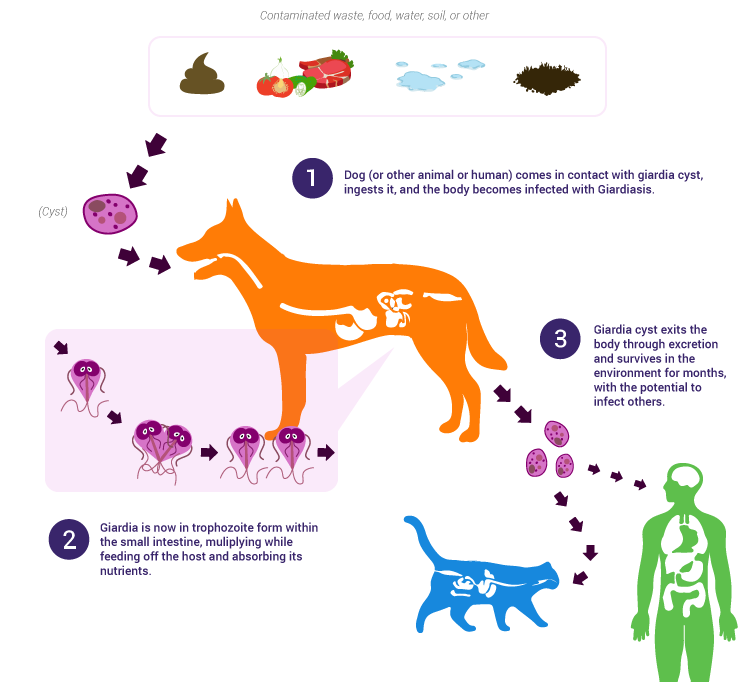
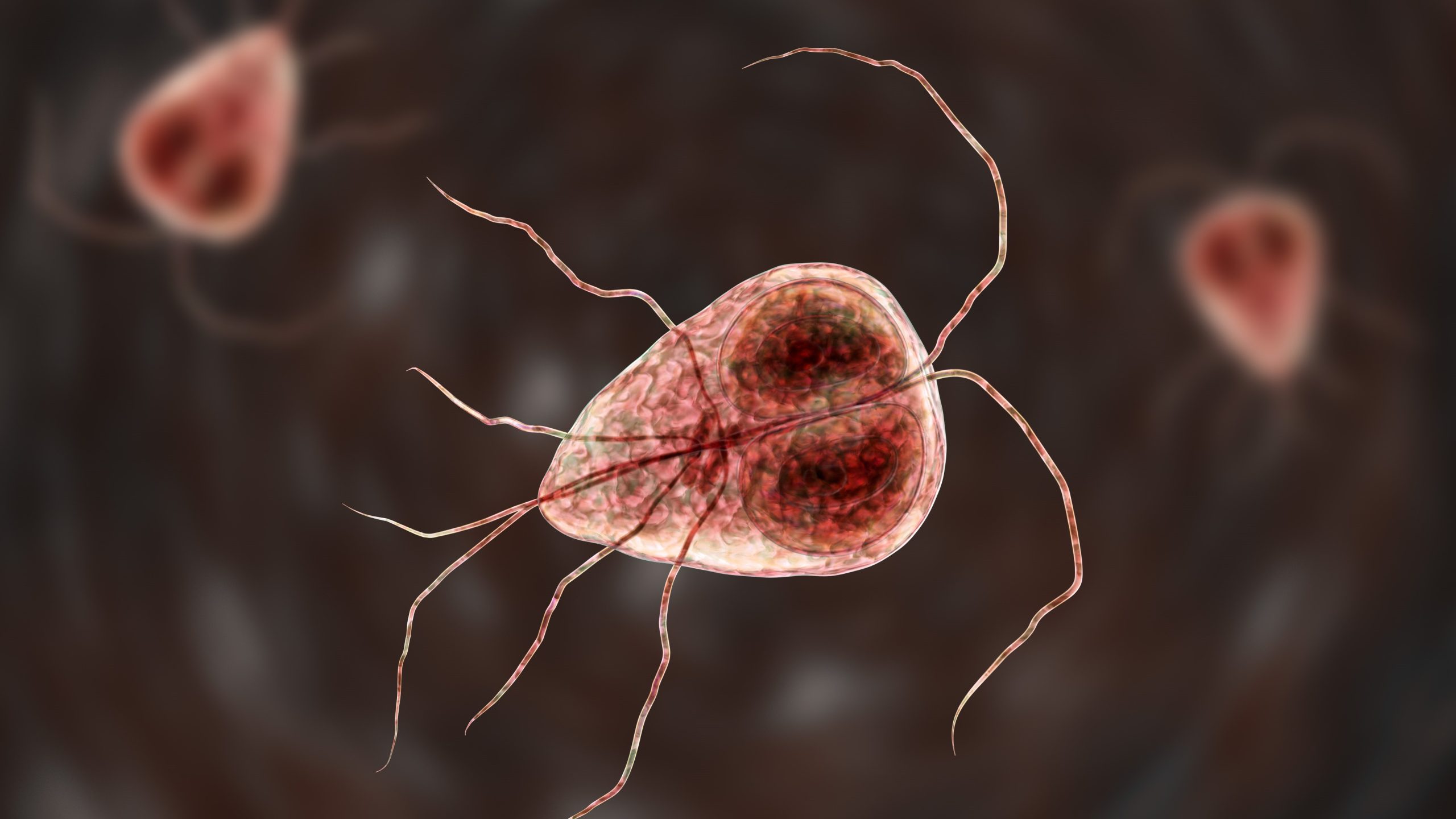
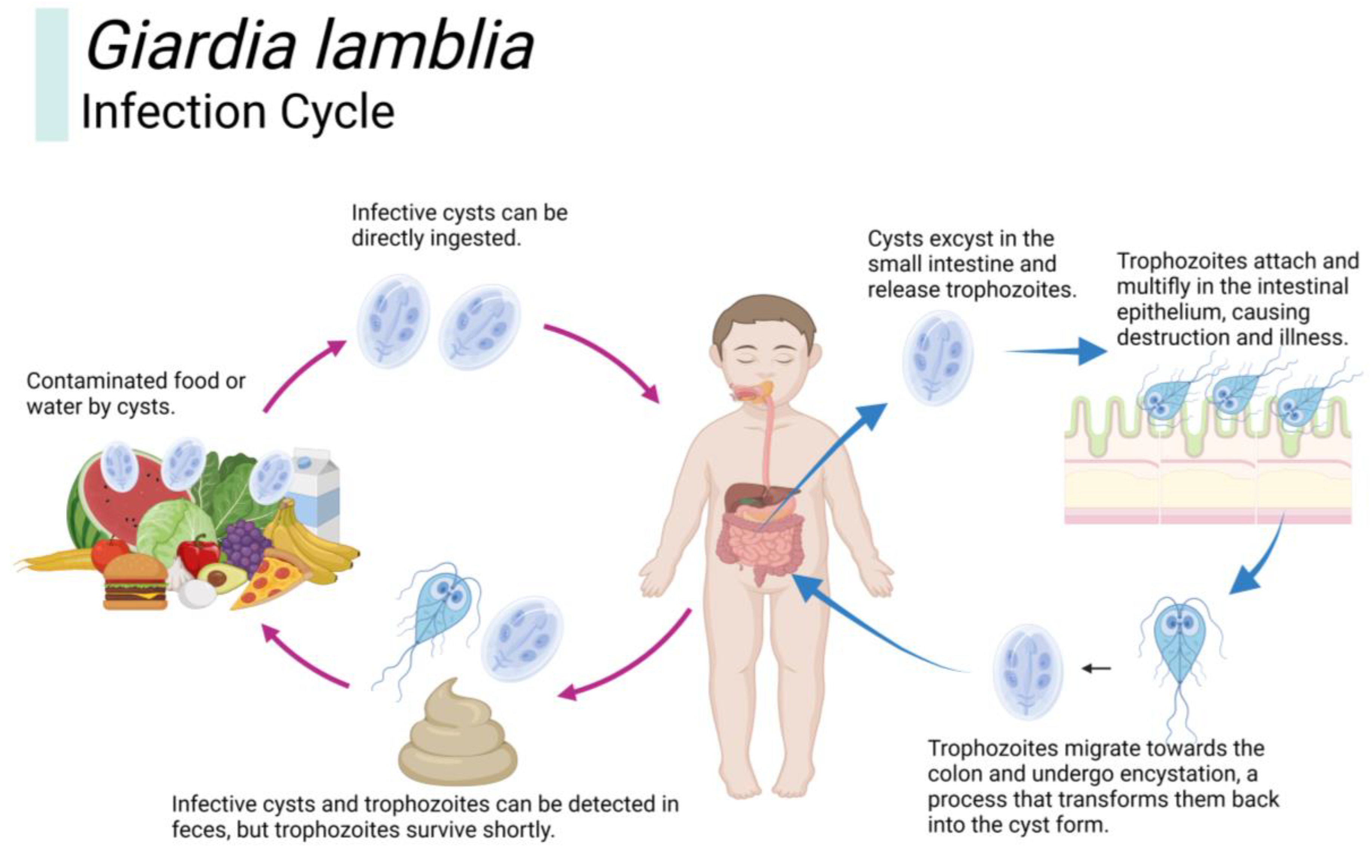
At the heart of giardiasis is a single-celled parasite. Giardia duodenalis exists in two forms: the cyst and the trophozoite. The cyst is the dormant, hardy stage that can survive outside the host in the environment, often in water and soil. These cysts are incredibly resilient and can remain infectious for extended periods, especially in cool, moist conditions. When ingested, the acidic environment of the stomach triggers the cyst to transform into the active trophozoite.
The trophozoite is the actively feeding and reproducing stage. It attaches itself to the lining of the small intestine, where it can interfere with the absorption of nutrients, particularly fats and carbohydrates. This interference is the primary cause of the symptoms associated with giardiasis. The trophozoites multiply through binary fission. When the parasite moves further down the digestive tract, into less acidic environments, it can revert back to the cyst form, which is then shed in the feces, completing the life cycle and allowing for further transmission.
Transmission Pathways: How Giardiasis Spreads
The transmission of Giardia duodenalis is primarily fecal-oral. This means the parasite is spread when microscopic cysts from the feces of an infected person or animal are ingested. This can happen through various routes:
- Contaminated Water: This is the most common mode of transmission. Drinking or using water that is contaminated with Giardia cysts, such as untreated surface water (lakes, streams, rivers), poorly maintained well water, or even municipal water systems that have been compromised, can lead to infection. Recreational activities in contaminated water, like swimming or wading, also pose a risk.
- Contaminated Food: Ingesting food that has come into contact with Giardia cysts can also cause infection. This can occur if fruits and vegetables are not thoroughly washed, or if food is prepared by an infected individual who hasn’t practiced good hygiene.
- Person-to-Person Contact: Direct contact with an infected individual, especially if proper hand hygiene is not followed, is another significant transmission route. This is particularly common in settings like daycare centers, nursing homes, and among close family members.
- Animal Contact: While less common than human-to-human or waterborne transmission, certain animals can carry Giardia and transmit it to humans. This can happen through direct contact with infected animals or by coming into contact with their feces. Animals like beavers, muskrats, dogs, cats, and livestock can all be carriers.
The ease with which Giardia cysts can spread highlights the importance of basic sanitation and hygiene practices, principles that are also vital in areas like digital security and maintaining a positive brand reputation.
Symptoms and Diagnosis: Recognizing the Signs
The incubation period for giardiasis, the time between exposure and the onset of symptoms, can vary widely, typically ranging from one to two weeks but sometimes extending to three weeks or more. Not everyone infected with Giardia will develop symptoms. Some individuals can be asymptomatic carriers, meaning they are infected and can shed cysts without experiencing any illness themselves, yet still contribute to the spread of the parasite.
For those who do develop symptoms, they can range from mild to severe and often include:
- Diarrhea: This is the hallmark symptom, often described as watery and foul-smelling. It can be intermittent, with periods of normal bowel movements interspersed with bouts of diarrhea.
- Abdominal Cramps and Pain: Discomfort and cramping in the abdominal area are very common.
- Bloating and Gas: An increased production of gas and a feeling of fullness or bloating are frequently reported.
- Nausea: A general feeling of sickness or an urge to vomit can occur.
- Fatigue: Many individuals experience a significant lack of energy and feel unusually tired.
- Weight Loss: Due to malabsorption of nutrients, particularly fats, unintentional weight loss can occur.
- Dehydration: Prolonged diarrhea can lead to dehydration, especially in children.
It’s important to note that these symptoms can overlap with other gastrointestinal illnesses, making a definitive diagnosis crucial.
Seeking Medical Attention and Diagnostic Methods
If you suspect you may have giardiasis, it’s essential to consult a healthcare professional. A proper diagnosis involves a combination of your medical history, symptom assessment, and laboratory testing.
-
Stool Tests: The most common method for diagnosing giardiasis is through stool examination. Several types of stool tests can be performed:
- Microscopic Examination: A laboratory technician examines a stool sample under a microscope to look for Giardia cysts or trophozoites. Multiple stool samples collected on different days may be required, as the shedding of cysts can be intermittent.
- Antigen Tests: These tests detect specific proteins (antigens) produced by the Giardia parasite in the stool. They are generally more sensitive and quicker than traditional microscopic examination.
- Molecular Tests (PCR): Polymerase Chain Reaction (PCR) tests are highly sensitive and specific for detecting Giardia DNA in stool samples.
-
Endoscopy: In some cases, if symptoms are persistent or a definitive diagnosis cannot be made through stool tests, a doctor might recommend an upper endoscopy. This procedure involves inserting a flexible tube with a camera down your throat to visualize the small intestine and potentially collect a tissue sample (biopsy) for examination.
Accurate diagnosis is key to effective treatment and preventing further spread, much like how precise market analysis is crucial for successful branding and investment strategies.
Treatment and Prevention: Managing and Avoiding Giardiasis
Fortunately, giardiasis is treatable. The primary treatment involves antiparasitic medications prescribed by a healthcare provider.
Medical Interventions
- Antiparasitic Medications: Common medications used to treat giardiasis include metronidazole, tinidazole, and nitazoxanide. These drugs work by killing the Giardia parasite. It’s crucial to complete the entire course of medication as prescribed, even if symptoms improve, to ensure the infection is fully eradicated. Side effects can occur, and it’s important to discuss these with your doctor.
- Symptomatic Relief: While the medication targets the parasite, managing symptoms is also important. This may involve:
- Hydration: Replacing lost fluids is vital, especially if experiencing diarrhea. Water, oral rehydration solutions, and clear broths are recommended.
- Dietary Adjustments: Some individuals may find relief by temporarily adjusting their diet to avoid foods that can worsen diarrhea, such as dairy products, fatty foods, and high-fiber items.
Proactive Prevention Strategies
Preventing giardiasis relies heavily on good hygiene and safe practices, particularly concerning water and food consumption.
- Water Safety:
- Drink Treated Water: Always drink water from approved public water systems. If you are unsure about the quality of your tap water, boil it for at least one minute or use a water filter certified to remove protozoa.
- Avoid Untreated Sources: Do not drink untreated water from lakes, streams, rivers, or springs, even if it looks clean.
- Safe Recreational Practices: Avoid swallowing water when swimming or playing in lakes, streams, or ponds.
- Food Safety:
- Wash Produce Thoroughly: Wash all fruits and vegetables meticulously with clean water before eating them.
- Cook Food Properly: Ensure food is cooked to the appropriate internal temperature, especially meats.
- Practice Good Kitchen Hygiene: Wash hands thoroughly with soap and water after using the restroom, changing diapers, and before preparing or eating food.
- Personal Hygiene:
- Frequent Handwashing: This is paramount. Wash your hands thoroughly with soap and water after using the toilet, changing diapers, and before eating or preparing food. This habit is as critical for preventing illness as robust digital security is for protecting data.
- Avoid Sharing Personal Items: Refrain from sharing towels, utensils, or drinking glasses with individuals who are ill.
- Animal Hygiene:
- Wash Hands After Contact: Always wash your hands thoroughly with soap and water after contact with animals, especially their feces.
Understanding and implementing these preventative measures can significantly reduce the risk of contracting and spreading giardiasis. This commitment to hygiene and safety mirrors the diligence required in maintaining a strong online presence, managing finances wisely, and staying informed about technological advancements. A healthy foundation allows us to fully engage with the dynamic world of tech, brand, and money.
aViewFromTheCave is a participant in the Amazon Services LLC Associates Program, an affiliate advertising program designed to provide a means for sites to earn advertising fees by advertising and linking to Amazon.com. Amazon, the Amazon logo, AmazonSupply, and the AmazonSupply logo are trademarks of Amazon.com, Inc. or its affiliates. As an Amazon Associate we earn affiliate commissions from qualifying purchases.