
In the landscape of contemporary marketing and corporate identity, few visual movements have achieved the ubiquitous success of the “Farmhouse Style.” While many view it simply as an interior design trend characterized by shiplap and neutral palettes, from a brand strategy perspective, Farmhouse Style represents one of the most successful lifestyle branding exercises of the 21st century. It is an aesthetic that transitioned from a regional architectural necessity to a global commercial powerhouse, dictating consumer behavior across retail, real estate, and digital media.
Understanding “What is Farmhouse Style” through the lens of brand identity requires looking past the reclaimed wood and into the psychological triggers of the modern consumer. It is a masterclass in how a brand can package nostalgia, authenticity, and simplicity to create a multi-billion-dollar market.

The DNA of the Farmhouse Brand: Authenticity and Aspiration
At its core, the Farmhouse Style brand is built upon the paradox of “attainable luxury.” Unlike the cold, sterile minimalism of high-modernism or the exclusionary opulence of traditional luxury, Farmhouse Style positions itself as a democratic aesthetic. It suggests that a high-quality, curated life is available to anyone with an appreciation for “the simple things.”
Defining the Visual Language of the Brand
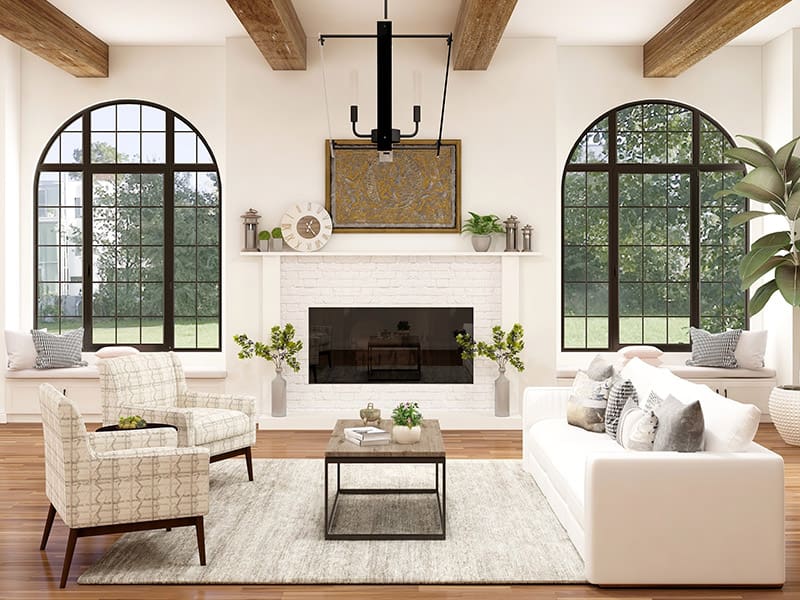
From a design strategy standpoint, the Farmhouse brand relies on a specific set of visual cues that signal reliability and heritage. The use of high-contrast palettes—specifically charcoal blacks against creamy whites—creates a visual clarity that performs exceptionally well on digital platforms like Instagram and Pinterest. The brand “textures” are equally important: matte metals, unfinished woods, and woven fibers. These elements communicate a “hand-crafted” narrative, even when the products are mass-produced. For a brand, this visual consistency is vital for instant recognition in a crowded marketplace.
The Psychology of Comfort in Marketing
The brilliance of the Farmhouse Style brand lies in its emotional resonance. In an era dominated by rapid technological change and urban density, the Farmhouse aesthetic offers a “counter-narrative” of stability and rural serenity. It taps into the “cottagecore” psychological profile—a desire to return to a perceived simpler time. Brands that adopt this style are not just selling furniture or home goods; they are selling an emotional sanctuary. This “comfort-first” marketing approach lowers consumer skepticism and builds long-term brand loyalty.
Case Study: The Magnolia Blueprint and the Democratization of Luxury
One cannot discuss the Farmhouse Style as a brand without analyzing the “Magnolia” effect. Chip and Joanna Gaines did not just host a television show; they architected a brand ecosystem that transformed Waco, Texas, into a pilgrimage site and created a blueprint for lifestyle branding that companies across all sectors now attempt to emulate.
From Niche to Mainstream: The Magnolia Strategy
The success of the Magnolia brand was predicated on the “founder-led” model. By centering the brand around a relatable family unit, the aesthetic became synonymous with a lifestyle. This moved the Farmhouse Style from a set of design rules to a “brand archetype.” The strategy involved taking the “Modern Farmhouse” concept and making it modular. Whether through their magazine, their retail silos, or their hospitality ventures, they maintained a cohesive brand voice that felt artisanal while operating at a massive scale.
Strategic Partnerships and Brand Extension
The true mark of the Farmhouse brand’s power was its ability to penetrate diverse market tiers. Through strategic partnerships with big-box retailers like Target (via the Hearth & Hand line), the Farmhouse Style proved its scalability. This brand extension allowed the aesthetic to reach the mass market without diluting its “premium” feel. It demonstrated that a brand can maintain a “boutique” soul even when its products are available in every zip code. For brand strategists, this is the ultimate goal: achieving ubiquity without losing the perception of exclusivity.
Building a “Farmhouse” Identity for Modern Businesses
For businesses outside the home decor space—such as artisanal coffee roasters, boutique law firms, or even tech startups—the principles of Farmhouse Style offer valuable lessons in brand positioning. It is about balancing the “old world” values of service and quality with “new world” efficiency and sleekness.
Balancing Tradition with Innovation
A successful Farmhouse-adjacent brand knows how to leverage heritage without appearing dated. This is often achieved through “Modern Farmhouse” branding, which strips away the cluttered “shabby chic” elements of the past in favor of clean lines and functionalism. For a modern business, this means using traditional typography (serif fonts that suggest history) paired with a modern, responsive user interface. It’s about signaling that your company has deep roots but is looking toward the future.
Storytelling Through Texture and Materiality
In the digital age, brand “touchpoints” are often limited to screens. The Farmhouse Style emphasizes the importance of tactile storytelling. Brands that adopt this ethos often invest heavily in their physical presence—from the paper stock of their business cards to the interior design of their brick-and-mortar locations. By using “honest” materials like brick, copper, and oak, a brand communicates transparency. In a world of “plastic” corporate identities, the Farmhouse Style uses materiality to say, “What you see is what you get.”
The Commercial Sustainability of Lifestyle Branding
Critics often dismiss Farmhouse Style as a passing trend, yet its persistence for over a decade suggests it has evolved into a “staple” brand category, much like Mid-Century Modern. For investors and brand owners, the question is how to sustain this identity as consumer tastes shift.
Navigating Over-Saturation and Market Fatigue
The primary risk to any dominant brand style is “over-exposure.” When every suburban development and fast-casual restaurant adopts the Farmhouse look, the brand equity of the style begins to erode. To combat this, savvy brands are evolving into “European Farmhouse” or “Industrial Farmhouse.” These iterations allow the brand to retain its core values (comfort and simplicity) while offering a fresh visual narrative to a market that may be experiencing “shiplap fatigue.” This ability to pivot while maintaining brand “DNA” is essential for long-term commercial viability.
Evolving the Aesthetic for a Digital-First Audience
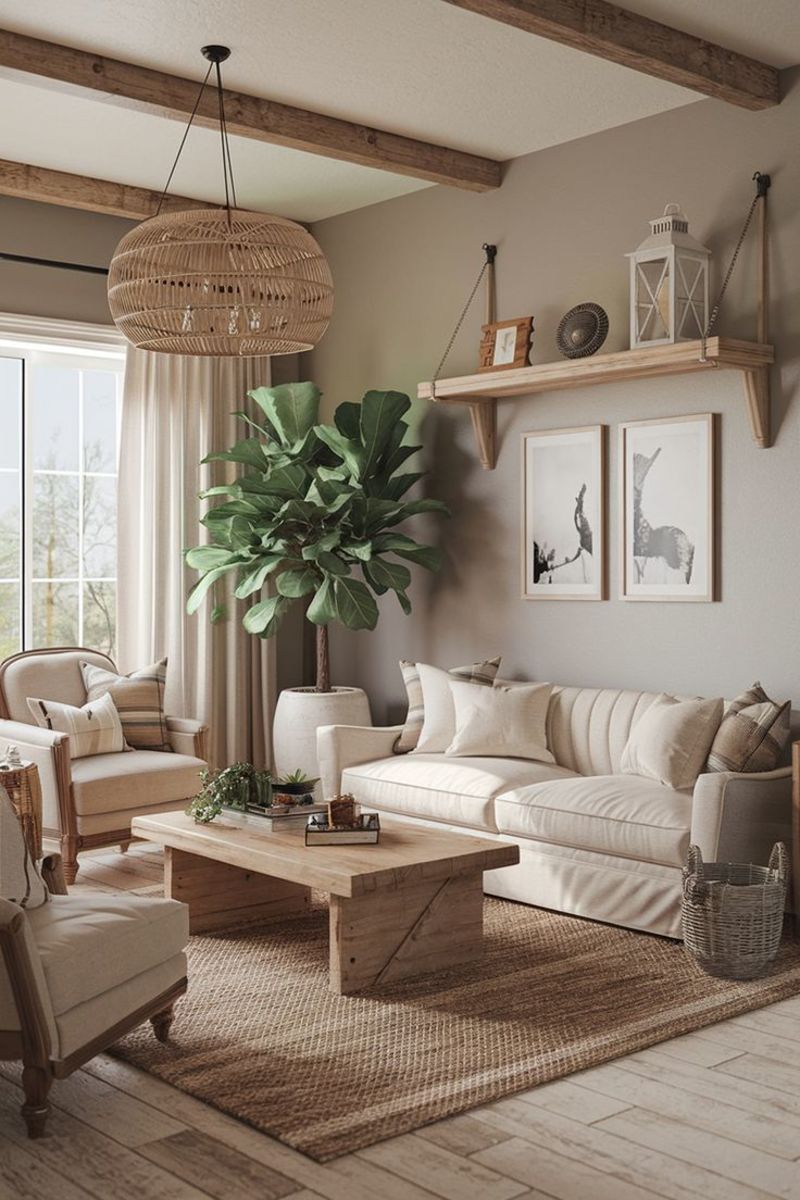
As the Farmhouse brand moves deeper into the 2020s, its survival depends on its digital adaptation. We are seeing a shift toward “Organic Modernism,” a digital-friendly evolution of the Farmhouse Style that uses softer shapes and more saturated earthy tones. For brands, this means moving away from the stark white “Fixer Upper” look toward a warmer, more nuanced palette that translates better to high-definition video and mobile shopping experiences. The brands that will survive are those that treat Farmhouse Style not as a static checklist, but as a living, breathing identity.
Conclusion: The Legacy of the Farmhouse Brand
What is Farmhouse Style? Beyond the sliding barn doors and the apron-front sinks, it is a masterclass in identity construction. It is a brand that succeeded because it spoke to a universal human desire for home, history, and honesty.
For the brand strategist, the Farmhouse movement teaches us that consumers do not just buy products; they buy into “worlds.” By creating a cohesive visual and emotional world, the Farmhouse Style became more than a trend—it became a permanent fixture of the commercial landscape. Whether you are building a personal brand or a corporate empire, the lessons of the Farmhouse are clear: lean into authenticity, prioritize the human experience, and never underestimate the power of a well-told story rooted in the simplicity of the past.
aViewFromTheCave is a participant in the Amazon Services LLC Associates Program, an affiliate advertising program designed to provide a means for sites to earn advertising fees by advertising and linking to Amazon.com. Amazon, the Amazon logo, AmazonSupply, and the AmazonSupply logo are trademarks of Amazon.com, Inc. or its affiliates. As an Amazon Associate we earn affiliate commissions from qualifying purchases.