
In the ever-evolving digital landscape, understanding the functionality and implications of social media features is crucial for individuals and businesses alike. Facebook, as one of the most dominant platforms, offers a myriad of tools and functionalities that can significantly impact how content is shared, discovered, and perceived. Among these, the act of “tagging” on Facebook is a seemingly simple yet profoundly powerful mechanism. This article delves into the multifaceted world of Facebook tags, exploring their technical underpinnings, their impact on branding and marketing, and their potential financial implications, all within the context of technology, brand strategy, and personal finance.
The Technical Underpinnings of Facebook Tagging
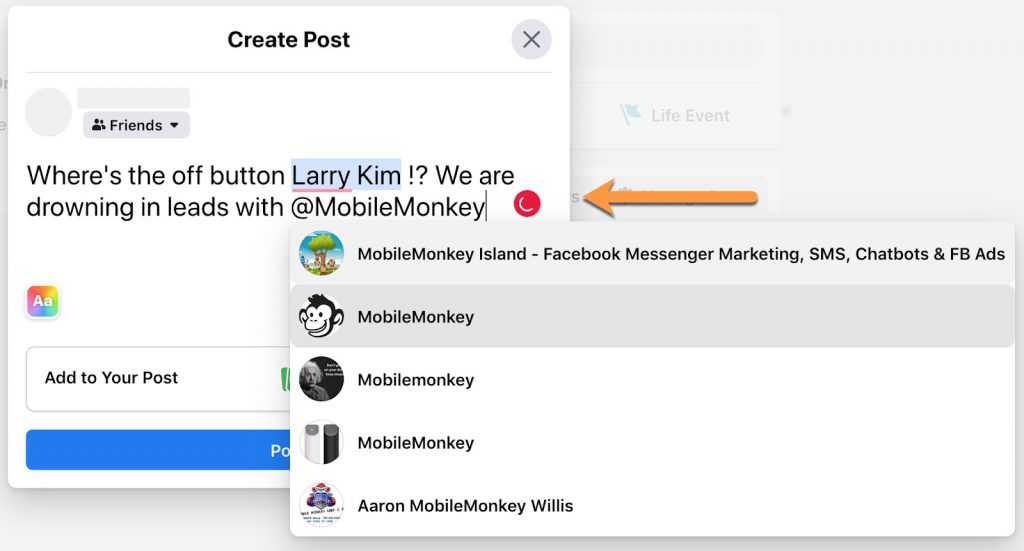
At its core, a Facebook tag is a digital annotation that links a specific user profile to a piece of content. This content can range from photos and videos to posts and even comments. Technically, when you tag someone in a photo, for instance, you are essentially creating a hyperlink from that photo to their profile. This action triggers a notification to the tagged individual, informing them that they have been associated with that content.
How Tagging Works Under the Hood
The underlying technology of Facebook tagging relies on user identification. Each Facebook user has a unique identifier (often an internal numerical ID). When a tag is applied, this identifier is linked to the specific content. For photos and videos, this is typically done by drawing a box around the recognized or manually identified face of the user within the media. For posts and comments, the tag is a direct mention of the user’s name, which Facebook then resolves to their unique ID.
This linking mechanism has several technical implications:
- Visibility and Notifications: The primary function of a tag is to increase visibility. Tagged users receive notifications, ensuring they are aware of the association. This is a core social networking feature, designed to foster interaction and engagement.
- Content Association and Discovery: Tags make content more discoverable. When someone views a tagged user’s profile, they can often see content in which they are tagged (depending on privacy settings). Similarly, searching for a user might surface posts they’ve been tagged in. This creates a web of interconnected content and user activity.
- Privacy Controls: Facebook provides robust privacy settings that allow users to control who can tag them and who can see posts they are tagged in. This technical control is essential for managing one’s online reputation and digital footprint. Users can review tags before they appear on their profile, remove tags, and even block users from tagging them altogether. This granular control is a testament to the sophisticated privacy architecture of the platform.
- Algorithm Influence: While not explicitly stated by Facebook, it’s widely understood that tagging, by increasing engagement and association, can indirectly influence the platform’s algorithms. Content with more tags and interactions might be prioritized in news feeds, further amplifying its reach.
Understanding these technical aspects is the first step in leveraging Facebook tagging effectively. It moves beyond a mere social gesture and highlights the underlying data connections that power the platform.
Branding and Marketing: The Power of the Tag
For brands and individuals seeking to build a strong online presence, Facebook tagging is an indispensable marketing tool. It’s a direct way to leverage the networks and influence of others, creating organic reach and driving engagement.
Leveraging Tags for Brand Visibility and Reach

- User-Generated Content (UGC) Amplification: When customers or partners tag your brand in their posts, photos, or reviews, it acts as a powerful endorsement. This user-generated content is often perceived as more authentic and trustworthy than traditional advertising. By tagging your brand, they are essentially bringing their followers into your brand’s ecosystem. For example, a restaurant tagging its satisfied customers in photos of their meals can encourage those customers to share and tag others, creating a viral effect.
- Collaborative Marketing and Influencer Engagement: Brands can strategically tag influencers, partners, or collaborators in their posts. This not only alerts them to the content but also encourages them to share it with their own audiences, expanding the brand’s reach exponentially. A clothing brand tagging a fashion influencer in a new product launch post can drive significant traffic and interest if the influencer shares it with their followers.
- Event Promotion and Community Building: During events, brands can encourage attendees to tag the official event page or their brand page. This creates a dynamic, real-time feed of event experiences and fosters a sense of community. Photos and posts from attendees, tagged and shared, become organic advertisements for future events.
- Targeted Advertising and Audience Insights: While not a direct tagging feature for advertising, understanding who tags your brand and who your brand tags can provide valuable insights into your audience demographics and their interests. This data can inform future marketing strategies and refine ad targeting.
Strategic Tagging for Personal Branding
For individuals, particularly professionals and thought leaders, strategic tagging is vital for personal branding:
- Networking and Relationship Building: Tagging relevant individuals in posts that showcase your expertise or achievements can subtly reinforce your connections and expertise. For instance, if you’ve contributed to a project, tagging your colleagues and manager in a post about the project’s success can highlight your collaborative spirit and contribution.
- Establishing Authority: Tagging recognized experts or organizations in discussions related to your field can position you as someone who is engaged with industry leaders and informed about current trends.
- Curating Your Digital Identity: By being mindful of who you tag and who tags you, you curate your online persona. A consistent and thoughtful approach to tagging can build a reputation for professionalism and expertise.
The strategic use of Facebook tags transforms a simple social interaction into a powerful branding and marketing engine, driving visibility, credibility, and engagement.
Financial Implications: The Tangible and Intangible Value of Tags
While often overlooked, Facebook tagging can have both direct and indirect financial implications, impacting individuals and businesses in various ways.
Direct Financial Benefits and Opportunities
- Lead Generation and Sales: For businesses, increased visibility and engagement driven by effective tagging can directly translate into leads and sales. A well-tagged post featuring a product or service that resonates with a wider audience can prompt clicks to a website, inquiries, and ultimately, purchases.
- Partnership and Sponsorship Opportunities: For individuals with a strong personal brand built through strategic tagging and engagement, opportunities for sponsorships, paid collaborations, and affiliate marketing can arise. Brands are more likely to partner with individuals who demonstrate an engaged following and a clear ability to influence purchasing decisions.
- Enhanced Employability: For professionals, a well-curated Facebook profile with strategic tags showcasing achievements, industry involvement, and positive endorsements can make them more attractive to potential employers. This can lead to better job offers and career advancement.
Indirect Financial Value and Reputation Management
- Brand Reputation and Trust: Positive tags from customers, partners, and influencers build brand reputation and trust, which are invaluable intangible assets. A strong reputation can lead to customer loyalty, reduced marketing costs, and a higher valuation for businesses. Conversely, negative or unmanaged tags can damage reputation and lead to financial losses.
- Cost-Effective Marketing: Compared to traditional advertising, leveraging Facebook tagging for organic reach is often a highly cost-effective marketing strategy. It taps into existing social networks and relies on user advocacy, reducing the need for significant ad spend.
- Market Intelligence and Competitive Analysis: By observing who is tagging competitors and who is being tagged by them, businesses can gain valuable market intelligence. This can inform pricing strategies, product development, and competitive positioning, indirectly impacting financial performance.
The financial impact of Facebook tagging is a testament to the platform’s ability to bridge social interaction with tangible business outcomes. By understanding and strategically utilizing this feature, individuals and businesses can unlock new avenues for growth and profitability.
In conclusion, the seemingly simple act of “tagging” on Facebook is a complex and powerful feature with far-reaching implications across technology, branding, and finance. From its technical architecture that enables connectivity and discovery to its strategic application in marketing and personal branding, and its tangible impact on financial outcomes, a comprehensive understanding of Facebook tags is essential for navigating the modern digital landscape. By mastering the nuances of this tool, users can effectively enhance their visibility, build stronger connections, and ultimately, achieve their personal and professional goals.
aViewFromTheCave is a participant in the Amazon Services LLC Associates Program, an affiliate advertising program designed to provide a means for sites to earn advertising fees by advertising and linking to Amazon.com. Amazon, the Amazon logo, AmazonSupply, and the AmazonSupply logo are trademarks of Amazon.com, Inc. or its affiliates. As an Amazon Associate we earn affiliate commissions from qualifying purchases.