
The financial world is a vast and complex landscape, with countless avenues for growth, investment, and technological innovation. Within this intricate ecosystem, one term often surfaces with a mixture of intrigue and confusion: “FX.” While seemingly a simple abbreviation, “FX” unlocks the door to one of the largest and most dynamic markets in the global economy – the foreign exchange market. Understanding what FX truly represents is the first step towards navigating its opportunities, whether you’re a seasoned investor, a budding entrepreneur, or simply someone curious about the forces that shape global commerce.
This article delves into the multifaceted world of FX, exploring its core principles, its profound impact across the domains of Tech, Brand, and Money, and how understanding this market can be a powerful asset in your personal and professional life.
Understanding the Fundamentals of Foreign Exchange (FX)
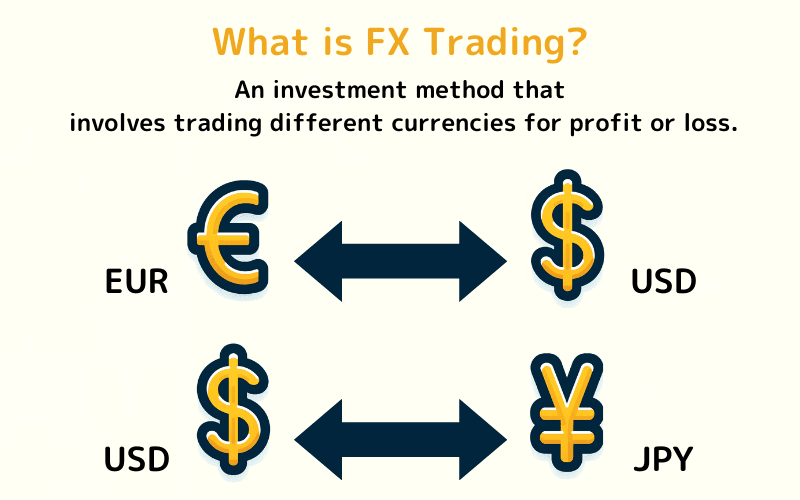
At its most basic level, FX is shorthand for Foreign Exchange. It refers to the trading of one currency for another. Imagine you’re traveling abroad. You need to exchange your home currency (e.g., US Dollars) for the local currency (e.g., Euros) to make purchases. This simple act of currency conversion is a micro-level example of foreign exchange.
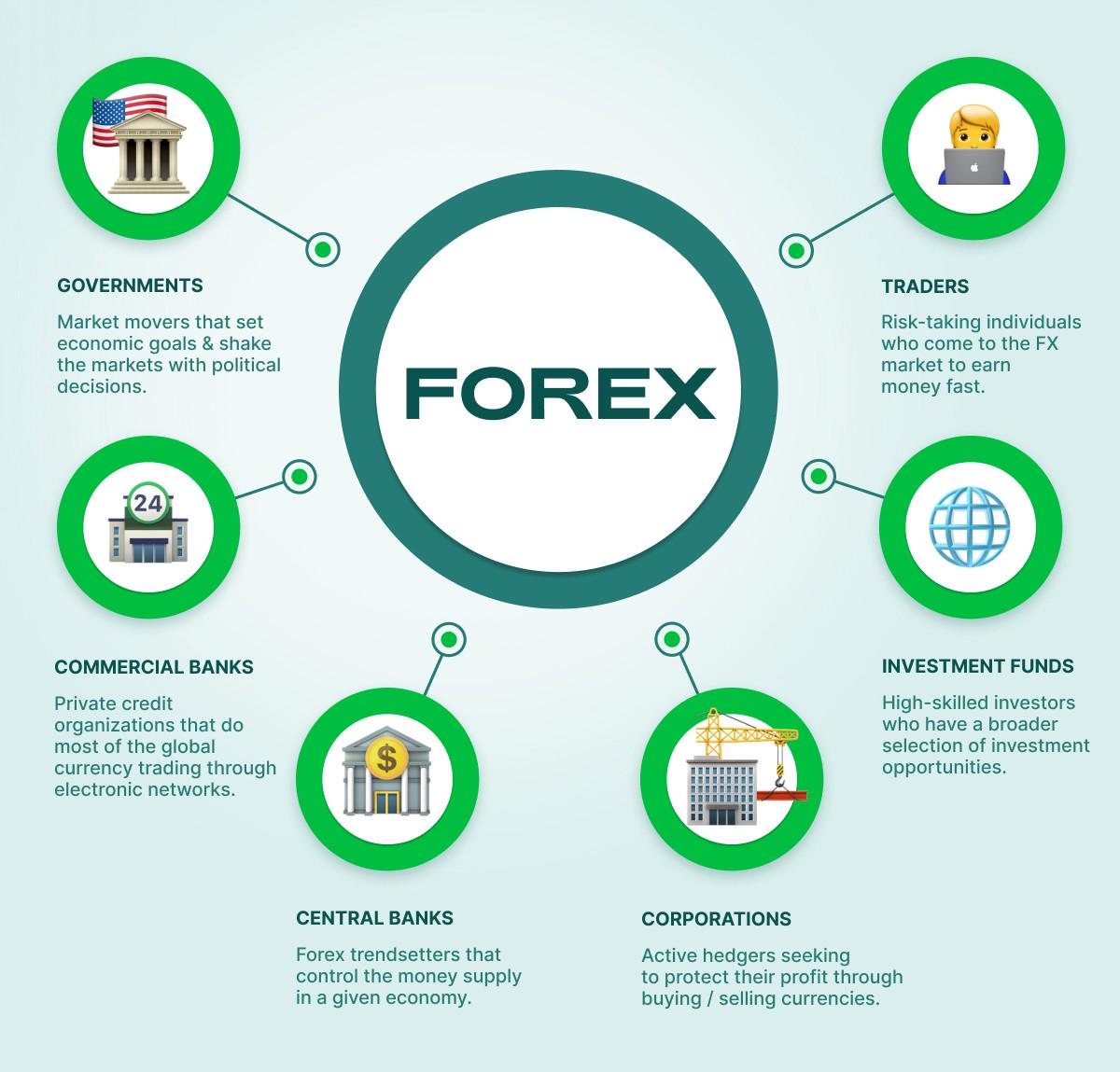
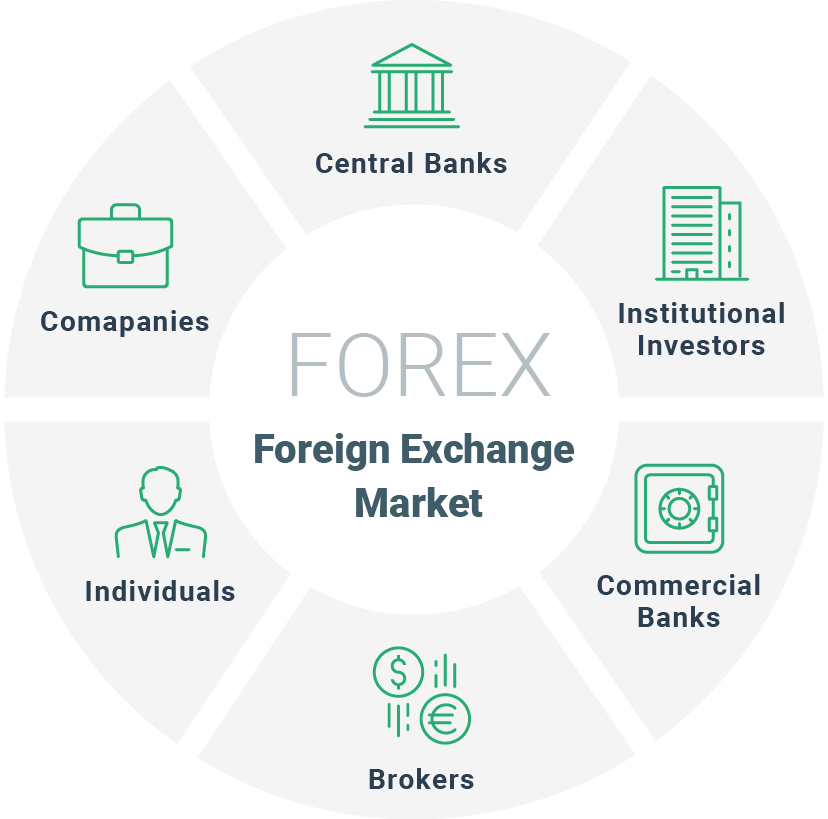
However, the FX market is infinitely more complex and voluminous. It’s a global, decentralized marketplace where banks, financial institutions, corporations, governments, and individual traders buy and sell currencies. The primary purpose of this market is to facilitate international trade and investment by enabling the conversion of currencies. Without a robust FX market, conducting business across borders would be logistically challenging, if not impossible.
The FX market operates 24 hours a day, five days a week, across major financial centers like London, New York, Tokyo, and Sydney. This constant activity is driven by a multitude of factors, including economic indicators, political events, interest rates, and market sentiment. The prices of currency pairs (e.g., EUR/USD, GBP/JPY) fluctuate constantly, creating opportunities for profit but also inherent risks.
Key Concepts in FX Trading
To grasp the essence of FX, several key concepts are crucial:
- Currency Pairs: Currencies are always traded in pairs. The first currency is called the “base currency,” and the second is the “quote currency.” For instance, in EUR/USD, the Euro is the base currency, and the US Dollar is the quote currency. The exchange rate indicates how much of the quote currency is needed to buy one unit of the base currency.
- Exchange Rates: The exchange rate is the value of one currency expressed in terms of another. These rates are dynamic and influenced by supply and demand, economic policies, and geopolitical events.
- Forex Brokers: For individual traders to access the FX market, they typically do so through forex brokers. These platforms provide trading accounts and the necessary tools to execute buy and sell orders.
- Leverage: Many FX brokers offer leverage, allowing traders to control a larger position with a smaller amount of capital. While leverage can amplify profits, it also significantly magnifies losses, making it a high-risk tool.
- Pips: A “pip” (percentage in point) is the smallest unit of price movement in the forex market. It represents the change in the exchange rate of a currency pair.
The FX market is not just about speculation; it’s the bedrock of global commerce. Understanding its mechanics is vital for anyone involved in international business, finance, or even technologically driven global services.
FX’s Pervasive Influence Across Tech, Brand, and Money
The foreign exchange market is not an isolated entity; its ripples extend far and wide, profoundly impacting the interconnected domains of Technology, Brand, and Money.
The Tech Nexus: How FX Fuels Digital Innovation and Global Reach
Technology and FX are inextricably linked, each driving the other’s evolution. The digital revolution has transformed how FX trading is conducted, making it more accessible, efficient, and data-driven.
1. Technological Advancements in Trading Platforms:
The rise of sophisticated trading platforms has democratized access to the FX market. Gone are the days when only institutional players could participate. Today, intuitive mobile apps and web-based interfaces, powered by advanced algorithms and real-time data feeds, allow individuals to trade FX from anywhere in the world. These platforms are a testament to technological prowess, offering charting tools, technical indicators, and even automated trading bots.
- AI and Machine Learning in FX: Artificial intelligence (AI) and machine learning (ML) are revolutionizing FX trading. These technologies analyze vast datasets to identify patterns, predict market movements, and optimize trading strategies. AI-powered tools can sift through news, economic reports, and social media sentiment to provide traders with actionable insights, enhancing their decision-making capabilities.
- Blockchain and Decentralized Finance (DeFi): While still nascent in the traditional FX space, blockchain technology and Decentralized Finance (DeFi) hold the potential to disrupt currency exchange. Blockchain offers the possibility of faster, cheaper, and more transparent cross-border transactions, potentially bypassing traditional intermediaries and reducing settlement times.
- Fintech Innovations: Financial technology (Fintech) companies are at the forefront of integrating new technologies into FX services. They are developing innovative payment gateways, digital wallets, and cross-border remittance solutions that leverage FX principles to facilitate seamless international money transfers for individuals and businesses alike. This not only makes transactions easier but also drives demand for efficient currency conversion mechanisms.
2. Global Reach and Software/App Development:
For software developers and app creators, understanding FX is paramount when building products with a global user base.
- International Pricing and Monetization: If your app or software is intended for a global audience, you must consider how currency fluctuations will impact your pricing and revenue streams. Dynamic pricing strategies that adjust based on exchange rates can ensure consistent profitability across different markets.
- Payment Gateways and Integrations: Integrating with international payment gateways requires an understanding of how FX rates affect transaction costs and the final amount received by the business. Developers need to ensure their systems can accurately handle currency conversions and fees.
- Digital Security in Cross-Border Transactions: As more financial transactions occur digitally across borders, robust digital security measures become crucial. Protecting user data and financial information from cyber threats in the context of FX transactions is a significant challenge that technology is continuously addressing.
In essence, the technological infrastructure supporting FX trading and the application of FX principles in tech product development are deeply intertwined, driving innovation and enabling a truly global digital economy.
The Brand Connection: How FX Shapes Global Market Perception and Strategy
A strong brand is built on trust, recognition, and consistent value delivery. In a globalized world, the foreign exchange market plays a silent yet significant role in shaping how brands are perceived and how their strategies are executed internationally.
1. International Marketing and Advertising Costs:
For multinational corporations, FX rates directly influence the cost of their global marketing and advertising campaigns.
- Advertising Spend in Foreign Markets: When a company advertises in a foreign country, the cost of media space, creative production, and agency fees are often denominated in the local currency. Fluctuations in the exchange rate can make these campaigns more or less expensive for the parent company, impacting budget allocations and the return on investment (ROI) for their marketing efforts.
- Brand Messaging Consistency: While core brand messaging aims for consistency, the translation and localization of marketing materials need to consider cultural nuances and, indirectly, the economic perception of the brand in different regions, which can be influenced by currency strength.
2. Corporate Identity and Global Reputation:
A company’s financial health and stability, often influenced by FX exposure, can impact its perceived strength and reliability as a brand.
- Financial Performance and Investor Confidence: Companies heavily involved in international trade or with significant foreign assets are exposed to currency risks. Unfavorable FX movements can negatively impact their reported earnings, which can, in turn, affect investor confidence and the overall perception of the brand as a stable and profitable entity. Conversely, favorable FX movements can boost financial performance, projecting an image of success.
- Brand Value and Currency Devaluation/Appreciation: While not a direct cause-and-effect, extreme currency devaluation in a key market can sometimes be associated with economic instability, which might indirectly color consumer perception of brands operating heavily in that region. Conversely, a strong and stable currency can be seen as a sign of a robust economy, potentially bolstering the perceived value of brands operating within it.
3. Case Studies in Brand Global Expansion:
Successful global brands often demonstrate a keen understanding of FX dynamics in their expansion strategies.
- Strategic Pricing for Market Entry: When entering new markets, companies must strategically price their products, taking into account the current FX rates and anticipated future movements. This ensures competitive pricing while maintaining profitability. For instance, a tech company launching a new gadget might adjust its US dollar price based on the exchange rate in Europe to ensure the Euro price remains attractive to consumers.
- Managing Supply Chain Costs: For brands with global supply chains, the cost of raw materials, manufacturing, and logistics are often paid in different currencies. Effective FX risk management is crucial to stabilize these costs and prevent them from eroding profit margins. A fashion brand sourcing materials from Asia and selling in the US needs to manage the USD/CNY exchange rate.
Ultimately, a brand’s global reach and reputation are intricately linked to its ability to navigate the complexities of international finance, with FX being a cornerstone of that understanding.
The Money Matters: FX as a Cornerstone of Personal and Business Finance
The domain of “Money” is perhaps where the impact of FX is most directly felt, both for individuals and businesses. It’s not just about investment opportunities; it’s about the very fabric of financial transactions and wealth management.
1. Personal Finance and Global Investments:
For individuals, understanding FX can unlock new avenues for financial growth and protection.
- International Investments: Investing in foreign stocks, bonds, or real estate exposes individuals to FX risk. If you invest in a European company and the Euro depreciates against your home currency, the value of your investment will decrease when converted back, even if the company’s stock price has risen in Euros. Conversely, a strengthening Euro could boost your returns.
- Travel and Overseas Spending: As mentioned earlier, basic currency exchange for travel is a fundamental FX transaction. However, making informed decisions about when to exchange money, using travel-friendly credit cards, or even considering foreign currency accounts can help mitigate losses due to unfavorable exchange rates.
- Remittances and Supporting Family Abroad: For individuals sending money to family members overseas, understanding FX is vital to maximize the amount received by the recipient. Choosing remittance services with competitive FX rates and low fees can make a significant difference.
2. Online Income and Global Earning Potential:
The digital economy has blurred geographical boundaries, creating opportunities for individuals to earn income from anywhere in the world.
- Freelancing and Gig Economy: Freelancers and individuals earning income through online platforms often receive payments in different currencies. Managing these payments efficiently and understanding FX rates is crucial to ensure they are receiving the full value of their work. A web designer in India earning USD for a client in the US needs to be aware of the INR/USD exchange rate.
- E-commerce and Cross-Border Sales: Online retailers selling products internationally face direct FX exposure. They must factor in currency conversion fees and exchange rate fluctuations when setting prices and managing their profit margins.
3. Business Finance and Financial Tools:
For businesses, FX management is not just an option; it’s a necessity for survival and growth in a globalized marketplace.
- Managing Transaction Exposure: Businesses that import or export goods and services are exposed to transaction exposure, meaning the value of their future payments or receipts can change due to FX fluctuations. Hedging strategies, such as forward contracts or options, are employed to mitigate this risk.
- Translating Financial Statements: Multinational corporations must translate their financial statements into their reporting currency, which involves complex accounting standards for foreign currency translation. FX rates play a critical role in accurately reflecting the company’s financial health.
- Financial Tools for FX Management: A range of financial tools and services are available to businesses for managing FX risk. These include specialized banking services, trading platforms, and financial advisory firms that offer expertise in currency risk management.
In the realm of Money, FX is the invisible force that underpins international transactions, investment performance, and the very concept of value across borders.
Conclusion: Embracing the FX Landscape for a Connected Future
The term “FX,” or Foreign Exchange, encapsulates a market of immense scale and profound influence. It’s the silent engine driving global trade, shaping international investment, and impacting the digital economy. From the sophisticated algorithms powering AI-driven trading tools to the branding strategies of multinational corporations and the personal finance decisions of individuals, FX is a pervasive force.
As technology continues to advance, making the world more interconnected, understanding the principles of foreign exchange will become increasingly valuable. Whether you’re a tech entrepreneur looking to expand your reach, a brand manager aiming for global resonance, or an individual seeking to optimize your personal finances, a grasp of FX will equip you with a critical advantage. It empowers you to make more informed decisions, navigate risks effectively, and ultimately, thrive in the dynamic and ever-evolving global landscape. The world of FX is complex, but by demystifying its fundamentals and recognizing its pervasive influence across Tech, Brand, and Money, you can unlock new opportunities and secure a more prosperous future.