
The term “eczema” might conjure images of itchy, inflamed skin, but understanding this common dermatological condition goes beyond the surface. In our modern world, where technology permeates every aspect of our lives, brands shape our perceptions, and financial well-being is a constant pursuit, a comprehensive understanding of eczema is more relevant than ever. This article aims to demystify eczema, exploring its nature, triggers, and management, all through the lens of our interconnected and ever-evolving society.
Unpacking Eczema: The Science and the Symptoms
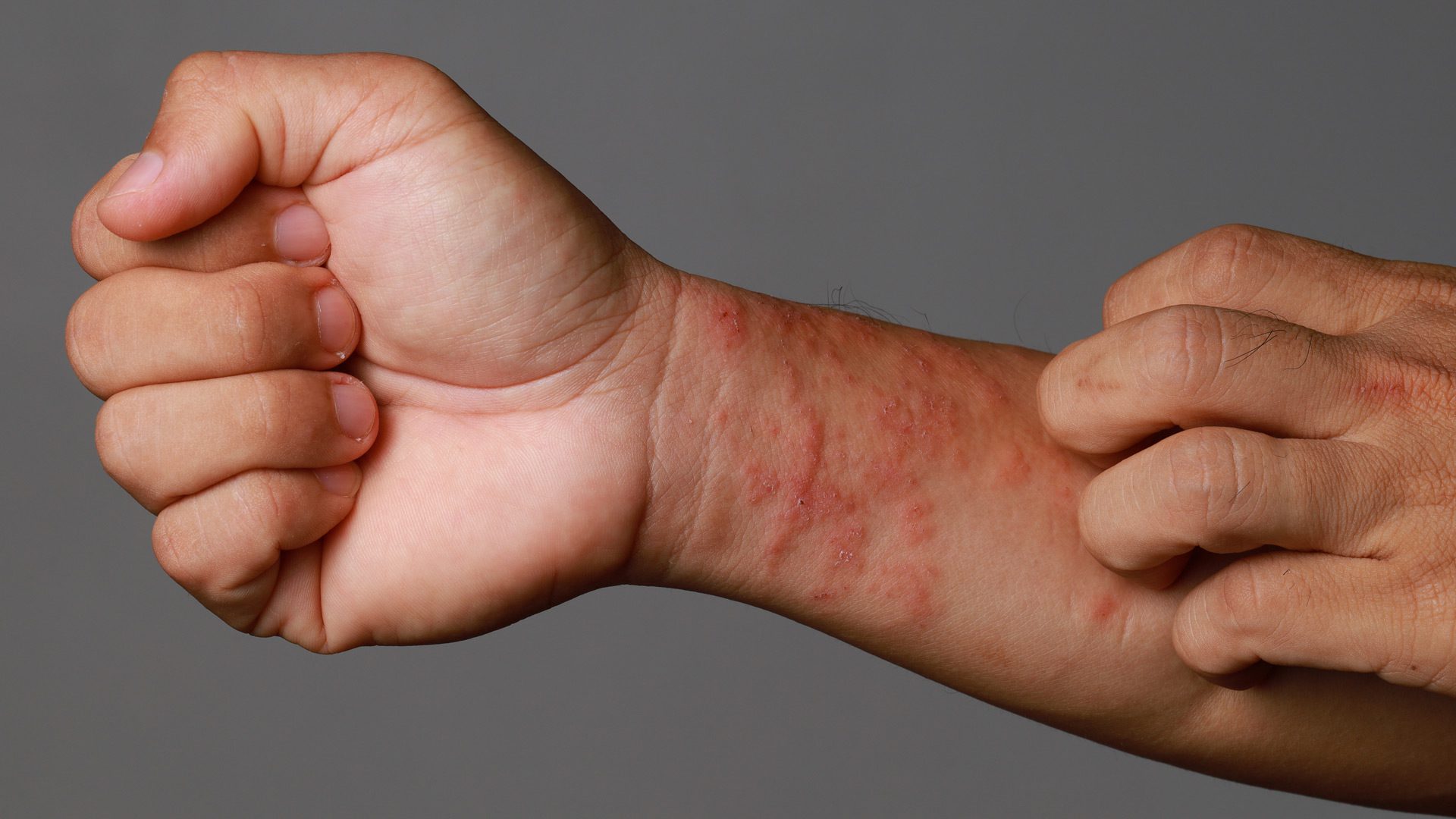
At its core, eczema, also known as atopic dermatitis, is a chronic inflammatory skin condition characterized by dry, itchy, and inflamed patches of skin. While the exact cause remains elusive, it’s understood to be a complex interplay of genetic predisposition, immune system dysfunction, and environmental factors. The skin’s barrier function is compromised, making it more susceptible to irritants and allergens.
The Skin Barrier: A Crucial Defense Mechanism
Think of your skin as a sophisticated wall protecting your body from the outside world. This wall is made up of several layers, with the outermost layer, the stratum corneum, acting as a vital barrier. It comprises skin cells (keratinocytes) embedded in a lipid matrix, effectively keeping moisture in and harmful substances out. In individuals with eczema, this barrier is weakened. The lipids are not produced efficiently, and the connections between skin cells are looser. This leads to increased transepidermal water loss (TEWL), resulting in dry, flaky skin that’s prone to irritation and infection.
The immune system also plays a significant role. In eczema, the immune system is overactive, responding aggressively to stimuli that a healthy immune system would ignore. This triggers inflammation, leading to the characteristic redness, swelling, and intense itching associated with the condition. This inflammatory response can be a vicious cycle: the more you scratch, the more you damage the skin barrier, leading to further inflammation and itching.
Recognizing the Signs: Common Symptoms of Eczema
The presentation of eczema can vary greatly from person to person and can change over time. However, some common symptoms include:
- Intense Itching (Pruritus): This is arguably the hallmark symptom of eczema. The itching can be severe, often worse at night, disrupting sleep and significantly impacting quality of life. The urge to scratch can be overwhelming, leading to further skin damage.
- Redness and Inflammation: Affected areas of the skin become visibly red and inflamed. The intensity of redness can range from mild pink to deep crimson.
- Dryness and Flakiness: The compromised skin barrier leads to significant dryness. The skin may appear scaly, with flakes peeling off.
- Cracking and Weeping: In more severe flare-ups, the skin can crack, leading to small fissures. These cracks can sometimes weep clear fluid or blood, especially if scratched.
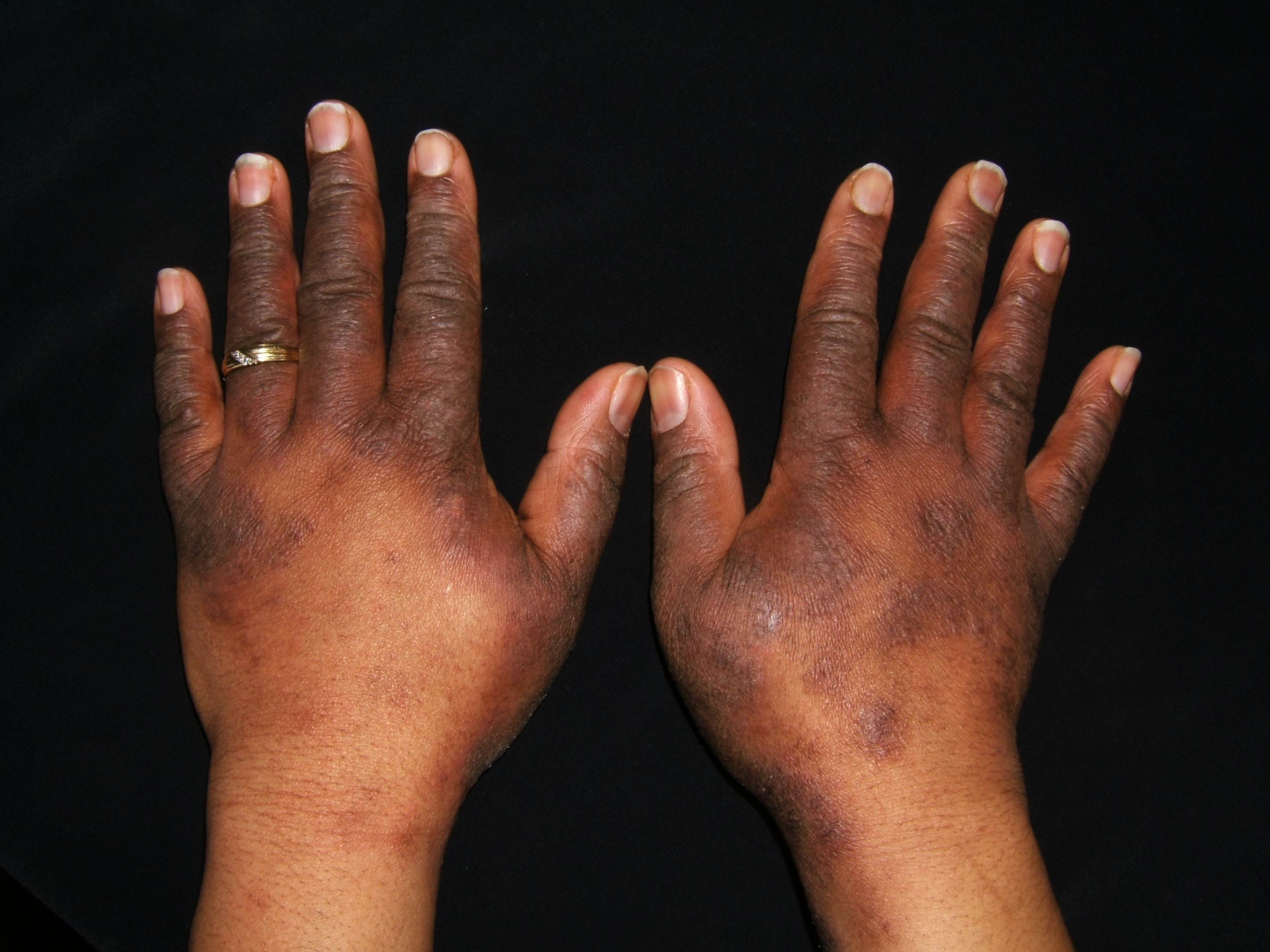
- Thickened Skin (Lichenification): Chronic scratching and rubbing can lead to the skin becoming thickened and leathery. This is a long-term consequence of persistent inflammation.
- Changes in Skin Color: After the inflammation subsides, the affected skin may become darker or lighter than the surrounding skin.
The location of eczema also varies. In infants, it commonly appears on the face, scalp, and extensor surfaces of the limbs. In older children and adults, it often affects the creases of the elbows and knees, wrists, ankles, and neck.
Navigating Triggers and Environmental Influences in a Digital Age
Understanding what triggers eczema flare-ups is crucial for effective management. In our increasingly digitized world, many common triggers are intertwined with our daily technological routines, brand interactions, and financial considerations.
The Role of Irritants and Allergens
Eczema flare-ups can be provoked by contact with a variety of substances that irritate or trigger an allergic reaction in the skin. These can include:
- Soaps and Detergents: Harsh soaps and laundry detergents can strip the skin of its natural oils, further compromising the barrier function. Many brands market “gentle” or “hypoallergenic” products, but individual sensitivities vary.
- Fragrances: Perfumes and fragranced personal care products are common culprits. The chemical compounds in fragrances can be highly irritating to sensitive skin.
- Fabrics: Wool and synthetic fabrics can be abrasive and trap heat, leading to irritation. Natural, breathable fabrics like cotton are often recommended.
- Chemicals: Exposure to certain chemicals in cleaning products or industrial settings can also trigger eczema.
- Metals: Nickel, a common metal found in jewelry and some clothing fasteners, can cause allergic contact dermatitis, which can sometimes overlap with or exacerbate eczema.
Allergens: The Immune System’s Misdirection
Beyond irritants, allergens can also trigger eczema. These are substances that a sensitized immune system overreacts to. Common allergens include:
- Pollen: Seasonal allergens can trigger eczema in susceptible individuals.
- Dust Mites: These microscopic creatures found in household dust are a common indoor allergen. Maintaining a clean, dust-free environment can be challenging in our modern, often cluttered living spaces.
- Pet Dander: The microscopic flakes of skin shed by animals like cats and dogs can be a significant allergen.
- Certain Foods: While food allergies are less common triggers for eczema than environmental factors, for some individuals, certain foods like dairy, eggs, nuts, and soy can worsen symptoms. Identifying these can involve meticulous tracking, which can be aided by digital tools.
The Impact of Stress and Lifestyle Choices
In our fast-paced, high-pressure lives, stress is an almost ubiquitous factor. The connection between stress and eczema is well-established. When we experience stress, our bodies release hormones that can exacerbate inflammation, including in the skin. This highlights the importance of self-care and stress management techniques, often discussed within personal branding and productivity frameworks.
Lifestyle choices, such as diet and sleep patterns, also play a role. A diet rich in anti-inflammatory foods can be beneficial, while poor sleep can impair the body’s ability to heal and regulate inflammatory responses.
Managing Eczema: Strategies for a Healthier You in a Connected World
Living with eczema requires a proactive and multifaceted approach to management. In today’s world, technology, informed brand choices, and financial planning all play a part in optimizing well-being.
The Pillars of Eczema Care: Moisturizing and Gentle Cleansing
The cornerstone of eczema management is maintaining skin hydration and protecting the skin barrier.
Moisturizing: The Daily Essential
Consistent and liberal application of moisturizers is paramount. These products help to replenish lost moisture, repair the skin barrier, and reduce dryness and itching. Look for:
- Emollients: These are thick, creamy lotions or ointments that smooth and soften the skin. Ingredients like ceramides, hyaluronic acid, and shea butter are often beneficial.
- Fragrance-Free and Hypoallergenic Products: As mentioned, fragrances and other potential irritants can worsen eczema. Choosing products specifically formulated for sensitive skin is crucial. This is where informed Brand choices become important. Researching and selecting brands known for their dermatologically tested and gentle formulations can make a significant difference.
- Application Technique: Apply moisturizers generously and frequently, especially after bathing or showering, to lock in moisture. The “soak and seal” method, where you apply moisturizer to damp skin, is highly effective.
Gentle Cleansing: Preserving the Barrier
The way you cleanse your skin is as important as how you moisturize.
- Lukewarm Water: Hot water can strip the skin of its natural oils. Opt for lukewarm water when bathing or showering.
- Short Showers/Baths: Limit bath or shower time to 5-10 minutes to prevent excessive drying.
- Mild Cleansers: Use mild, fragrance-free, and soap-free cleansers. Avoid harsh bar soaps, which can be very drying. Again, brand research is key to finding suitable products.
Leveraging Technology for Eczema Management
The digital landscape offers numerous tools and resources to aid in eczema management.
- Symptom Tracking Apps: Numerous Apps are available that allow individuals to track their eczema symptoms, potential triggers, and the effectiveness of treatments. This data can be invaluable for identifying patterns and communicating with healthcare providers. AI Tools can even analyze this data to suggest personalized insights and potential triggers.
- Educational Resources: Websites and online forums dedicated to eczema provide a wealth of information, support, and community. Staying informed about the latest research and management strategies is crucial.
- Telemedicine: For individuals living in remote areas or those with mobility issues, telemedicine offers a convenient way to consult with dermatologists and other healthcare professionals.
- Smart Devices: While still emerging, some Gadgets are being developed to monitor skin hydration levels or UV exposure, which can be relevant for managing eczema.
Strategic Brand Choices and Financial Considerations
Making informed Brand choices can significantly impact eczema management. Beyond personal care products, understanding the materials of clothing, bedding, and even cleaning supplies can help minimize exposure to irritants. This involves a degree of consumer awareness and a willingness to invest in quality products that are gentle on the skin.
From a Money perspective, managing chronic eczema can involve ongoing costs for medications, specialized skincare products, and potential doctor visits. Understanding your health insurance coverage, exploring generic medication options, and looking for deals on skincare can help manage these expenses. For some, the financial strain of managing a chronic condition can lead to exploring Online Income or Side Hustles to supplement their income. Furthermore, financial literacy and planning are essential for ensuring that healthcare needs are met without causing undue financial stress.

When to Seek Professional Help
While many cases of eczema can be managed with diligent home care, it’s essential to consult a healthcare professional, such as a dermatologist, if:
- Symptoms are severe or worsening.
- The itching is interfering significantly with daily life, including sleep.
- There are signs of infection (e.g., increased redness, warmth, pus, fever).
- Home treatments are not providing relief.
A dermatologist can diagnose your specific type of eczema, identify potential triggers, and prescribe appropriate treatments, which may include topical corticosteroids, calcineurin inhibitors, or other medications.
In conclusion, understanding eczema is a journey of awareness, proactive management, and informed choices. In our tech-driven, brand-conscious, and financially aware world, we have unprecedented access to information and tools that can empower us to navigate this chronic skin condition more effectively, leading to healthier skin and an improved quality of life.
aViewFromTheCave is a participant in the Amazon Services LLC Associates Program, an affiliate advertising program designed to provide a means for sites to earn advertising fees by advertising and linking to Amazon.com. Amazon, the Amazon logo, AmazonSupply, and the AmazonSupply logo are trademarks of Amazon.com, Inc. or its affiliates. As an Amazon Associate we earn affiliate commissions from qualifying purchases.