
In the hyper-competitive landscape of modern business, brands are no longer just competing on price or product features; they are competing for a place within the consumer’s lifestyle. To achieve this, traditional market research—surveys, focus groups, and big data—often falls short. While quantitative data can tell a brand what is happening, it rarely explains why. This is where ethnography enters the frame.
Originally a cornerstone of anthropology, ethnography has been repurposed as a powerful tool for brand strategy and marketing. It is the practice of observing and interacting with consumers in their real-life environments to gain an unfiltered understanding of their behaviors, rituals, and values. This article explores the depths of ethnographic research and how it serves as the ultimate catalyst for building authentic, resonant brands.
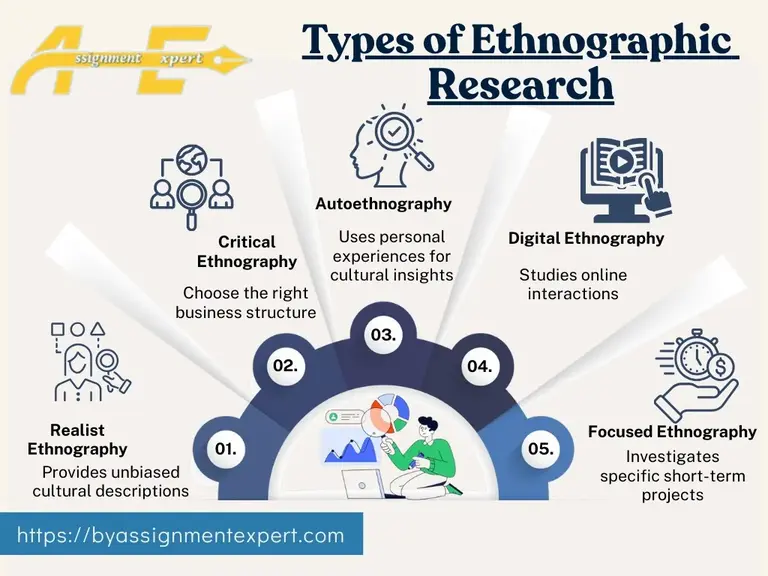
The Evolution of Market Research: Why Ethnography Matters for Modern Brands
For decades, brand managers relied heavily on “the lab”—controlled environments like focus group rooms where consumers were asked to recount their experiences. However, human memory is fallible, and social desirability bias often leads participants to tell researchers what they think they should say rather than what they actually do. Ethnography bypasses these filters by meeting the consumer where they live, work, and play.
Beyond Quantitative Data: The Human Element
Numbers provide a skeleton, but ethnography provides the flesh and blood. A brand might see a 20% drop in repeat purchases through their analytics dashboard, but those metrics cannot show the frustration a mother feels when a packaging design makes it impossible to open the product while holding a child. Ethnography uncovers the “emotional data” that spreadsheets ignore. By documenting the nuances of human emotion and physical interaction, brand strategists can move beyond abstract segments and begin designing for real people.
Immersive Observation: Being Part of the Consumer’s World
The hallmark of ethnography is immersion. Unlike a ten-minute survey, ethnographic research might involve a researcher spending an entire afternoon in a household or shadowing a professional through their workday. This longitudinal approach allows the “observer effect” to wear off. When a researcher becomes a fixture in the environment, the subjects stop performing and start behaving naturally. For a brand, this reveals the “unarticulated needs”—the problems consumers have adapted to so thoroughly that they no longer think to mention them in a survey.
Core Methodologies of Ethnographic Brand Research
To implement ethnography effectively, brands utilize a variety of specialized techniques designed to capture different facets of the consumer experience. These methods are chosen based on the brand’s specific goals, whether they are looking to innovate a new product or refine their corporate identity.
Direct Observation and “Shadowing”
This is the most traditional form of ethnography. A researcher accompanies a participant as they go about their daily routine. For a brand in the fitness space, this might mean going to the gym with a consumer to see how they use various apps and equipment. Shadowing allows researchers to see the “workarounds”—the creative ways people modify products to fit their needs. These workarounds are goldmines for brand innovation, highlighting exactly where current market offerings are failing.
Digital Ethnography (Netnography) in the Social Era
As our lives migrate online, so has ethnographic research. “Netnography” is the study of the perceived “tribes” that form in digital spaces like Reddit, TikTok, or niche forums. Brand strategists use netnography to observe how consumers talk about their brand when they don’t think a “brand” is listening. It provides a window into the vernacular, memes, and shared values of a community. This insight is crucial for personal branding and corporate identity, ensuring that the brand’s voice feels indigenous to the platforms where its customers hang out.
Contextual Inquiry: Understanding the “Where” and “How”
Contextual inquiry is a hybrid of an interview and an observation. The researcher asks the participant to perform a specific task—such as brewing a cup of coffee or setting up a home office—and asks questions in real-time. This method focuses on the intersection of the person, the tool, and the environment. For a brand, understanding the physical context (e.g., a cramped kitchen vs. a spacious one) is vital for product design and marketing imagery, ensuring the brand’s visual identity mirrors the reality of the consumer’s space.
Integrating Ethnographic Findings into Brand Strategy
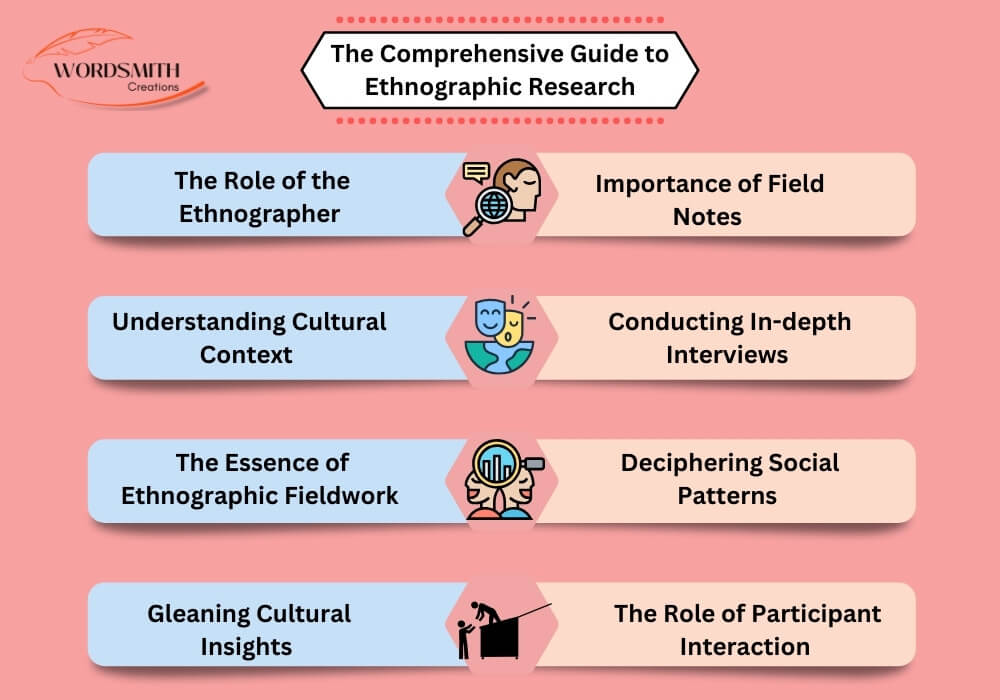
Generating insights is only half the battle; the true value of ethnography lies in how those insights are translated into actionable brand strategy. Ethnography transforms “customers” into “characters” in a brand’s story, allowing for a more empathetic approach to marketing.
Identifying Unmet Needs and Pain Points
The most successful brands are those that solve problems people didn’t know they had. Through ethnography, brands can identify “friction points” in the consumer journey. For example, a home-cleaning brand might discover through observation that users find it difficult to store bulky mops in small apartments. This insight could lead to a brand pivot toward “space-saving” solutions, creating a new sub-brand or product line that speaks directly to urban dwellers.
Building Authentic Brand Narratives
In an era of “brand purpose,” authenticity is the ultimate currency. Consumers can spot a disingenuous marketing campaign from a mile away. Ethnography provides the raw material for storytelling that resonates because it is based on truth. When a brand’s advertising reflects the actual messiness, joy, or boredom of its customers’ lives, it builds a sense of “they get me.” This emotional resonance is what transforms a functional product into a lifestyle brand.
Informing Product Design and Brand Experience
Ethnography ensures that design follows behavior. By observing how products are used in the “wild,” brands can iterate on design in ways that improve the user experience (UX). This extends to the retail environment as well. Corporate identity isn’t just a logo; it’s the way a store smells, the height of the shelves, and the ease of the checkout process. Ethnographic studies of retail foot traffic and shopper behavior allow brands to design spaces that feel intuitive and welcoming, reinforcing the brand’s promise at every touchpoint.
Case Studies: Brands that Mastered the Ethnographic Approach
The power of ethnography is best illustrated through its application in the real world. Many of the world’s most iconic brand shifts were the result of researchers stepping out of the office and into the streets.
Consumer Goods: Finding the “Aha!” Moment
A classic example involves a major laundry detergent brand that noticed sales were stagnating in emerging markets. Traditional surveys suggested that people wanted “cleaner clothes.” However, when researchers lived with families in these regions, they realized that the “scent” of the laundry was actually the primary indicator of cleanliness and social status. By pivoting the brand strategy to focus on long-lasting fragrance rather than just “stain removal,” the brand saw a massive uptick in market share.
Service Industries: Redefining Customer Journeys
In the hospitality and banking sectors, ethnography is used to map the “emotional journey” of a customer. A high-end hotel chain once used ethnography to observe guests from the moment they arrived at the airport. They discovered that the most stressful part of the trip wasn’t the flight, but the confusion of navigating the hotel lobby. This led to a complete redesign of their corporate identity—moving away from a “formal check-in desk” to a more “concierge-led, living room” style greeting. This shift in brand experience significantly boosted their customer loyalty scores.
Challenges and Ethical Considerations in Ethnographic Research
While ethnography offers unparalleled depth, it is not without its hurdles. Because it involves deep dives into private lives, it requires a high degree of ethical rigor and a keen awareness of researcher bias.
Balancing Subjectivity and Objectivity
One of the primary criticisms of ethnography is that it is subjective. Two different researchers might observe the same household and come to different conclusions. To combat this, brand strategists use “triangulation”—combining ethnographic insights with quantitative data and secondary research. This ensures that the brand strategy is rooted in a “thick description” of the consumer while still being supported by broader market trends.

Privacy and Consent in the Age of Constant Connection
The intrusive nature of ethnography means that brands must be hyper-vigilant about privacy. Participants must give informed consent, and researchers must ensure that the data collected is used solely for the purpose of improving the brand experience. In the digital realm, netnography must be practiced ethically, respecting the privacy settings and community norms of online spaces. A brand that oversteps these boundaries risks a PR backlash that can permanently damage its corporate identity.
In conclusion, ethnography is the bridge between a brand’s intentions and the consumer’s reality. By investing in the slow, meticulous work of human observation, brands can move beyond the “average” consumer and begin to understand the beautiful, complex, and often contradictory reality of the individuals they serve. In a world of digital noise, the brand that listens most closely is the one that ultimately wins.
aViewFromTheCave is a participant in the Amazon Services LLC Associates Program, an affiliate advertising program designed to provide a means for sites to earn advertising fees by advertising and linking to Amazon.com. Amazon, the Amazon logo, AmazonSupply, and the AmazonSupply logo are trademarks of Amazon.com, Inc. or its affiliates. As an Amazon Associate we earn affiliate commissions from qualifying purchases.