
In the contemporary digital landscape, the internet is no longer a collection of isolated silos. Instead, it is an interconnected web of platforms, services, and media types that communicate with one another to provide a cohesive user experience. At the heart of this connectivity lies a powerful technical tool known as “embed code.” Whether you are a web developer, a content creator, or a casual internet user, you interact with embed codes daily—often without realizing it. From the YouTube video playing on a news blog to the interactive Google Map directing you to a local business, embed codes are the invisible threads that weave the modern web together.
The Technical Mechanics of Embedding: Under the Hood
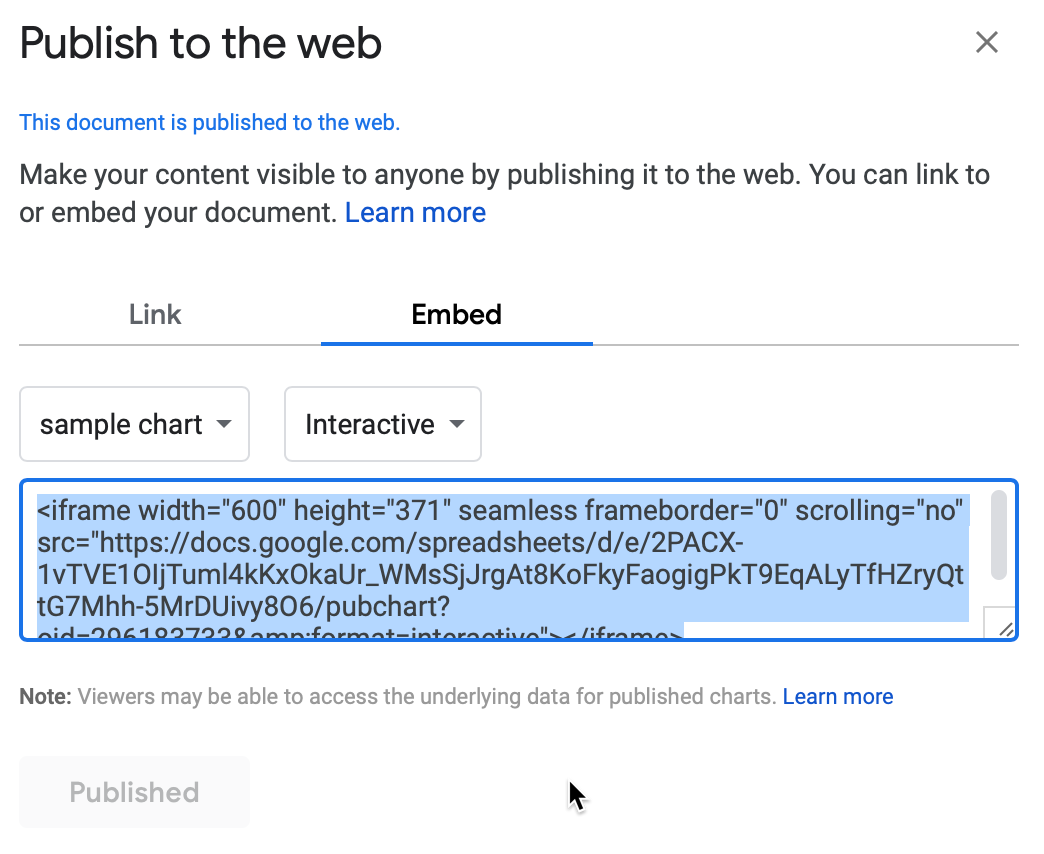
To understand what an embed code is, one must first understand its structural role in web architecture. At its core, an embed code is a snippet of HTML (HyperText Markup Language), often accompanied by JavaScript, that serves as a set of instructions for a web browser. It tells the browser to “fetch” a specific piece of content from a third-party server and display it natively within the layout of the current webpage.
The Anatomy of the Iframe Tag
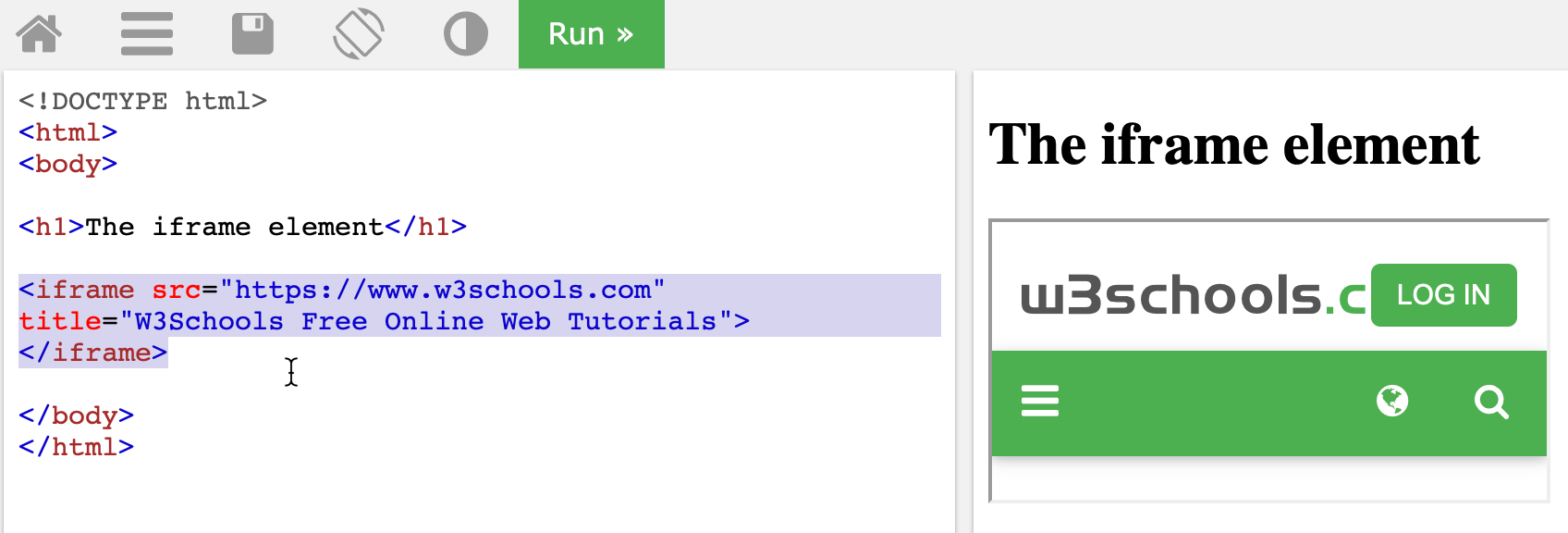
The most common vehicle for embed code is the <iframe> (Inline Frame) tag. An iframe acts as a window into another website. When a browser encounters an iframe tag, it opens a portal to the source URL specified within the code. Unlike a hyperlink, which redirects a user away from the current page, an iframe allows the external content to live inside the host page’s structure. Key attributes within this code—such as width, height, src (source), and frameborder—allow the developer to control exactly how the external content appears to the end-user.
Script-Based Embedding vs. HTML Tags
While iframes are the industry standard for media, many modern software-as-a-service (SaaS) tools use JavaScript-based embed codes. These snippets often look like a single line of <script> code. When the page loads, the script executes, pulling in complex elements like chatbots, live social media feeds, or dynamic data visualizations. Script-based embeds are generally more powerful than iframes because they can interact more fluidly with the host site’s CSS (Cascading Style Sheets), allowing for a more integrated and responsive visual design.
How Browsers Interpret Embed Codes
When a user visits a site with an embed, the browser performs a “handshake” with the external server. For instance, if you embed a tweet, your browser sends a request to the X (formerly Twitter) servers. The server responds with the specific data required to render that tweet. This process happens in milliseconds, ensuring that the embedded content feels like a native part of the original website. This client-side rendering is what makes the web feel dynamic and multifaceted.
Performance and Resource Management: Why We Embed
One might wonder why developers don’t simply host all content—videos, images, and tools—directly on their own servers. The answer lies in technical efficiency, resource management, and the optimization of site performance.
Bandwidth and Server Load Optimization
High-definition video files are massive. If a website were to host multiple 4K videos directly on its own server, the bandwidth costs would be astronomical, and the server’s processing power would quickly be overwhelmed by multiple concurrent viewers. By using an embed code from a specialized video hosting platform like YouTube or Vimeo, the developer offloads the heavy lifting. The video is streamed from the host’s optimized global content delivery networks (CDNs), ensuring fast load times and high uptime without taxing the website’s primary server.
Cross-Platform Content Synchronization
One of the most significant technical advantages of embed code is “synchronization at the source.” If a content creator updates a video file or a data set on the source platform, that change is automatically reflected across every single website where that content’s embed code is placed. This eliminates the need for manual updates across dozens of platforms, ensuring that the latest version of a tool, map, or video is always visible to the user.
Leveraging Specialized Functionality
Embedding allows a website to inherit the complex functionality of specialized software. For example, building a secure, interactive, and responsive map interface from scratch is a monumental task. By using a Google Maps embed code, a developer gains access to billions of data points and a world-class interface with just a few lines of code. This modular approach to web development allows for “best-in-class” features to be integrated into any site, regardless of the developer’s individual resources.
Common Use Cases Across the Tech Ecosystem
The versatility of embed codes means they are utilized across nearly every sector of the technology industry. From communication tools to data analytics, the applications are vast.
Multimedia Integration (Video and Audio)
This is the most visible use of embed code. Platforms like SoundCloud, Spotify, and YouTube provide “Share” menus that generate embed codes automatically. These codes are often customized with parameters like autoplay=0 or rel=0 to control user interaction. Technically, these embeds use specialized players that handle buffering, resolution switching, and playback controls, providing a professional experience that would be difficult to replicate with a standard HTML5 <video> tag.
Social Media and Real-Time Feeds
In the age of social proof and real-time updates, embedding social feeds is crucial for engagement. Tech tools like Juicer or Elfsight allow developers to aggregate posts from Instagram, TikTok, or LinkedIn into a single embedded gallery. These embeds rely heavily on APIs (Application Programming Interfaces) to pull data in real-time, ensuring that as soon as a post goes live on social media, it appears on the website.
Data Visualization and Interactive Tools
Data-driven organizations often use embed codes to share interactive charts and graphs. Tools like Tableau, Infogram, or Google Sheets allow users to create complex visualizations and embed them into articles. These embeds are often interactive, allowing users to hover over data points or filter results, providing a layer of depth that a static image cannot offer. Similarly, “calculators” (such as mortgage or ROI calculators) are frequently distributed via embed codes, allowing third-party sites to offer utility to their visitors.
Security, Privacy, and Technical Best Practices
While embed codes are incredibly useful, they introduce specific technical risks and challenges that must be managed. Because an embed code brings third-party data onto your site, it requires a “trust-but-verify” approach.
Guarding Against Cross-Site Scripting (XSS)
From a digital security perspective, embed codes can be a double-edged sword. If a developer embeds code from an untrusted or compromised source, it could potentially execute malicious JavaScript on the host site. This is known as a Cross-Site Scripting (XSS) attack. To mitigate this, modern browsers support the sandbox attribute for iframes. By adding sandbox to an embed code, a developer can restrict what the embedded content is allowed to do—such as preventing it from opening pop-ups or accessing the user’s cookies.
Maintaining Mobile Responsiveness
A common technical hurdle with embed codes—particularly iframes—is that they often have fixed dimensions (e.g., 560px by 315px). On a mobile device, these fixed widths can break the layout of a responsive website. The technical solution involves wrapping the embed code in a CSS container with a “padding-bottom” percentage based on the aspect ratio (often 56.25% for 16:9 video). This ensures the embed scales fluidly across smartphones, tablets, and desktops.
Accessibility and the User Experience
Tech-savvy developers must ensure that embedded content is accessible to all users, including those using screen readers. This involves adding title attributes to iframes so that assistive technologies can describe the content of the frame to the user. Furthermore, developers should be wary of “heavy” embeds that significantly increase page weight. Using “lazy loading”—an attribute (loading="lazy") that tells the browser only to load the embed when the user scrolls near it—is a critical best practice for maintaining fast page speeds and high SEO rankings.

The Future of Embedding: APIs and Beyond
As the web evolves toward a more decentralized and API-driven model, the nature of “embedding” is shifting. We are moving beyond simple copy-paste snippets toward more integrated solutions.
In the near future, we can expect to see more “Headless” integrations where content is pulled in via JSON data and rendered natively by the host site’s own code, rather than using an iframe. This allows for even greater control over design and security. Additionally, with the rise of AI-driven widgets, embed codes are becoming “smarter,” capable of personalizing the content they display based on the specific user’s behavior.
In conclusion, the embed code is the “glue” of the modern internet. It represents a philosophy of modularity and cooperation in the tech world. By understanding the mechanics, benefits, and security requirements of these snippets, developers and tech enthusiasts can build richer, faster, and more interactive digital experiences that leverage the full power of the global web ecosystem.
aViewFromTheCave is a participant in the Amazon Services LLC Associates Program, an affiliate advertising program designed to provide a means for sites to earn advertising fees by advertising and linking to Amazon.com. Amazon, the Amazon logo, AmazonSupply, and the AmazonSupply logo are trademarks of Amazon.com, Inc. or its affiliates. As an Amazon Associate we earn affiliate commissions from qualifying purchases.