
The periodic table is a fundamental tool in science, a beautifully organized chart that unlocks the secrets of matter. But what exactly is an “element” within this powerful system? Far more than just a name on a chart, an element represents a pure substance, the most basic building block of all matter we encounter, from the silicon in your smartphone to the gold in your jewelry, and even the air you breathe. Understanding elements is key to grasping the vast complexities of chemistry, physics, and ultimately, the universe itself.
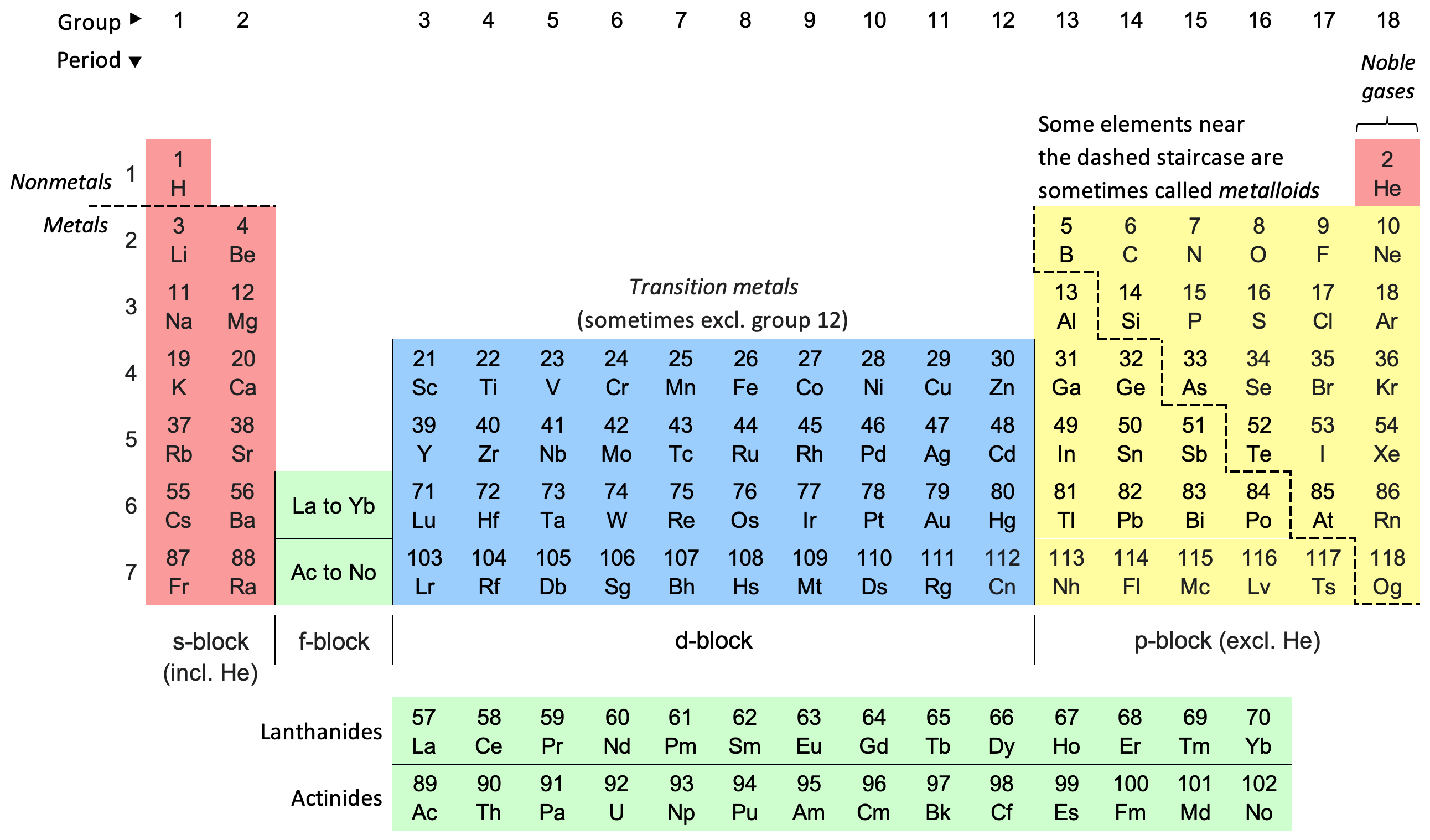
In the grand scheme of technology, branding, and finance, the principles governing elements and their interactions, though seemingly abstract, have profound and often overlooked implications. From the elemental components of the software that powers our digital lives to the foundational branding elements that define successful companies, and even the basic financial “elements” that underpin wealth creation, a solid understanding of these fundamental building blocks can provide a significant advantage.
Unveiling the Atom: The Core of an Element
At its heart, an element is defined by its atomic structure. Every atom of a particular element possesses the same number of protons in its nucleus. This number, known as the atomic number, is the unique identifier for each element. Think of it as a fingerprint – no two elements share the same atomic number. For instance, every atom with one proton is hydrogen, the lightest and most abundant element in the universe. Every atom with six protons is carbon, the backbone of all organic life and a crucial component in countless technological innovations.
Protons, Neutrons, and Electrons: The Atomic Trio
The atom, the smallest unit of an element, is composed of three primary subatomic particles:
- Protons: Positively charged particles found in the atom’s nucleus. The number of protons dictates the element.
- Neutrons: Neutrally charged particles also residing in the nucleus. While the number of neutrons can vary within atoms of the same element (creating isotopes), it doesn’t change the element’s identity.
- Electrons: Negatively charged particles that orbit the nucleus in specific energy levels. The number of electrons in a neutral atom is equal to the number of protons. The behavior and arrangement of these electrons are what govern an element’s chemical properties – how it interacts and bonds with other elements.
The intricate dance of these subatomic particles, particularly the electrons, is responsible for the diverse properties of elements, from the inert nature of helium to the highly reactive nature of sodium. This fundamental understanding is the bedrock upon which all chemical reactions and material sciences are built.
The Periodic Table: An Organized Universe of Elements
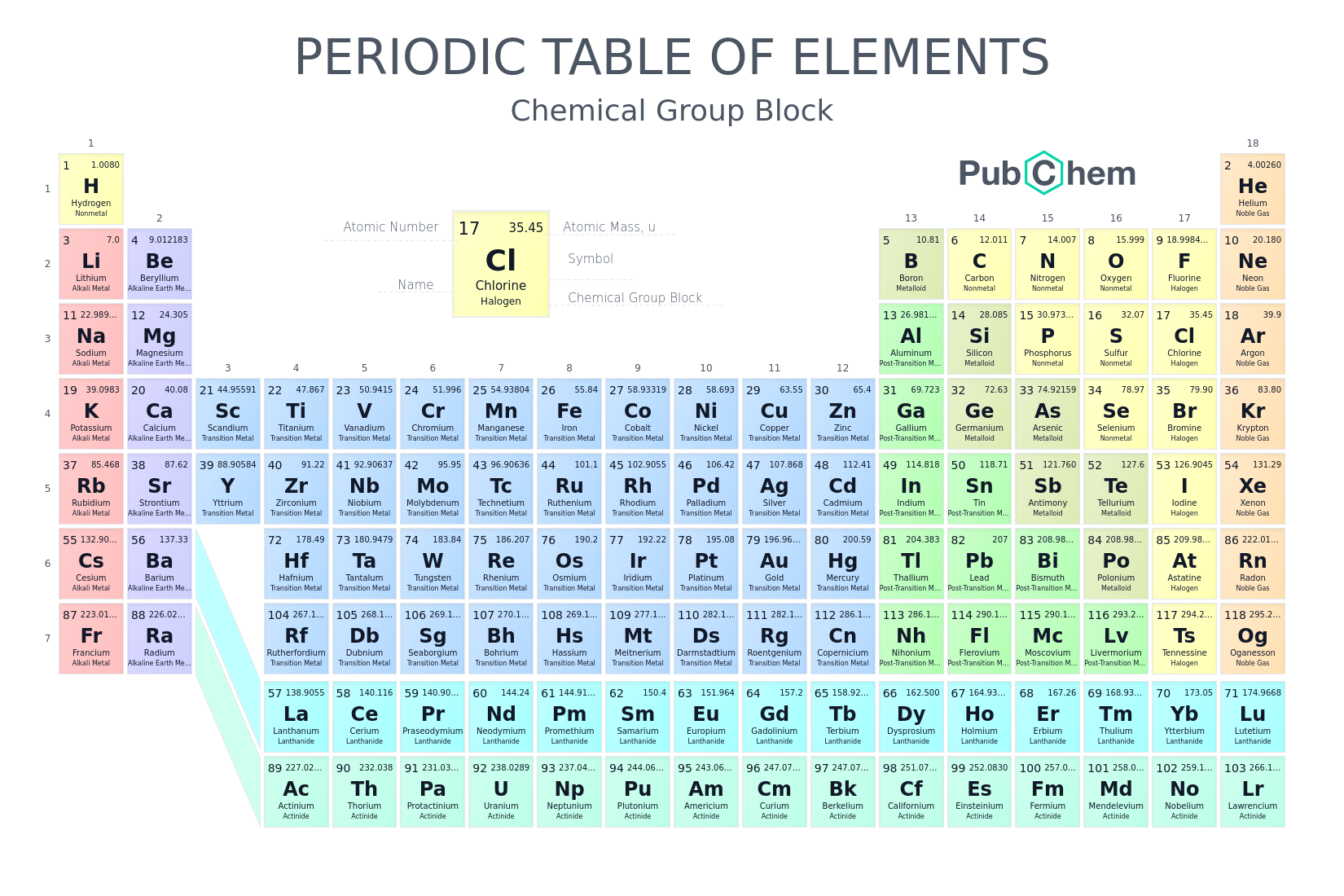
The periodic table is not just a random collection of elements; it’s a masterfully organized system that reveals deep relationships and predictable patterns. Arranged by increasing atomic number, elements are placed in rows (periods) and columns (groups) based on their recurring chemical properties. This organization allows scientists to predict the behavior of elements they haven’t even encountered yet, a testament to the power of scientific order.
Groups and Periods: Unlocking Predictable Behavior
-
Groups (Columns): Elements within the same group share similar valence electron configurations, meaning they have the same number of electrons in their outermost shell. This similarity leads to comparable chemical properties. For example, elements in Group 1 (alkali metals) are all highly reactive metals that readily lose one electron. Elements in Group 18 (noble gases) are all inert gases that have a full outermost electron shell and therefore rarely participate in chemical reactions. This predictability is invaluable for everything from designing new materials to understanding industrial processes.
-
Periods (Rows): The period number corresponds to the highest energy level occupied by electrons in an atom of that element. As you move across a period, the number of protons and electrons increases, leading to gradual changes in properties. This sequential filling of electron shells explains the trends in reactivity, metallic character, and atomic size observed across the table.
This elegant arrangement allows for intuitive exploration and understanding. When we talk about the “elements” of a successful tech product, we’re often referring to its core functionalities and user experience – the essential components that make it work. Similarly, in branding, the “elements” might be its logo, color palette, and messaging, the foundational pieces that create its identity. The periodic table, in its own way, provides a blueprint for these essential building blocks.
The Significance of Elements in the Modern World
The impact of elements extends far beyond the laboratory. They are the literal foundation of our technological advancements, the inspiration for innovative branding, and the key components of financial strategies.

Elements in Technology: The Digital Backbone
The digital age is built upon elements. The silicon that forms the basis of computer chips, the copper that conducts electricity in wiring, the rare earth elements essential for displays and batteries – all are direct products of our understanding and harnessing of elemental properties.
-
Semiconductors and AI: Silicon, with its atomic number 14, is a semiconductor. Its ability to control the flow of electricity is the cornerstone of all modern electronics, from smartphones and laptops to the powerful servers that drive artificial intelligence. The development of AI tools and sophisticated software is intrinsically linked to the availability and manipulation of elements like silicon and others that facilitate complex circuitry.
-
Energy and Sustainability: The quest for sustainable energy relies heavily on elements. Lithium and cobalt are crucial for rechargeable batteries powering electric vehicles and portable devices. The development of advanced solar panels often involves elements like silicon and cadmium. Understanding the properties of these elements allows engineers to design more efficient and environmentally friendly technologies.
-
Connectivity and Communication: The infrastructure of our global communication networks is made possible by elements. Fiber optic cables, for instance, utilize materials like silica, derived from silicon. The metals used in network hardware, from servers to routers, are selected for their conductive properties, often involving copper, aluminum, or even precious metals like gold for their resistance to corrosion.
Elements in Branding: The Identity Forge
While not as literal as their presence in technology, the concept of “elements” is central to branding and marketing. A strong brand is built from fundamental, recognizable components that resonate with an audience.
-
Core Brand Identity: Just as an element has a defining atomic number, a brand has core values, a mission, and a unique selling proposition that define its essence. These are the intangible “elements” that differentiate it from competitors.
-
Visual and Experiential Elements: The visual identity of a brand – its logo, color palette, typography, and imagery – are its tangible “elements.” These are carefully chosen to evoke specific emotions and associations. Think of the iconic red of Coca-Cola or the minimalist design of Apple. These visual elements, when consistently applied, become instantly recognizable. Similarly, the user experience of an app or website, its ease of use and intuitive design, are crucial “elements” that contribute to brand perception and loyalty.
-
Narrative and Messaging: The story a brand tells, its marketing campaigns, and its communication style are all “elements” that shape its reputation. These elements, when crafted strategically, build trust and connection with consumers. The success of any marketing strategy hinges on the skillful combination and deployment of these fundamental brand elements.
Elements in Finance: The Pillars of Wealth
The financial world, too, is built on fundamental “elements” that, when understood and applied correctly, can lead to prosperity. These aren’t atoms, but they are the foundational principles of personal and business finance.
-
Personal Finance Fundamentals: For individuals, understanding the “elements” of personal finance is crucial. This includes budgeting (allocating resources), saving (setting aside for the future), investing (growing wealth), and managing debt (controlling liabilities). These are the basic building blocks of financial stability and growth. Just as mastering the properties of a single element is the first step to understanding chemistry, mastering these financial elements is the first step to achieving financial freedom.
-
Investment Strategies: Investing, in particular, relies on understanding the fundamental “elements” of different asset classes. Stocks, bonds, real estate – each has unique characteristics and risk profiles. A successful investor learns to combine these elements in a diversified portfolio, much like a chemist combines elements to create new compounds. The concept of diversification itself can be seen as applying an elemental principle to mitigate risk.
-
Business Finance and Growth: For businesses, understanding the elemental components of their financial health is paramount. This includes revenue streams, cost structures, profitability margins, and cash flow. A strong business strategy is built upon a solid understanding and efficient management of these core financial elements, enabling sustainable growth and market leadership. The “elements” of a successful business strategy are analogous to the fundamental elements that form the basis of a stable and dynamic system.
Conclusion: The Ubiquitous Power of Elements
From the subatomic particles that define matter to the foundational principles of technology, branding, and finance, the concept of “elements” underscores the importance of understanding basic building blocks. The periodic table is a powerful reminder that order and predictability emerge from the careful arrangement of fundamental components.
Whether you are a scientist exploring the universe, a tech entrepreneur building the next groundbreaking app, a marketer crafting a compelling brand, or an individual striving for financial security, recognizing and mastering the “elements” within your domain is the key to innovation, success, and a deeper understanding of the world around you. The more we delve into the nature of these fundamental units, the more we unlock the potential to shape our reality, from the physical world to the digital landscape and the economic opportunities that define our lives.
aViewFromTheCave is a participant in the Amazon Services LLC Associates Program, an affiliate advertising program designed to provide a means for sites to earn advertising fees by advertising and linking to Amazon.com. Amazon, the Amazon logo, AmazonSupply, and the AmazonSupply logo are trademarks of Amazon.com, Inc. or its affiliates. As an Amazon Associate we earn affiliate commissions from qualifying purchases.