
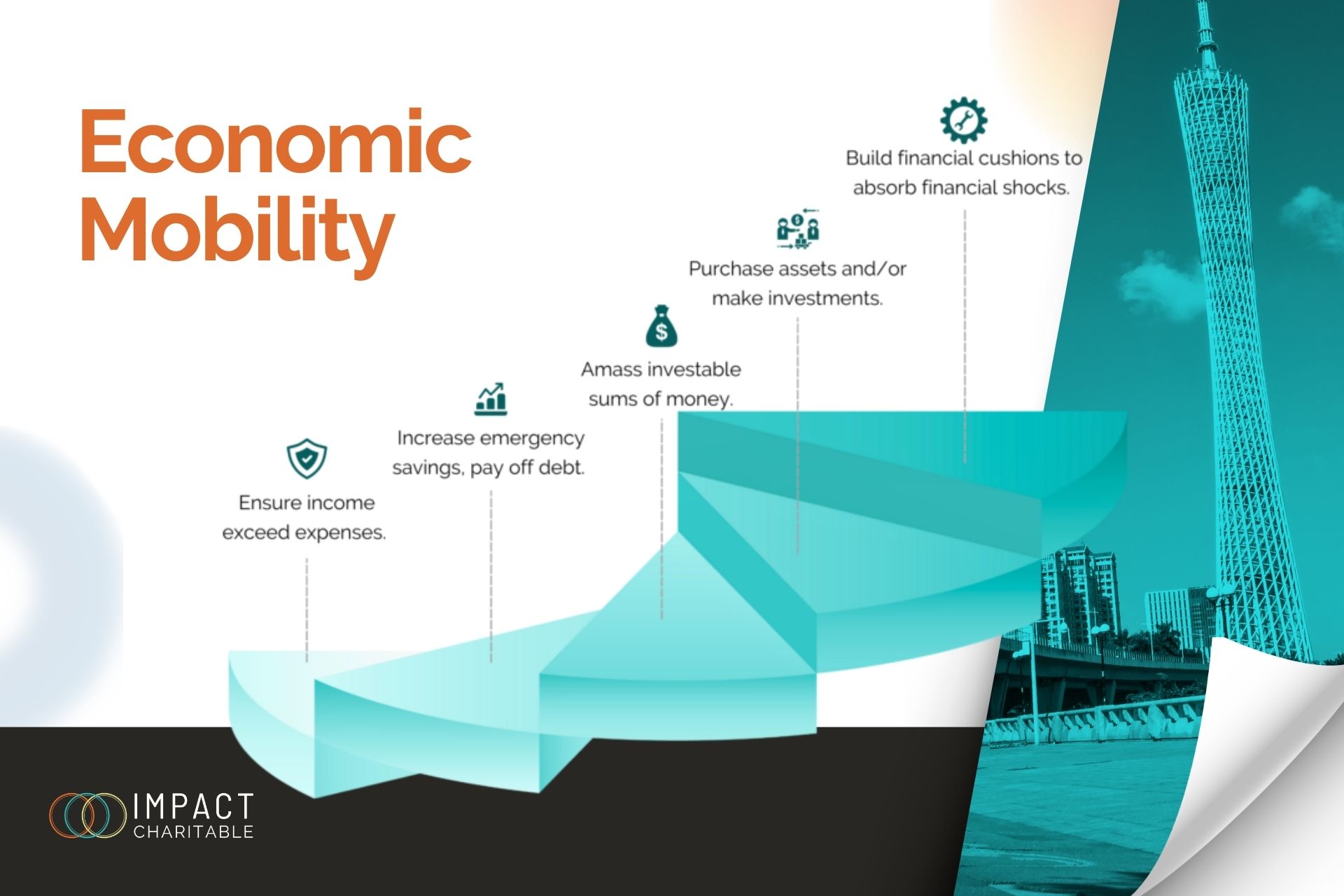
Economic mobility is the cornerstone of the modern financial narrative. It represents the ability of an individual, a family, or a group to improve their economic status over time. Often discussed in the context of the “American Dream,” economic mobility is the measurable metric of how much one’s financial circumstances can change—ideally for the better—within a lifetime or across generations. In the context of personal finance and wealth management, understanding economic mobility is essential for anyone looking to break the cycle of living paycheck to paycheck and move toward long-term prosperity.
The Fundamentals of Economic Mobility
To understand how to navigate the financial landscape, one must first grasp the different dimensions of economic mobility. It is not a monolithic concept; rather, it is a nuanced measure of how income and wealth shift over time.
Absolute vs. Relative Mobility
Absolute mobility measures whether you are better off than your parents were at the same age, after adjusting for inflation. It focuses on the sheer increase in purchasing power and standard of living. For much of the 20th century, absolute mobility was high; children routinely earned more than their parents.
Relative mobility, on the other hand, describes where you sit on the economic ladder compared to everyone else. If the entire population sees an income increase, absolute mobility is high, but if your position in the bottom 20% remains unchanged, your relative mobility is stagnant. Achieving relative mobility requires “outpacing” the average growth of the economy, which often necessitates strategic personal finance decisions.
Intergenerational vs. Intragenerational Trends
Intergenerational mobility tracks financial changes across different generations of a family. It asks the question: “Does a child’s background determine their financial future?” High intergenerational mobility suggests a meritocratic society where talent and hard work outweigh inherited wealth.
Intragenerational mobility focuses on the changes in an individual’s economic status during their own working life. This is the area where personal finance strategies, career pivots, and investment choices have the most immediate impact. Whether you start as an entry-level employee and retire as a business owner or high-net-worth investor, your journey is a testament to intragenerational mobility.
Key Drivers of Upward Financial Movement
Upward mobility does not happen by accident. It is fueled by a combination of systemic opportunities and individual choices. By identifying the primary drivers of growth, individuals can better position themselves for financial advancement.
The Power of Human Capital and Education
Human capital refers to the skills, knowledge, and experience possessed by an individual, viewed in terms of their value or cost to an organization or the marketplace. Education remains one of the most consistent drivers of economic mobility. However, in the modern economy, this doesn’t strictly mean a four-year degree. Specialized certifications, coding bootcamps, and continuous professional development allow individuals to “upskill” and command higher salaries, directly impacting their income potential.
Accumulating Assets and Compound Interest
Income alone is rarely enough to ensure long-term economic mobility; wealth is built through asset accumulation. While income provides the means to live, assets (such as stocks, real estate, or business equity) provide the means to grow. The phenomenon of compound interest is the “great accelerator.” By investing early and consistently, individuals allow their money to work for them, creating a snowball effect that can move a household from a middle-income bracket to the top tier of wealth over several decades.
Social Capital and Professional Networking
While often overlooked in technical financial discussions, social capital—the network of relationships one maintains—is a vital component of mobility. Access to mentors, industry insiders, and high-value professional circles can lead to opportunities that are never posted on job boards. In many ways, who you know facilitates the deployment of what you know, acting as a catalyst for rapid career advancement and business growth.
Navigating the Obstacles to Economic Advancement

Despite the best intentions, several hurdles can stall or even reverse economic mobility. Recognizing these barriers is the first step in building a defense against them.
The Debt Trap: Managing Credit and Interest
High-interest consumer debt, particularly credit card debt, is the primary “anchor” that prevents upward movement. When a significant portion of monthly income is diverted toward interest payments rather than investments, the individual is effectively paying for their past rather than funding their future. Strategic debt management—such as utilizing the debt avalanche or snowball methods—is crucial for freeing up the cash flow necessary for wealth building.
Inflation and the Cost of Living Crisis
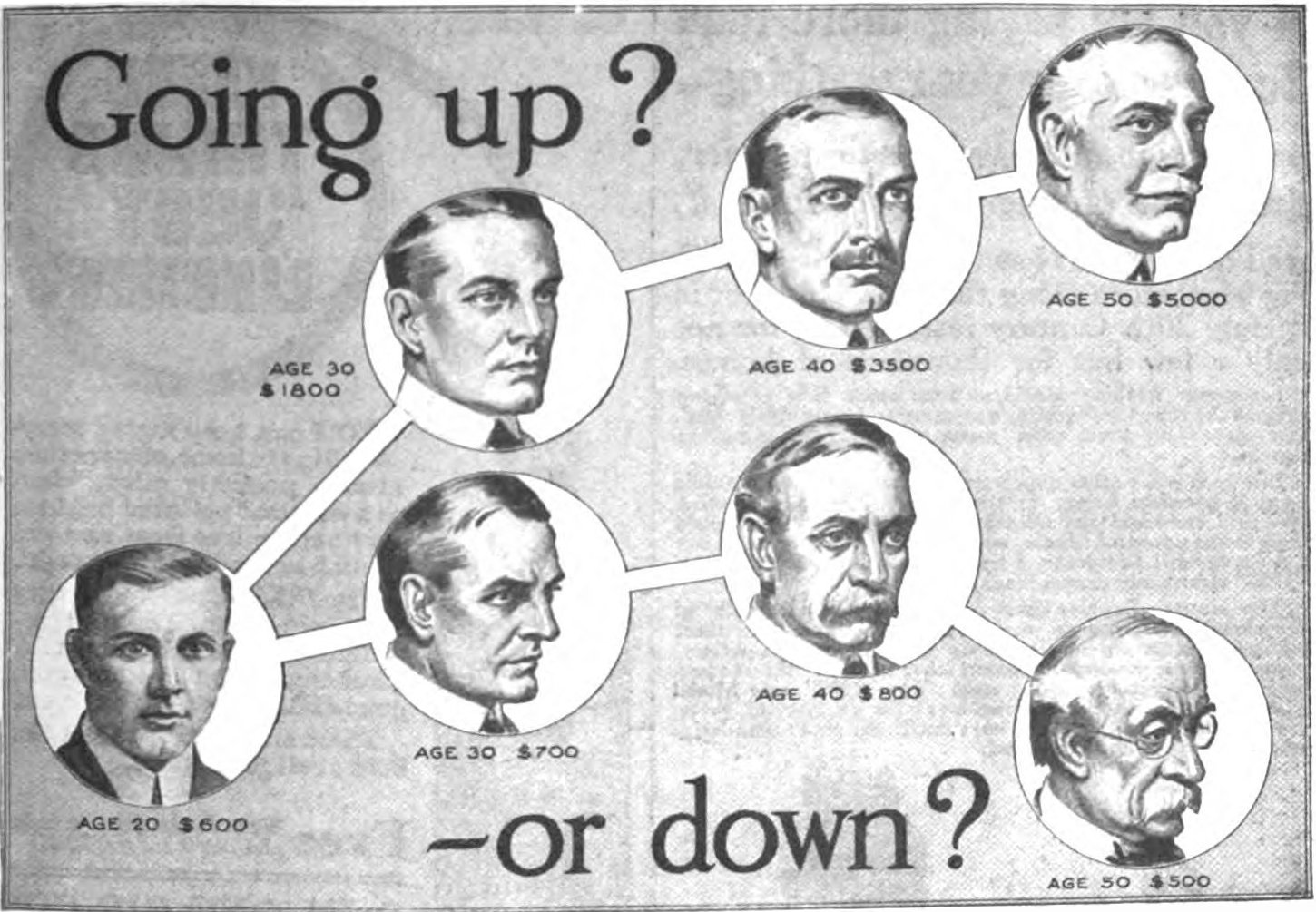
Inflation erodes purchasing power, meaning that even if an individual receives a modest annual raise, they may actually be experiencing “downward mobility” if the cost of housing, healthcare, and groceries rises faster than their wages. Maintaining economic mobility in an inflationary environment requires aggressive budgeting and seeking out investments that historically hedge against inflation, such as equities or real estate.
The Wealth Gap and Systemic Barriers
It is important to acknowledge that the starting line is not the same for everyone. Factors such as zip code, access to quality healthcare, and systemic inequalities can create “sticky floors,” making it harder for those at the bottom to rise. Understanding these external factors helps in crafting more realistic and robust personal financial plans that account for higher levels of risk or the need for more substantial emergency funds.
Practical Strategies for Improving Personal Economic Mobility
If economic mobility is the goal, then proactive financial management is the vehicle. Below are actionable strategies to enhance your financial trajectory.
Diversifying Income Through Side Hustles and Digital Ventures
Relying on a single source of income is a risk in the modern economy. Upward mobility is often accelerated by “side hustles”—secondary income streams that can range from freelance consulting to e-commerce stores. These ventures not only provide extra capital for investment but also diversify an individual’s skill set, making them more resilient to economic downturns.
Strategic Investing and Retirement Planning
To move up the economic ladder, one must transition from a “consumer” mindset to an “investor” mindset. This involves maximizing contributions to tax-advantaged accounts like 401(k)s or IRAs and venturing into brokerage accounts. Low-cost index funds and Exchange Traded Funds (ETFs) offer a way for the average earner to participate in the growth of the global economy, ensuring that their personal net worth grows alongside corporate profits.
Enhancing Financial Literacy
Knowledge is the ultimate multiplier. Financial literacy—understanding how taxes work, how to read a balance sheet, and how to evaluate investment risks—allows individuals to make informed decisions that prevent costly mistakes. High levels of financial literacy are strongly correlated with higher rates of wealth accumulation and successful intergenerational wealth transfer.
The Future of Mobility in a Digital Economy
The landscape of economic mobility is shifting. As we move deeper into the 21st century, technology is changing the “how” and “where” of financial growth.
Leveraging Fintech for Wealth Building
The democratization of finance through Financial Technology (Fintech) has lowered the barriers to entry for wealth building. Apps that allow for fractional share investing, automated “round-up” savings, and zero-commission trading mean that someone can start their journey toward economic mobility with as little as five dollars. These tools are essential for those who were previously excluded from traditional banking and investment services.
The Impact of Remote Work on Geographic Mobility
Historically, economic mobility often required physical mobility—moving to a “superstar city” like New York or San Francisco to find high-paying work. However, the rise of remote work has decoupled geography from earning potential. An individual can now earn a high-tier salary while living in a low-cost-of-living area. This “geographic arbitrage” allows for a much higher savings rate, enabling faster debt repayment and more aggressive investing, thereby accelerating the climb up the economic ladder.
The Role of Business Finance and Entrepreneurship
For many, the ultimate path to significant economic mobility is not through employment, but through ownership. Starting a business allows an individual to capture the full value of their labor. While entrepreneurship involves higher risk, the potential for “vertical” mobility—jumping several wealth quintiles in a few years—is much higher for business owners than for salaried employees. Modern tools for digital marketing and global logistics have made it easier than ever to scale a small business into a significant financial asset.
In summary, economic mobility is a dynamic process influenced by education, investment, and the ability to navigate economic hurdles. By focusing on asset accumulation, leveraging new financial technologies, and maintaining a commitment to lifelong learning, individuals can take control of their financial destiny and ensure a trajectory of upward growth for themselves and future generations.
aViewFromTheCave is a participant in the Amazon Services LLC Associates Program, an affiliate advertising program designed to provide a means for sites to earn advertising fees by advertising and linking to Amazon.com. Amazon, the Amazon logo, AmazonSupply, and the AmazonSupply logo are trademarks of Amazon.com, Inc. or its affiliates. As an Amazon Associate we earn affiliate commissions from qualifying purchases.