
In the dynamic world of financial markets, few metrics capture the public’s attention quite like the Dow Jones Industrial Average (DJIA). Often cited in news headlines and financial reports, its daily movements are scrutinized by investors, economists, and the general public alike. More than just a number, the Dow Jones represents a snapshot of the U.S. industrial economy, offering insights into the performance of some of the nation’s most influential companies. For anyone looking to understand market trends, make informed investment decisions, or simply stay abreast of economic health, knowing “what the Dow Jones is trading at” is a critical starting point. However, grasping its true significance requires looking beyond the raw numerical value and delving into its history, composition, and the broader economic forces that drive its fluctuations.
The Dow Jones Industrial Average is not merely a stock market index; it’s a historical artifact, a carefully curated barometer of American industry that has evolved significantly since its inception. Created by Charles Dow in 1896, it initially tracked just 12 industrial companies, a reflection of the manufacturing-centric economy of that era. Today, it comprises 30 prominent, publicly-owned companies, often referred to as “blue chips,” which are leaders in their respective sectors and represent a substantial portion of the U.S. stock market’s value. While its name still carries “Industrial,” the index has broadened its scope to include a diverse range of companies from technology and finance to healthcare and consumer goods, mirroring the evolution of the American economy itself. The question of its current trading level, therefore, is an inquiry into the collective performance and investor sentiment surrounding these economic titans, reflecting market optimism, concerns, and the ongoing saga of corporate America.
Understanding the Dow Jones Industrial Average (DJIA)
To truly appreciate what the Dow Jones is trading at, one must first understand its fundamental nature, how it’s constructed, and what it aims to represent. It is not a broad market index like the S&P 500, but rather a more focused indicator of large, established companies.
A Brief History and Purpose
The Dow Jones Industrial Average was conceived by Charles Dow, editor of The Wall Street Journal and co-founder of Dow Jones & Company, on May 26, 1896. Its initial purpose was to provide a clear, concise measure of the health of the U.S. industrial sector. The original index contained 12 companies, primarily railroads, sugar, and leather companies. Over the decades, it expanded to 20 stocks in 1916 and finally to 30 stocks in 1928, a number it has maintained ever since. The fundamental purpose remains similar: to serve as a bellwether for the overall U.S. stock market and, by extension, the broader economy. Changes to its constituent companies are rare but occur when a company no longer meets the criteria of being a significant representation of the economy or undergoes substantial corporate changes like a merger or bankruptcy. Such adjustments are made to ensure the index remains relevant and reflective of contemporary economic leadership.
The “Averages” Misconception: Price-Weighted Index
One of the most critical aspects to understand about the DJIA is that it is a price-weighted index, a characteristic that differentiates it significantly from market-capitalization-weighted indices like the S&P 500 or Nasdaq Composite. In a price-weighted index, stocks with higher share prices have a greater impact on the index’s value than stocks with lower share prices, regardless of their total market capitalization. This means that a one-dollar change in a high-priced stock will move the index more than a one-dollar change in a low-priced stock, even if the lower-priced stock represents a much larger company by market value.
To calculate the DJIA, the sum of the prices of the 30 component stocks is divided by a special divisor, known as the “Dow Divisor.” This divisor is adjusted periodically to account for stock splits, spin-offs, and other structural changes, ensuring that the historical continuity of the index is maintained and that the value changes are solely due to price movements rather than corporate actions. This unique methodology means that the “points” of the Dow Jones do not directly equate to dollars, nor do they represent a percentage change in the same way a market-cap-weighted index would. Understanding this distinction is crucial for interpreting its movements accurately and avoiding common misconceptions about its scale and impact.
The 30 Companies: Who’s In, Who’s Out?
The selection of the 30 companies that comprise the Dow Jones Industrial Average is not governed by rigid quantitative rules but rather by a committee from S&P Dow Jones Indices. The primary criterion is that a company must be an undisputed leader in its industry, widely held by institutional and individual investors, and represent a significant portion of the U.S. stock market. The committee aims to select companies that reflect the diverse sectors of the American economy. Over time, the list has seen many changes, with iconic names being added and removed to maintain its relevance. For example, original components like American Cotton Oil Company have long been replaced by modern giants such as Apple, Microsoft, and UnitedHealth Group.
The inclusion or exclusion of a company can be a significant event for that company’s stock, often leading to increased trading volume and investor attention. Companies are typically removed if they are no longer representative of the broader economy, undergo major restructuring, or become too small relative to other components. The composition of the Dow Jones is thus a living reflection of corporate power and economic trends, showcasing the resilience and adaptability of the U.S. market through the lens of its largest and most influential corporations.
Interpreting the DJIA’s Current Value and Movement
When the news reports that “the Dow is up X points” or “the Dow closed at Y,” it’s essential to understand what these figures truly signify beyond their face value. The number itself is just a data point; its meaning comes from the context of its movement, the factors influencing it, and what it communicates about investor sentiment.
More Than Just a Number: What the Points Mean
The current trading value of the Dow Jones Industrial Average, say 38,000 points, is not a monetary value in the way a stock price is. Instead, it’s an index number derived from the sum of its 30 component stock prices divided by the Dow Divisor. Therefore, a rise of 100 points does not mean that the average stock in the index went up by $100. Due to the price-weighted nature and the divisor, a 100-point move represents a percentage change in the index’s value. For example, if the Dow is at 38,000, a 100-point increase is roughly a 0.26% gain.
What truly matters is the percentage change over a given period (daily, weekly, monthly, yearly), as this provides a clearer picture of market performance and investor sentiment. A significant point gain or loss indicates a collective bullish or bearish outlook on the 30 companies and, by extension, on the broader economy. These movements are often viewed as a leading indicator of economic health, influencing market participants’ decisions and confidence.
Factors Influencing Daily Fluctuations
The Dow Jones is a complex system influenced by a myriad of factors, both micro and macroeconomic. Its daily fluctuations are a testament to the constant tug-of-war between optimism and pessimism, driven by a barrage of information.
- Corporate Earnings Reports: The financial health of the 30 component companies is paramount. Strong quarterly earnings and positive future guidance typically push the Dow higher, while disappointing results or cautious outlooks can trigger declines.
- Economic Data: Key economic indicators such as GDP growth, inflation rates (CPI, PPI), unemployment figures, retail sales, manufacturing data (PMI), and housing starts significantly influence market sentiment. Positive data often suggests economic expansion, boosting the Dow, while negative data can signal contraction or recessionary pressures, leading to sell-offs.
- Interest Rate Policies: Decisions by central banks, particularly the U.S. Federal Reserve, on interest rates have a profound impact. Higher rates can increase borrowing costs for companies and consumers, potentially slowing economic growth, while lower rates can stimulate economic activity.
- Geopolitical Events: International trade disputes, political instability, wars, and major global events (like pandemics) can create uncertainty and volatility, affecting investor confidence and corporate profitability across borders.
- Commodity Prices: Fluctuations in oil prices, for instance, can affect the profit margins of industrial companies and consumer spending power, rippling through the Dow’s components.
- Technological Advancements and Sector Trends: Major breakthroughs or shifts in consumer preferences can boost relevant sectors and Dow components, while disruptive technologies can challenge established players.
These factors interact in complex ways, making daily market movements often unpredictable and requiring a nuanced understanding of their interplay.
The Dow as a Barometer: Strengths and Limitations
The Dow Jones Industrial Average is often referred to as a “barometer” of the U.S. stock market and economy. Its strengths lie in its historical continuity, its focus on large, stable companies that are leaders in their fields, and its widespread recognition, making it an easy-to-understand benchmark for public discourse. For many, its movement is a simple indicator of “how the market is doing.”
However, the Dow also has significant limitations as a comprehensive market barometer:
- Narrow Representation: With only 30 companies, it does not represent the entire breadth of the U.S. economy. Smaller companies, emerging industries, and a vast number of publicly traded firms are excluded. This narrow focus can sometimes lead to a skewed picture of overall market performance.
- Price-Weighted Bias: As discussed, its price-weighted methodology means that a stock with a high share price, even if it has a smaller market capitalization, can exert undue influence on the index. This can sometimes misrepresent the actual economic impact of certain companies.
- Sector Concentration: While diversified from its industrial origins, it may still have concentrations in certain sectors depending on its components, which might not always reflect the true proportional representation of those sectors in the overall economy.
Despite these limitations, the Dow’s enduring popularity and its composition of highly influential companies mean that its daily movements continue to be a crucial data point for understanding the market’s pulse, albeit one that should be considered alongside broader indices like the S&P 500 and Nasdaq Composite for a more complete picture.
How Investors Track and Utilize the Dow Jones
For investors, merely knowing “what the Dow is trading at” is insufficient. The real value lies in how this information is tracked, analyzed, and integrated into investment strategies. The DJIA serves as both a reference point for general market sentiment and as the basis for specific investment products.
Real-Time Data Sources and Financial Tools
Access to real-time, or near real-time, Dow Jones data is readily available through numerous channels, empowering investors to stay updated on market movements throughout the trading day.
- Financial News Websites: Major financial news outlets like The Wall Street Journal, Bloomberg, Reuters, CNBC, and Yahoo Finance provide live updates, charts, and comprehensive news coverage related to the DJIA and its components. These platforms often offer analytical tools and expert commentary.
- Brokerage Platforms: Most online brokerage accounts offer integrated market data, including the DJIA’s current value, historical charts, and news feeds directly within their trading interface. This allows investors to track the index alongside their portfolio performance.
- Dedicated Financial Apps: Numerous mobile applications are designed for tracking stock market data, offering customizable watchlists, alerts, and detailed information on various indices, including the Dow.
- Market Data Terminals: Professional investors and institutions often subscribe to advanced market data terminals like Bloomberg Terminal or Refinitiv Eikon, which provide granular real-time data, sophisticated analytical tools, and a vast array of financial news and research.
These tools allow investors to monitor not only the index’s overall movement but also the performance of its individual components, enabling a deeper dive into the drivers of the Dow’s fluctuations.
Dow-Related Investment Vehicles
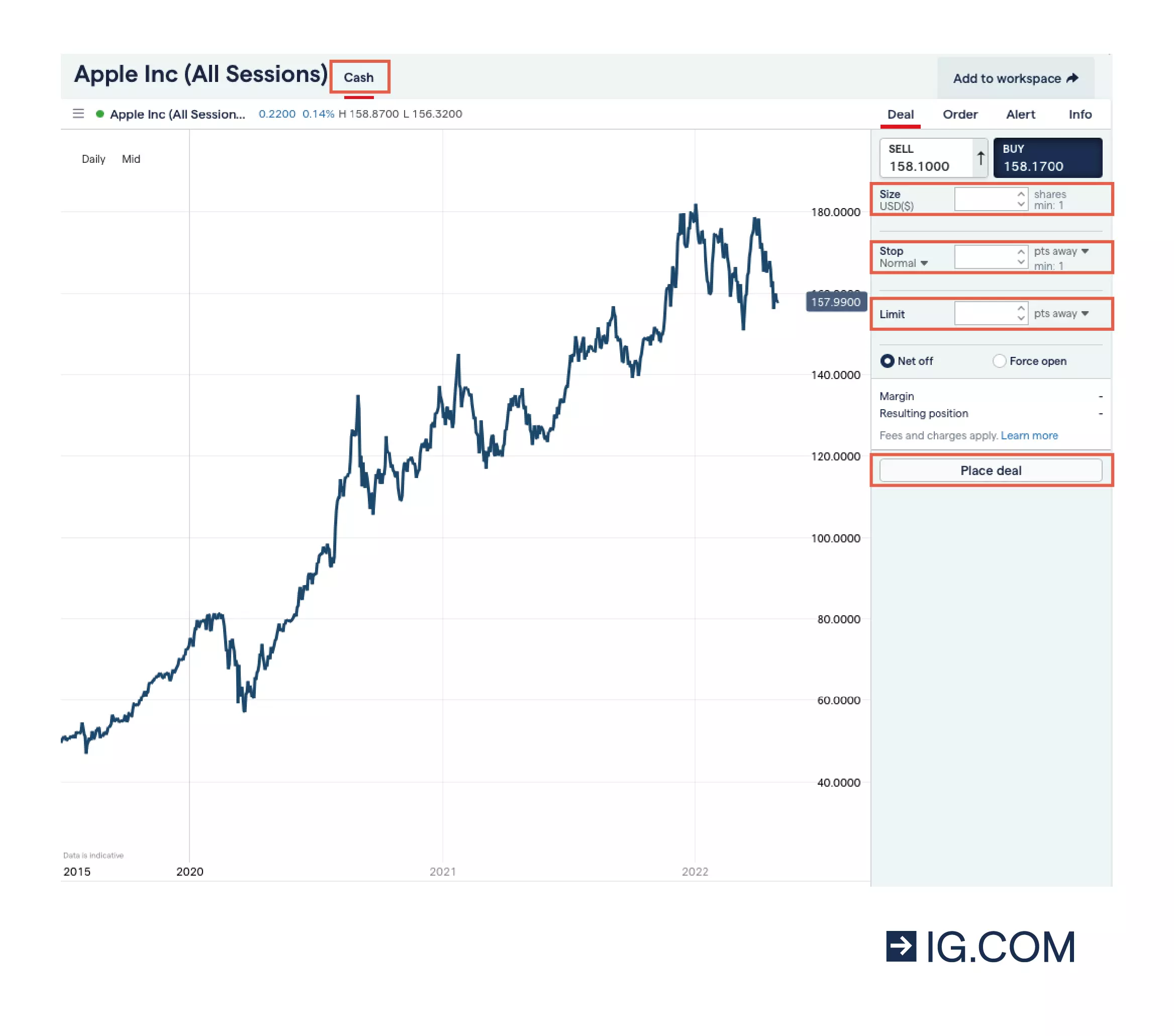
While it’s impossible to directly “invest in the Dow Jones Industrial Average” as a single entity, there are several financial products designed to track or mimic its performance, providing investors with a way to gain exposure to the index.
- Exchange-Traded Funds (ETFs): The most popular way for retail investors to track the Dow is through ETFs. The most well-known is the SPDR Dow Jones Industrial Average ETF (DIA), often referred to as “Diamonds.” This ETF holds shares of the 30 companies in the same proportions as the index, allowing investors to buy and sell a single security that effectively mirrors the Dow’s performance.
- Futures Contracts: For more experienced traders, Dow Jones Industrial Average futures contracts (e.g., E-mini Dow futures) allow speculation on the future direction of the index. These are derivative products that offer leverage but also carry significant risk.
- Options on ETFs: Options contracts on Dow-tracking ETFs like DIA provide another way to speculate on or hedge against movements in the index. These strategies are also complex and suitable for sophisticated investors.
- Index Funds: While less common for the Dow specifically compared to broader indices, some mutual funds might aim to replicate the DJIA’s performance, offering another vehicle for passive investment.
These investment vehicles allow different types of investors to leverage the Dow for various strategic purposes, from long-term accumulation to short-term speculation and hedging.
Incorporating the DJIA into Investment Strategy
For many investors, the Dow serves as a benchmark for gauging overall market health and a reference point for individual stock performance. While it shouldn’t be the sole determinant of investment decisions, its movements can offer valuable insights.
- Market Sentiment Indicator: A consistently rising Dow often signals strong investor confidence and a bullish market trend, encouraging investment. Conversely, sustained declines can indicate a bearish sentiment, prompting caution.
- Economic Barometer: Given its composition of leading companies, the Dow’s performance can reflect the health of various sectors of the economy. For instance, strong performance from industrial components might suggest a robust manufacturing sector.
- Diversification and Asset Allocation: While not a diversified portfolio in itself, understanding the Dow’s performance relative to other asset classes (like bonds or international stocks) can inform asset allocation decisions, helping investors balance risk and return.
- Benchmark Comparison: Investors often compare the performance of their own portfolios or individual stocks against the Dow to assess their relative success. Outperforming the Dow can be a sign of a well-chosen strategy, while underperformance might warrant re-evaluation.
However, it’s crucial for investors to remember the Dow’s limitations. Basing an entire investment strategy solely on the Dow’s movements can lead to an undiversified portfolio heavily weighted towards large-cap U.S. stocks. A holistic approach that considers broader indices, individual company fundamentals, and personal financial goals is always recommended.
The Broader Market Context: Dow vs. S&P 500 and Nasdaq
While the Dow Jones Industrial Average is a prominent index, it’s essential to understand its position within the broader landscape of market indices. Rarely do professional investors rely solely on the DJIA; instead, they integrate its insights with those from other major indices to form a comprehensive view of the market.
Diversified Perspectives: Why One Index Isn’t Enough
The U.S. stock market is vast and complex, encompassing thousands of publicly traded companies across numerous sectors and market capitalizations. No single index can perfectly capture its entirety. Each major index offers a unique lens:
- S&P 500: Considered by many to be the best gauge of large-cap U.S. equities and the overall health of the American economy, the S&P 500 tracks 500 of the largest U.S. publicly traded companies. Unlike the Dow, it is market-capitalization-weighted, meaning companies with larger total market values have a greater impact on the index. This provides a broader and often more accurate reflection of the large-cap market than the Dow’s 30 components.
- Nasdaq Composite: This index is heavily weighted towards technology and growth companies, listing over 3,000 stocks, many of which are innovative and smaller-cap firms. It provides critical insights into the tech sector and emerging industries, which are often underrepresented in the Dow.
- Russell 2000: This index focuses on small-cap U.S. companies, offering a view of a different segment of the market that often behaves differently from large-cap stocks.
By observing all these indices, investors can gain a more nuanced understanding of where market strength or weakness truly lies—whether it’s concentrated in large, established companies (Dow, S&P 500), growth-oriented tech firms (Nasdaq), or smaller domestic businesses (Russell 2000). A divergence in their performance can signal underlying shifts in market leadership or economic conditions. For example, if the Dow is rising while the Nasdaq is falling, it might suggest a rotation from growth stocks to value or defensive stocks, or vice-versa.
Sectoral Representation and Market Breadth
The diversity of sectors represented across different indices also provides crucial insights. The Dow, despite its evolution, still has a significant weighting towards certain traditional industrial, financial, and consumer staple sectors. The S&P 500 offers a broader and more balanced sectoral distribution, while the Nasdaq Composite is heavily skewed towards technology and communication services.
- Sectoral Analysis: By comparing the performance of these indices, investors can infer which sectors are leading or lagging. For instance, if the Nasdaq is significantly outperforming the Dow, it suggests that technology and innovation are driving market gains.
- Market Breadth: Beyond individual stock prices, market breadth refers to the number of stocks advancing versus declining, or the volume of shares traded. While not a direct measure of indices, understanding which market segments (large-cap, small-cap, tech, industrial) are participating in rallies or declines provides a more comprehensive picture of market health than just observing the Dow’s point change. If the Dow is rising, but a majority of S&P 500 or Nasdaq stocks are falling, it might indicate a narrow rally driven by a few large companies rather than broad market strength.
Using the Dow in conjunction with other indices allows for a more robust analysis of market breadth and sectoral performance, crucial elements for discerning sustainable market trends from temporary fluctuations.
Volatility and Risk Assessment Across Indices
Different indices exhibit varying levels of volatility and are sensitive to different economic factors.
- DJIA: Comprising established, large-cap companies, the Dow is generally considered less volatile than growth-oriented indices like the Nasdaq Composite, though still susceptible to significant swings. Its components often pay dividends and are seen as more stable during economic downturns, though this is not always the case.
- S&P 500: While broader than the Dow, the S&P 500’s volatility is often comparable, as it also consists of large-cap companies. However, its greater diversification can sometimes cushion the impact of underperforming individual stocks.
- Nasdaq Composite: Due to its heavier concentration in technology and growth stocks, the Nasdaq tends to be more volatile. These companies often have higher valuations based on future growth potential, making them more sensitive to changes in interest rates, economic outlooks, and investor sentiment regarding innovation.
- Russell 2000: Small-cap stocks are typically more volatile than large-cap stocks, as they are often more sensitive to domestic economic conditions and have less established business models.
By tracking the Dow alongside these other indices, investors can assess the overall risk appetite in the market. A strong performance across all indices might signal a broad-based rally and strong economic conviction, whereas a market where only the Dow is performing well, or conversely, only the Nasdaq, suggests a more concentrated and potentially riskier rally or downturn. A comprehensive market view helps investors manage risk and make more informed decisions about portfolio diversification.
Future Outlook and Long-Term Implications
The continuous asking of “what is the Dow Jones trading at?” underscores its enduring relevance, yet its future significance will be shaped by a confluence of macroeconomic trends, technological shifts, and the ongoing evolution of global finance. Understanding these dynamics is crucial for long-term investors and anyone seeking to make sense of the market’s trajectory.
Macroeconomic Trends and Their Potential Impact
The future performance of the Dow Jones, and indeed the broader market, will largely be dictated by several overarching macroeconomic themes:
- Inflation and Interest Rates: The battle against inflation and the trajectory of central bank interest rates will continue to be a dominant factor. Sustained high inflation erodes purchasing power and corporate margins, while aggressive rate hikes can stifle economic growth. The Dow’s components, being large, mature companies, are particularly sensitive to these factors due to their extensive borrowing and consumer-facing operations.
- Global Economic Growth: As major Dow components operate globally, the health of the world economy significantly impacts their revenues and profits. Geopolitical stability, international trade policies, and the growth rates of major economies like China and Europe will play a crucial role.
- Government Policies and Regulation: Fiscal policies (government spending, taxation) and regulatory changes (e.g., antitrust, environmental regulations) can create headwinds or tailwinds for specific industries and, by extension, for the Dow’s constituents.
- Demographic Shifts: Changes in population demographics, such as aging populations in developed countries or rapid growth in emerging markets, influence consumer spending patterns, labor markets, and demand for goods and services, affecting sectors represented in the Dow.
Navigating these complex macroeconomic currents will be key for the Dow’s performance. Investors must consider how these trends will impact the fundamental health and earnings potential of the 30 component companies.
Technological Shifts and Corporate Evolution
Technology is a relentless force reshaping industries and business models. The Dow, despite its “industrial” moniker, has continually adapted by incorporating companies at the forefront of technological innovation and market leadership.
- Disruptive Technologies: Emerging technologies like artificial intelligence, quantum computing, biotechnology, and renewable energy have the potential to disrupt established industries and create new market leaders. Companies that embrace and leverage these technologies will likely thrive, while those that fail to adapt may struggle. The Dow committee will face the challenge of ensuring the index continues to include companies that truly represent the leading edge of the economy.
- Digital Transformation: The ongoing digital transformation across all sectors—from manufacturing and finance to healthcare and retail—will continue to impact the profitability and competitive landscape for Dow components. Companies that successfully implement digital strategies for efficiency, customer engagement, and innovation will enhance their long-term value.
- ESG (Environmental, Social, Governance) Factors: Increasingly, investors and consumers are prioritizing companies with strong ESG credentials. Dow components, as large public companies, will face growing pressure to demonstrate sustainable practices, ethical governance, and social responsibility. Performance on these metrics could influence investor sentiment and long-term valuation.
The ability of the Dow’s component companies to innovate, adapt to technological change, and meet evolving stakeholder expectations will be critical for their sustained growth and, by extension, for the long-term health of the index.

The Dow’s Enduring Relevance in a Dynamic Market
Despite its structural limitations and the rise of more diversified indices, the Dow Jones Industrial Average is unlikely to lose its prominence. Its historical legacy, coupled with its focus on some of the world’s most recognizable and influential companies, ensures its continued role as a significant market indicator.
- Public Perception: The Dow remains the most cited and easily understood stock market index for the general public, serving as a mental shorthand for “how the market is doing.” This broad recognition ensures its continued relevance in economic discourse.
- Bellwether Status: For many, the collective performance of these 30 blue-chip companies still offers a valuable, albeit narrow, glimpse into the health of corporate America and the broader economy.
- Strategic Barometer: As a complement to other indices, the Dow provides a specific lens focused on the established giants, which can be particularly insightful during periods of economic uncertainty or shifts in market leadership.
In conclusion, “what the Dow Jones is trading at” is a question that opens a window into the complex interplay of corporate performance, economic forces, and investor sentiment. While its raw point value offers a simple snapshot, a deeper understanding of its composition, methodology, and context within the broader market landscape reveals its true significance. For informed investors and engaged citizens, tracking the Dow is not just about a number; it’s about discerning the pulse of the American economy and anticipating the forces that will shape its future.
aViewFromTheCave is a participant in the Amazon Services LLC Associates Program, an affiliate advertising program designed to provide a means for sites to earn advertising fees by advertising and linking to Amazon.com. Amazon, the Amazon logo, AmazonSupply, and the AmazonSupply logo are trademarks of Amazon.com, Inc. or its affiliates. As an Amazon Associate we earn affiliate commissions from qualifying purchases.