
In the fast-paced world of technology, the path from a conceptualized feature to a polished, market-ready product is fraught with unforeseen bugs, user experience (UX) friction, and technical debt. While automated testing and professional Quality Assurance (QA) teams are vital, there is a legendary practice in the tech industry that serves as the ultimate litmus test for a product’s readiness: “Dogfooding.”
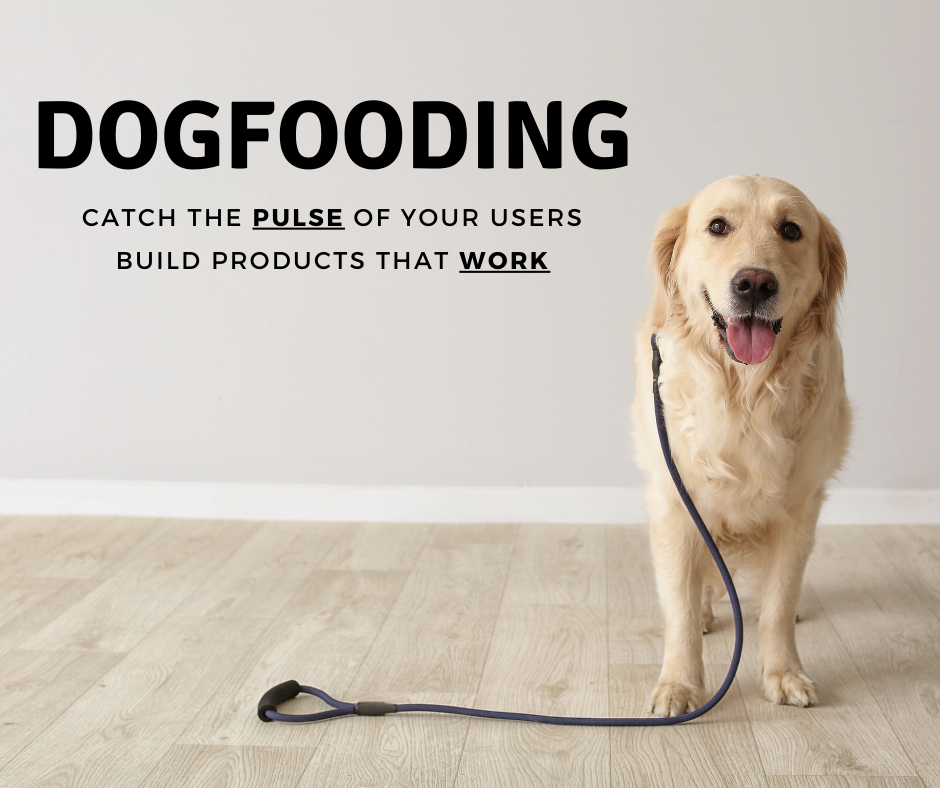
Short for “eating your own dog food,” dogfooding describes the practice of an organization using its own software, hardware, or services in its daily operations. If a company develops a project management tool, its own engineers use that tool to track their sprints. If a company builds a new operating system, its employees install it on their primary work machines. This article explores why dogfooding is a cornerstone of successful tech ecosystems, how it accelerates the development lifecycle, and the best practices for implementing it within a technical framework.

The Mechanics of Dogfooding in the Software Life Cycle
Dogfooding is not merely a casual trial run; it is a structured phase of the Software Development Life Cycle (SDLC) that bridges the gap between the controlled environment of a QA lab and the chaotic reality of the end-user’s world. By integrating internal usage into the development process, companies can identify systemic issues that automated scripts might overlook.
Bridging the Gap Between Development and User Experience
Often, there is a disconnect between the engineers who build a product and the customers who use it. Engineers understand the “how” of the code, but they may lose sight of the “why” of the user journey. Dogfooding forces developers to step into the shoes of the user. When a developer encounters a clunky interface or a slow-loading screen in their own daily work, the motivation to fix it shifts from a Jira ticket requirement to a personal necessity. This organic empathy leads to more intuitive UI designs and more robust feature sets.
Continuous Feedback Loops and Rapid Iteration
In modern DevOps environments, speed is a competitive advantage. Traditional beta testing with external users involves a long feedback loop: recruiting users, waiting for them to use the product, collecting data, and analyzing reports. Dogfooding creates a high-velocity feedback loop. Internal users are accessible, understand the technical language required to report bugs accurately, and can provide real-time data on how a new build performs under the heavy load of a corporate infrastructure. This allows for “hotfixes” to be deployed and validated before the software ever reaches an external customer.
Identifying Edge Cases in Real-World Environments
Automated tests are excellent at checking “happy paths”—the expected ways a user interacts with software. However, they are less effective at catching “edge cases” that occur when a product is used in unpredictable, high-stress, or multi-tasking environments. Dogfooding subjects the software to the unpredictability of a real office environment. Whether it’s how an app handles a sudden loss of Wi-Fi or how it interacts with other enterprise-level software, internal testing uncovers the “bugs in the wild” that can crash a product during a high-stakes launch.
Why Top Tech Giants Embrace the “Eat Your Own Dog Food” Philosophy
The history of dogfooding is rooted in the success stories of the world’s most influential tech companies. From Microsoft’s early days to the modern era of Google and Meta, the practice has been used to validate billion-dollar products.
Quality Assurance Beyond Automated Testing
While unit tests and integration tests are fundamental to software engineering, they lack the nuance of human intuition. For example, a piece of code might be technically “correct” and pass all automated checks, yet feel “sluggish” or “unresponsive” to a human operator. Tech giants use dogfooding to ensure that the performance metrics align with the actual user experience. If a Google engineer finds that a new Gmail feature adds even a half-second of latency to their morning workflow, that feature is sent back to the drawing board, regardless of what the automated tests say.
Building Empathy within Engineering Teams
One of the greatest risks in software development is “feature creep”—the tendency to add complex features that users don’t actually need or want. When engineering teams are required to use their own products, they become highly sensitive to complexity. They begin to value simplicity and reliability because they are the ones who have to live with the product eight hours a day. This builds a culture of ownership and pride; if the team is proud to use the product themselves, the quality of the output inevitably rises.
The Marketing and Trust Signal
While primarily a technical exercise, dogfooding serves as a powerful signal of confidence. When a tech company’s leadership uses their own hardware during a keynote or their own messaging app to communicate internally, it demonstrates a level of trust in the product’s stability. Conversely, if a company’s employees prefer using a competitor’s tool for their daily tasks, it is a glaring red flag that the product is not yet ready for the mainstream market.
Implementing a Successful Dogfooding Program
Not all dogfooding is created equal. Simply telling employees to “use the app” is rarely effective. A successful program requires a technical framework that supports data collection and protects internal productivity.
Defining the Scope and Participant Tiers
An effective dogfooding strategy often uses a tiered approach.
- Alpha Tier: The immediate development team uses the most experimental builds. These versions are often “unstable” and may crash.
- Beta Tier: The wider company uses more stable builds. This helps test scalability and compatibility across different departments (e.g., Marketing, HR, Finance).
- Release Candidate: A final version used by the entire organization to ensure that no “showstopper” bugs remain before the public launch.
Tooling and Infrastructure for Internal Feedback
For dogfooding to work, the barrier to reporting a bug must be incredibly low. Tech-savvy companies often build “shake-to-report” features or internal sidebars into their dogfood builds. These tools automatically capture system logs, device metadata, and screenshots, allowing developers to diagnose issues without needing to interview the internal user. This telemetry is crucial for high-level debugging in complex cloud environments or mobile ecosystems.
Balancing Internal Use with Objective External Testing
It is important to remember that dogfooding is a supplement to, not a replacement for, external testing. Internal users are, by definition, biased. They know how the software is “supposed” to work and may subconsciously work around known flaws. A balanced technical strategy involves using dogfooding to catch functional bugs and performance issues, while using external User Acceptance Testing (UAT) to validate the product’s appeal to a general audience who lacks the technical context of the developers.
Potential Pitfalls and How to Avoid Them
Despite its benefits, dogfooding carries risks that can skew development if not managed correctly. Engineers must remain vigilant to ensure that internal usage doesn’t lead to a distorted view of the product.
The Danger of the “Echo Chamber” Effect
When a product is tested exclusively by the people who built it, there is a risk of developing an “echo chamber.” Employees at a tech company are usually “power users”—they have the latest hardware, high-speed internet, and a high level of technical literacy. If a product only works well for this specific demographic, it may fail spectacularly when released to a global audience using three-year-old smartphones on 3G networks. To mitigate this, companies must simulate “low-spec” environments during their internal testing phases.
Ignoring the Difference Between Power Users and Novices
The way an engineer uses a software tool is fundamentally different from how a first-time customer uses it. Engineers might prefer keyboard shortcuts and complex configurations, whereas a consumer might want a “one-click” solution. Dogfooding can sometimes lead to a “pro-user bias,” where the software becomes too complex for the average person. It is essential to conduct separate usability studies with non-technical participants to ensure the UX remains accessible.
Maintaining Performance Standards
Sometimes, internal users become “blind” to performance regressions because they adapt to them over time. If an internal build gradually becomes slower over six months, employees might not notice the incremental change. Tech leads must rely on hard data—latency metrics, CPU usage, and memory footprints—alongside the qualitative feedback of dogfooding to ensure that the product’s performance remains optimal.

Conclusion
Dogfooding is more than just a tech-industry quirk; it is a rigorous, high-value methodology for ensuring software quality. By integrating their own products into their professional lives, tech companies create a culture of accountability, empathy, and technical excellence. It allows for the discovery of critical bugs in real-world scenarios and ensures that the final product is not just a collection of code, but a polished solution that developers are proud to stand behind.
In an era where software defines the user experience, “eating your own dog food” remains one of the most effective strategies for building technology that is reliable, intuitive, and truly ready for the world stage. Whether you are a startup building your first app or a global enterprise managing a massive SaaS platform, the lesson is clear: if you aren’t willing to use it, you shouldn’t expect your customers to either.
aViewFromTheCave is a participant in the Amazon Services LLC Associates Program, an affiliate advertising program designed to provide a means for sites to earn advertising fees by advertising and linking to Amazon.com. Amazon, the Amazon logo, AmazonSupply, and the AmazonSupply logo are trademarks of Amazon.com, Inc. or its affiliates. As an Amazon Associate we earn affiliate commissions from qualifying purchases.