
The question “What is diphenhydramine hydrochloride?” might seem straightforward, leading one to expect a simple pharmacological definition. However, as we navigate the interconnected landscape of modern life, understanding everyday substances like diphenhydramine hydrochloride extends beyond their immediate medical applications. It touches upon the technological advancements that facilitate access, the branding that shapes our perception, and even the financial implications of its widespread availability and use. While primarily a pharmaceutical, its journey from laboratory to medicine cabinet is influenced by and, in turn, impacts these broader domains.
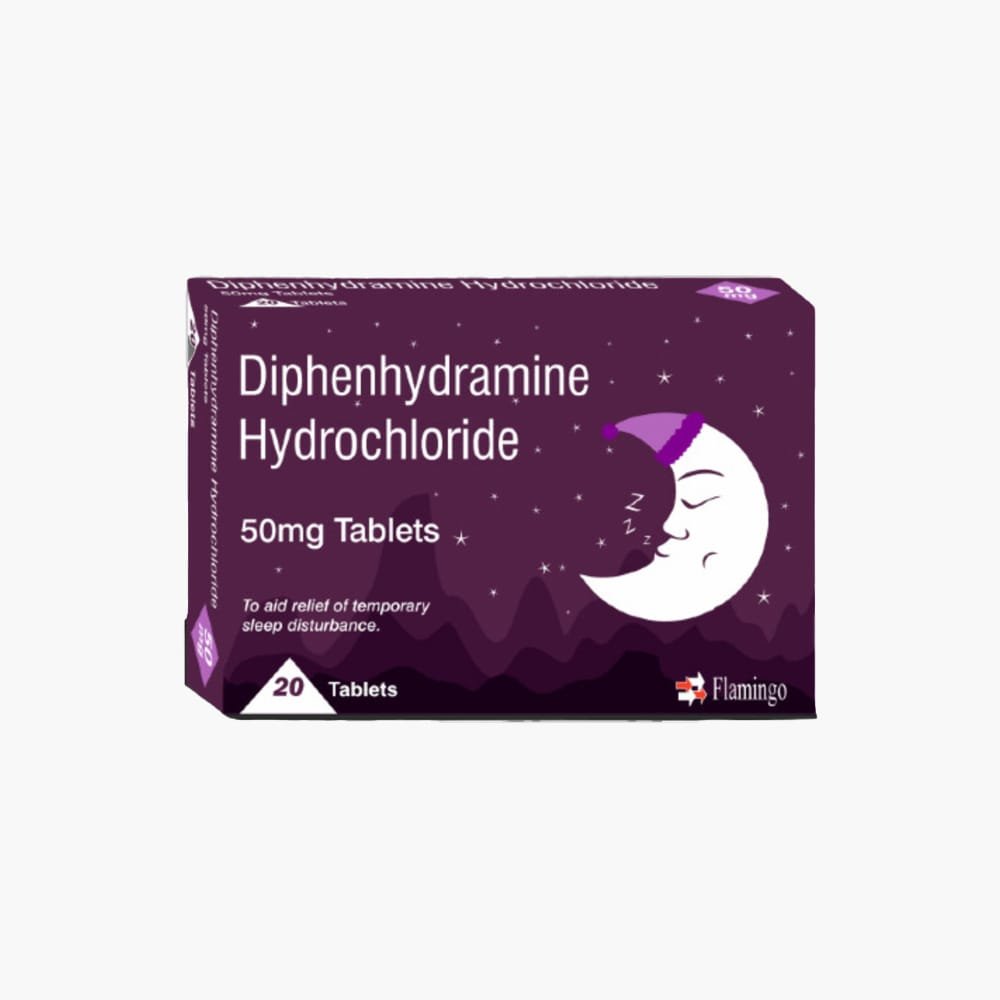
Diphenhydramine hydrochloride is a well-known antihistamine, commonly found in over-the-counter medications. Its primary function is to block the action of histamine, a chemical naturally produced by the body during allergic reactions. By inhibiting histamine, diphenhydramine hydrochloride effectively alleviates symptoms such as sneezing, itching, watery eyes, and runny nose associated with allergies. Beyond its antihistamine properties, it also possesses sedative and anticholinergic effects, which contribute to its use in treating motion sickness and insomnia.
However, to truly grasp the significance of diphenhydramine hydrochloride in the 21st century, we must consider its broader context. How do technological innovations impact its accessibility and information dissemination? What are the brand strategies behind the ubiquitous products that contain it? And what are the financial considerations for both consumers and manufacturers? This exploration aims to provide a comprehensive understanding, moving beyond the purely medical to encompass the technological, branding, and financial dimensions of this common compound.
The Science Behind Diphenhydramine Hydrochloride: More Than Just Allergy Relief
At its core, diphenhydramine hydrochloride is a first-generation antihistamine. Its mechanism of action involves competitively blocking histamine H1 receptors. Histamine is a key mediator in inflammatory and allergic responses. When the body encounters an allergen, it releases histamine, which then binds to H1 receptors in various tissues, causing symptoms like vasodilation (leading to redness and swelling), increased vascular permeability (causing fluid leakage and swelling), and stimulation of nerve endings (resulting in itching and sneezing).
How Diphenhydramine Hydrochloride Works: A Molecular Perspective
Diphenhydramine hydrochloride is a derivative of ethanolamine. Its chemical structure allows it to bind to the H1 receptors, effectively preventing histamine from binding. This competitive inhibition is what leads to the relief of allergic symptoms. Unlike second-generation antihistamines, which are designed to be more selective for peripheral H1 receptors and have less effect on the central nervous system, first-generation antihistamines like diphenhydramine hydrochloride readily cross the blood-brain barrier.
This ability to enter the central nervous system is responsible for its most noticeable side effect: drowsiness. This sedative effect is why diphenhydramine hydrochloride is frequently used as a sleep aid. It interacts with histamine receptors in the brain that regulate wakefulness. By blocking these receptors, it promotes sleep. However, this also means that individuals taking diphenhydramine hydrochloride may experience impaired cognitive function, reduced alertness, and slowed reaction times, which has significant implications for activities requiring concentration, such as driving or operating machinery.
Beyond Allergies and Sleep: Other Therapeutic Uses
While allergies and insomnia are its most common applications, diphenhydramine hydrochloride’s anticholinergic properties also make it effective in managing motion sickness. Motion sickness is believed to involve a complex interplay of signals in the inner ear and the brain. Diphenhydramine hydrochloride can help to dampen these signals, reducing feelings of nausea and vomiting. Its anticholinergic action also contributes to its ability to reduce saliva and bronchial secretions, which can be beneficial in certain cold and cough preparations.
However, it’s crucial to acknowledge the limitations and potential side effects. Due to its sedative effects, it’s generally not recommended for use during the day when alertness is required. Other side effects can include dry mouth, blurred vision, urinary retention, and constipation, particularly in older adults. It can also interact with other medications, including central nervous system depressants, further increasing the risk of sedation.
The Technological Tapestry: Access, Information, and Digital Health
The journey of diphenhydramine hydrochloride from a pharmaceutical compound to a readily available medication is intrinsically linked to technological advancements. The way we access information about it, purchase it, and even monitor its use has been revolutionized by technology.
Digital Access and E-commerce: The Pharmacy at Your Fingertips
The internet has fundamentally changed how consumers interact with healthcare products. Websites and mobile applications now serve as virtual pharmacies, offering a vast array of over-the-counter medications, including those containing diphenhydramine hydrochloride. Online retailers provide detailed product descriptions, ingredient lists, dosage information, and customer reviews, empowering consumers to make informed decisions from the comfort of their homes.
This digital accessibility is particularly beneficial for individuals with mobility issues or those living in areas with limited access to physical pharmacies. Furthermore, subscription services and automated reordering options, facilitated by e-commerce platforms, ensure that individuals who rely on these medications for chronic conditions or regular use have a consistent supply without the need for frequent trips to the store. The development of secure online payment gateways and efficient logistics networks has made the purchasing of such pharmaceuticals seamless and reliable.
Information Dissemination and Health Literacy: The Role of AI and Online Resources
The question “What is diphenhydramine hydrochloride?” is now answered by a multitude of online resources. From official health websites and pharmaceutical company pages to user-generated content on forums and social media, information is abundant. However, the quality and accuracy of this information can vary significantly.
This is where technology plays a crucial role in promoting health literacy. AI-powered search engines and natural language processing tools can help users sift through vast amounts of data to find credible information. AI chatbots are increasingly being deployed by healthcare providers and pharmaceutical companies to answer common questions about medications, including diphenhydramine hydrochloride, its uses, dosages, and potential side effects. These tools can provide instant, accessible information, bridging knowledge gaps and empowering individuals to engage more proactively with their health.
Moreover, digital platforms are being used for pharmacovigilance, the monitoring of drug safety. Online reporting systems allow individuals to report adverse events, contributing to a larger dataset that can be analyzed by regulatory bodies and researchers to identify potential safety concerns associated with diphenhydramine hydrochloride or any other medication.
Digital Health and Wearable Technology: Emerging Applications
While diphenhydramine hydrochloride is a well-established medication, the broader field of digital health is beginning to explore its potential integration with wearable devices and health tracking apps. For instance, apps designed to monitor sleep patterns could, in the future, integrate with information about medication use, helping individuals understand the impact of diphenhydramine hydrochloride on their sleep quality. Similarly, allergy tracking apps could correlate environmental data with symptom reporting, potentially leading to more personalized advice on managing allergies with medications like diphenhydramine hydrochloride.
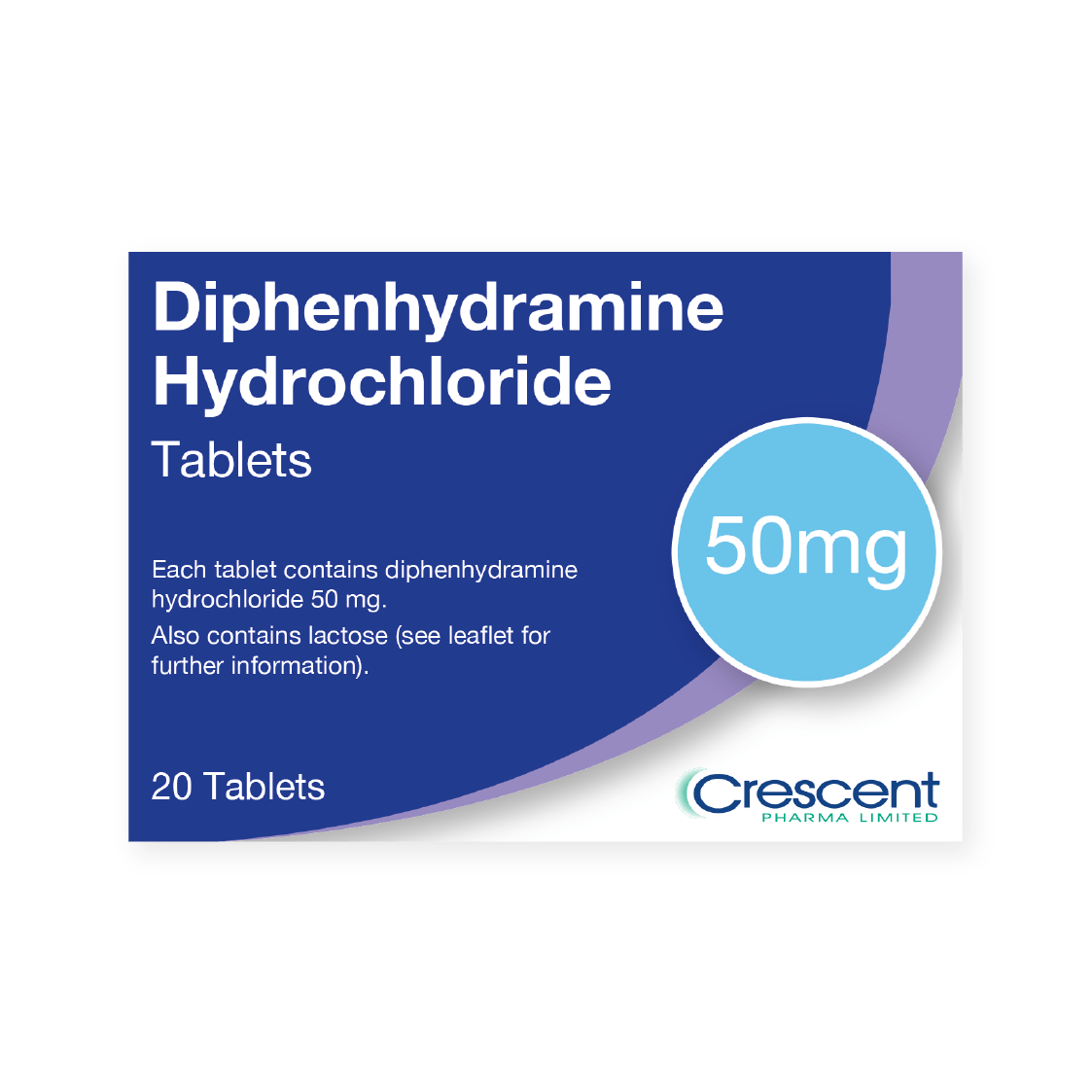
The development of smart packaging and connected devices might also play a role. Imagine pill bottles that remind you to take your medication, track your adherence, and even alert you if a dose is missed. While not yet mainstream for over-the-counter antihistamines, these advancements in digital health technology hold the promise of more integrated and data-driven approaches to medication management.
Brand Strategy and Consumer Perception: From Generic to Recognized Names
The way diphenhydramine hydrochloride is presented to the public is a testament to effective brand strategy. While the active ingredient remains the same, different brands employ distinct marketing and packaging approaches to capture consumer attention and build trust.
The Power of Branding: From Active Ingredient to Household Name
Diphenhydramine hydrochloride is the generic name for the active pharmaceutical ingredient. However, on pharmacy shelves, it is most commonly found under brand names such as Benadryl, Unisom, and others. These brands have invested heavily in building recognition and association with specific therapeutic benefits. For example, Benadryl is strongly linked with allergy relief, while Unisom is positioned as a sleep aid.
Brand strategy in this context involves more than just a catchy name and logo. It encompasses the entire customer experience, from the visual appeal of the packaging to the tone of advertising campaigns. Companies aim to evoke feelings of relief, safety, and reliability. The choice of colors, fonts, and imagery on the packaging is carefully considered to convey these messages. For instance, calming blues and whites might be used for allergy relief products, while softer, more muted tones might be employed for sleep aids.
Marketing and Advertising: Shaping Perceptions and Driving Demand
The marketing and advertising of diphenhydramine hydrochloride-containing products are sophisticated endeavors. Campaigns often focus on relatable scenarios: the misery of seasonal allergies, the frustration of sleepless nights, or the discomfort of motion sickness. By highlighting these common problems and presenting their product as the solution, brands create an emotional connection with consumers.
Advertising can take various forms, including television commercials, print ads, online advertisements, and social media campaigns. The messaging needs to be carefully crafted to comply with pharmaceutical advertising regulations, which often require a balance between promoting benefits and disclosing risks and side effects. The effectiveness of these campaigns is measured not only by sales figures but also by brand recall and consumer perception surveys. A successful brand can command a premium price, even when the generic alternative is available at a lower cost, underscoring the power of branding in the consumer market.
Building Trust and Reputation: The Cornerstone of Pharmaceutical Brands
In the pharmaceutical industry, trust and reputation are paramount. Consumers are entrusting their health to these products. Therefore, brands that produce diphenhydramine hydrochloride must prioritize safety, efficacy, and ethical marketing practices. A strong reputation is built over time through consistent product quality, transparent communication, and a commitment to consumer well-being.
Case studies of successful brands often highlight their dedication to research and development, rigorous quality control measures, and responsive customer service. Positive word-of-mouth, often amplified through online reviews and testimonials, plays a significant role in reinforcing a brand’s reputation. Conversely, any perceived lapse in quality or safety can have a devastating impact on a brand’s standing, leading to a decline in sales and consumer confidence. The long-standing presence of certain brands in the market for diphenhydramine hydrochloride is a testament to their ability to consistently deliver on these expectations.
Financial Considerations: Affordability, Investment, and Economic Impact
The ubiquity of diphenhydramine hydrochloride also brings to the fore significant financial considerations, impacting consumers, manufacturers, and the broader economy. Its affordability and accessibility are key factors in its widespread use, and the market for such over-the-counter medications represents a substantial economic sector.
Personal Finance and Accessibility: Affordable Relief for Common Ailments
For many consumers, diphenhydramine hydrochloride represents an affordable solution to common health issues. As an over-the-counter (OTC) medication, it does not typically require a prescription, reducing barriers to access and eliminating the associated doctor’s visit costs. This affordability is crucial for individuals managing tight personal budgets, allowing them to alleviate symptoms of allergies, insomnia, or motion sickness without significant financial strain.
The availability of both branded and generic versions further enhances affordability. Generic diphenhydramine hydrochloride products, which contain the same active ingredient but are produced by different manufacturers, are generally priced lower than their brand-name counterparts. This competition among manufacturers helps to keep prices down, ensuring that a wide range of consumers can access the relief they need. Financial planning for households often includes an allocation for basic healthcare needs, and the low cost of diphenhydramine hydrochloride makes it a manageable expense.
Business Finance and the Pharmaceutical Market: Manufacturing and Distribution
The production and distribution of diphenhydramine hydrochloride-containing products represent a significant segment of the pharmaceutical industry. For the companies involved, it’s a matter of business finance and strategic market positioning. Manufacturing processes need to be efficient and cost-effective to ensure profitability, especially in a market with considerable competition from both large pharmaceutical corporations and smaller generic manufacturers.
Investment in research and development might be focused not on discovering new active ingredients, but rather on optimizing formulations, improving delivery mechanisms, or developing combination products. The economics of scale are critical; large-volume production drives down per-unit costs. Distribution networks, warehousing, and supply chain management are also substantial components of the business finance landscape for these products, ensuring timely delivery to pharmacies, retailers, and online marketplaces worldwide. The profitability of these over-the-counter drugs contributes to the overall financial health of the companies involved.

The Broader Economic Impact: Employment and Healthcare Costs
The economic impact of diphenhydramine hydrochloride extends beyond individual transactions. The pharmaceutical companies that manufacture and market these products create jobs in manufacturing, research, sales, marketing, and logistics. The supply chain itself generates employment at various levels, from raw material suppliers to distributors and retail workers.
Furthermore, by providing accessible and affordable relief for common ailments, diphenhydramine hydrochloride can indirectly reduce broader healthcare costs. When individuals can effectively manage their allergies or occasional sleeplessness with OTC medications, they may be less likely to require more costly medical interventions. While not a cure for chronic or severe conditions, its role in symptomatic relief contributes to a more efficient healthcare system by addressing minor health concerns before they escalate. The economic contribution, therefore, is a multifaceted one, encompassing job creation, market revenue, and potential savings in overall healthcare expenditure.
In conclusion, while diphenhydramine hydrochloride is fundamentally a chemical compound with specific pharmacological actions, understanding its place in the modern world requires a broader perspective. Its journey from laboratory to consumer is shaped by technological innovation, sophisticated brand strategies, and significant financial considerations. As we continue to integrate technology into our lives, engage with brands on an increasingly personal level, and manage our personal and collective finances, the humble antihistamine serves as a microcosm of these complex, interconnected forces.
aViewFromTheCave is a participant in the Amazon Services LLC Associates Program, an affiliate advertising program designed to provide a means for sites to earn advertising fees by advertising and linking to Amazon.com. Amazon, the Amazon logo, AmazonSupply, and the AmazonSupply logo are trademarks of Amazon.com, Inc. or its affiliates. As an Amazon Associate we earn affiliate commissions from qualifying purchases.