
In the modern era, the line between traditional cosmetic services and high-end technology has blurred. Nowhere is this more evident than in the evolution of hair styling, specifically through the “digital perm.” While the term might sound like a marketing buzzword, it represents a significant leap in BeautyTech—the application of precision engineering, thermal sensors, and microprocessor control to the art of hair modification. Understanding the digital perm requires a deep dive into the hardware and software logic that separates it from legacy methods, positioning it as a cornerstone of the digitized salon experience.
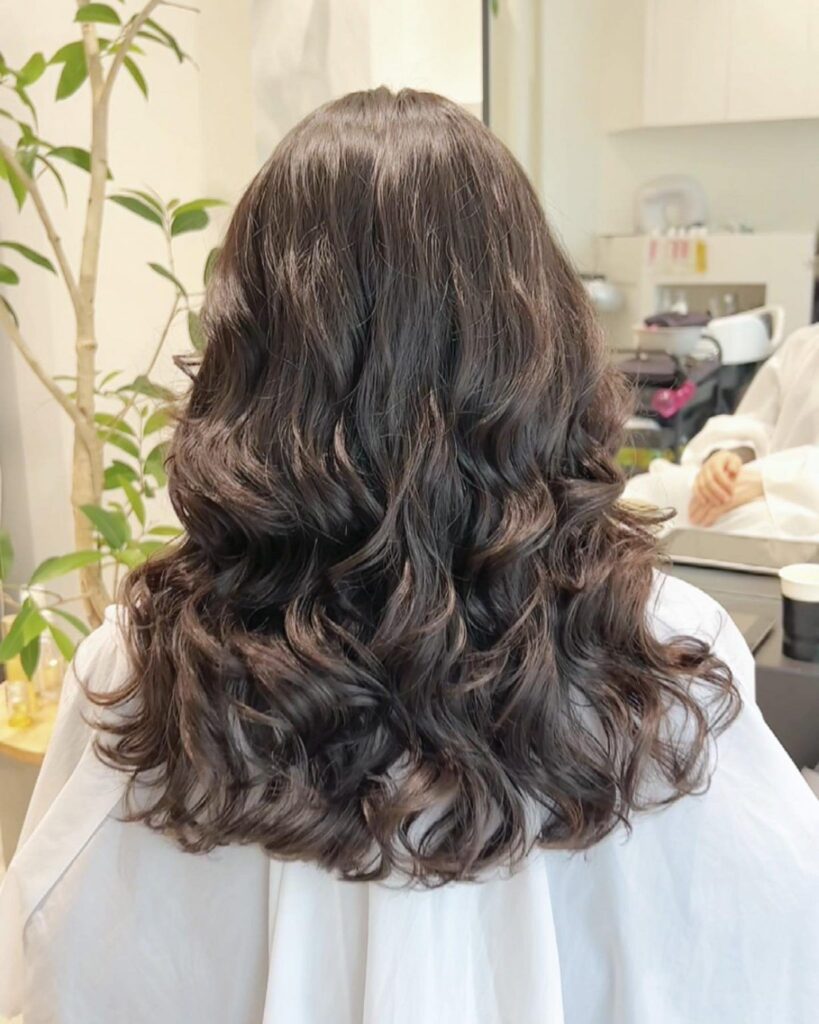
The Engineering Behind the Curls: How Digital Perm Technology Works
At its core, a digital perm is a thermochemical process regulated by a sophisticated electronic interface. Unlike the “cold perms” of the 20th century, which relied almost exclusively on chemical reactions to break and reform hair bonds, the digital perm utilizes a computerized system to manage the application of heat with surgical precision.
The Hardware: Thermal Sensors and Microprocessors
The central unit of a digital perm system is often referred to as the “machine”—a tall, mobile console equipped with a series of digital displays and several dangling power cables. These cables connect to specialized rollers that contain internal heating elements. Unlike traditional rollers that are heated externally or not at all, digital perm rollers are individual electronic components.
Each roller is monitored by thermal sensors that feed real-time data back to the central microprocessor. This allows the stylist (or the system’s automated program) to maintain an exact temperature, typically ranging between 80°C and 120°C. If a roller exceeds the programmed threshold, the system automatically throttles the power, preventing heat damage—a feat of safety engineering that was impossible before the integration of digital control boards.
Chemical Engineering Meets Heat Control
The digital perm process involves a two-stage chemical application, but the “digital” aspect is what catalyzes the result. First, a solution is applied to break the disulfide bonds in the hair. Once the hair is sensitized, it is wound onto the electronic rollers. The machine then executes a specific heat profile. This isn’t just a “high/low” toggle; modern machines utilize “ramping” logic, where the temperature is gradually increased and then held at a plateau to ensure the internal structure of the hair mimics the shape of the roller without being scorched. The digital interface allows for the customization of this profile based on the hair’s thickness and previous chemical history, showcasing a level of granular control synonymous with modern industrial manufacturing.
The Digitalization of the Salon Industry
The rise of the digital perm is a microcosm of a larger trend: the digitalization of the salon industry. Professional beauty environments are increasingly resembling tech labs, where data-driven decisions replace the “best guess” methods of the past.
IoT Integration in Beauty Equipment
We are moving toward an era where digital perm machines are becoming part of the Internet of Things (IoT). High-end models now feature Wi-Fi connectivity, allowing manufacturers to push firmware updates that include new heating algorithms or “recipes” developed in laboratories. For salon owners, this means their hardware can evolve over time, much like a smartphone or a smart vehicle.
Furthermore, these connected devices allow for “session logging.” Every time a digital perm is performed, the machine can record the temperature, duration, and specific heat curve used. This data can be stored in a client’s digital profile, ensuring that when they return six months later, the stylist can replicate the exact technical parameters for consistent results. This transition from artisanal memory to digital data storage is a hallmark of the modern tech-integrated service sector.
Precision over Tradition: The Tech Advantage
The “Tech Advantage” of the digital perm lies in its reproducibility. Traditional perms were notoriously unpredictable, often resulting in “frizz” if the chemical was left on for thirty seconds too long. Digital perms mitigate this risk through automated timers and regulated heat. The digital control unit ensures that the heat is distributed evenly across the entire surface of the roller, eliminating “cold spots” that result in uneven textures. By digitizing the thermal component of the process, the industry has moved from a high-variance craft to a high-precision technical procedure.
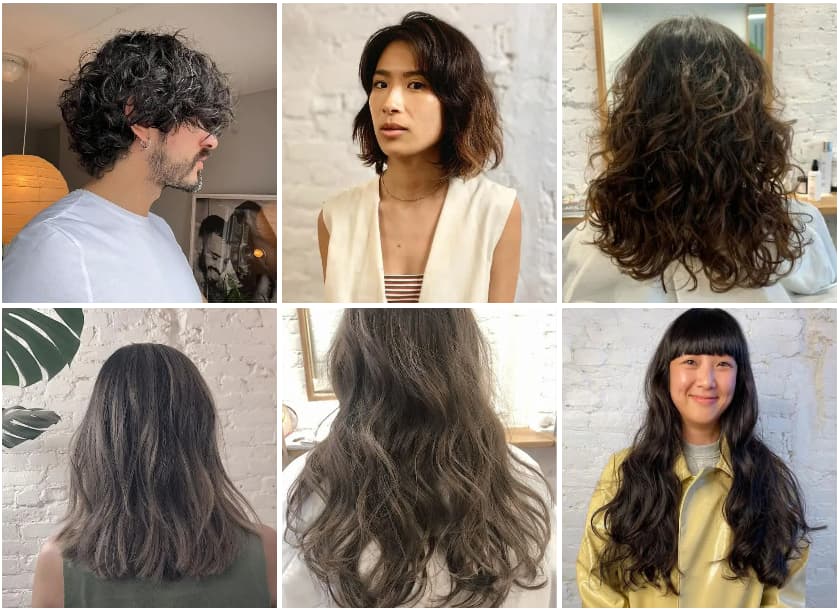
AI and Personalization in Digital Perming
As we look toward the next generation of BeautyTech, Artificial Intelligence (AI) is beginning to play a pivotal role in how digital perms are administered. The goal is total personalization—moving away from “one-size-fits-all” settings to a bespoke digital experience.
Analyzing Hair Porosity via Smart Sensors
Future iterations of digital perm machines are expected to include diagnostic sensors that analyze the hair’s health before the heat is even applied. Using infrared spectroscopy or moisture-level sensors, the machine can determine the porosity and tensile strength of the hair fiber. This data is then processed by an onboard AI model to suggest the optimal temperature and duration for the perm. Instead of a human stylist manually selecting a “Fine Hair” or “Damaged Hair” preset, the machine’s sensors will provide a data-backed recommendation, reducing the margin for human error.
Predictive Styling Algorithms
Beyond the physical application, software is being developed to predict the long-term outcome of a digital perm. By utilizing “Digital Twin” technology—a concept used in engineering to create a virtual model of a physical object—stylists can simulate how a specific heat profile will affect a client’s specific hair type over several months. These predictive algorithms take into account environmental factors like humidity and average UV exposure to tell the client exactly how their “digital curls” will hold up, transforming a beauty service into a data-driven consultation.
Security and Safety in Digitalized Beauty Tools
With the introduction of complex electronics into a salon environment—where water and chemicals are prevalent—digital security and physical safety protocols have become paramount. The engineering of a digital perm machine must account for these hazards through redundant safety systems.
Regulating Heat through Smart Feedback Loops
A primary concern in digital perms is the risk of an electrical short or a thermal runaway. To combat this, digital perm machines employ “Smart Feedback Loops.” The software constantly checks the resistance in the heating coils of the rollers. If it detects an anomaly—such as a sudden spike in resistance caused by a frayed wire—the system executes an emergency shutdown in milliseconds. This level of automated safety is a direct result of advancements in digital power management and circuit design.
Data Privacy in Connected Beauty Devices
As salon equipment becomes more “connected,” the issue of digital security and data privacy comes to the forefront. When a machine stores a client’s chemical history and hair health data, it becomes a repository of Personal Identifiable Information (PII). This has led to the implementation of encrypted databases and secure login protocols for salon hardware. The tech industry’s focus on cybersecurity is now a necessary component of the beauty industry, ensuring that a client’s “digital hair profile” remains as secure as their financial records.
The Future of Digital Beauty Tech
The digital perm is just the beginning. The roadmap for beauty technology suggests a future where the entire salon experience is a seamless digital workflow. From the moment a client’s hair is scanned to the moment the computerized rollers are removed, the process is becoming increasingly automated and precise.
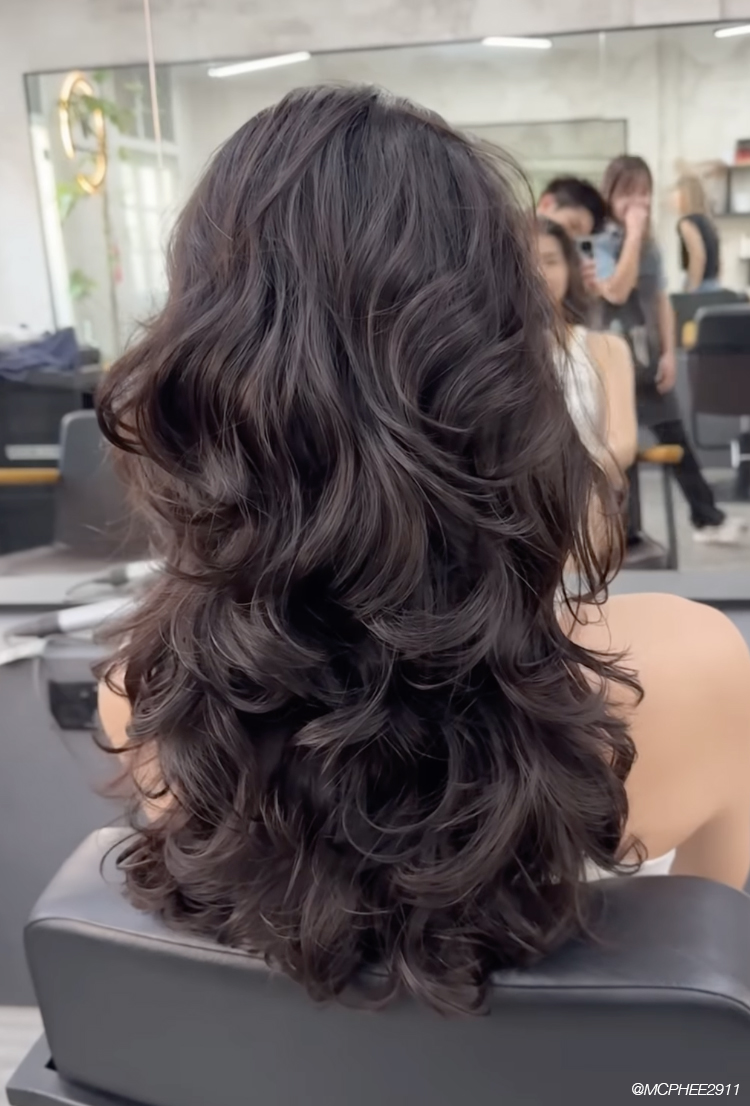
Sustainable Technology in Hair Care
A significant portion of tech research is currently focused on sustainability. Traditional salon equipment is often energy-inefficient. However, the new generation of digital perm machines is being engineered for “Green Tech” compliance. By using high-efficiency ceramic heaters and intelligent power distribution, these machines minimize energy waste. The digital control allows the machine to power down individual rollers as soon as they reach their target “cure” time, rather than keeping the entire unit running at peak power. This intersection of digital precision and environmental consciousness represents the next phase of Tech in the beauty sector.
In conclusion, the digital perm is far more than a hairstyle; it is a sophisticated application of thermal engineering and digital control systems. By replacing guesswork with microprocessors and manual labor with automated heat profiles, the beauty industry has embraced the core tenets of the technology sector: precision, data-driven results, and constant innovation. As AI and IoT continue to integrate with these tools, the “what is a digital perm” question will increasingly be answered not by stylists, but by engineers and data scientists who are redefining the limits of human aesthetic modification through technology.
aViewFromTheCave is a participant in the Amazon Services LLC Associates Program, an affiliate advertising program designed to provide a means for sites to earn advertising fees by advertising and linking to Amazon.com. Amazon, the Amazon logo, AmazonSupply, and the AmazonSupply logo are trademarks of Amazon.com, Inc. or its affiliates. As an Amazon Associate we earn affiliate commissions from qualifying purchases.