
The digital landscape is in constant flux, with new technologies emerging to reshape how we interact, transact, and manage our lives. Among the most intriguing of these innovations are Decentralized Applications, or DApps. More than just another acronym in the tech lexicon, DApps represent a fundamental shift in application architecture, moving away from centralized servers and towards a more robust, transparent, and user-centric model.
For anyone navigating the realms of technology, branding, or even personal finance, understanding DApps is becoming increasingly crucial. They are not confined to the niche world of cryptocurrency; their potential applications span across various industries, influencing how we build brands, secure our digital identities, and even manage our financial futures. This article will delve into the core of what DApps are, explore their underlying technology, highlight their benefits, and discuss their burgeoning impact on the technological, branding, and financial spheres.

The Core of Decentralization: How DApps Work
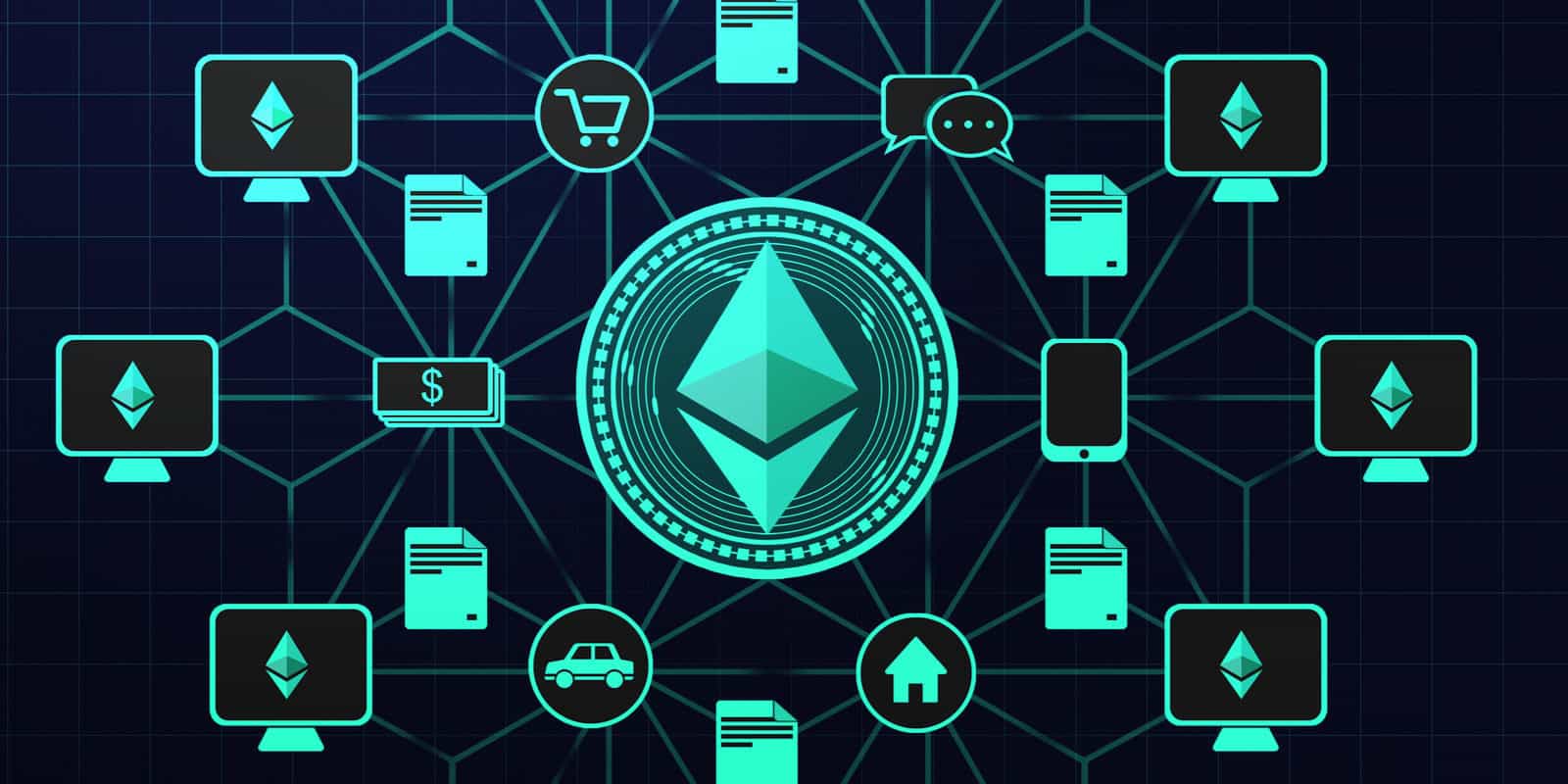
At its heart, a DApp is an application whose backend code runs on a decentralized peer-to-peer network, rather than on a single, centralized server. The most common platform for DApps is blockchain technology, particularly Ethereum, which provides a smart contract execution environment. Let’s break down the fundamental components that make a DApp distinct:
The Blockchain Backbone: A Foundation of Trust
The blockchain is the foundational technology enabling DApps. Imagine a distributed, immutable ledger that records every transaction or piece of data across a network of computers. Instead of a company owning and controlling a central database, this ledger is shared and validated by numerous participants. This inherent distribution offers several key advantages:
- Decentralization: No single entity has control over the network or the data stored on it. This eliminates single points of failure and reduces the risk of censorship or manipulation.
- Transparency: All transactions on a public blockchain are visible to anyone, fostering trust and accountability. While users can remain pseudonymous, the flow of information is open.
- Immutability: Once data is recorded on the blockchain, it is extremely difficult, if not impossible, to alter or delete it. This ensures the integrity and permanence of records.
Smart Contracts: The Automated Rulebooks
Smart contracts are self-executing contracts with the terms of the agreement directly written into code. They run on the blockchain and automatically execute actions when predefined conditions are met. Think of them as automated vending machines for digital services. When you interact with a DApp, you are often interacting with smart contracts that govern its functionality.
For instance, a smart contract could be programmed to release funds from an escrow account only when a certain digital asset has been verified as delivered. This automation removes the need for intermediaries, reduces transaction costs, and ensures that agreements are executed precisely as intended.
Frontend and Backend: A Shift in Architecture
Traditionally, applications have a frontend (what the user sees and interacts with) and a backend (the server-side logic and database). In a DApp, the frontend can still be a familiar web or mobile interface. However, the backend logic and data are not hosted on a central server. Instead, the DApp interacts with the decentralized network through smart contracts.
- Frontend: This is typically built using standard web technologies like HTML, CSS, and JavaScript, making it accessible through web browsers or dedicated mobile applications.
- Backend/Logic: This resides on the blockchain. When a user performs an action in the DApp’s frontend, it triggers a transaction or a call to a smart contract on the blockchain. The network then processes this request, and the result is recorded on the immutable ledger.
This architectural difference is crucial. It means that the core functionality and data of a DApp are not controlled by a single developer or company, offering a level of resilience and transparency rarely seen in traditional software.
The Advantages of DApp Technology: Beyond the Hype
The architectural shift inherent in DApps brings forth a compelling set of advantages that address many of the shortcomings of centralized applications. These benefits have far-reaching implications for individuals, businesses, and the broader digital ecosystem.
Enhanced Security and Privacy
In a world increasingly concerned with data breaches and privacy violations, DApps offer a compelling alternative.
- Reduced Attack Surface: By decentralizing data storage and processing, DApps eliminate the single point of failure that attackers often target in centralized systems. There’s no central server to hack to gain access to all user data.
- User Control Over Data: Many DApps empower users to retain control over their own data. Instead of handing over personal information to a company, users can manage their digital assets and identity directly, often using private keys for secure access.
- Cryptographic Security: The underlying blockchain technology uses robust cryptographic principles to secure transactions and data, making it incredibly difficult to tamper with.

Increased Transparency and Trust
The open and verifiable nature of blockchain technology inherently fosters trust.
- Auditable Transactions: Every action performed on a DApp that interacts with the blockchain is recorded and publicly verifiable. This transparency means that users can audit the application’s behavior, ensuring fairness and preventing hidden manipulations.
- Elimination of Intermediaries: Smart contracts automate processes that traditionally required trusted third parties (like banks, lawyers, or escrow agents). This not only reduces costs but also removes the potential for bias or error from these intermediaries.
- Open-Source Development: Many DApps are developed with an open-source ethos, allowing anyone to inspect the code. This further enhances transparency and builds confidence in the application’s integrity.
Greater Resilience and Uptime
Centralized servers are susceptible to downtime due to technical failures, cyberattacks, or even deliberate shutdowns. DApps, running on a distributed network, are inherently more resilient.
- No Single Point of Failure: If one node or server in the network goes down, the DApp can continue to operate as long as other nodes are active. This distributed nature ensures a significantly higher level of uptime.
- Censorship Resistance: Without a central authority to control or shut down an application, DApps are much harder to censor or remove. This is particularly important for applications that facilitate free speech or operate in regions with restrictive internet policies.
DApps Across Industries: Transforming Tech, Brand, and Money
The versatility of DApps means they are not just a theoretical construct but are actively being developed and deployed across a wide array of sectors, profoundly impacting technology trends, brand strategies, and financial systems.
Revolutionizing Technology: Beyond Traditional Apps
From an AI tool to a digital security platform, DApps are injecting new possibilities into the tech landscape.
- Decentralized AI and Machine Learning: Imagine AI models that are trained on distributed data, with the training process itself managed by smart contracts. This can lead to more robust, unbiased AI, where the underlying algorithms are transparent and verifiable. AI tools that leverage DApps could offer enhanced privacy for user data used in training.
- Secure Digital Identity Management: DApps can provide users with self-sovereign identity solutions, allowing them to control their personal data and choose what information to share with applications. This is a significant step forward in digital security and privacy, moving away from vulnerable, centralized identity databases.
- Decentralized Storage and Computing: Projects are emerging that offer decentralized alternatives to cloud storage and computing services. Instead of relying on Amazon Web Services or Google Cloud, users can tap into a distributed network of resources, potentially leading to lower costs and increased resilience.
- Gaming and Metaverse: The gaming industry is a significant early adopter of DApps and blockchain technology. Non-Fungible Tokens (NFTs), often managed by DApps, allow players to truly own in-game assets. The burgeoning metaverse, a persistent, interconnected set of virtual worlds, heavily relies on DApp architecture for ownership, transactions, and governance.
Reimagining Brand: Transparency, Engagement, and Loyalty
For businesses and individuals focused on brand building, DApps offer novel ways to engage with audiences and cultivate trust.
- Transparent Supply Chains and Provenance: Brands can use DApps to create immutable records of their products’ journeys from origin to consumer. This transparency builds immense trust and can combat counterfeiting, assuring customers of authenticity and ethical sourcing. Case studies in luxury goods and food industries are already showcasing this potential.
- Decentralized Loyalty Programs and Community Building: Instead of traditional points systems, DApps can power token-based loyalty programs. Users earn tokens for engagement, purchases, or contributions, which can then be used for exclusive access, discounts, or even governance rights within a brand’s ecosystem. This fosters a deeper sense of community and ownership.
- Enhanced Digital Marketing and Advertising: DApps can enable privacy-preserving advertising models where users have more control over the ads they see and are potentially rewarded for their attention. This could lead to more relevant and less intrusive marketing campaigns, improving the user experience and brand perception.
- Decentralized Autonomous Organizations (DAOs) for Brands: Brands can leverage DAOs, a form of DApp governance, to allow their community to participate in decision-making processes. This radical transparency can foster deeper brand loyalty and create a more engaged customer base, aligning corporate identity with community values.
Transforming Money: Decentralized Finance (DeFi) and Beyond
The financial sector is perhaps where DApps have made the most visible and disruptive impact through Decentralized Finance (DeFi).
- Peer-to-Peer Lending and Borrowing: DApps allow individuals to lend their digital assets and earn interest, or borrow funds, directly from other users without going through traditional banks. Smart contracts automate the entire process, from collateralization to interest calculation.
- Decentralized Exchanges (DEXs): Unlike centralized exchanges that hold user funds, DEXs allow users to trade cryptocurrencies and other digital assets directly from their wallets. This significantly reduces counterparty risk and enhances security.
- Stablecoins and Payment Systems: DApps are powering stablecoins, which are cryptocurrencies pegged to stable assets like the US dollar. These can be used for everyday transactions, remittances, and as a stable store of value within the decentralized ecosystem, offering a new avenue for online income and side hustles.
- Yield Farming and Staking: DApps enable users to earn passive income by providing liquidity to decentralized protocols or by staking their digital assets to help secure a network. These financial tools offer new opportunities for personal finance management and wealth creation.
- Decentralized Insurance and Asset Management: The principles of DApps are being applied to create decentralized insurance products and automated asset management solutions, offering alternatives to traditional financial services.
The Future of DApps: Challenges and Opportunities
While the potential of DApps is immense, their widespread adoption still faces several challenges. Scalability remains a key hurdle; many blockchains struggle to process a high volume of transactions quickly and affordably. User experience also needs refinement; interacting with DApps can still be complex for the average user, requiring knowledge of wallets and private keys. Regulatory uncertainty also looms, as governments grapple with how to govern this new decentralized landscape.
However, the ongoing innovation within the DApp ecosystem is rapidly addressing these challenges. Developers are working on layer-2 scaling solutions, improving wallet technology, and building more intuitive user interfaces. As these issues are overcome, we can expect DApps to become increasingly integrated into our daily lives.
For those interested in the future of technology, the evolution of brand engagement, and the democratization of finance, understanding DApps is not just beneficial – it’s essential. They represent a powerful paradigm shift, offering a more secure, transparent, and user-empowered digital future. Whether you’re a developer building the next generation of applications, a brand looking to connect with your audience in new ways, or an individual seeking greater control over your financial destiny, the world of DApps holds exciting possibilities waiting to be explored.
aViewFromTheCave is a participant in the Amazon Services LLC Associates Program, an affiliate advertising program designed to provide a means for sites to earn advertising fees by advertising and linking to Amazon.com. Amazon, the Amazon logo, AmazonSupply, and the AmazonSupply logo are trademarks of Amazon.com, Inc. or its affiliates. As an Amazon Associate we earn affiliate commissions from qualifying purchases.