
The acronym CYP450, often pronounced “sip-4-50,” stands as a cornerstone in our understanding of biological processes, particularly within the intricate world of cellular metabolism. Far from being a mere academic curiosity, this superfamily of enzymes plays a critical, often life-sustaining, role in virtually all living organisms, from humble bacteria to complex human beings. In the context of technology, understanding CYP450 is fundamental to advancements in drug discovery, toxicology, and personalized medicine, making it a pivotal area of research and development within the biotechnology sector. This article delves into the multifaceted nature of CYP450 enzymes, exploring their structure, function, and the profound technological implications they hold.
The Ubiquitous Family: Structure and Evolution of CYP450 Enzymes
The Cytochrome P450 (CYP) superfamily is characterized by its heme prosthetic group, a porphyrin ring containing an iron atom at its center. This heme group is crucial for the enzyme’s catalytic activity, enabling it to bind and activate molecular oxygen. The “450” in CYP450 refers to a characteristic spectral absorbance peak at 450 nanometers when the heme iron is reduced and complexed with carbon monoxide. This unique spectroscopic signature was key to their initial identification and classification.
Molecular Architecture and Diversity
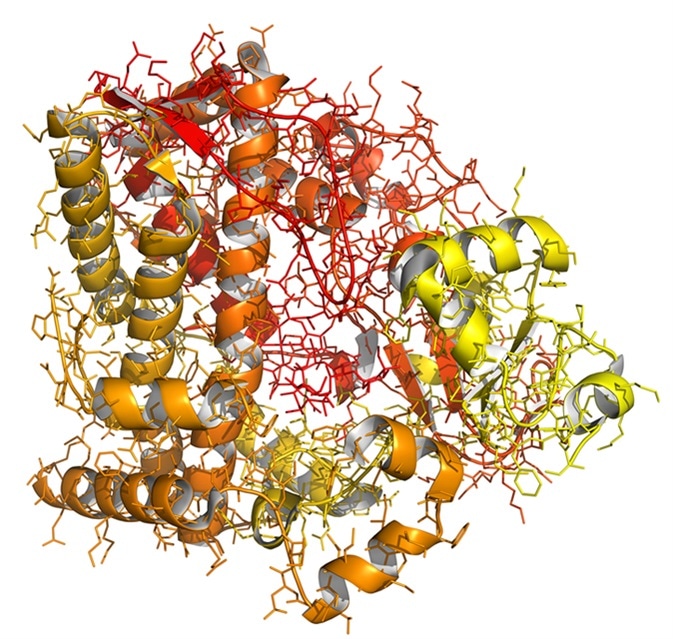
CYP450 enzymes are proteins, encoded by genes, and their structures exhibit remarkable diversity while maintaining the conserved heme-binding domain. This structural variability allows for a broad range of substrate specificities and catalytic functions. While the precise three-dimensional structure varies significantly between different CYP isoforms, they generally share a common folding pattern that positions the heme group within a hydrophobic pocket, accessible to a wide array of molecules. This intricate molecular architecture is a testament to evolutionary adaptation, enabling these enzymes to tackle an astonishing diversity of chemical compounds. The sheer number of CYP genes and their distribution across different species highlight their ancient origins and essential roles in life.
Evolutionary Significance and Adaptation
The CYP gene superfamily is ancient, with homologs found in nearly every domain of life, including bacteria, archaea, fungi, plants, and animals. This widespread presence underscores their fundamental importance in an organism’s ability to interact with its chemical environment. Over evolutionary time, CYP genes have undergone duplication and divergence, leading to specialized isoforms that can metabolize specific endogenous molecules (like steroids and fatty acids) or exogenous compounds (like xenobiotics – foreign substances such as drugs and environmental toxins). This evolutionary plasticity has allowed organisms to adapt to changing diets, develop detoxification mechanisms against naturally occurring poisons, and fine-tune essential metabolic pathways. Understanding this evolutionary trajectory provides valuable insights into the functional conservation and diversification of these enzymes across different species, a critical consideration in comparative toxicology and drug development.
The Multifaceted Roles of CYP450: Beyond Detoxification
While often lauded for their role in detoxifying harmful substances, CYP450 enzymes are far more than simple cellular “clean-up crews.” They are indispensable participants in a vast array of physiological processes, orchestrating critical biochemical transformations that are vital for life. Their involvement spans synthesis, degradation, and modification of a multitude of molecules within an organism.
Metabolic Handlers: Endogenous Substrate Transformation
A significant portion of CYP450 activity is dedicated to the metabolism of endogenous compounds – molecules produced within the body itself. This includes the synthesis and modification of crucial signaling molecules and structural components. For instance, specific CYP isoforms are involved in the biosynthesis of steroids, such as testosterone and estrogen, which are critical for reproductive health and development. They also play a role in the metabolism of fatty acids, prostaglandins, and bile acids, all of which are essential for cellular function, inflammation, and digestion. Furthermore, CYP enzymes are involved in the activation or inactivation of vitamins, such as vitamin D, highlighting their broad physiological impact. This endogenous metabolic activity makes CYP450 enzymes indispensable for maintaining homeostasis and regulating complex biological pathways.
Xenobiotic Metabolism: The Gatekeepers of Toxicity
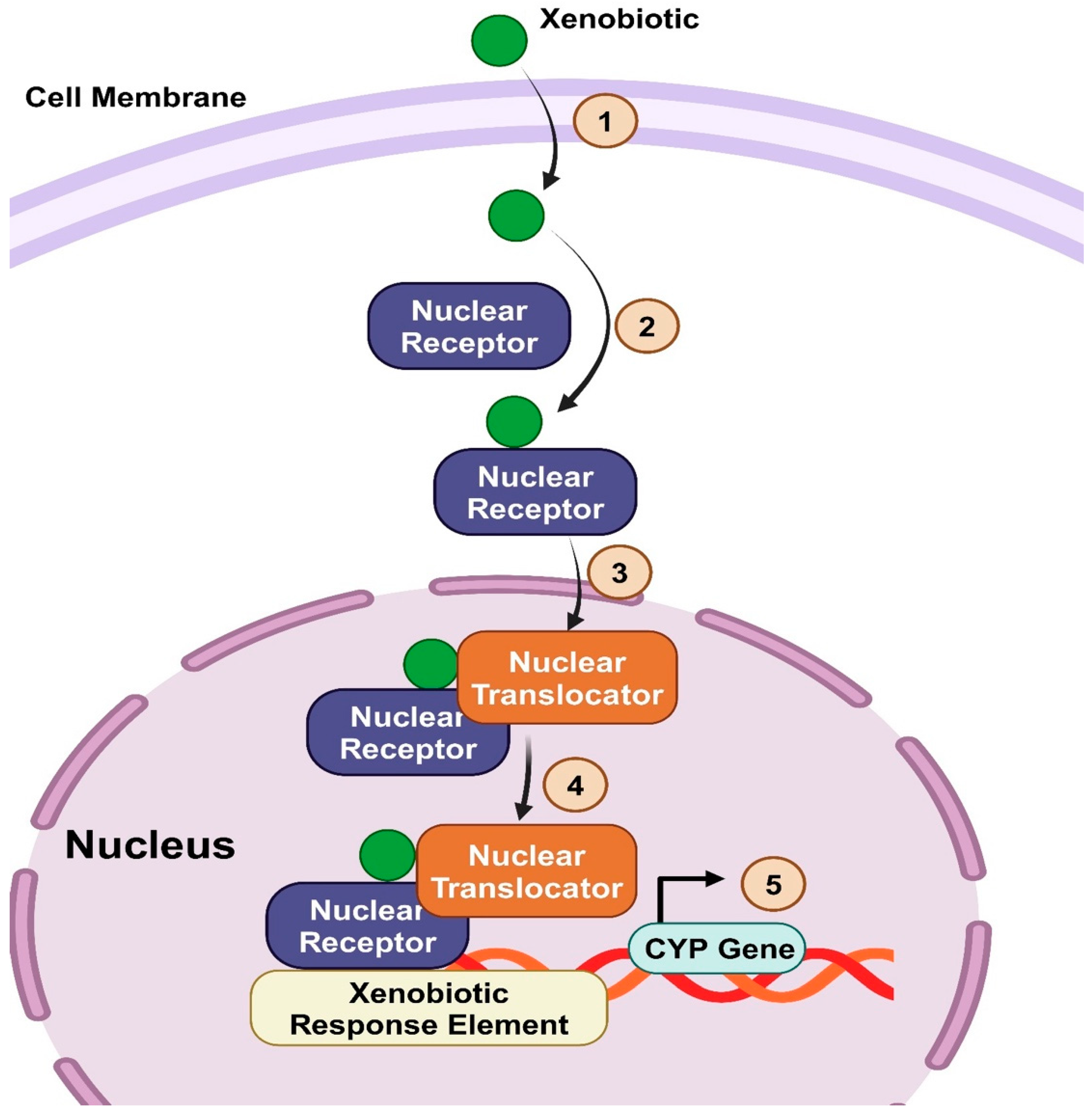
Perhaps the most widely recognized function of CYP450 enzymes is their role in metabolizing xenobiotics – substances foreign to the organism. This includes drugs, environmental pollutants, pesticides, and food additives. The primary goal of xenobiotic metabolism by CYPs is to convert lipophilic (fat-soluble) compounds into more hydrophilic (water-soluble) metabolites, which can then be more easily excreted from the body via urine or bile. This process typically involves two phases:
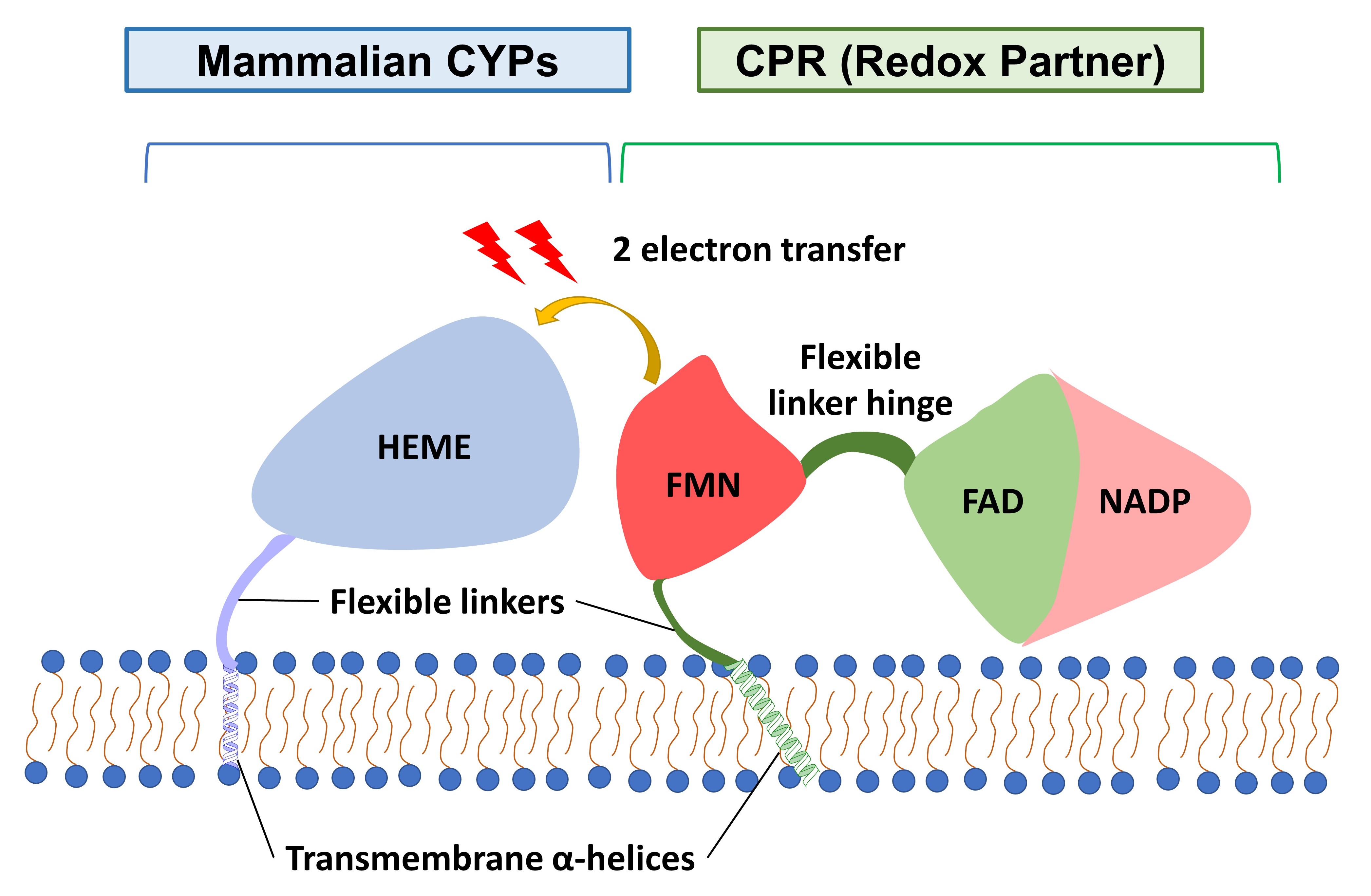
- Phase I reactions: Catalyzed predominantly by CYP enzymes, these reactions introduce or expose functional groups (like hydroxyl, carboxyl, or amino groups) onto the xenobiotic molecule. This oxidation process often makes the molecule more reactive and amenable to further modification.
- Phase II reactions: Following Phase I, other enzymes conjugate (attach) endogenous molecules like glucuronic acid, sulfate, or glutathione to the modified xenobiotic, further increasing its water solubility and facilitating excretion.
While this detoxification pathway is generally beneficial, it’s not always straightforward. In some instances, CYP metabolism can transform a relatively inert compound into a more toxic or reactive intermediate, a phenomenon known as metabolic activation. This duality underscores the complexity of CYP-mediated xenobiotic metabolism and its critical implications in drug safety and toxicology.
Technological Frontiers: CYP450 in Modern Science and Industry
The profound biological roles of CYP450 enzymes have directly translated into significant technological advancements across various scientific and industrial sectors. Their involvement in drug metabolism, toxicity prediction, and biochemical synthesis makes them central to numerous applications within biotechnology and related fields.
Drug Discovery and Development: Optimizing Efficacy and Safety
The pharmaceutical industry relies heavily on understanding CYP450 enzymes for the successful development of new drugs. A drug’s efficacy and safety profile are intimately linked to how it is metabolized by the body, and CYP enzymes are the primary players in this process.
- Predicting Drug Interactions: Many drugs are substrates for the same CYP enzymes. If two drugs are taken concurrently, they can compete for the enzyme, leading to altered drug levels in the body. One drug might inhibit the metabolism of the other, increasing its concentration and potential for toxicity, or induce its metabolism, decreasing its concentration and efficacy. Technological tools and in vitro assays using recombinant CYP enzymes are crucial for predicting these potential drug-drug interactions early in the development process, preventing potentially dangerous combinations from reaching the market.
- Metabolic Stability Assessment: Before a drug candidate can progress to clinical trials, its metabolic stability needs to be assessed. This involves understanding how quickly the drug is broken down by CYP enzymes. Technologies like liquid chromatography-mass spectrometry (LC-MS) are used to quantify drug and metabolite levels in biological samples, providing data to estimate a drug’s half-life and optimize dosage regimens.
- Personalized Medicine and Pharmacogenomics: Genetic variations in CYP genes, known as polymorphisms, can significantly influence an individual’s ability to metabolize certain drugs. For example, variations in CYP2D6 and CYP2C19 can lead to individuals being classified as poor, intermediate, extensive, or ultra-rapid metabolizers. This has led to the development of pharmacogenomic testing, a key component of personalized medicine. By identifying an individual’s CYP genotype, clinicians can tailor drug selection and dosage to maximize efficacy and minimize adverse drug reactions. This technological integration of genetic information into clinical practice is revolutionizing how we approach drug therapy.
Advances in Toxicology and Environmental Monitoring
The ability of CYP450 enzymes to metabolize a vast range of xenobiotics also makes them critical tools in toxicology and environmental science.
- Biomarker Development: The induction or inhibition of specific CYP enzymes can serve as a biomarker for exposure to certain chemicals or toxins. Monitoring CYP activity in biological samples can help assess occupational exposure risks or evaluate the impact of environmental pollutants on human health.
- Risk Assessment and Regulation: Understanding how environmental contaminants are metabolized by CYP enzymes is essential for conducting accurate risk assessments and establishing regulatory guidelines. Technologies that can identify and quantify potential CYP inducers or inhibitors in the environment are vital for protecting public health and ecosystems.
- Development of Biosensors: Research is ongoing to develop biosensors that utilize CYP enzymes to detect specific pollutants or toxic substances in real-time. These technologies could revolutionize environmental monitoring by providing rapid and sensitive detection capabilities.
Biocatalysis and Synthetic Biology: Harnessing CYP for Industrial Applications
Beyond their roles in drug metabolism and toxicology, CYP450 enzymes are increasingly being harnessed as biocatalysts for a range of industrial applications, representing a significant intersection of biology and chemical engineering.
- Green Chemistry and Sustainable Synthesis: The high specificity and catalytic efficiency of CYP enzymes offer an attractive alternative to traditional chemical synthesis methods, which often involve harsh reagents, high temperatures, and generate significant waste. CYP enzymes can perform complex oxidation reactions under mild conditions, leading to more sustainable and environmentally friendly manufacturing processes. This is particularly relevant in the production of fine chemicals, fragrances, and specialty polymers.
- Engineering Novel Enzymes: Through advances in protein engineering and directed evolution, scientists are actively modifying CYP enzymes to enhance their activity, alter their substrate specificity, and improve their stability under industrial conditions. Synthetic biology approaches allow for the design and construction of novel metabolic pathways incorporating engineered CYP enzymes to produce valuable compounds from renewable feedstocks. This opens up exciting possibilities for the bio-based production of pharmaceuticals, biofuels, and materials.
In conclusion, CYP450 enzymes are far more than just biochemical curiosities. They are integral components of life, driving essential metabolic processes and shaping our interaction with the chemical world. The technological advancements stemming from our understanding of these remarkable enzymes are continuously expanding, revolutionizing drug development, toxicology, and offering innovative solutions for sustainable industrial production. As our knowledge deepens and our technological capabilities grow, the impact of CYP450 enzymes on human health and industrial innovation will undoubtedly continue to expand.
aViewFromTheCave is a participant in the Amazon Services LLC Associates Program, an affiliate advertising program designed to provide a means for sites to earn advertising fees by advertising and linking to Amazon.com. Amazon, the Amazon logo, AmazonSupply, and the AmazonSupply logo are trademarks of Amazon.com, Inc. or its affiliates. As an Amazon Associate we earn affiliate commissions from qualifying purchases.