
The term “CPL” within the United States Marine Corps, like many military acronyms, can initially appear as an insider shorthand. However, understanding its meaning is fundamental to grasping the structure and hierarchy of the Corps. CPL is not a complex technological system, a marketing strategy, or a financial instrument. Instead, it refers to a specific rank within the enlisted Marine hierarchy. Specifically, CPL stands for Corporal. This article will delve into what it means to be a Corporal in the Marines, examining their responsibilities, their place in the chain of command, and the significance of this rank within the broader Marine Corps structure.
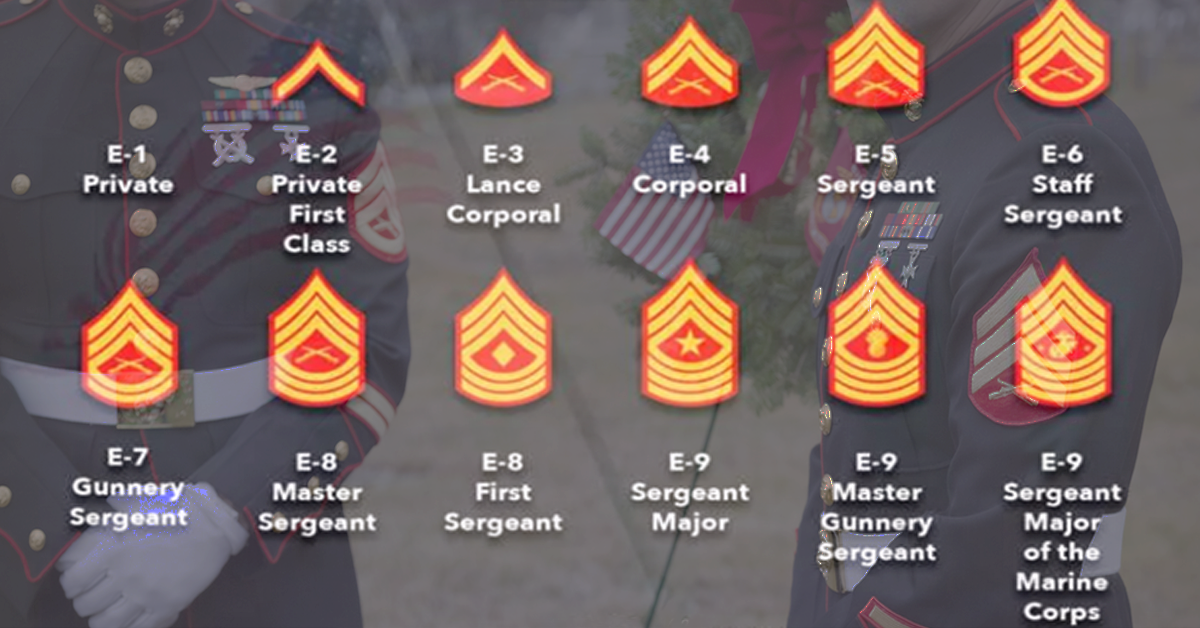
The rank of Corporal is one of the foundational leadership positions for enlisted Marines, serving as a crucial stepping stone and a critical component of the Marine Corps’ effectiveness. It represents the first non-commissioned officer (NCO) rank in the enlisted structure, signifying a transition from a purely task-oriented role to one that involves direct supervision and responsibility for junior Marines.
The Role and Responsibilities of a Marine Corporal
As the first NCO rank, the Corporal in the Marine Corps holds a position of considerable responsibility that extends beyond simply executing orders. Their duties are multifaceted, encompassing leadership, training, and the well-being of the Marines under their charge. Understanding these responsibilities provides insight into why this rank is so vital to the operational readiness of the Corps.
Leading Small Teams and Squads
At its core, the Corporal’s primary responsibility is to lead a small team of Marines, often referred to as a fire team or a squad, depending on the specific occupational specialty. This leadership is not abstract; it is hands-on and immediate. A Corporal is expected to be at the forefront of operations, setting the example for their Marines in terms of discipline, performance, and adherence to Marine Corps standards. This involves:
- Direct Supervision: The Corporal directly oversees the daily activities of their team members. This includes ensuring that tasks are completed efficiently, accurately, and safely. They are the immediate point of contact for any questions or issues a junior Marine might have.
- Task Execution: While junior Marines execute specific tasks, the Corporal is responsible for ensuring the collective success of their team in accomplishing the mission. This might involve planning and coordinating movements during training exercises, overseeing maintenance of equipment, or directing personnel during logistical operations.
- Setting the Example: The Corporal embodies the Marine Corps’ core values of Honor, Courage, and Commitment. Their demeanor, work ethic, and professionalism directly influence the attitudes and performance of the Marines they lead. They are expected to be proficient in their own duties and to uphold the highest standards of military bearing.
Training and Mentorship
Beyond immediate task execution, a significant part of a Corporal’s role involves developing the skills and capabilities of the Marines under their command. This mentorship is crucial for the long-term development of the Corps.
- On-the-Job Training: Corporals are instrumental in providing on-the-job training. They guide junior Marines through the intricacies of their occupational specialties, teaching them the necessary skills, procedures, and knowledge to excel in their roles.
- Skill Development: This mentorship extends to teaching Marines fundamental military skills, such as marksmanship, land navigation, physical fitness, and first aid. The Corporal ensures that their team members are proficient in these areas, which are critical for survival and mission accomplishment in any operational environment.
- Character Development: Leadership in the Marine Corps is not solely about technical proficiency; it is also about character. Corporals are tasked with instilling Marine Corps values, discipline, and a sense of responsibility in their Marines. They act as role models, guiding junior enlisted members in their personal and professional growth.
Accountability and Welfare
A Corporal is directly accountable for the actions and well-being of the Marines in their charge. This accountability fosters a strong sense of responsibility and ensures that junior Marines are cared for and remain on the right path.
- Discipline and Conduct: The Corporal is often the first line of discipline. They are responsible for identifying and addressing minor infractions, correcting unprofessional behavior, and ensuring that Marines adhere to military regulations and standards of conduct.
- Personal Welfare: The well-being of Marines is paramount. Corporals are expected to be aware of the personal circumstances of their team members and to provide support or connect them with appropriate resources when needed. This can range from addressing minor personal issues to recognizing signs of stress or distress and escalating concerns to higher leadership.
- Equipment and Readiness: The Corporal is also accountable for the care and maintenance of the equipment assigned to their team. Ensuring that weapons, communication devices, vehicles, and other gear are properly maintained and ready for deployment is a critical aspect of their role in maintaining operational readiness.
The Corporal’s Place in the Marine Corps Hierarchy
The rank of Corporal is situated within the enlisted structure of the Marine Corps, specifically between the ranks of Private First Class (PFC) and Sergeant. This placement signifies its role as a bridge between the junior enlisted ranks and the more senior NCO ranks, making it a pivotal position for developing future leaders.
Enlisted Ranks and Paygrades
The United States Marine Corps, like other branches of the U.S. Armed Forces, utilizes a system of ranks and paygrades to denote the seniority and responsibility of its members. Enlisted ranks are typically denoted by the letter “E” followed by a number, with higher numbers indicating higher paygrades and seniority.
- E-1 to E-4 (Junior Enlisted): This tier includes ranks such as Private (E-1), Private First Class (E-2), and Lance Corporal (E-3). Marines in these ranks are primarily focused on learning their jobs, executing tasks as directed, and developing fundamental military skills.
- E-5 (Non-Commissioned Officers – NCOs): The Corporal (E-4) is often considered an introductory NCO rank, with the Sergeant (E-5) being the definitive first senior NCO rank. However, the transition to Corporal marks a significant increase in leadership responsibility.
- E-6 to E-9 (Senior Non-Commissioned Officers): This tier includes ranks such as Staff Sergeant (E-6), Gunnery Sergeant (E-7), Master Sergeant (E-8), and Sergeant Major (E-9). These ranks are characterized by extensive experience, broad responsibility, and significant advisory roles to officers.
The Corporal, as an E-4, represents a critical transition point. While technically an E-4, their responsibilities and expectations often mirror those of an E-5, particularly in terms of leadership. They are expected to operate with a level of autonomy and initiative that distinguishes them from the ranks below.
The Bridge Between Junior and Senior Leadership
The Corporal’s position in the hierarchy is often described as a “bridge” because they act as the crucial link between the junior enlisted Marines and the more experienced NCOs and officers. This intermediary role is vital for effective communication, morale, and operational efficiency.
- Translating Orders: Corporals are responsible for taking the broader directives from their superiors and translating them into actionable tasks for their fire teams or squads. They ensure that junior Marines understand what needs to be done, how to do it, and why it is important.
- Relaying Information: Equally important is their role in relaying information upwards. They are expected to observe the performance, morale, and needs of their Marines and to report this information accurately to their Sergeants and platoon leadership. This feedback loop is essential for commanders to make informed decisions.
- Developing Future Leaders: By experiencing leadership at this level, Corporals gain invaluable experience that prepares them for advancement to higher NCO ranks. They learn the challenges and rewards of leadership, develop their decision-making skills, and begin to understand the complexities of managing personnel.
Significance in the Chain of Command
The chain of command is the hierarchical structure that dictates how orders are issued and how accountability flows within the Marine Corps. The Corporal is an integral part of this structure, ensuring that the line of authority is clear and respected.
- Direct Reporting: A Corporal typically reports to a Sergeant or a Staff Sergeant, who in turn report to higher-ranking officers. This clear reporting structure ensures that information and directives move efficiently up and down the hierarchy.
- Authority and Responsibility: The Corporal possesses a degree of authority over the Marines assigned to them, but this authority is coupled with a significant responsibility to ensure the well-being and effectiveness of those Marines. They are empowered to lead but are also held accountable for the outcomes.
- Maintaining Discipline and Order: The Corporal’s role in maintaining discipline and order at the squad or fire team level is fundamental to the overall discipline of the unit. Their ability to manage their team effectively contributes to the unit’s ability to function cohesively and execute its mission.
Earning the Rank of Corporal
The path to becoming a Corporal in the Marine Corps is a testament to a Marine’s dedication, performance, and demonstrated leadership potential. It is not simply a matter of time served; it requires active participation in training, consistent excellence, and the recognition of these qualities by superiors.
Promotion Pathways
Promotion in the Marine Corps is a competitive process governed by a combination of factors, including time in service, performance evaluations, and demonstrated proficiency in military occupational specialties (MOS).
- Meritorious Promotions: In certain cases, a Marine may be meritoriously promoted to Corporal based on exceptional performance during recruit training or combat. These promotions are rare and signify outstanding achievement.
- Time in Grade and Service: For most Marines, promotion to Corporal involves serving a minimum amount of time in the preceding rank (typically Lance Corporal) and meeting specific time-in-service requirements. This ensures a baseline level of experience.
- Performance and Aptitude Tests (PATE): Marines are evaluated through regular performance evaluations (FitRep – Fitness Report) and may be required to pass aptitude tests relevant to their MOS and leadership potential. Strong performance in these areas is crucial.
- Merit-Based Competition: Promotion to Corporal often involves a competitive process where Marines are selected based on their overall record, including their leadership potential, military bearing, and MOS proficiency. The number of available Corporal billets also influences the pace of promotions.
The Significance of the Transition
The promotion to Corporal is a significant milestone in a Marine’s career. It marks a fundamental shift in their role and responsibilities, requiring them to move from being a follower to a leader.
- Increased Expectations: The expectations placed upon a Corporal are significantly higher than those for a Lance Corporal. They are expected to be self-sufficient, to take initiative, and to actively lead.
- Developing Leadership Skills: This rank provides the first formal opportunity for a Marine to hone their leadership skills in a practical, day-to-day environment. They learn to motivate, delegate, and make decisions that impact their subordinates.
- Foundation for Future Leadership: The experience gained as a Corporal forms the bedrock for future leadership development. Success in this role often paves the way for promotion to Sergeant and beyond, equipping Marines with the essential qualities needed for higher levels of command.
Beyond the Rank: The Impact of the Corporal
The significance of the Corporal rank extends beyond the individual Marine and their immediate duties. It plays a crucial role in shaping the culture, effectiveness, and enduring legacy of the United States Marine Corps.
Shaping Unit Cohesion and Morale
The Corporal’s direct interaction with junior Marines has a profound impact on unit cohesion and morale. Their leadership style, their commitment to their Marines, and their ability to foster a positive and professional environment are critical.
- Building Trust: A Corporal who demonstrates fairness, competence, and genuine concern for their Marines builds trust. This trust is the foundation of a cohesive unit where Marines are willing to rely on each other and to go the extra mile.
- Fostering a Sense of Belonging: By actively involving junior Marines in decision-making processes (where appropriate) and by acknowledging their contributions, Corporals help foster a sense of belonging and value within the team. This contributes to higher morale and a greater commitment to the unit’s mission.
- Addressing Grievances: Corporals often serve as the first point of contact for Marines who have personal or professional grievances. Their ability to listen, offer advice, and advocate for their Marines can significantly impact morale and prevent issues from escalating.
Contributing to Operational Readiness
The Marine Corps’ renowned operational readiness is built upon the collective performance of its Marines at all levels. The Corporal’s role in training, discipline, and equipment maintenance directly contributes to this readiness.
- Proficiency in MOS: By diligently training and mentoring junior Marines in their MOS, Corporals ensure that the unit possesses the necessary skills to execute its designated tasks effectively.
- Discipline and Standards: Upholding high standards of discipline and conduct among their teams ensures that Marines are prepared mentally and physically for the rigors of military operations. A disciplined force is a ready force.
- Equipment Readiness: The Corporal’s accountability for equipment maintenance means that weapons, vehicles, and communication systems are in optimal working order, crucial for mission success and the safety of Marines in operational environments.

The Enduring Legacy of Marine Leadership
The rank of Corporal is more than just a stepping stone; it is a fundamental component of the Marine Corps’ philosophy of leadership, which emphasizes developing leaders from within and fostering a culture of responsibility and accountability at every level.
- Developing a Leadership Pipeline: The Corporal rank serves as a critical part of the Marine Corps’ robust leadership development pipeline. It identifies and nurtures individuals with leadership potential early in their careers, ensuring a continuous supply of capable leaders.
- The “Every Marine a Rifleman” Ethos: While the Corporal is a leader, they are also expected to maintain their foundational combat skills. This embodiment of the “every Marine a rifleman” ethos, even at the NCO level, underscores the Marine Corps’ commitment to versatility and combat effectiveness.
- A Tradition of Excellence: The Corporal embodies a tradition of excellence that is synonymous with the Marine Corps. They are the backbone of the small-unit leadership, the first line of command, and the embodiment of the principles that have made the Marine Corps an elite fighting force for centuries.
In conclusion, understanding “CPL in Marines” means recognizing the rank of Corporal. This rank signifies a Marine’s transition into leadership, entrusting them with the responsibility of guiding, training, and ensuring the well-being of junior Marines. The Corporal’s role is multifaceted, impacting unit cohesion, operational readiness, and the very ethos of the United States Marine Corps. They are the essential bridge between junior enlisted personnel and senior leadership, a testament to the Corps’ commitment to developing capable and dedicated leaders at every level.
aViewFromTheCave is a participant in the Amazon Services LLC Associates Program, an affiliate advertising program designed to provide a means for sites to earn advertising fees by advertising and linking to Amazon.com. Amazon, the Amazon logo, AmazonSupply, and the AmazonSupply logo are trademarks of Amazon.com, Inc. or its affiliates. As an Amazon Associate we earn affiliate commissions from qualifying purchases.