
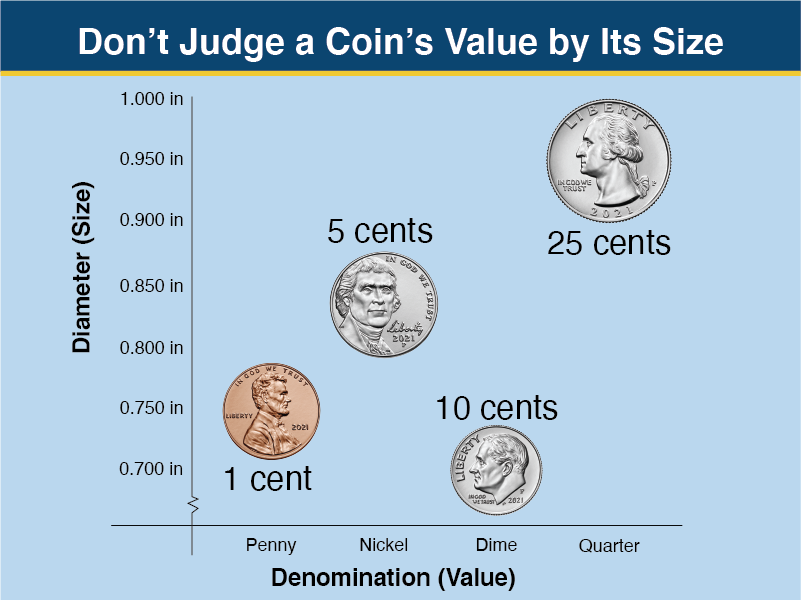
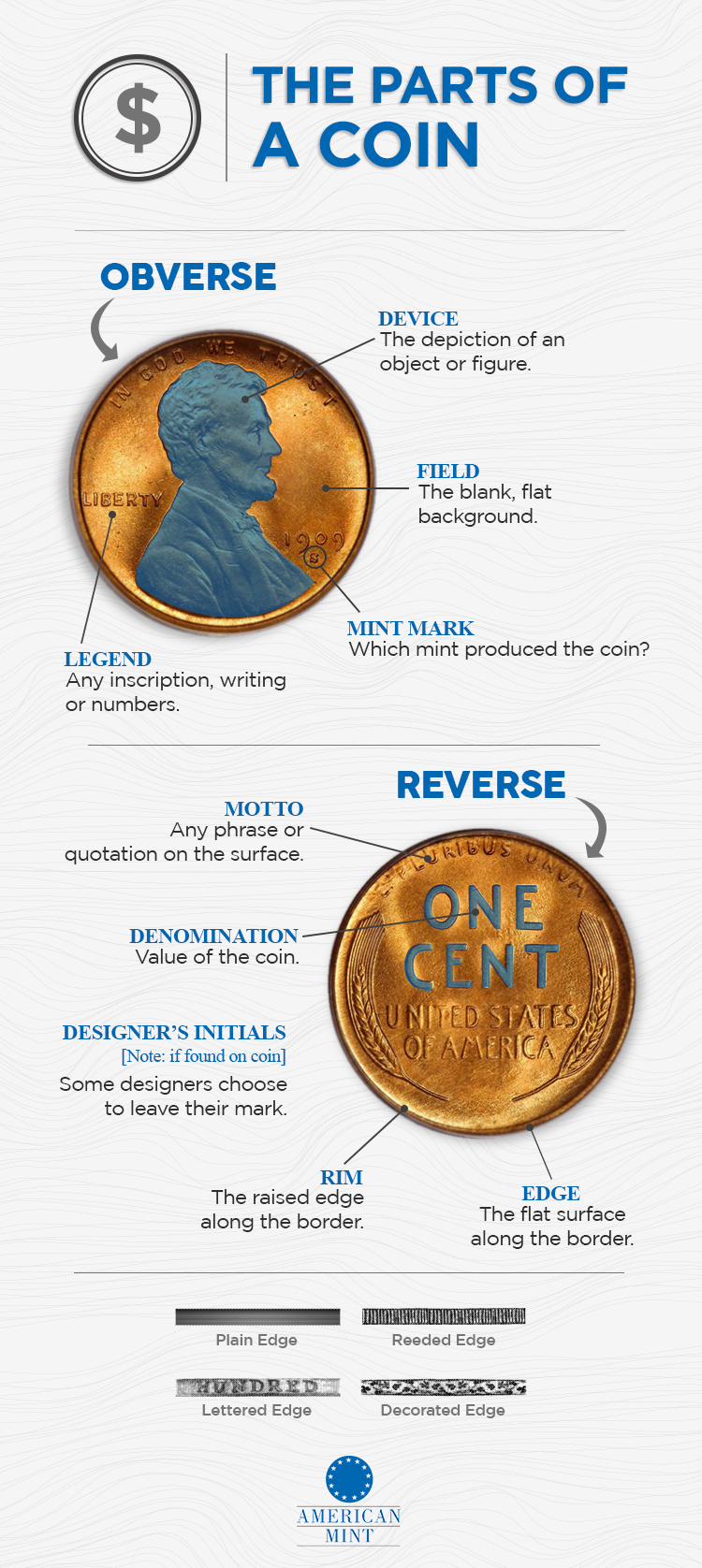
In the rapidly evolving landscape of global finance, the word “coin” has undergone a profound transformation. For centuries, a coin was a physical piece of minted metal—gold, silver, or copper—carrying the seal of a sovereign power. Today, while physical currency still exists, the term “coin” is increasingly synonymous with digital assets, blockchain technology, and a new frontier of personal finance.
Understanding what a coin is in the modern context is no longer just a technical curiosity; it is a fundamental requirement for anyone looking to navigate the future of investing, online income, and wealth preservation. This article explores the definition of a coin within the financial ecosystem, distinguishing it from other digital assets, and analyzing its role as a tool for financial sovereignty.
1. The Financial Evolution: From Physical Minting to Digital Sovereignty
To understand the modern “coin,” one must first understand the fundamental purpose of money. Money serves three primary functions: a medium of exchange, a unit of account, and a store of value. For millennia, physical coins met these criteria through their intrinsic value or government decree. However, the digital revolution has introduced a fourth dimension: decentralization.
The Shift from Centralized Fiat to Decentralized Assets
Traditional money, or “fiat,” is issued by central banks and regulated by governments. Its value is derived from the stability of the issuing entity. In contrast, a digital coin—specifically a cryptocurrency—derives its value from mathematical scarcity and the security of a decentralized network. The transition from physical to digital coins represents a shift in trust; instead of trusting a central institution to manage the money supply, users trust an immutable code.
The Birth of Bitcoin and the New Standard
The modern financial definition of a “coin” was solidified with the launch of Bitcoin in 2009. It introduced the concept of a digital asset that cannot be double-spent and does not require a bank to verify transactions. This established the “coin” as a self-contained financial unit operating on a peer-to-peer network, setting the stage for thousands of alternative coins (altcoins) that seek to solve various financial or structural problems.
2. Defining the “Coin”: Coins vs. Tokens in the Financial Ecosystem
In the world of digital finance, the terms “coin” and “token” are often used interchangeably, but for an investor or financial strategist, the distinction is critical. This distinction defines the asset’s utility, its underlying value, and its risk profile.
Native Blockchains: The Mark of a True Coin
A digital asset is technically classified as a “coin” if it operates on its own independent blockchain. For example, Bitcoin (BTC) is a coin because it has its own dedicated ledger. Ether (ETH) is a coin because it is the native asset of the Ethereum blockchain. These coins function as the “fuel” for their respective networks. From a financial perspective, owning a coin is akin to owning a stake in the infrastructure of a digital economy.
Tokens and Layered Assets
Conversely, a token is a digital asset built on top of an existing blockchain. While tokens can represent value, they do not have their own underlying ledger. In the “Money” niche, this distinction matters because the security of a token is dependent on the security of the host coin’s network. Investors must understand that while coins are often viewed as “digital gold” or “digital oil,” tokens are more like digital coupons, shares, or loyalty points within a specific sub-ecosystem.
3. The Role of Coins in Personal Finance and Investing
The primary reason “coins” have become a focal point of modern finance is their potential for wealth generation and portfolio diversification. As traditional markets face inflationary pressures and geopolitical instability, digital coins have emerged as a high-risk, high-reward asset class.

Coins as a Store of Value
One of the most compelling financial arguments for digital coins, specifically Bitcoin, is the concept of digital scarcity. With a hard cap of 21 million units, Bitcoin is often compared to gold. In a personal finance strategy, these coins are used as a hedge against the devaluation of fiat currency. By moving a portion of wealth into a decentralized coin, an investor can protect their purchasing power from the “hidden tax” of inflation.
Medium of Exchange and Global Remittance
Beyond just holding value, coins are revolutionizing how we move money across borders. Traditional international bank transfers can take days and incur heavy fees. Digital coins allow for near-instantaneous settlement at a fraction of the cost. For businesses and individuals involved in the global gig economy, using coins as a medium of exchange is a practical financial tool that increases liquidity and reduces reliance on predatory banking fees.
Risk Management and Volatility
It is impossible to discuss coins in finance without addressing volatility. The price of a coin can fluctuate significantly within hours. For the disciplined investor, this volatility is not just a risk but an opportunity. Modern financial tools, such as stablecoins (digital assets pegged to the US Dollar), allow investors to move in and out of volatile coins to lock in profits or mitigate losses, creating a sophisticated environment for active wealth management.
4. Generating Income: Staking, Yield, and Side Hustles
The “Money” aspect of coins extends far beyond simple “buy and hold” strategies. The decentralized finance (DeFi) movement has created entire ecosystems where individuals can generate passive income or build side businesses based on their coin holdings.
Staking: The New Interest Account
In traditional banking, you earn interest by letting the bank lend out your money. In the world of digital coins, many networks use a “Proof of Stake” mechanism. By “staking” your coins—essentially locking them up to help secure the network—you earn rewards in the form of additional coins. This is the digital equivalent of a high-yield savings account or a dividend-paying stock, providing a consistent stream of online income for those who hold the right assets.
Yield Farming and Liquidity Provision
For more advanced participants in the financial markets, coins can be used to provide liquidity to decentralized exchanges. In return for providing the “capital” that allows others to trade, you receive a portion of the transaction fees. While this carries higher risks, such as “impermanent loss,” it represents a sophisticated method of making money work for you in a way that was previously reserved for large institutional market makers.
5. The Future of Money: Central Bank Digital Currencies (CBDCs) and Global Markets
As digital coins have proven their viability, the world’s largest financial institutions and governments have taken notice. We are currently entering an era where the definition of a “coin” will expand to include state-sponsored assets.
The Rise of CBDCs
Central Bank Digital Currencies (CBDCs) are digital versions of a nation’s fiat currency. Unlike decentralized coins like Bitcoin, CBDCs are centralized and regulated by the government. From a financial tools perspective, CBDCs will likely streamline tax collection, benefit distribution, and monetary policy. However, for the individual, they highlight the importance of also holding decentralized coins that are outside the direct control of a single political entity.
Institutional Adoption and Financial Products
We are seeing a massive influx of institutional capital into the coin market. The approval of Spot Bitcoin ETFs (Exchange-Traded Funds) has allowed traditional investors to gain exposure to coins through their standard brokerage accounts and retirement funds (like 401ks or IRAs). This institutionalization validates the “coin” as a legitimate asset class, alongside stocks, bonds, and real estate.
Conclusion: Navigating the New Financial Frontier
To ask “what is a coin” is to ask about the future of value itself. In the modern money niche, a coin is more than a unit of currency; it is a technology-driven financial instrument that offers the potential for growth, income, and protection against systemic economic failures.
Whether used as a speculative investment, a tool for global remittance, or a means of earning passive income through staking, digital coins have fundamentally altered the personal finance landscape. As with any financial tool, the key to success lies in education and a balanced approach. By understanding the distinction between coins and tokens, the mechanics of blockchain value, and the strategies for income generation, individuals can position themselves to thrive in an increasingly digital global economy. The era of the physical mint may be fading, but the era of the digital coin is only just beginning.
aViewFromTheCave is a participant in the Amazon Services LLC Associates Program, an affiliate advertising program designed to provide a means for sites to earn advertising fees by advertising and linking to Amazon.com. Amazon, the Amazon logo, AmazonSupply, and the AmazonSupply logo are trademarks of Amazon.com, Inc. or its affiliates. As an Amazon Associate we earn affiliate commissions from qualifying purchases.