
When you hear the name “Coca-Cola,” what immediately comes to mind? For billions worldwide, it’s more than just a beverage; it’s a symbol of refreshment, a nostalgic memory, a staple at celebrations, and a ubiquitous presence in pop culture. But beyond the iconic red and white logo and the fizzy, sweet taste, lies a complex entity that has mastered the art of branding, strategically navigated global markets, and continues to innovate in surprising ways. This article delves into the multifaceted nature of Coca-Cola, exploring its historical roots, its unparalleled brand power, its surprising engagement with technology, and its significant impact on the global financial landscape.

Coca-Cola’s journey from a simple medicinal tonic to the world’s most recognized brand is a testament to visionary marketing, consistent product evolution, and an almost alchemical ability to embed itself into the fabric of daily life. Understanding what Coca-Cola is requires looking beyond the syrup and carbonated water. It demands an examination of its strategic brand building, its embrace of technological advancements, and its profound economic footprint.
The Unseen Architecture of a Global Icon: Coca-Cola’s Brand Dominance
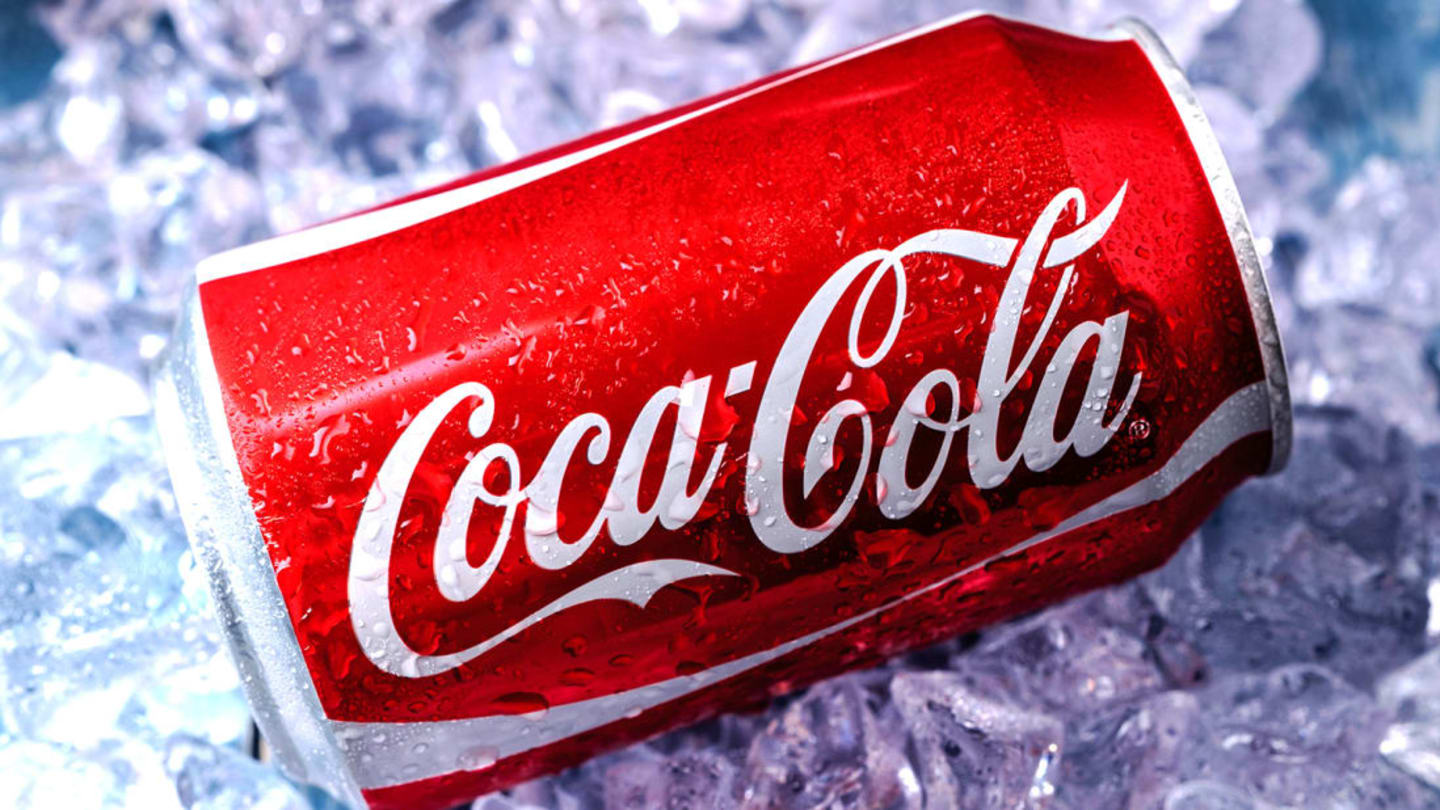
Coca-Cola’s brand isn’t merely a logo; it’s a meticulously crafted experience, an emotion, and a promise. The company has achieved a level of brand recognition that transcends language, culture, and borders, a feat that offers profound insights into the principles of successful branding.
Crafting an Identity That Endures: From John Pemberton to Global Recognition
The genesis of Coca-Cola can be traced back to 1886, when pharmacist John Stith Pemberton created a caramel-colored syrup that he intended as a medicinal drink. Initially marketed as a nerve tonic and a remedy for headaches, it was sold at soda fountains. The distinctive flavor profile, a closely guarded secret even today, quickly gained traction. However, it was the entrepreneurial spirit of Asa Griggs Candler, who acquired the formula and Coca-Cola rights in the late 19th century, that truly set the brand on its path to global domination.
Candler’s vision was not just about selling a drink; it was about selling an experience. He understood the power of consistent messaging and widespread availability. Early marketing efforts focused on the pleasure and refreshment Coca-Cola offered. The distinctive script logo, designed by Frank Mason Robinson, became an immediate identifier. This, coupled with strategic advertising that linked the beverage to happiness, togetherness, and moments of joy, laid the foundation for its enduring appeal.
The iconic contour bottle, introduced in 1915, was another stroke of genius. Designed to be recognizable even in the dark or when broken, it became a physical embodiment of the brand, further solidifying its distinctiveness in a crowded marketplace. This wasn’t just about packaging; it was about creating a tactile and visual connection that customers could instantly associate with the Coca-Cola experience.
The Science of Sensation: Marketing Strategies That Resonate Across Generations
Coca-Cola’s marketing prowess is legendary. They have consistently adapted their strategies to reflect evolving societal trends and technological advancements, yet always retained their core brand message of happiness, optimism, and shared moments.
-
Emotional Resonance: Coca-Cola rarely sells just a drink; it sells feelings. Their advertising campaigns have consistently tapped into universal human emotions – joy, nostalgia, togetherness, and celebration. Think of the classic “Holidays are Coming” Christmas ads featuring Santa Claus, which have become a beloved tradition, or the “Share a Coke” campaign that personalized the brand by printing popular names on bottles, encouraging social sharing and connection. These campaigns don’t just sell a product; they sell participation in a cultural moment.
-
Ubiquity and Accessibility: A key element of Coca-Cola’s brand strategy is making the product accessible everywhere. From corner stores to five-star restaurants, from remote villages to bustling city centers, the red disc is a familiar sight. This widespread availability, facilitated by a complex and efficient distribution network, ensures that the promise of Coca-Cola is always within reach, reinforcing its status as a global constant.
-
Partnerships and Sponsorships: Coca-Cola has masterfully leveraged sponsorships of major global events, such as the Olympic Games and FIFA World Cup. These associations align the brand with peak human achievement, excitement, and global unity, further cementing its positive associations in the minds of consumers.
-
Agile Adaptation in the Digital Age: While rooted in traditional marketing, Coca-Cola has not shied away from the digital revolution. They have embraced social media marketing, influencer collaborations, and interactive online campaigns. The company understands that to remain relevant, it must meet consumers where they are, and in the 21st century, that often means online.
The continuous evolution of Coca-Cola’s brand strategy, from its early days of print ads and radio jingles to its current sophisticated digital campaigns, demonstrates a remarkable understanding of consumer psychology and market dynamics. It’s a case study in how to build and maintain a brand that not only survives but thrives for over a century.
Beyond the Bubbles: Coca-Cola’s Evolving Technological Integration
In an era dominated by rapid technological advancement, even a company with deep historical roots like Coca-Cola must innovate to stay ahead. While primarily known for its consumer products, the company is increasingly leveraging technology across its operations, from supply chain optimization to consumer engagement and even product development.
Enhancing Efficiency: Technology in Operations and Supply Chain
The sheer scale of Coca-Cola’s global operations presents immense logistical challenges. To manage this, the company has invested heavily in technology to streamline its production, distribution, and inventory management.
-
Smart Supply Chains: Coca-Cola employs sophisticated data analytics and artificial intelligence (AI) to optimize its supply chain. This includes using AI for demand forecasting, which helps predict consumer needs in specific regions and seasons, allowing for more efficient production and reduced waste. Predictive maintenance technologies are also employed to monitor equipment in bottling plants, minimizing downtime and ensuring consistent output.
-
Digitalization of Logistics: From route optimization for delivery trucks to real-time tracking of shipments, digital technologies are crucial for ensuring that Coca-Cola products reach consumers efficiently. This involves using GPS, IoT sensors, and advanced software to manage a vast network of vehicles and warehouses.
-
Automation in Manufacturing: Modern Coca-Cola bottling plants are highly automated. Robotics and advanced manufacturing systems are used for tasks ranging from filling bottles and capping them to palletizing and preparing them for shipment. This not only increases efficiency but also improves worker safety.
Engaging the Digital Consumer: Apps, AI, and Interactive Experiences
Coca-Cola understands that consumer engagement is no longer a one-way street. They are actively using digital tools and AI to connect with their audience on a more personal level.
-
Personalized Marketing Through Data: By analyzing consumer data, Coca-Cola can tailor marketing messages and offers to specific demographics and individual preferences. This data-driven approach allows for more effective campaigns, ensuring that the right message reaches the right person at the right time.
-
Interactive Digital Platforms: The company has developed various apps and online platforms that go beyond simple product promotion. These might offer games, exclusive content, loyalty programs, or even tools for customers to customize their own merchandise. The “Share a Coke” campaign, for instance, was amplified through social media, encouraging user-generated content and creating a viral effect.
- AI-Powered Customer Service: While direct customer service might be handled by specialized teams, AI is increasingly used to power chatbots and virtual assistants on their websites and apps, providing instant answers to frequently asked questions and freeing up human agents for more complex issues.
Exploring Future Frontiers: Innovation in Product and Packaging Technology
Coca-Cola is not just focused on optimizing its current offerings; it’s also exploring new frontiers in product development and packaging, often driven by technological advancements and evolving consumer preferences, such as sustainability.
-
Sustainable Packaging Innovations: With a global focus on environmental responsibility, Coca-Cola is investing in and experimenting with new packaging materials and designs. This includes research into biodegradable plastics, increased use of recycled materials, and innovative bottle designs that reduce material usage. Technologies that facilitate advanced recycling processes are also crucial.
-
Healthier Options and Functional Beverages: While its core product remains a cultural icon, Coca-Cola is diversifying its portfolio to cater to evolving health consciousness. This involves leveraging food science and ingredient technology to develop lower-sugar alternatives, functional beverages with added vitamins or health benefits, and even exploring entirely new beverage categories.
-
Data-Driven Product Development: Insights gathered from consumer data and market trends, often analyzed with AI, can inform the development of new flavors, product formats, and even entirely new brands. This ensures that product innovation is aligned with actual consumer demand and emerging preferences.
The integration of technology into Coca-Cola’s operations and brand strategy is a continuous process. It’s a clear indication that even the most established brands must embrace innovation to remain competitive and relevant in a rapidly changing world.
The Economic Backbone of a Global Giant: Coca-Cola’s Financial Footprint
Coca-Cola is not just a brand; it’s a colossal economic engine. Its operations, investments, and market influence have a profound impact on global economies, offering significant insights into business finance, personal finance through investment opportunities, and the broader dynamics of multinational corporations.
A Multinational Powerhouse: Business Finance and Investment Strategies
As a publicly traded company with a history spanning over a century, Coca-Cola represents a significant force in the global financial markets. Its business model, financial performance, and investment strategies are closely watched by investors and analysts alike.
-
Global Revenue Streams: Coca-Cola generates billions of dollars in revenue annually through the sale of its diverse portfolio of beverages across virtually every country in the world. This vast global reach provides a stable and diversified income stream, making it an attractive investment.
-
Strategic Acquisitions and Partnerships: The company has a long history of strategic acquisitions, purchasing and integrating smaller brands to expand its market share and diversify its product offerings. This includes acquiring companies in categories beyond traditional soft drinks, such as water, juices, and teas. These acquisitions are meticulously analyzed from a business finance perspective to ensure they contribute to profitability and long-term growth.
-
Capital Allocation and Shareholder Value: Coca-Cola’s financial management focuses on capital allocation, including reinvesting in its business, pursuing strategic acquisitions, and returning value to shareholders through dividends and share buybacks. For investors interested in personal finance, Coca-Cola stock has historically been considered a relatively stable dividend-paying stock, making it a component in many investment portfolios.
-
Brand as a Financial Asset: The Coca-Cola brand itself is arguably one of its most valuable financial assets. The immense brand equity translates into pricing power, consumer loyalty, and a competitive advantage that is incredibly difficult for rivals to replicate, directly contributing to its financial strength.
The Ripple Effect: Economic Impact and Side Hustles
The economic influence of Coca-Cola extends far beyond its own balance sheet. It creates jobs, supports small businesses, and fuels economic activity in countless ways.
-
Job Creation: From manufacturing and bottling to marketing, sales, and distribution, Coca-Cola directly and indirectly employs hundreds of thousands of people worldwide. This significant employment generation is a crucial economic contribution.
-
Support for Local Economies: The company’s extensive supply chain often involves working with local suppliers for ingredients, packaging, and other services. This creates opportunities for small and medium-sized enterprises (SMEs) to thrive, contributing to local economic development.
-
Entrepreneurship and Side Hustles: In many developing markets, owning a small convenience store or a vending machine selling Coca-Cola can be a crucial source of income or a successful side hustle for individuals looking to improve their financial situation. The brand’s ubiquity makes it a consistent seller, providing a reliable revenue stream for micro-entrepreneurs.
-
Global Trade and Economic Development: As one of the most recognized brands globally, Coca-Cola plays a role in international trade. Its presence in emerging markets can also signify economic growth and investment, contributing to broader economic development.
Navigating Financial Tools and Future Investments
Coca-Cola’s ongoing financial success is dependent on astute management of financial tools and a forward-looking investment strategy.
-
Financial Tools and Analytics: The company leverages sophisticated financial modeling and analytics to manage its global finances, track performance, and make informed investment decisions. This includes using treasury management systems, financial planning software, and data analytics to optimize cash flow, manage risk, and evaluate new ventures.
-
Investing in Innovation and Sustainability: A significant portion of Coca-Cola’s investment goes into research and development for new products, sustainable packaging solutions, and improving manufacturing efficiency. These investments are crucial for long-term growth and adapting to changing consumer demands and regulatory environments.
-
The Future of Beverage Finance: As the beverage industry evolves, driven by health trends, sustainability concerns, and new consumer preferences, Coca-Cola is strategically investing in areas like plant-based beverages, functional drinks, and alternative packaging technologies. This foresight is essential for maintaining its financial leadership.
In conclusion, Coca-Cola is far more than a simple carbonated beverage. It is a testament to the power of branding, a masterclass in global marketing, a surprisingly adept adopter of technological innovation, and a formidable economic entity. Its story is a fascinating intersection of consumer culture, corporate strategy, and global economics, demonstrating how a product can evolve into a universally recognized symbol that continues to shape industries and influence lives worldwide. Understanding “What is Coca-Cola?” is to understand a phenomenon that is deeply ingrained in our global society.
aViewFromTheCave is a participant in the Amazon Services LLC Associates Program, an affiliate advertising program designed to provide a means for sites to earn advertising fees by advertising and linking to Amazon.com. Amazon, the Amazon logo, AmazonSupply, and the AmazonSupply logo are trademarks of Amazon.com, Inc. or its affiliates. As an Amazon Associate we earn affiliate commissions from qualifying purchases.