
In today’s increasingly digitized world, the term “cloud-based service” has become ubiquitous. From streaming your favorite movies and music to collaborating on documents with colleagues across the globe, the cloud powers an astonishing array of modern conveniences and business operations. But what exactly is a cloud-based service, and how does it fundamentally change the way we interact with technology and data? At its core, a cloud-based service is a model of computing where computing resources, such as servers, storage, databases, networking, software, analytics, and intelligence, are delivered over the internet – the “cloud.” Instead of owning and managing physical infrastructure, individuals and organizations can access these resources on demand, typically on a pay-as-you-go basis. This paradigm shift has revolutionized IT, offering unprecedented flexibility, scalability, and cost-efficiency.
The fundamental concept revolves around the outsourcing of IT infrastructure and services to a third-party provider. This provider, often referred to as a Cloud Service Provider (CSP), owns and maintains the physical data centers and the complex hardware and software that power these services. Users then access these resources remotely through the internet, without the need for significant upfront investment in their own hardware or the ongoing burden of maintenance, upgrades, and security. This has democratized access to powerful computing capabilities, making them accessible to businesses of all sizes and individuals alike.
The Pillars of Cloud Computing: Service Models
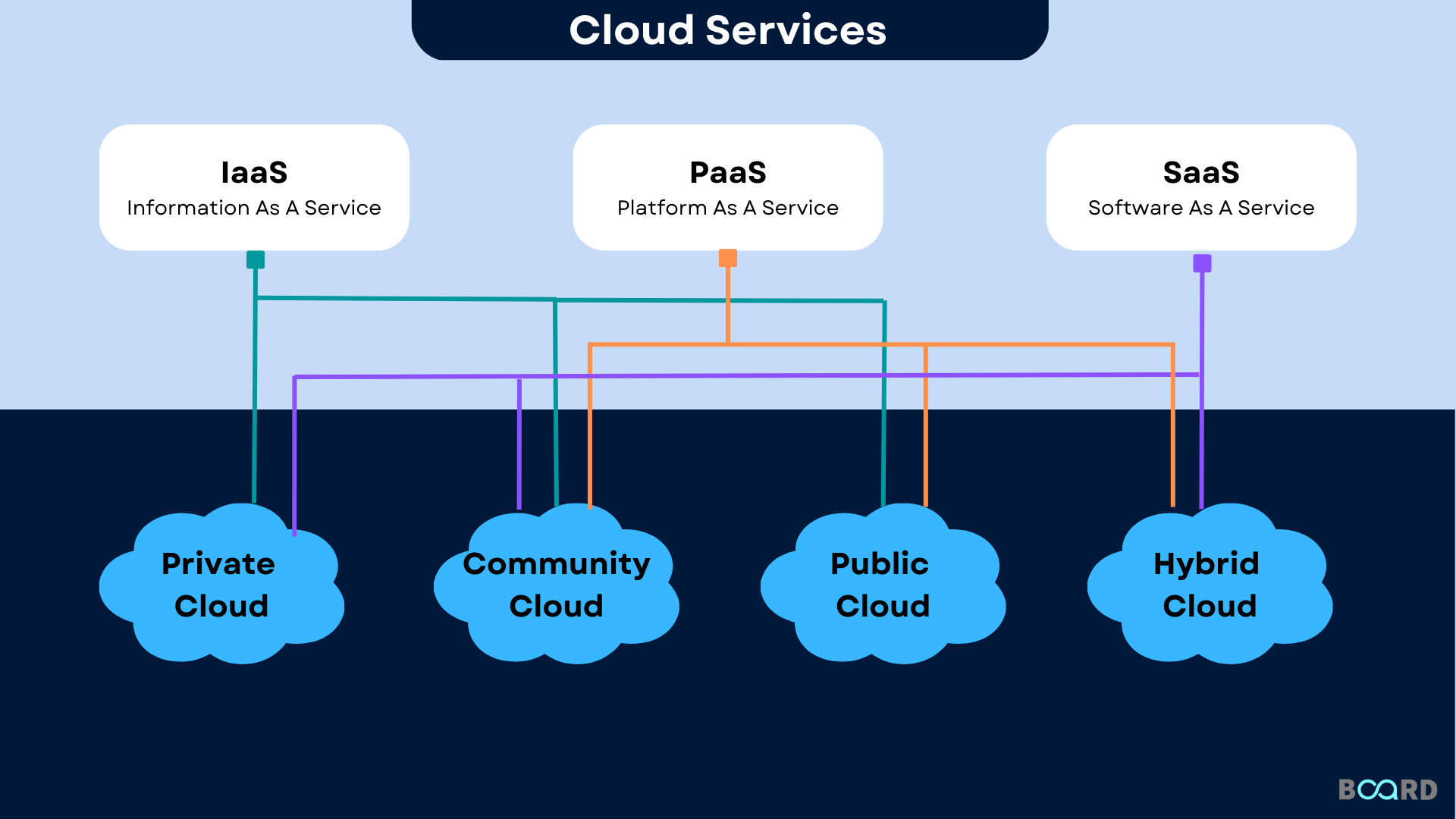
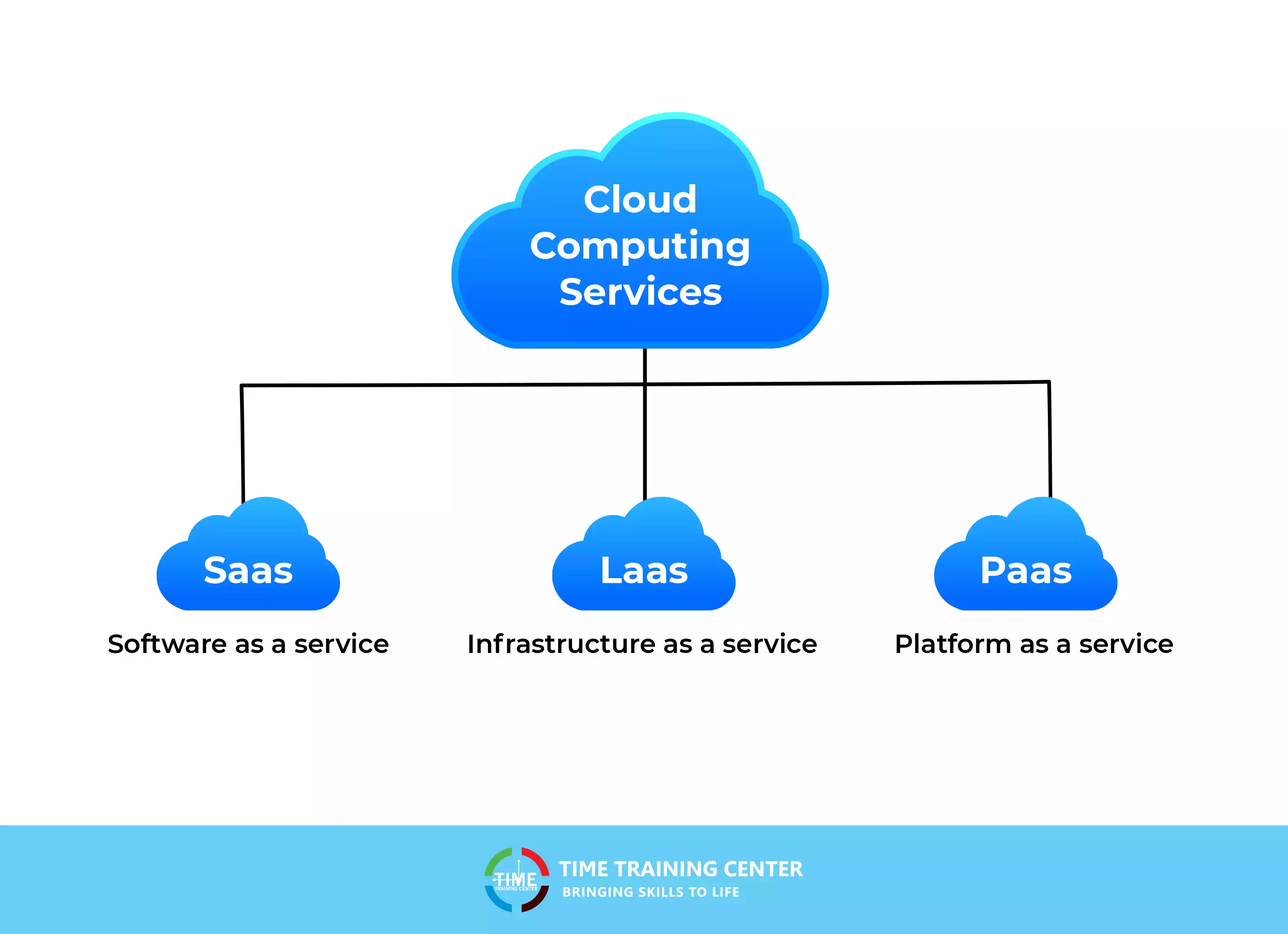
The vast landscape of cloud-based services is typically categorized into three primary service models, each offering a different level of control, management, and abstraction. Understanding these models is crucial to grasping the nuances of how cloud services function and which best suits specific needs. These models represent a spectrum, moving from a foundational level of infrastructure to fully realized applications.
Infrastructure as a Service (IaaS)
Infrastructure as a Service (IaaS) provides the most fundamental building blocks of cloud IT. It offers access to computing resources such as virtual machines, storage, and networks. With IaaS, users have the highest level of control over their IT environment, as they are responsible for managing the operating system, middleware, and applications, while the CSP manages the underlying physical infrastructure.
Virtual Machines and Compute Power
At the heart of IaaS are virtual machines (VMs). These are essentially software-based emulations of physical computers. Users can rent VMs with specified amounts of processing power (CPU), memory (RAM), and operating systems. This allows businesses to spin up servers on demand for applications, development environments, or testing purposes, without the need to purchase and configure physical hardware. This agility is particularly valuable for fluctuating workloads or projects with uncertain resource requirements.
Storage and Networking
Beyond compute, IaaS also encompasses robust storage solutions. This can range from block storage, which is ideal for databases and high-performance applications, to object storage, suitable for unstructured data like images, videos, and backups. Cloud networking capabilities within IaaS allow users to create virtual networks, configure firewalls, and manage IP addresses, replicating the functionality of an on-premises network in the cloud. This provides a secure and scalable foundation for any application.
Benefits of IaaS
The primary benefits of IaaS lie in its flexibility and cost-effectiveness. Organizations can scale resources up or down instantaneously based on demand, avoiding the over-provisioning and under-utilization common with traditional on-premises infrastructure. Furthermore, the pay-as-you-go pricing model means businesses only pay for the resources they consume, transforming capital expenditures into operational expenses. This makes powerful computing resources accessible even to startups with limited budgets.
Platform as a Service (PaaS)
Platform as a Service (PaaS) builds upon IaaS by providing a complete development and deployment environment in the cloud. It offers a platform that includes operating systems, middleware, development tools, database management systems, and even business intelligence services. With PaaS, developers can focus on writing code and deploying applications without worrying about managing the underlying infrastructure. The CSP handles the operating system, patching, and hardware maintenance.
Development and Deployment Tools
PaaS offerings typically include integrated development environments (IDEs), version control systems, debugging tools, and deployment pipelines. This streamlines the entire software development lifecycle, from coding to testing and releasing new versions of applications. Developers can leverage pre-configured environments that are optimized for specific programming languages or frameworks, significantly accelerating the development process.
Database and Application Services
PaaS solutions often include managed database services, eliminating the need for administrators to install, configure, and maintain database servers. These services offer features like automatic backups, patching, and scalability. Additionally, PaaS can provide pre-built application services such as authentication, messaging queues, and API gateways, further simplifying application development and reducing the burden on development teams.
Who Benefits from PaaS?
PaaS is particularly beneficial for software developers and development teams. It allows them to be more productive by abstracting away the complexities of infrastructure management. Businesses can also leverage PaaS to accelerate innovation, as it enables them to quickly prototype, test, and deploy new applications and services. This can lead to faster time-to-market and a competitive advantage.
Software as a Service (SaaS)
Software as a Service (SaaS) is the most widely recognized and utilized cloud-based service model. In this model, software applications are delivered over the internet by a CSP on a subscription basis. Users access the software through a web browser or a dedicated client application, without needing to install, manage, or upgrade any software on their local devices. Examples of SaaS abound in our daily lives, from email services like Gmail and Outlook.com to productivity suites like Microsoft 365 and Google Workspace, and even customer relationship management (CRM) systems like Salesforce.
Accessing Applications Remotely
The core of SaaS is its accessibility. Users can log in and use the software from any device with an internet connection, fostering a mobile and flexible work environment. This eliminates the need for complex software installations and licensing management on individual machines. Updates and patches are handled by the CSP, ensuring that all users are always on the latest version of the software without any user intervention.
Subscription-Based Pricing
SaaS typically operates on a subscription model, often billed monthly or annually. This predictable cost structure can be highly beneficial for budgeting. Users pay for the functionality they need, with tiered pricing often available based on the number of users, features, or usage levels. This “try before you buy” or flexible scaling approach democratizes access to sophisticated software that might otherwise be prohibitively expensive.
Examples and Use Cases
The range of SaaS applications is vast. In the business world, SaaS solutions are common for email, collaboration, CRM, enterprise resource planning (ERP), human resources management, accounting, and project management. For consumers, streaming services, online gaming platforms, and cloud storage solutions like Dropbox are all examples of SaaS. The convenience and cost-effectiveness of SaaS have made it the dominant model for delivering many types of software.
The Advantages of Adopting Cloud-Based Services
The widespread adoption of cloud-based services is not merely a trend; it’s driven by a host of compelling advantages that address critical needs for both individuals and organizations. These benefits span operational efficiency, financial prudence, and strategic agility.
Scalability and Elasticity
One of the most significant advantages of cloud-based services is their inherent scalability and elasticity. This means that resources can be easily increased or decreased as needed. For businesses, this translates to the ability to handle sudden spikes in demand, such as during a holiday sale or a viral marketing campaign, without the risk of system failure. Conversely, during periods of lower activity, resources can be scaled down to save costs. This dynamic adjustment capability is virtually impossible with traditional on-premises infrastructure, which requires significant lead time and capital investment for capacity planning.
Handling Fluctuating Workloads
Imagine a retail e-commerce site experiencing a massive surge in traffic during Black Friday. With a cloud-based infrastructure, the company can instantly provision more servers and bandwidth to handle the increased load, ensuring a seamless customer experience. Once the surge subsides, the resources are automatically de-provisioned, preventing unnecessary costs. This elasticity is a game-changer for businesses operating in dynamic markets.
Cost Optimization through Dynamic Allocation
The ability to dynamically allocate resources directly impacts cost optimization. Instead of purchasing hardware that might sit idle for much of the year, cloud users pay only for what they use. This shift from capital expenditure (CapEx) to operational expenditure (OpEx) provides greater financial flexibility and predictability, allowing businesses to allocate capital to other strategic areas.
Cost-Effectiveness and Reduced Overhead
Cloud-based services offer substantial cost savings by eliminating the need for significant upfront investments in hardware, software, and data center facilities. Organizations also save on the ongoing costs associated with power, cooling, physical security, and IT personnel required to manage on-premises infrastructure.
Eliminating Capital Expenditures

The initial outlay for servers, networking equipment, and data center space can be immense. Cloud services replace this with a predictable subscription or pay-as-you-go model. This makes sophisticated IT resources accessible to small and medium-sized businesses (SMBs) that might otherwise be priced out of such capabilities.
Reduced Operational Expenses
Beyond initial investment, the ongoing operational expenses of managing IT infrastructure are considerable. This includes electricity to power servers and cooling systems, maintenance contracts, hardware upgrades, and the salaries of IT staff dedicated to managing and maintaining the physical infrastructure. Cloud providers absorb these costs, allowing businesses to streamline their operations and reduce their IT overhead.
Enhanced Accessibility and Collaboration
Cloud-based services break down geographical barriers and enable seamless collaboration. Teams can access and work on the same documents and applications from anywhere in the world, fostering a more connected and productive work environment.
Global Access and Mobility
Employees, whether working from home, on the road, or in different office locations, can access the same cloud-based tools and data. This promotes flexibility and allows organizations to tap into a global talent pool without being limited by physical proximity.
Streamlined Teamwork and Communication
Collaboration tools built on cloud platforms, such as shared document editing, project management software, and instant messaging, significantly enhance teamwork. Real-time updates and centralized data ensure that everyone is working with the most current information, reducing errors and improving project timelines.
Security and Reliability in the Cloud
A common concern when discussing cloud-based services is security. However, leading cloud providers invest heavily in state-of-the-art security measures that often surpass what individual organizations can implement on their own. Furthermore, the distributed nature of cloud infrastructure contributes to high levels of reliability and disaster recovery.
Robust Security Measures
Cloud providers employ a multi-layered security approach, including physical security of data centers, network security, access controls, encryption, and continuous monitoring for threats. They adhere to stringent industry compliance standards and regulations, such as ISO 27001, SOC 2, and GDPR, providing assurance to users about the safety of their data.
Data Encryption and Access Control
Data stored in the cloud is typically encrypted both in transit (as it travels over the internet) and at rest (when stored on servers). Access to data and services is managed through sophisticated authentication and authorization mechanisms, ensuring that only authorized users can access specific information.
Compliance and Auditing
Cloud providers are regularly audited by third-party security experts to ensure compliance with various security and privacy regulations. This provides businesses with the confidence that their cloud deployments meet their regulatory obligations.
High Availability and Disaster Recovery
Cloud infrastructure is designed for high availability, meaning that services are accessible and operational with minimal downtime. Providers achieve this through redundancy, distributing data and applications across multiple data centers and availability zones.
Redundancy and Fault Tolerance
If one server or even an entire data center experiences an issue, traffic can be automatically rerouted to other operational facilities, ensuring uninterrupted service. This inherent redundancy makes cloud services more resilient than many on-premises setups.
Business Continuity Planning
Cloud-based disaster recovery solutions allow businesses to quickly restore their operations in the event of a catastrophic failure. Data can be backed up regularly to geographically diverse locations, enabling rapid recovery and minimizing business interruption. This is a critical component of any robust business continuity strategy.
The Future of Cloud-Based Services
The evolution of cloud-based services is far from over. As technology advances, we can expect even more sophisticated and integrated cloud offerings. Emerging trends point towards increased intelligence, deeper integration, and a greater focus on specialized cloud solutions.
Artificial Intelligence and Machine Learning Integration
Cloud platforms are becoming increasingly central to the development and deployment of Artificial Intelligence (AI) and Machine Learning (ML) models. Cloud providers offer a wide range of AI/ML services, from pre-trained models for tasks like image recognition and natural language processing to platforms for building, training, and deploying custom AI solutions. This democratizes access to powerful AI capabilities, allowing businesses of all sizes to leverage advanced analytics and automation.
Democratizing AI and ML Capabilities
By providing scalable computing power, vast data storage, and specialized tools, cloud platforms enable organizations to experiment with and implement AI/ML solutions without the need for extensive in-house expertise or specialized hardware. This is accelerating innovation across numerous industries.
Driving Automation and Insights
The integration of AI/ML into cloud services is driving significant advancements in automation, predictive analytics, and personalized customer experiences. From optimizing supply chains to detecting fraudulent transactions, AI/ML in the cloud is unlocking new levels of efficiency and insight.
Edge Computing and Hybrid Cloud
As the demand for real-time data processing grows, edge computing is emerging as a complementary technology to cloud computing. Edge computing involves processing data closer to its source, reducing latency and bandwidth requirements. Hybrid cloud models, which combine public cloud services with private cloud or on-premises infrastructure, are also gaining traction, offering organizations the flexibility to choose the best environment for different workloads.
Processing Data Closer to the Source
Edge computing is particularly relevant for applications in areas like the Internet of Things (IoT), autonomous vehicles, and industrial automation, where immediate data analysis is critical. Cloud providers are extending their platforms to the “edge,” enabling seamless integration between centralized cloud resources and distributed edge devices.
Blending Public and Private Cloud Environments
Hybrid cloud strategies allow organizations to maintain sensitive data or critical applications on-premises while leveraging the scalability and cost-effectiveness of public cloud services for other workloads. This offers a balanced approach, providing control where needed and flexibility elsewhere.
Serverless Computing and Advanced Analytics
Serverless computing is a cloud execution model where the cloud provider dynamically manages the allocation and provisioning of servers. Developers write and deploy code without thinking about servers, allowing for highly scalable and cost-efficient applications. Coupled with advanced analytics services, this enables organizations to extract deeper insights from their data, driving informed decision-making and strategic planning.
In conclusion, cloud-based services have fundamentally reshaped the technological landscape, offering unparalleled flexibility, scalability, and cost-efficiency. From the foundational infrastructure provided by IaaS to the end-user applications delivered through SaaS, the cloud has become an indispensable tool for modern businesses and individuals, empowering innovation and driving digital transformation. As technology continues to evolve, the cloud will undoubtedly remain at the forefront, enabling new possibilities and shaping the future of how we compute, collaborate, and interact with the digital world.
aViewFromTheCave is a participant in the Amazon Services LLC Associates Program, an affiliate advertising program designed to provide a means for sites to earn advertising fees by advertising and linking to Amazon.com. Amazon, the Amazon logo, AmazonSupply, and the AmazonSupply logo are trademarks of Amazon.com, Inc. or its affiliates. As an Amazon Associate we earn affiliate commissions from qualifying purchases.