
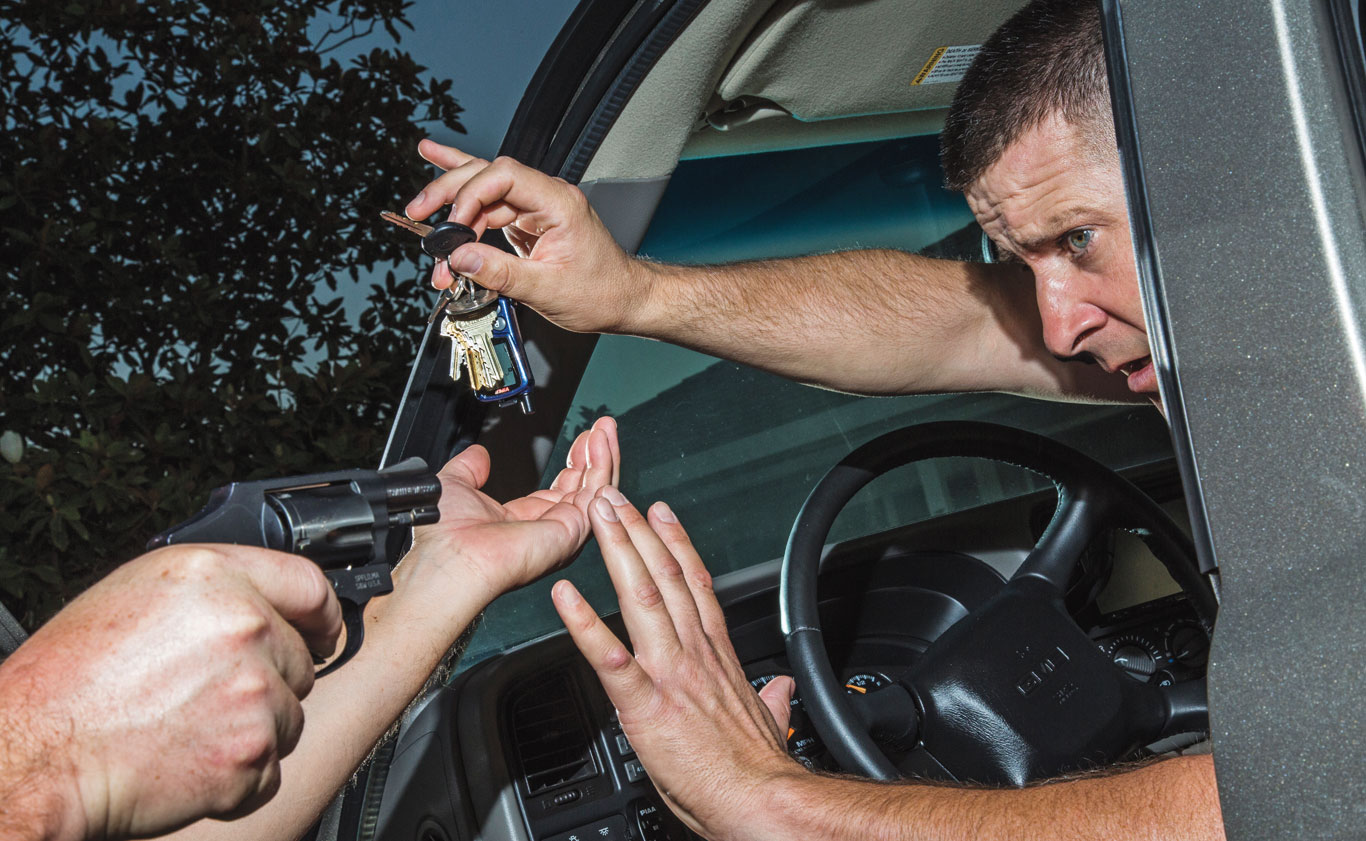
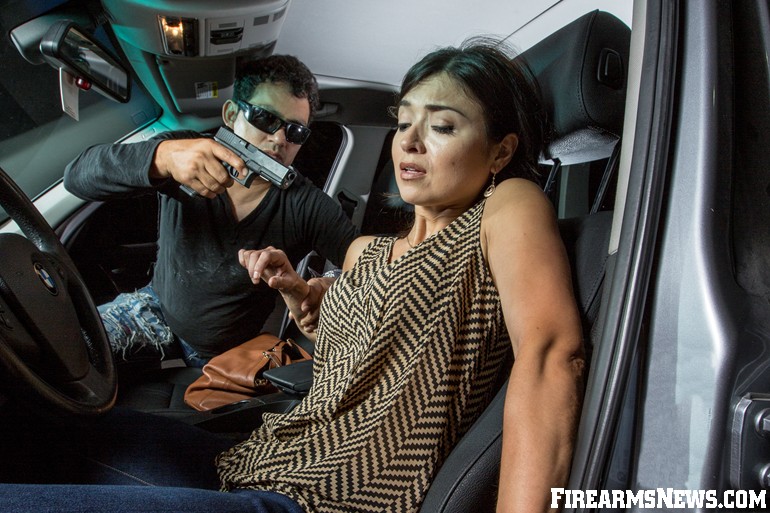
In the traditional sense, the term “carjacked” evokes images of a physical confrontation—a criminal forcing a driver out of their vehicle to take control of the wheel. However, as our world transitions into a hyper-connected digital ecosystem, the definition of carjacking is undergoing a radical transformation. In the context of modern technology, “carjacking” increasingly refers to the unauthorized digital takeover of a vehicle’s internal systems.
As automobiles evolve into “computers on wheels,” the vulnerabilities move from the mechanical to the digital. Today’s vehicles are equipped with millions of lines of code, dozens of Electronic Control Units (ECUs), and constant connectivity to the internet, cellular networks, and Bluetooth devices. This shift has birthed a new frontier in digital security, where being carjacked no longer requires a weapon, but rather a laptop, a specialized radio frequency tool, or a malicious line of code.
The Shift from Physical to Digital: What Does it Mean to be “Carjacked” Today?
The automotive industry is currently in the midst of a “Software-Defined Vehicle” (SDV) revolution. While this brings unprecedented convenience, such as autonomous driving features and over-the-air updates, it also expands the attack surface for cybercriminals. Digital carjacking is the act of exploiting vulnerabilities in a car’s software to gain control over its functions, access its data, or disable its security protocols.
The Anatomy of a Modern Carjack
In the tech sphere, a carjack begins long before the vehicle moves. It often starts with a vulnerability scan. Modern cars broadcast signals constantly—Wi-Fi pings, Bluetooth handshakes, and Keyless Entry signals. A sophisticated attacker identifies these signals to find a “way in.” Unlike a physical carjacker who targets a person at a stoplight, a digital carjacker can target a vehicle while it is parked in a driveway or even while it is cruising on a highway from miles away.
Software as the New Master Key
The “master key” is no longer a physical object. It is now a digital payload. By exploiting “zero-day” vulnerabilities in a car’s infotainment system or its telematics unit, hackers can pivot into the vehicle’s internal network. Once they have successfully bypassed the gateway, they can issue commands to the vehicle’s hardware. This shift means that carjacking has moved from a crime of physical opportunity to a sophisticated technological exploit requiring deep knowledge of embedded systems and network protocols.
The Vulnerabilities of Connected Vehicles
To understand how a digital carjack occurs, one must look at the specific technologies that modern vehicles rely on. While these features are designed for comfort and efficiency, they represent entry points for digital intrusion.
CAN Bus Infiltration
The Controller Area Network (CAN) bus is the central nervous system of a modern vehicle. It allows different parts of the car—the engine, the brakes, the steering, and the windows—to communicate with each other. Historically, the CAN bus was an isolated system. However, in modern connected cars, the CAN bus is often linked to the infotainment system or the cellular module. If an attacker gains access to the infotainment system via a malicious USB drive or a compromised Wi-Fi connection, they can send spoofed messages to the CAN bus. This could theoretically allow them to disable brakes or take control of steering, effectively carjacking the vehicle’s physical movements through digital means.
Keyless Entry and Relay Attacks
One of the most common forms of digital carjacking today is the “relay attack.” Most modern cars use a Passive Keyless Entry and Start (PKES) system. These systems work by detecting a low-frequency signal from the key fob. Thieves use relatively inexpensive radio equipment to “pick up” the signal from a key fob sitting inside a owner’s house, amplify it, and relay it to a second device held next to the car. The car “thinks” the owner is standing right there with the key, unlocks the doors, and allows the engine to start. In this scenario, the vehicle is carjacked without a single window being broken or a single wire being cut.
Mobile App Vulnerabilities
Almost every major automaker now offers a smartphone app that allows owners to remotely start their cars, check fuel levels, or unlock doors. These apps communicate with the car via the manufacturer’s cloud servers. If the cloud infrastructure is breached, or if the user’s mobile device is compromised by malware, an attacker can gain full administrative control over the vehicle. This “Cloud-to-Car” carjacking is a growing concern for digital security experts, as it allows for the simultaneous hijacking of thousands of vehicles if a central server is compromised.
Cybersecurity Frameworks for the Automotive Industry
As the threat of digital carjacking grows, the tech and automotive industries are collaborating to build more resilient defenses. Security is no longer an afterthought; it is being integrated into the vehicle development lifecycle (V-model) from the ground up.
OTA (Over-the-Air) Updates and Patch Management
Just as your smartphone receives security patches, modern cars now receive Over-the-Air (OTA) updates. This technology is the first line of defense against digital carjacking. When a vulnerability is discovered—such as the famous 2015 Jeep Cherokee exploit that allowed researchers to remotely cut the transmission—manufacturers can push a software fix to every affected vehicle globally. Efficient OTA management ensures that cars do not remain vulnerable to known exploits for long periods, significantly reducing the “window of opportunity” for hackers.
Intrusion Detection Systems (IDS) for Cars
Borrowing from the world of enterprise IT, automotive engineers are now implementing Automotive Intrusion Detection and Prevention Systems (IDPS). These systems monitor the traffic on the CAN bus in real-time. By using machine learning algorithms to establish a “baseline” of normal communication patterns, the IDPS can identify anomalous messages. If a command is sent to “disable brakes” while the car is traveling at 60 mph—a command that would never occur under normal operation—the IDPS can flag it as a cyberattack and block the message, preventing the carjack from being successful.
The Future of Automotive Security: AI and Blockchain
As attackers become more sophisticated, the tech industry is looking toward advanced technologies like Artificial Intelligence (AI) and Blockchain to secure the vehicles of tomorrow.
AI-Driven Behavioral Analysis
Future vehicles will likely use AI to verify the identity of the driver through behavioral biometrics. This goes beyond simple facial recognition. AI can analyze driving patterns, seat position preferences, and even the “digital footprint” of the driver’s connected devices. If the system detects that the vehicle is being operated in a manner inconsistent with the owner’s profile, or if the “digital key” appears to be cloned, the vehicle could enter a “safe mode,” limiting speed or alerting authorities. This adds a layer of intelligence that makes traditional digital carjacking much more difficult.
Decentralized Identity for Vehicle Access
Blockchain technology offers a potential solution for secure vehicle access. By using a decentralized ledger to manage digital keys, manufacturers can eliminate the “single point of failure” found in centralized cloud servers. A blockchain-based “handshake” between the owner’s device and the car would be nearly impossible to spoof or relay, as it would require cryptographic verification that is unique to a specific point in time and space. This “trustless” architecture could be the ultimate defense against the relay attacks currently plaguing the industry.
Protecting Your Digital Assets: Practical Security Tips
While manufacturers work on high-level security frameworks, there are steps that tech-savvy owners can take today to prevent their vehicles from being digitally carjacked.
Faraday Bags and Physical Dampers
For those concerned about relay attacks, a “Faraday bag” is a simple but effective tech solution. These small pouches are lined with layers of metallic material that block radio frequency signals. By placing your key fob in a Faraday bag when not in use, you prevent attackers from “skimming” or relaying your key’s signal. Additionally, using physical deterrents like steering wheel locks, while seemingly “low-tech,” provides a secondary layer of security that digital-only thieves are often unprepared to bypass.

Software Hygiene and Multi-Factor Authentication
Treat your car’s mobile app with the same level of security as your banking app. Enable Multi-Factor Authentication (MFA) on your automotive accounts to ensure that a compromised password doesn’t lead to a compromised vehicle. Furthermore, be cautious about the third-party devices you plug into your car’s OBD-II port (often used for insurance tracking or performance tuning). These devices are often poorly secured and can act as an unintended “backdoor” for hackers to gain access to the vehicle’s internal networks.
In conclusion, the concept of being “carjacked” has moved far beyond the realm of physical theft. In our current era, it is a sophisticated technological challenge that sits at the intersection of digital security, software engineering, and IoT connectivity. As we continue to embrace the benefits of the connected car, understanding the digital nature of these threats is the first step in ensuring that our “computers on wheels” remain under our control. Through a combination of robust manufacturer standards, AI-driven defense systems, and smart user habits, the tech industry is working to ensure that the digital carjackers of the future are stopped before they ever find a way in.
aViewFromTheCave is a participant in the Amazon Services LLC Associates Program, an affiliate advertising program designed to provide a means for sites to earn advertising fees by advertising and linking to Amazon.com. Amazon, the Amazon logo, AmazonSupply, and the AmazonSupply logo are trademarks of Amazon.com, Inc. or its affiliates. As an Amazon Associate we earn affiliate commissions from qualifying purchases.