
While the website’s primary focus might be on the cutting-edge realms of technology, the strategic intricacies of branding, and the dynamic world of finance, exploring the essence of a flavor like butterscotch offers a surprisingly rich tapestry of connections. From the ingenious formulation of culinary delights to the marketing genius that elevates a simple treat into a beloved icon, and even the economic principles behind its widespread appeal, the journey into “what is butterscotch flavor” is far more than just a culinary exploration. It’s a multifaceted examination that touches upon innovation, consumer psychology, and the very fabric of market success.

At its core, butterscotch flavor is a symphony of sweet and rich, a comforting and familiar taste that evokes warmth and nostalgia for many. It’s not a singular ingredient, but rather a carefully orchestrated blend, a testament to the art and science of flavor creation. To truly understand butterscotch, we must dissect its components, trace its origins, and appreciate the sensory experience it delivers.
The Alchemy of Sweetness: Deconstructing Butterscotch
The fundamental building blocks of butterscotch flavor are surprisingly simple, yet their combination yields a complexity that has captivated palates for generations. At its heart, butterscotch is a confectionary delight built upon two primary ingredients: sugar and butter.
The Golden Foundation: Sugar’s Crucial Role
Sugar, in its various forms, acts as the canvas upon which the butterscotch flavor is painted. Typically, brown sugar is the star ingredient. The molasses content in brown sugar is what imparts that characteristic deep, caramel-like sweetness and a slightly nutty undertone. This is a crucial distinction from white granulated sugar, which would result in a much blander and less complex flavor profile. The molasses also contributes to the characteristic amber hue of butterscotch.
Beyond brown sugar, other sweeteners might be employed, depending on the desired texture and intensity. Granulated sugar can be used in conjunction with brown sugar to control sweetness and crystallization. Some recipes might even incorporate corn syrup or glucose syrup to prevent sugar crystallization, ensuring a smooth and chewy texture in candies or a velvety consistency in sauces and fillings. The precise ratio of sugars is a critical factor in achieving the perfect butterscotch flavor, influencing everything from its initial sweetness to its lingering finish.
The Rich Embrace: Butter’s Indispensable Contribution
Butter is not merely an addition; it is a co-conspirator in the creation of butterscotch’s signature richness and mouthfeel. The fat content in butter is essential for carrying and distributing the flavor compounds. It softens the sharp edges of the sweetness, creates a luxurious, melt-in-your-mouth sensation, and contributes to the glossy sheen often seen in butterscotch confections.
The quality of the butter also plays a role. Unsalted butter is generally preferred to allow for precise control over the salt content, which is another vital element in butterscotch. However, the distinctive “buttery” notes themselves are a result of the milk solids and fat present in the butter. This fat coats the tongue, creating a lingering sensation that is both satisfying and comforting.
The Harmonizing Notes: Salt and Other Enhancements
While sugar and butter form the bedrock, the subtle addition of salt is what truly elevates butterscotch from merely sweet to a nuanced and addictive flavor. Salt acts as a flavor enhancer, balancing the intense sweetness and bringing out the deeper caramel notes. It prevents the flavor from becoming cloying and adds a sophisticated counterpoint to the richness. Without salt, butterscotch can taste flat and one-dimensional.
Beyond these core elements, other ingredients can be incorporated to add further depth and complexity:
- Vanilla Extract: A ubiquitous flavor enhancer, vanilla adds a warm, aromatic layer that complements the caramel notes of the brown sugar. It smooths out any potential harshness and adds a subtle floral nuance.
- Cream: Often used in higher-end butterscotch recipes, cream contributes additional richness and a silkier texture. The fat and milk solids in cream further enhance the buttery mouthfeel and create a more decadent experience.
- Molasses (additional): While brown sugar already contains molasses, sometimes a touch more is added to intensify the caramel flavor and darken the color.
- Flavorings (less common, but possible): In some processed butterscotch products, artificial flavorings might be used to replicate or enhance the core butterscotch profile. However, for artisanal butterscotch, the focus remains on the natural interplay of sugar and butter.
The meticulous combination and cooking of these ingredients are what define the butterscotch flavor. The process of caramelization, where sugars are heated and undergo chemical changes, is central to developing those rich, complex, toasty, and slightly burnt notes that are the hallmark of butterscotch.
From Kitchen Concoction to Culinary Icon: The Evolution of Butterscotch
The journey of butterscotch flavor from a simple kitchen experiment to a globally recognized and cherished taste is a fascinating narrative that intertwines culinary history with elements of innovation and market appeal. While its exact origins are debated, the generally accepted story points to a humble beginning that blossomed into a widespread phenomenon.
The Myth and the Reality: Tracing the Roots
The most popular origin story attributes the invention of butterscotch to Mrs. Charles Cooper of Durham, England, in the mid-19th century. Legend has it that she developed a hard candy made from brown sugar and butter, which she sold as a remedy for coughs and colds. The name “butterscotch” is believed to have originated from the practice of “scotching” or scoring the cooled candy into pieces, or perhaps from the distinctive “scotch” pattern of cracks that would appear when it was broken.
While the specific details of this origin story are difficult to definitively verify, the core elements – the combination of butter and brown sugar to create a sweet confection – are undoubtedly accurate. The appeal of such a simple yet delicious concoction would have been immense in an era where such treats were a luxury.
Technological Advancements and Mass Production
The widespread adoption and accessibility of butterscotch flavor owe a significant debt to technological advancements in food production. The development of sophisticated candy-making machinery in the late 19th and early 20th centuries allowed for the mass production of butterscotch candies, cookies, and other confections. This facilitated a shift from a niche homemade treat to a readily available commercial product.
The ability to precisely control temperature and mixing processes in industrial settings ensured a consistent butterscotch flavor, making it reliable and appealing to a broad consumer base. Furthermore, advancements in packaging and distribution allowed butterscotch products to reach markets far beyond their point of origin, solidifying its place as a global flavor.
Butterscotch’s Versatility: Beyond the Candy Dish
The evolution of butterscotch flavor isn’t confined to hard candies. Its rich, sweet, and slightly savory profile has made it incredibly versatile in the culinary world. This adaptability has been key to its enduring popularity.
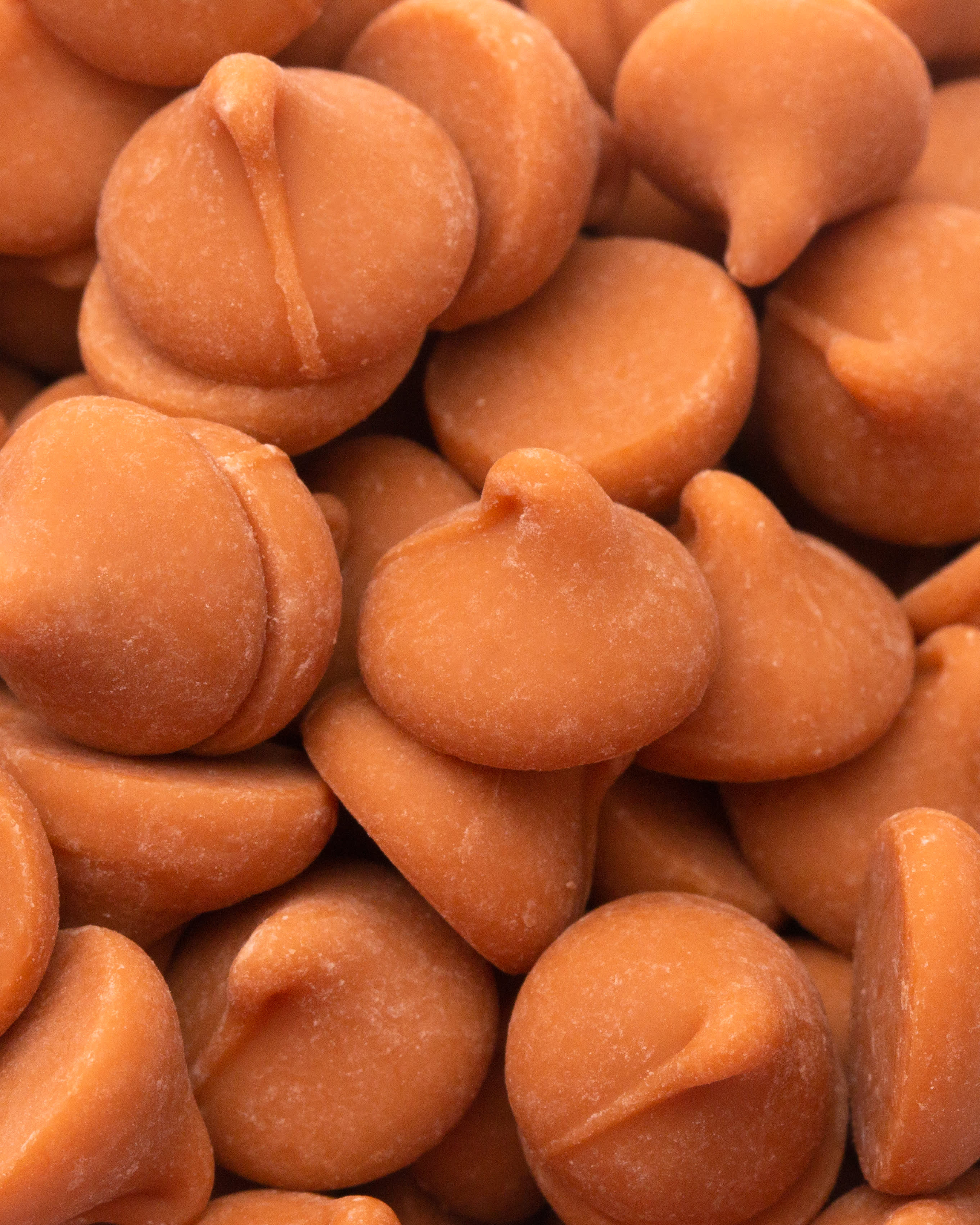
- Baked Goods: Butterscotch is a beloved flavor in cookies, cakes, brownies, and pies. A butterscotch drizzle can elevate a simple vanilla cake, and butterscotch chips are a popular addition to cookies, offering pockets of intense flavor.
- Dessert Sauces and Fillings: Butterscotch sauce is a classic topping for ice cream, pancakes, and waffles. It also serves as a decadent filling for pastries and tarts.
- Beverages: Butterscotch flavor is increasingly found in coffee drinks, liqueurs, and even non-alcoholic beverages, offering a comforting and indulgent taste experience.
- Savory Applications (less common, but emergent): While primarily a sweet flavor, the caramel notes in butterscotch can also lend themselves to unexpected savory applications, particularly in glazes for meats or as an accent in certain sauces.
This versatility, driven by the fundamental appeal of its flavor profile and the ingenuity of culinary professionals, has ensured butterscotch’s continued relevance across a vast array of food and beverage categories.
The Business of Sweetness: Branding and Monetizing Butterscotch Flavor
The enduring appeal of butterscotch flavor extends beyond the realm of taste to encompass significant business and branding opportunities. Understanding how this seemingly simple flavor is leveraged in the marketplace reveals fascinating insights into brand strategy, marketing, and financial success.
Crafting a Brand Identity Around Comfort and Indulgence
The inherent qualities of butterscotch – its warmth, richness, and nostalgic associations – provide a strong foundation for brand identity. Companies that successfully market butterscotch products often tap into these emotional connections.
- Nostalgia Marketing: Many brands use butterscotch to evoke childhood memories and a sense of comforting familiarity. Packaging might feature retro designs, and advertising campaigns often highlight themes of home, family, and simple pleasures.
- Indulgence and Treat: Butterscotch is frequently positioned as a treat, an indulgence that offers a moment of escape and pleasure. This is particularly evident in premium ice cream, gourmet chocolates, and specialty coffee beverages where butterscotch is a key flavor.
- Quality and Craftsmanship: For artisanal brands, butterscotch can be synonymous with quality ingredients and careful craftsmanship. Highlighting the use of real butter and natural brown sugar can differentiate products in a crowded market.
- Brand Extensions: The core butterscotch flavor can be the foundation for a wide range of product extensions, from candies and cookies to ice creams, baked goods, and even flavored syrups and extracts. This allows brands to capture multiple market segments under a unified flavor umbrella.
The success of a butterscotch brand often hinges on its ability to communicate these values effectively through its packaging, advertising, and overall customer experience. A well-executed brand strategy can transform a simple flavor into a powerful brand asset.

The Financial Landscape of Butterscotch
The economic impact of butterscotch flavor is substantial, driven by its consistent consumer demand and its ability to command premium pricing in certain contexts.
- Market Demand and Sales: The global market for candies, baked goods, and desserts featuring butterscotch is significant. This consistent demand translates into steady revenue streams for manufacturers and retailers. The accessibility of butterscotch as an ingredient also makes it attractive for businesses looking to develop cost-effective yet popular products.
- Pricing Strategies: While basic butterscotch candies might be positioned as affordable treats, premium butterscotch products, such as gourmet ice creams, artisanal chocolates, or specialty baked goods, can command higher prices. This is often justified by the perceived quality of ingredients, the complexity of the flavor profile, and the aspirational branding associated with indulgence.
- Innovation and Product Development: The ongoing desire for new and exciting flavor experiences fuels innovation within the butterscotch category. Companies invest in developing new butterscotch-infused products, creating opportunities for market growth and increased profitability. This can include novel flavor combinations, healthier alternatives, or products catering to specific dietary needs.
- Side Hustles and Entrepreneurship: The popularity of butterscotch also presents opportunities for entrepreneurs. Small businesses and home bakers can capitalize on this demand by creating and selling artisanal butterscotch products, from homemade candies and cookies to custom cakes and dessert sauces. The relatively low barrier to entry for some butterscotch-based products makes it an attractive option for individuals looking to generate online income or establish a side hustle.
In conclusion, while the title “what is butterscotch flavor” might initially suggest a purely culinary inquiry, a deeper dive reveals its intricate connections to technological innovation in production, the strategic art of branding and consumer connection, and the tangible economic realities of the food industry. Butterscotch flavor, in its simple yet profound complexity, is a testament to how fundamental ingredients, when expertly combined and thoughtfully marketed, can create enduring value and appeal across diverse industries.
aViewFromTheCave is a participant in the Amazon Services LLC Associates Program, an affiliate advertising program designed to provide a means for sites to earn advertising fees by advertising and linking to Amazon.com. Amazon, the Amazon logo, AmazonSupply, and the AmazonSupply logo are trademarks of Amazon.com, Inc. or its affiliates. As an Amazon Associate we earn affiliate commissions from qualifying purchases.