
Bowel incontinence, also known as fecal incontinence, is a condition that affects millions, disrupting daily life and impacting overall well-being. While often shrouded in embarrassment and silence, understanding its nuances is the first step towards effective management and regaining control. In the context of our digitally interconnected world, where brand perception is paramount and financial stability is a constant pursuit, bowel incontinence presents unique challenges and opportunities for leveraging technology, strategizing brand management, and seeking financial support. This article will delve into the multifaceted nature of bowel incontinence, exploring its causes, impact, and how individuals can navigate its complexities through the lens of tech, brand, and money.

Understanding the Fundamentals: What is Bowel Incontinence?
At its core, bowel incontinence is the inability to control bowel movements, leading to the accidental release of feces. This can range from infrequent leakage of small amounts of stool to a complete loss of bowel control. It’s crucial to understand that bowel incontinence is not a disease in itself but rather a symptom of an underlying issue. The mechanisms controlling bowel function are complex, involving the muscles of the rectum and anus (sphincter muscles), the nerves that signal to these muscles, and the stool itself (its consistency and volume). When any of these components are compromised, bowel control can be affected.
The Underlying Causes: A Spectrum of Factors
The reasons behind bowel incontinence are diverse and can stem from various physiological and medical conditions. Identifying the root cause is paramount for effective treatment and management.
Physical and Anatomical Factors
- Muscle Damage: The anal sphincter muscles are critical for maintaining continence. Damage to these muscles can occur during childbirth (especially episiotomy or severe tearing), anal surgery, or due to chronic straining from conditions like constipation. Weakened sphincter muscles may not be able to hold stool effectively.
- Nerve Damage: The nerves that control the anal sphincter muscles and the sensation of rectal fullness can also be damaged. This can happen due to conditions like stroke, spinal cord injury, multiple sclerosis, or diabetes. Damage to these nerves can impair the ability to sense the urge to defecate or to consciously control the muscles.
- Rectal Issues: The rectum’s ability to store stool and its elasticity play a significant role. Conditions like rectal prolapse (where the rectum protrudes from the anus) or rectal scarring from inflammatory bowel disease (IBD) or radiation therapy can affect rectal function and lead to incontinence.
- Constipation and Diarrhea: Chronic constipation can lead to fecal impaction, a hard mass of stool in the rectum that can cause leakage of liquid stool around the impaction. Conversely, diarrhea, with its increased frequency and looseness of stools, can overwhelm the sphincter muscles’ ability to hold it in, leading to urgency and leakage.
Medical Conditions and Diseases
- Inflammatory Bowel Disease (IBD): Conditions like Crohn’s disease and ulcerative colitis can cause chronic inflammation in the digestive tract, leading to diarrhea, urgency, and sometimes incontinence.
- Neurological Disorders: As mentioned earlier, conditions affecting the nervous system, such as Parkinson’s disease, Alzheimer’s disease, and stroke, can disrupt the nerve signals controlling bowel function.
- Diabetes: Diabetic neuropathy can affect the nerves that control the bowels, leading to a range of issues including incontinence.
- Pelvic Floor Dysfunction: The pelvic floor muscles support the pelvic organs, including the rectum. Weakness or dysfunction of these muscles can contribute to bowel incontinence.
Age and Lifestyle Factors
- Aging: As individuals age, muscle tone naturally diminishes, including the anal sphincter muscles. Additionally, other age-related health conditions can contribute to incontinence.
- Mobility Issues: Difficulty reaching the toilet in time due to mobility impairments can lead to accidental bowel leakage.
The Far-Reaching Impact: Beyond the Physical
Bowel incontinence extends its influence far beyond the immediate physical discomfort. Its impact can be profound, affecting an individual’s psychological, social, and even professional life. This is where the interconnectedness with our other core topics – tech, brand, and money – becomes particularly relevant.
Psychological and Emotional Toll
The shame and embarrassment associated with bowel incontinence are significant. Many individuals suffer in silence, fearing judgment and social isolation. This can lead to:
- Anxiety and Depression: The constant worry about accidents, coupled with social avoidance, can trigger or exacerbate anxiety and depressive symptoms.
- Low Self-Esteem: Feeling a loss of control over bodily functions can erode self-worth and confidence.
- Social Withdrawal: Individuals may avoid social gatherings, work, and even leaving their homes to prevent potential embarrassing incidents.
Social and Relational Strain
The fear of leakage and odor can create significant barriers to social interaction and intimacy. This can strain relationships with family, friends, and romantic partners. Maintaining social connections and a sense of belonging becomes a challenge.
Professional and Financial Ramifications
The implications of bowel incontinence can also extend to one’s professional life and financial well-being.
- Workplace Challenges: Incontinence can make it difficult to maintain a regular work schedule, attend meetings, or perform duties that require prolonged periods away from a restroom. The fear of an accident in the workplace can lead to increased stress and reduced productivity.
- Financial Burden: Managing bowel incontinence often involves ongoing costs. This includes purchasing absorbent products, special clothing, and potentially medications or medical supplies. In severe cases, it might necessitate home modifications or specialized care, all of which can add a significant financial strain.
- Missed Opportunities: The anxiety and physical limitations associated with incontinence can lead to missed career advancement opportunities, social events, and hobbies, indirectly impacting earning potential and overall quality of life.
Navigating the Challenges: Leveraging Tech, Brand, and Money
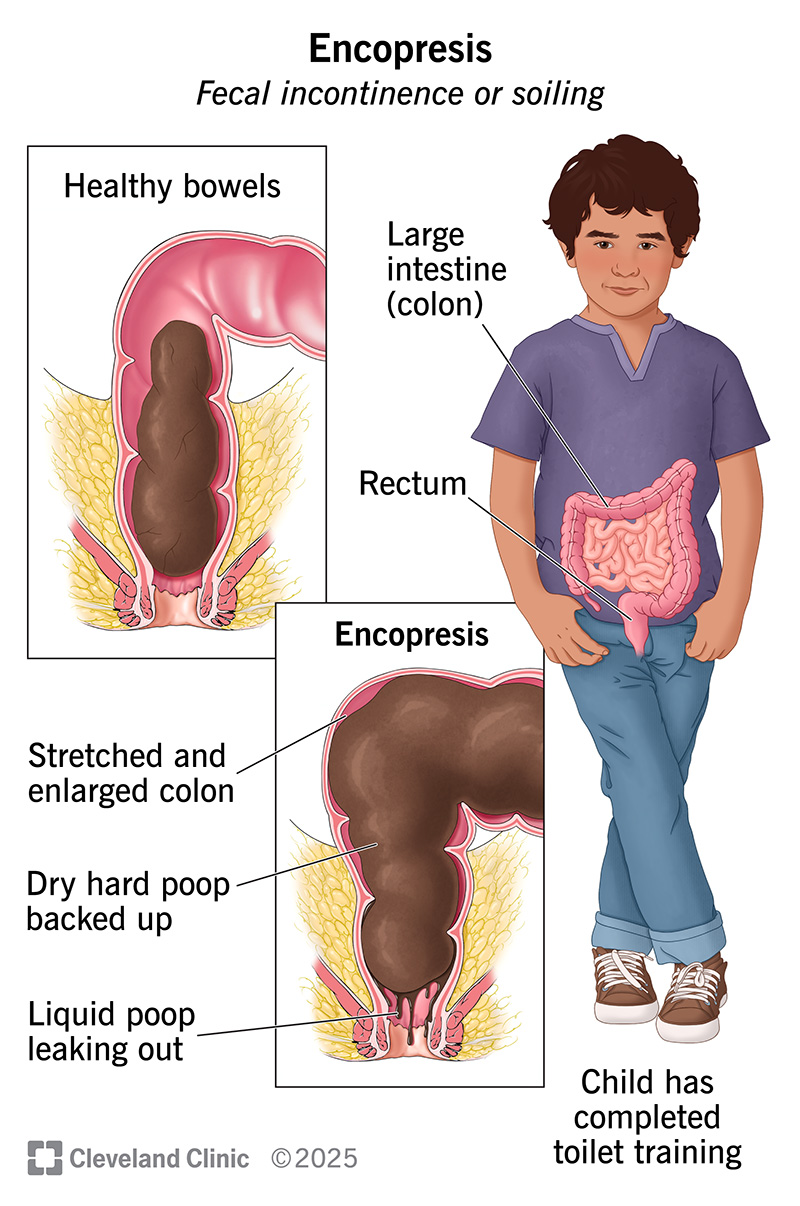
Fortunately, in today’s world, individuals facing bowel incontinence are not without resources. By strategically leveraging technology, managing their personal brand, and understanding financial implications, significant improvements in quality of life can be achieved.
Technological Solutions for Enhanced Control and Comfort
Technology plays a pivotal role in modern incontinence management, offering innovative solutions that enhance comfort, discretion, and a sense of control.
Smart Devices and Apps for Monitoring and Management
- Symptom Tracking Apps: Numerous apps are available on smartphones and tablets that allow users to meticulously track bowel movements, diet, fluid intake, and any leakage episodes. This data can be invaluable for identifying triggers, patterns, and communicating effectively with healthcare providers. Some apps even offer personalized insights and recommendations.
- Wearable Devices: While still an emerging area, some wearable devices are being developed to detect moisture levels or provide early warnings of an impending bowel movement, offering an added layer of security and proactive management.
- Digital Health Platforms: Telehealth platforms allow for remote consultations with healthcare professionals, making it easier to discuss sensitive issues like bowel incontinence without the need for in-person visits, thus reducing potential social anxiety.
Advanced Product Innovations
- High-Absorbency Products: The market for absorbent products has seen significant advancements. Modern pads, briefs, and liners offer superior absorbency, odor control, and discretion, allowing individuals to feel more secure throughout the day and night.
- Skin Care Products: Specialized skin care products are available to protect the skin from irritation and breakdown caused by moisture and friction, a common concern for individuals experiencing leakage.
Assistive Technologies for Mobility and Access
- Smart Home Devices: For individuals with mobility challenges, smart home technology can facilitate easier access to bathrooms, such as voice-activated lights or automated door openers, reducing the risk of accidents.
- Accessible Transportation Apps: Apps that identify accessible restrooms or public transport routes can be crucial for individuals venturing out, providing peace of mind and enabling greater independence.
Personal Branding and Social Reintegration
The concept of personal branding, often associated with professional success, can be powerfully applied to navigating the social and emotional aspects of bowel incontinence. It’s about reclaiming a sense of self and control, and presenting oneself with confidence, even in the face of this challenge.
Strategies for Managing Perception and Rebuilding Confidence
- Self-Acceptance and Openness (on your terms): The first step in personal branding is self-acceptance. Understanding that bowel incontinence is a medical condition and not a personal failing is crucial. While discretion is important, for some, sharing their experience with trusted individuals can alleviate isolation and foster support. This is a deeply personal choice, and the “brand” you project is one of authenticity.
- Focusing on Strengths and Positive Attributes: Instead of letting incontinence define you, shift the focus to your other qualities, skills, and achievements. Personal branding is about highlighting what makes you unique and valuable. This includes professional accomplishments, hobbies, and interpersonal skills.
- Strategic Communication: When discussing the topic, if you choose to do so, frame it factually and without excessive emotional distress. For example, “I’m managing a medical condition that requires me to be mindful of restroom access, so I might need to excuse myself occasionally.” This communicates a need without oversharing or eliciting pity.
- Maintaining a Positive Online Presence: In today’s digital age, your online presence is a significant part of your brand. Ensure your social media profiles and online interactions reflect your personality and interests, separate from your health concerns. Avoid negative or overly self-deprecating content.
Re-engaging Socially and Professionally
- Gradual Reintegration: Start by engaging in activities that feel less daunting, gradually increasing your social interactions as your confidence grows.
- Educating Your Support Network: If you decide to share your condition with close friends or family, educating them about the realities of bowel incontinence can foster understanding and empathy, leading to stronger support.
- Professional Adaptations: In the workplace, consider discussing necessary accommodations with HR or your manager (if you feel comfortable). This could involve ensuring easy access to restrooms or a more flexible schedule. This is part of branding yourself as a valuable employee who is proactive in managing their needs.
Financial Planning and Support Systems
The financial implications of bowel incontinence can be substantial, from the cost of supplies to potential medical expenses. Strategic financial planning and understanding available support are vital.
Budgeting for Incontinence Management
- Cost of Supplies: Absorbent products, special underwear, and skin care items can represent a recurring expense. Researching different brands and buying in bulk when possible can help manage these costs.
- Medical Expenses: Doctor’s visits, diagnostic tests, medications, and potential therapies (like pelvic floor physical therapy) all contribute to healthcare costs. Understanding your insurance coverage and exploring any out-of-pocket maximums is crucial.
- Seeking Reimbursement: Inquire with your healthcare provider or insurance company about any potential for reimbursement for incontinence supplies or treatments.
Exploring Financial Assistance and Resources
- Government Programs and Benefits: Depending on your location and income, you may be eligible for government assistance programs that can help offset the cost of medical supplies or healthcare. Research local and national programs.
- Charitable Organizations and Foundations: Numerous non-profit organizations are dedicated to supporting individuals with chronic health conditions, including those affecting bowel function. These organizations may offer financial aid, grants, or resources for supplies.
- Patient Advocacy Groups: Joining patient advocacy groups can provide access to valuable information about financial resources, discounts on products, and support networks.
- Financial Planning for Long-Term Care: If bowel incontinence is related to a chronic condition that may worsen over time, it’s prudent to consider long-term financial planning, including exploring options for disability insurance or long-term care insurance.

Conclusion: Embracing a Proactive Approach
Bowel incontinence is a complex condition with multifaceted implications. However, by understanding its causes, acknowledging its impact, and proactively leveraging available resources, individuals can significantly improve their quality of life. The intersection of technology, brand management, and financial planning offers a powerful framework for navigating these challenges. Embracing technological innovations for greater control and comfort, strategically managing one’s personal brand to foster confidence and reintegration, and diligently planning finances to meet the associated costs are all vital components of a holistic approach. By taking these steps, individuals can move from a place of silence and limitation to one of empowerment, control, and renewed well-being.
aViewFromTheCave is a participant in the Amazon Services LLC Associates Program, an affiliate advertising program designed to provide a means for sites to earn advertising fees by advertising and linking to Amazon.com. Amazon, the Amazon logo, AmazonSupply, and the AmazonSupply logo are trademarks of Amazon.com, Inc. or its affiliates. As an Amazon Associate we earn affiliate commissions from qualifying purchases.