
Blood is more than just the red fluid that circulates through our bodies; it’s a vital component that carries oxygen, nutrients, and essential molecules to every cell. Understanding your blood group and Rh factor is crucial, not just for medical reasons like blood transfusions and organ transplants, but also as a fascinating aspect of your unique biological makeup. While the website’s core focus may lean towards technology, branding, and finance, the fundamental understanding of human biology, including blood typing, is a universal knowledge base that complements these fields by highlighting human individuality and the science that underpins our existence.

The ABCs of Blood Groups: Decoding the ABO System
At its heart, blood typing revolves around identifying specific antigens present on the surface of red blood cells. These antigens are like tiny markers that the immune system uses to distinguish between “self” and “foreign” substances. The most well-known and clinically significant blood group system is the ABO system, discovered by Austrian scientist Karl Landsteiner in the early 20th century. This system categorizes blood into four main types: A, B, AB, and O.
Antigens: The Key Determinants of Blood Type
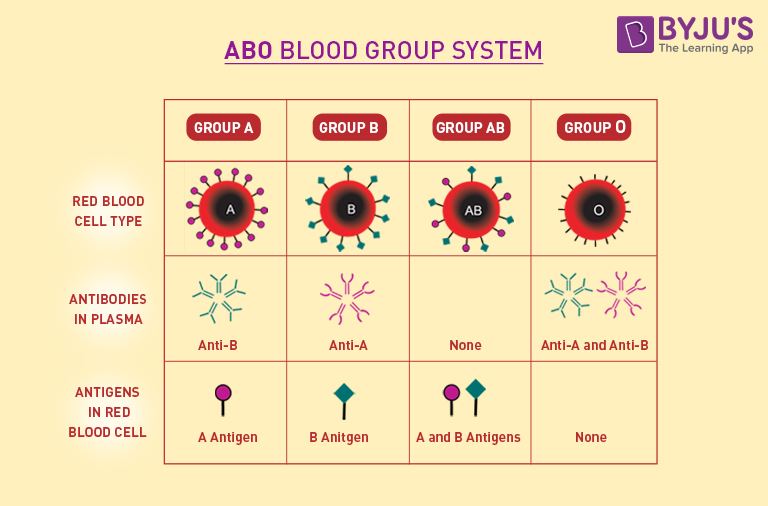
The ABO system is based on the presence or absence of two primary antigens, designated as antigen A and antigen B, and the corresponding antibodies in the plasma.
- Blood Group A: Individuals with blood group A have antigen A on the surface of their red blood cells. Their plasma contains anti-B antibodies.
- Blood Group B: Those with blood group B have antigen B on their red blood cells and anti-A antibodies in their plasma.
- Blood Group AB: People with blood group AB possess both antigen A and antigen B on their red blood cells. Interestingly, their plasma lacks both anti-A and anti-B antibodies. This makes them universal recipients for red blood cell transfusions.
- Blood Group O: Individuals with blood group O have neither antigen A nor antigen B on their red blood cells. However, their plasma contains both anti-A and anti-B antibodies. Due to the absence of antigens, they are considered universal red blood cell donors.
The genetic inheritance of these blood groups is straightforward. Each individual inherits two genes for the ABO blood group, one from each parent. The gene for A and B antigens is dominant over the gene for O. This means that if you inherit an A gene and an O gene, your blood type will be A. Similarly, inheriting a B gene and an O gene results in blood type B. If you inherit two O genes, your blood type will be O. If you inherit an A gene from one parent and a B gene from the other, you will have blood type AB.
Understanding your ABO blood group is fundamental for safe medical procedures. For instance, if a person with blood group A receives blood from a donor with blood group B, their anti-B antibodies will attack and destroy the transfused red blood cells, leading to a potentially life-threatening transfusion reaction.
The Rh Factor: A Crucial Binary System
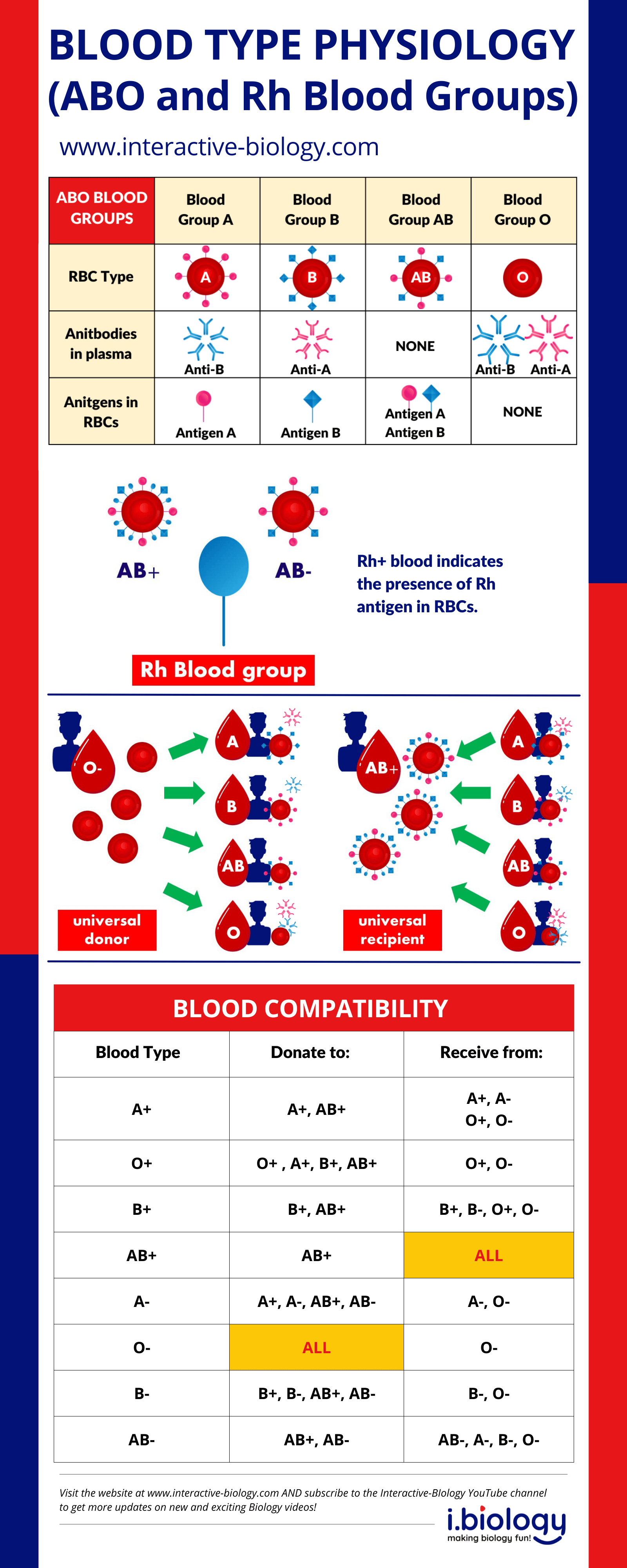
Beyond the ABO system, another critical factor in blood typing is the Rh factor, also known as the D antigen. Discovered by Landsteiner and Alexander Wiener in 1940, the Rh factor system is simpler, primarily focusing on the presence or absence of the D antigen on the red blood cell surface.
Rh Positive vs. Rh Negative: The D Antigen’s Role
- Rh Positive (Rh+): If your red blood cells have the D antigen, you are Rh positive. The majority of the world’s population (about 85%) is Rh positive.
- Rh Negative (Rh-): If your red blood cells lack the D antigen, you are Rh negative.
The Rh factor is particularly important during pregnancy. If an Rh-negative mother carries an Rh-positive baby, there’s a risk of Rh incompatibility. During pregnancy or childbirth, some of the baby’s Rh-positive blood cells can enter the mother’s bloodstream. The mother’s immune system, which doesn’t recognize the D antigen, can then produce anti-D antibodies. In subsequent pregnancies with an Rh-positive fetus, these antibodies can cross the placenta and attack the baby’s red blood cells, causing a condition called hemolytic disease of the newborn (HDN). This can lead to anemia, jaundice, brain damage, and even fetal death. To prevent this, Rh-negative pregnant women are typically given Rh immunoglobulin injections, which prevent the mother’s body from producing anti-D antibodies.
Combining the ABO system and the Rh factor leads to the eight common blood types: A+, A-, B+, B-, AB+, AB-, O+, and O-. For example, someone with A+ blood has the A antigen and the D antigen on their red blood cells.
Why Blood Typing Matters: Beyond Medical Necessities
While the immediate and most critical application of understanding blood groups and Rh factors lies in safe medical practices, the implications extend further, subtly touching upon areas like branding, technology, and even personal finance in broader contexts.
Blood Transfusions and Organ Transplants: The Foundation of Compatibility
The paramount importance of blood typing is in ensuring the safety and efficacy of blood transfusions. When someone requires a blood transfusion, it’s imperative to match their blood type with that of the donor. Transfusing incompatible blood can lead to severe hemolytic transfusion reactions, which can be fatal. Similarly, organ transplantation requires careful consideration of both ABO and Rh compatibility, as well as other less common blood group systems, to minimize the risk of immune rejection.
Pregnancy and Neonatal Care: Safeguarding New Life
As discussed earlier, Rh incompatibility can pose significant risks during pregnancy. Routine blood typing of both parents helps identify potential issues, allowing for timely medical interventions to protect the health of the unborn child.
Forensic Science and Paternity Testing: Unraveling Biological Connections
Blood typing has historically played a role in forensic investigations, aiding in the identification of individuals or linking them to crime scenes. While modern DNA profiling has largely superseded blood typing for definitive identification, the underlying principles of genetic inheritance related to blood groups remain relevant in understanding familial relationships, including paternity testing.
The Broader Perspective: Individuality and Scientific Literacy
From a perspective aligned with understanding human individuality, as is often explored in branding and personal development, your blood type is a unique biological identifier. It’s a testament to the complex genetic tapestry that makes each person distinct. Promoting scientific literacy, understanding the fundamental biological processes that define us, is essential. This knowledge empowers individuals to make informed decisions about their health and to appreciate the intricate workings of the human body.
While not directly linked to the core topics of technology, branding, or finance, the foundational knowledge of blood groups and Rh factors contributes to a well-rounded understanding of human biology. This scientific literacy can indirectly inform decisions in other areas:
- In Technology: Understanding biological systems can inspire new technological advancements, from diagnostic tools to personalized medicine.
- In Branding: Recognizing human individuality, which includes biological uniqueness, can inform how brands connect with diverse audiences on a deeper level.
- In Money/Finance: While not a direct link, understanding one’s health status, which blood typing contributes to, is a crucial component of comprehensive personal financial planning, especially concerning health insurance and potential medical expenses.
Future Directions and Innovations in Blood Typing
The field of blood group serology is constantly evolving, driven by advancements in technology and a deeper understanding of the complexities of the human immune system.
Advanced Blood Grouping Techniques: Beyond the Basics
While the ABO and Rh systems are the most commonly tested, there are over 30 other blood group systems, each with its own antigens and antibodies. For individuals requiring frequent transfusions or with complex medical histories, more comprehensive blood typing may be necessary. Advanced techniques, such as automated blood analyzers and molecular blood grouping (which analyzes the genes responsible for blood group antigens), are becoming increasingly sophisticated, offering greater accuracy and efficiency.
Personalized Medicine and Precision Health
The integration of genetic information, including blood group profiles, is paving the way for personalized medicine. By understanding an individual’s complete blood group profile, healthcare providers can tailor transfusion strategies, predict potential transfusion reactions, and optimize treatments. This move towards precision health ensures that medical interventions are not one-size-fits-all but are specifically designed for each patient’s unique biological makeup.
The Interdisciplinary Nature of Knowledge
Ultimately, understanding blood groups and Rh factors is a journey into the fundamental science of human biology. While our primary domains might be technology, branding, and money, a grasp of such basic biological principles enriches our understanding of ourselves and the world around us. It highlights the interconnectedness of knowledge and how even seemingly distant scientific concepts can offer valuable insights, fostering a more informed and empowered individual, ready to navigate the complexities of modern life.
aViewFromTheCave is a participant in the Amazon Services LLC Associates Program, an affiliate advertising program designed to provide a means for sites to earn advertising fees by advertising and linking to Amazon.com. Amazon, the Amazon logo, AmazonSupply, and the AmazonSupply logo are trademarks of Amazon.com, Inc. or its affiliates. As an Amazon Associate we earn affiliate commissions from qualifying purchases.