
While often relegated to household chores and cleaning product discussions, the underlying chemistry of bleach has profound implications and applications within the technology sector. Understanding the chemical composition and reactivity of bleach isn’t just an academic exercise; it’s crucial for professionals in fields ranging from microelectronics manufacturing to advanced material science and even digital forensics. This article will delve into the chemical nature of bleach, focusing specifically on its relevance and application within various technological domains, providing an insightful and professional perspective for those in the tech industry.
The Chemistry of Cleaning: Sodium Hypochlorite and Its Reactive Power
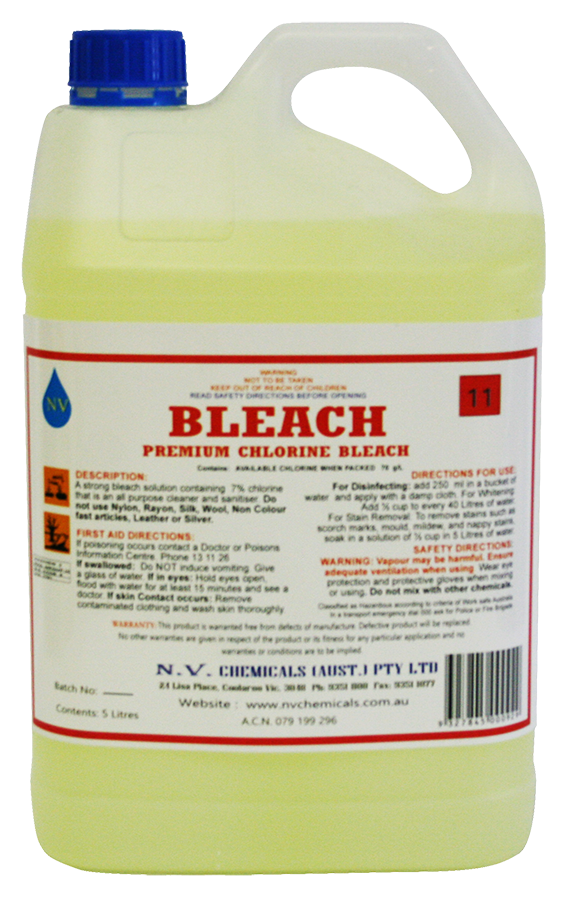
At its core, household bleach is primarily a solution of sodium hypochlorite (NaClO) in water. This seemingly simple chemical compound is a powerful oxidizing agent, meaning it readily accepts electrons from other substances, thereby causing them to oxidize. This oxidizing power is the foundation of bleach’s effectiveness as a disinfectant and stain remover, but it’s also what makes it a valuable, albeit sometimes hazardous, tool in technological processes.
Understanding Oxidation-Reduction Reactions
To appreciate bleach’s technological utility, a basic understanding of oxidation-reduction (redox) reactions is essential. In a redox reaction, electrons are transferred between chemical species. Oxidation is the loss of electrons, and reduction is the gain of electrons. Sodium hypochlorite, with its hypochlorite ion (ClO⁻), is a potent source of reactive oxygen species. When bleach is introduced to a substance, the hypochlorite ion can strip electrons from the molecules of that substance, leading to chemical changes.
For instance, in the context of disinfection, bleach oxidizes essential components of microorganisms, such as proteins and nucleic acids, rendering them inactive and unable to reproduce. In stain removal, it oxidizes the colored molecules (chromophores) that absorb light, breaking them down into colorless compounds. This principle of controlled chemical degradation through oxidation is a cornerstone of many industrial and technological applications.
The Role of Concentration and pH
The efficacy and safety of bleach are heavily influenced by its concentration and the pH of the solution. Household bleach typically has a concentration of 3-6% sodium hypochlorite. Higher concentrations, often used in industrial settings, can be significantly more reactive and require stricter handling protocols. The pH of the bleach solution also plays a critical role. In alkaline conditions (common for household bleach), the hypochlorite ion remains relatively stable. However, as the pH decreases, hypochlorous acid (HClO) is formed, which is a more potent oxidizing and disinfecting agent, but also more unstable and prone to decomposition. This understanding of chemical kinetics and equilibrium is vital when designing processes that utilize bleach, ensuring optimal performance while minimizing unwanted side reactions or degradation.
Bleach in the Electronic Frontier: Etching and Cleaning Microcircuits
The microelectronics industry, the bedrock of modern technology, relies heavily on precise chemical processes for manufacturing integrated circuits (ICs). Bleach, or more specifically, solutions containing sodium hypochlorite or related hypohalites, plays a significant role in certain stages of IC fabrication, primarily for etching and cleaning.
Photolithography and Etching Processes
Photolithography is a critical process in semiconductor manufacturing that defines the intricate patterns on silicon wafers. After a light-sensitive material (photoresist) is exposed to UV light through a mask, the exposed or unexposed areas are selectively removed. The wafer then undergoes an etching process to remove material from the unprotected areas, creating the desired circuit features. While plasma etching is common, wet etching using chemical etchants is also employed. In some specific applications, dilute hypochlorite solutions can be used for the selective etching of certain materials, particularly organic residues or lightly doped silicon layers. The controlled oxidation by hypochlorite can selectively degrade these materials, allowing for precise pattern transfer.
Surface Preparation and Contaminant Removal

Beyond direct etching, bleach’s oxidizing properties make it invaluable for cleaning and surface preparation in the electronics industry. After various fabrication steps, wafers can be contaminated with organic residues, particles, or byproducts from chemical reactions. Ultra-pure water rinses are standard, but stubborn organic contaminants often require more robust chemical cleaning agents. Dilute solutions of sodium hypochlorite, carefully controlled for concentration and contact time, can effectively oxidize and remove these organic contaminants without damaging the underlying semiconductor materials. This ensures the pristine surface required for subsequent deposition, diffusion, or lithography steps, directly impacting the yield and performance of the final microchips. The chemical inertness of the silicon substrate under these specific conditions, coupled with the reactivity of organic contaminants towards hypochlorite, is the key to this application.
Beyond the Wafer: Bleach in Advanced Materials and Chemical Synthesis
The applications of bleach’s chemical power extend beyond the realm of microelectronics into the broader landscape of advanced materials development and chemical synthesis, areas that are constantly pushing the boundaries of technological innovation.
Synthesis of Nanomaterials
The precise control over particle size, shape, and surface chemistry is paramount in the synthesis of nanomaterials, which have applications in everything from advanced catalysts and drug delivery systems to next-generation batteries and sensors. Chemical oxidation is a common method for controlling the growth and aggregation of nanoparticles. While not always the primary reagent, hypochlorite-based solutions can be employed in certain wet chemical synthesis routes to mediate the oxidation of precursor materials or to functionalize the surface of pre-formed nanoparticles. For example, in the synthesis of certain metal oxide nanoparticles, controlled oxidation can influence nucleation and growth rates. The ability to tune the oxidizing potential of the hypochlorite solution allows researchers to fine-tune the properties of the synthesized nanomaterials for specific technological applications.
Degradation of Organic Polymers and Byproducts
In various chemical processes, particularly those involving polymers or complex organic molecules, unintended byproducts or residual monomers can pose challenges. Bleach’s potent oxidizing capability makes it a useful reagent for the controlled degradation and removal of certain organic polymers or hazardous organic byproducts. This can be relevant in waste treatment within research and development facilities or in specific chemical synthesis pathways where the selective breakdown of an organic molecule is desired. The chemical stability of the desired end-product against the oxidizing conditions is a critical factor in determining the feasibility and efficiency of such degradation processes. Understanding the reaction kinetics and the specific chemical bonds targeted by the hypochlorite ion is crucial for engineers and chemists working in these fields.
Safety and Handling: The Technological Imperative
While the chemical properties of bleach offer significant advantages in various technological applications, their inherent reactivity necessitates stringent safety protocols and a thorough understanding of chemical hazards. In industrial and laboratory settings where bleach is used in higher concentrations or for specialized processes, safety is not merely a recommendation but a non-negotiable imperative.
Material Compatibility and Risk Assessment
The strong oxidizing nature of bleach means it can react aggressively with a wide range of materials. This is a critical consideration in the design and operation of any equipment or infrastructure that comes into contact with bleach solutions. Metals, certain plastics, and organic materials can be corroded, degraded, or even ignited in the presence of concentrated bleach. Therefore, thorough material compatibility studies and risk assessments are essential before implementing any process involving bleach. This includes selecting appropriate piping, seals, reaction vessels, and personal protective equipment (PPE). For instance, in semiconductor fabrication plants, the materials used for wafer handling and chemical delivery systems must be carefully chosen to withstand the oxidizing environment.
Handling and Disposal Protocols
Proper handling and disposal of bleach solutions are paramount for environmental protection and worker safety. Industrial-grade bleach, especially when used in conjunction with other chemicals, can generate hazardous byproducts, such as chlorine gas, if mixed with acids. Understanding the chemical reactions that can occur and implementing strict protocols for storage, dilution, mixing, and waste disposal is vital. This often involves neutralization steps or specialized treatment processes to render the spent bleach solutions environmentally benign before discharge. Compliance with local and international environmental regulations regarding chemical waste management is a fundamental aspect of operating responsibly in the technology sector when utilizing such powerful chemical agents.
Beyond Household Use: Industrial-Grade and Specialized Formulations
It is important to distinguish between household bleach and the formulations used in industrial and technological applications. While the primary active ingredient, sodium hypochlorite, is often the same, industrial-grade bleaches may have higher concentrations, different stabilizers, or be formulated for specific purposes. For example, specialized cleaning solutions used in the food processing industry or medical sterilization may contain sodium hypochlorite but are optimized for different efficacy profiles and safety considerations. In the tech industry, the purity of the sodium hypochlorite and the absence of contaminants are often critical, as even trace impurities can negatively impact sensitive electronic components or delicate chemical reactions. This focus on chemical purity and controlled reactivity underscores the sophisticated nature of bleach’s role in advanced technological processes.
aViewFromTheCave is a participant in the Amazon Services LLC Associates Program, an affiliate advertising program designed to provide a means for sites to earn advertising fees by advertising and linking to Amazon.com. Amazon, the Amazon logo, AmazonSupply, and the AmazonSupply logo are trademarks of Amazon.com, Inc. or its affiliates. As an Amazon Associate we earn affiliate commissions from qualifying purchases.