
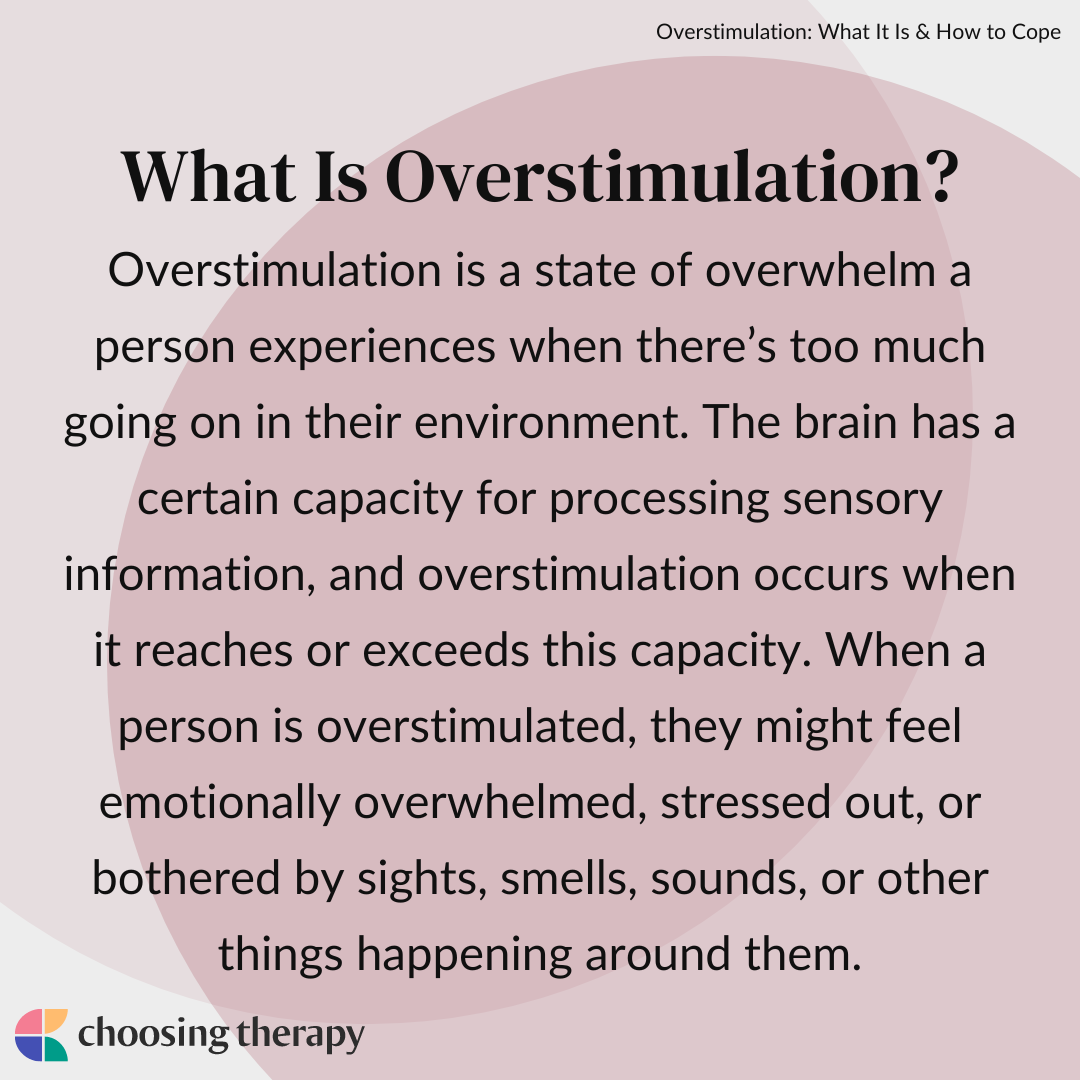
In our increasingly interconnected and digitally saturated world, the concept of “overstimulation” has moved beyond the realm of psychology and child development to become a pervasive issue impacting our professional lives. While often discussed in relation to sensory overload, the modern context of overstimulation is intrinsically linked to the relentless influx of information, demands, and digital interactions that characterize contemporary work environments. This phenomenon can profoundly affect our cognitive abilities, productivity, and overall well-being, particularly within the demanding landscape of the tech industry.
The tech sector, by its very nature, is a breeding ground for overstimulation. Rapid innovation, constant connectivity, and a culture of perpetual urgency mean that professionals within this field are often at the forefront of experiencing and, in turn, exacerbating this issue. Understanding what constitutes overstimulation in a tech context, its manifestations, and strategies for mitigating its effects is crucial for fostering a sustainable and effective working environment.
The Ubiquitous Barrage: Information Overload in Tech
The core of overstimulation in the tech industry stems from an overwhelming volume and velocity of information. This isn’t just about a large number of emails; it encompasses a complex ecosystem of data streams, communication channels, and digital tools that constantly vie for our attention.
The Constant Drumbeat of Notifications
Notifications are the silent assassins of focus in the tech world. From instant messages and email alerts to software updates and social media pings, our devices are designed to interrupt us. Each notification, however minor, pulls our attention away from the task at hand, forcing a cognitive shift. Research consistently shows that even brief interruptions can significantly increase the time it takes to return to the original task, leading to a compounding effect on productivity loss. In tech, where complex problem-solving and deep concentration are often paramount, these constant disruptions are particularly detrimental. The expectation of immediate responsiveness, often fostered by the fast-paced nature of the industry, further amplifies the pressure to engage with every incoming alert, regardless of its actual urgency.
The Evolving Digital Landscape and Tool Proliferation
The tech industry is characterized by a relentless pace of change. New software, programming languages, frameworks, and platforms emerge with astonishing regularity. While this innovation is the engine of progress, it also contributes to overstimulation. Professionals are constantly pressured to learn and adapt to new tools and technologies, creating a perpetual learning curve. This can lead to a feeling of being perpetually behind, unable to master any one area thoroughly before the next wave of innovation arrives. The sheer number of collaboration tools, project management software, and communication platforms available can also be overwhelming. Each tool has its own interface, notification system, and workflow, requiring cognitive resources to navigate and manage. This fragmentation of our digital workspace can dilute our focus and make it difficult to maintain a cohesive understanding of projects and tasks.
The Culture of “Always On” and Digital Presence
The expectation of constant availability is deeply embedded in many tech cultures. Remote work, while offering flexibility, has blurred the lines between professional and personal life, contributing to an “always on” mentality. Developers might feel compelled to check code repositories late at night, project managers may feel obligated to respond to urgent queries outside of business hours, and support staff are often expected to be accessible around the clock. This perpetual digital presence, while sometimes perceived as dedication, can lead to chronic stress and burnout. The inability to truly disconnect means that our brains never get the respite needed for genuine rest and recovery, making us more susceptible to the effects of overstimulation.
Cognitive and Emotional Repercussions
The constant bombardment of stimuli in the tech environment doesn’t just make us feel busy; it has tangible effects on our cognitive functions and emotional well-being. These repercussions can be subtle at first, but over time, they can significantly impact performance and quality of life.
Diminished Focus and Deep Work Capacity

One of the most significant casualties of overstimulation is our capacity for deep work – the ability to focus without distraction on a cognitively demanding task. When our brains are constantly being pulled in different directions by notifications, emails, and urgent requests, they become conditioned for shallow, fragmented attention. This makes it incredibly difficult to engage in the sustained concentration required for complex problem-solving, creative thinking, or strategic planning. The tech industry relies heavily on these high-level cognitive functions, and overstimulation directly undermines them. Instead of sustained engagement, we often find ourselves context-switching rapidly, leading to a superficial understanding of issues and an increased likelihood of errors.
Increased Stress, Anxiety, and Burnout
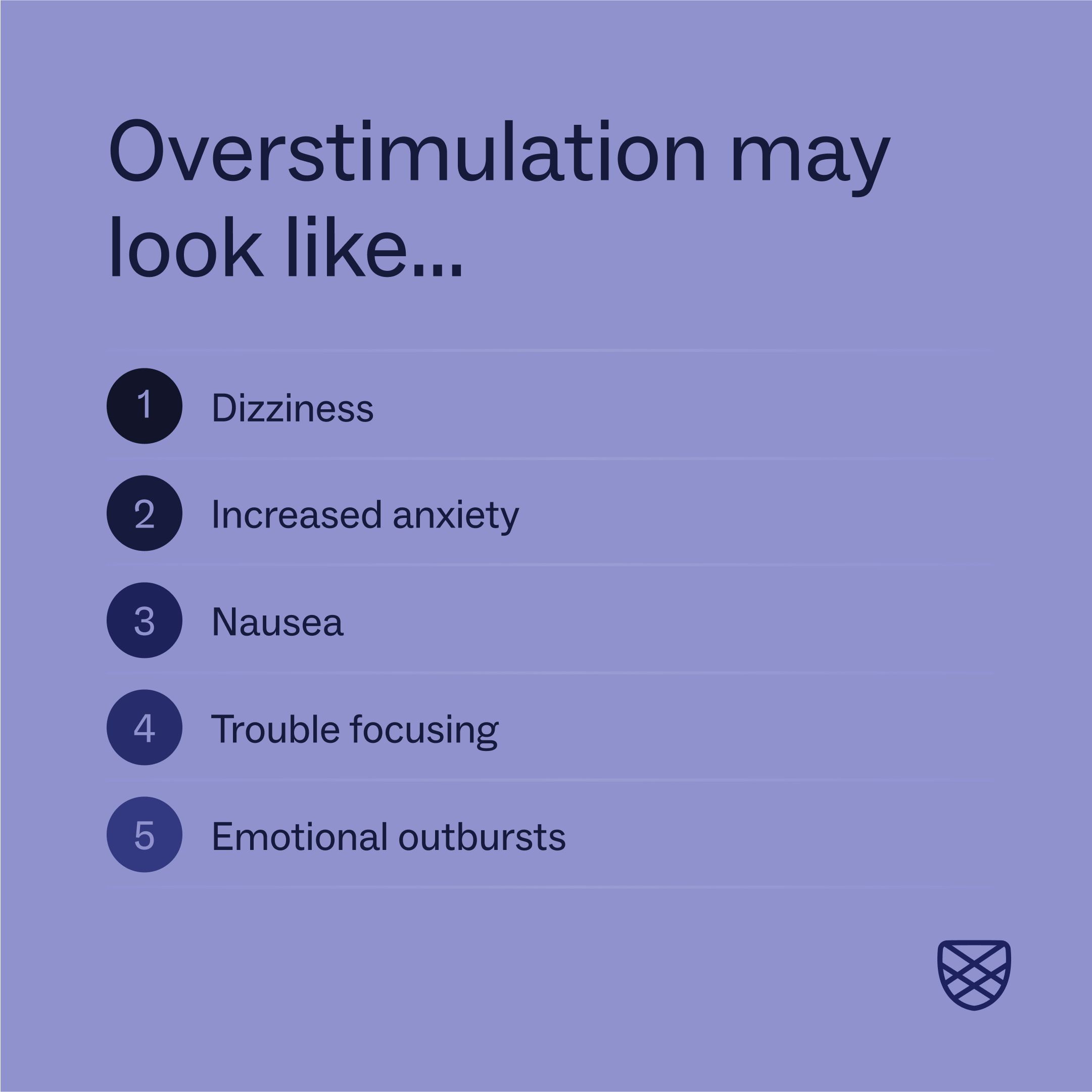
The persistent feeling of being overwhelmed, coupled with the pressure to respond immediately and keep up with the ever-changing technological landscape, can lead to chronic stress and anxiety. When our bodies are in a constant state of alert due to perceived demands and interruptions, it triggers the release of stress hormones like cortisol. Over time, this can lead to burnout, characterized by emotional exhaustion, cynicism, and a reduced sense of accomplishment. In the high-pressure environment of tech, burnout is a growing concern, impacting employee retention, creativity, and overall organizational health. The inability to disconnect and recharge exacerbates this, creating a vicious cycle where overstimulation leads to stress, which in turn makes us less resilient to further stimulation.
Erosion of Decision-Making and Problem-Solving Skills
When our brains are overloaded, our executive functions – the cognitive processes that enable us to plan, focus, remember instructions, and juggle multiple tasks – begin to falter. This means that overstimulation can directly impact our ability to make sound decisions and effectively solve problems. Faced with a deluge of information and constant interruptions, it becomes harder to sift through relevant data, weigh options critically, and arrive at optimal solutions. Instead, we might resort to hasty decisions, miss crucial details, or become paralyzed by the sheer volume of choices. This can be particularly damaging in tech roles where innovation and effective problem-solving are essential for success.
Strategies for Navigating the Stimulus Storm
Recognizing the prevalence and impact of overstimulation in the tech industry is the first step. The next, and arguably more critical, step is to implement strategies that allow us to regain control over our attention and cognitive resources. This requires a conscious effort to manage our digital environment and cultivate healthier work habits.
Cultivating Focused Work Blocks and Digital Boundaries
The most effective way to combat overstimulation is to proactively carve out periods of uninterrupted focus. This involves scheduling dedicated “deep work” sessions into our calendars, during which all non-essential notifications are silenced, and external communication is minimized. Communicating these boundaries to colleagues is crucial; setting expectations about response times for non-urgent matters can significantly reduce the pressure to be constantly available. This might involve utilizing “do not disturb” modes on devices, closing unnecessary browser tabs, and even establishing physical quiet zones in office environments. The goal is to create dedicated pockets of time where our cognitive resources can be fully dedicated to the task at hand, fostering more efficient and higher-quality work.
Intentional Technology Use and Tool Optimization
Instead of being passive recipients of technology’s demands, we must become intentional users. This means regularly evaluating the tools we use, questioning their necessity, and optimizing their settings. Are all notifications essential? Can certain communication channels be consolidated? Is there a more efficient way to manage project updates? Many platforms offer granular control over notifications, allowing users to tailor them to their specific needs. Furthermore, adopting techniques like batching similar tasks together – for example, responding to emails at set times rather than as they arrive – can significantly reduce cognitive load and the feeling of being constantly reactive. The key is to leverage technology as a tool to enhance productivity, not as a source of perpetual distraction.
Prioritizing Rest, Mindfulness, and Cognitive Recovery
In a field that often glorifies long hours and relentless productivity, prioritizing rest and recovery is not a luxury, but a necessity. This includes ensuring adequate sleep, taking regular breaks throughout the workday, and engaging in activities that promote mindfulness and relaxation. Techniques like meditation, deep breathing exercises, or simply taking a walk outdoors can help to reset the nervous system and improve our ability to concentrate. Furthermore, it’s vital to consciously disconnect from work at the end of the day, setting clear boundaries that allow our minds to truly switch off and recharge. This mental downtime is essential for preventing burnout and maintaining long-term cognitive function, ensuring that we can continue to innovate and excel in the dynamic tech landscape.
The challenge of overstimulation in the tech industry is real and pervasive. By understanding its roots in information overload and the “always on” culture, and by actively implementing strategies for focused work, intentional technology use, and prioritizing cognitive recovery, professionals can navigate this complex environment more effectively, fostering both personal well-being and sustained professional success.
aViewFromTheCave is a participant in the Amazon Services LLC Associates Program, an affiliate advertising program designed to provide a means for sites to earn advertising fees by advertising and linking to Amazon.com. Amazon, the Amazon logo, AmazonSupply, and the AmazonSupply logo are trademarks of Amazon.com, Inc. or its affiliates. As an Amazon Associate we earn affiliate commissions from qualifying purchases.