
The human body is a marvel of biological engineering, a complex system constantly striving for equilibrium. One of the most fundamental indicators of this internal balance is body temperature. While we often hear about the “normal” temperature being 98.6 degrees Fahrenheit, this metric can be tricky, and understanding it in Celsius offers a more universally applicable and precise perspective. This article delves into the nuances of average body temperature in Celsius, exploring what it means for our health, how it can be influenced, and why tracking it can be a surprisingly valuable act of self-awareness, particularly when viewed through the lens of our ever-evolving technological landscape.
The Foundation: What Constitutes Average Body Temperature in Celsius?
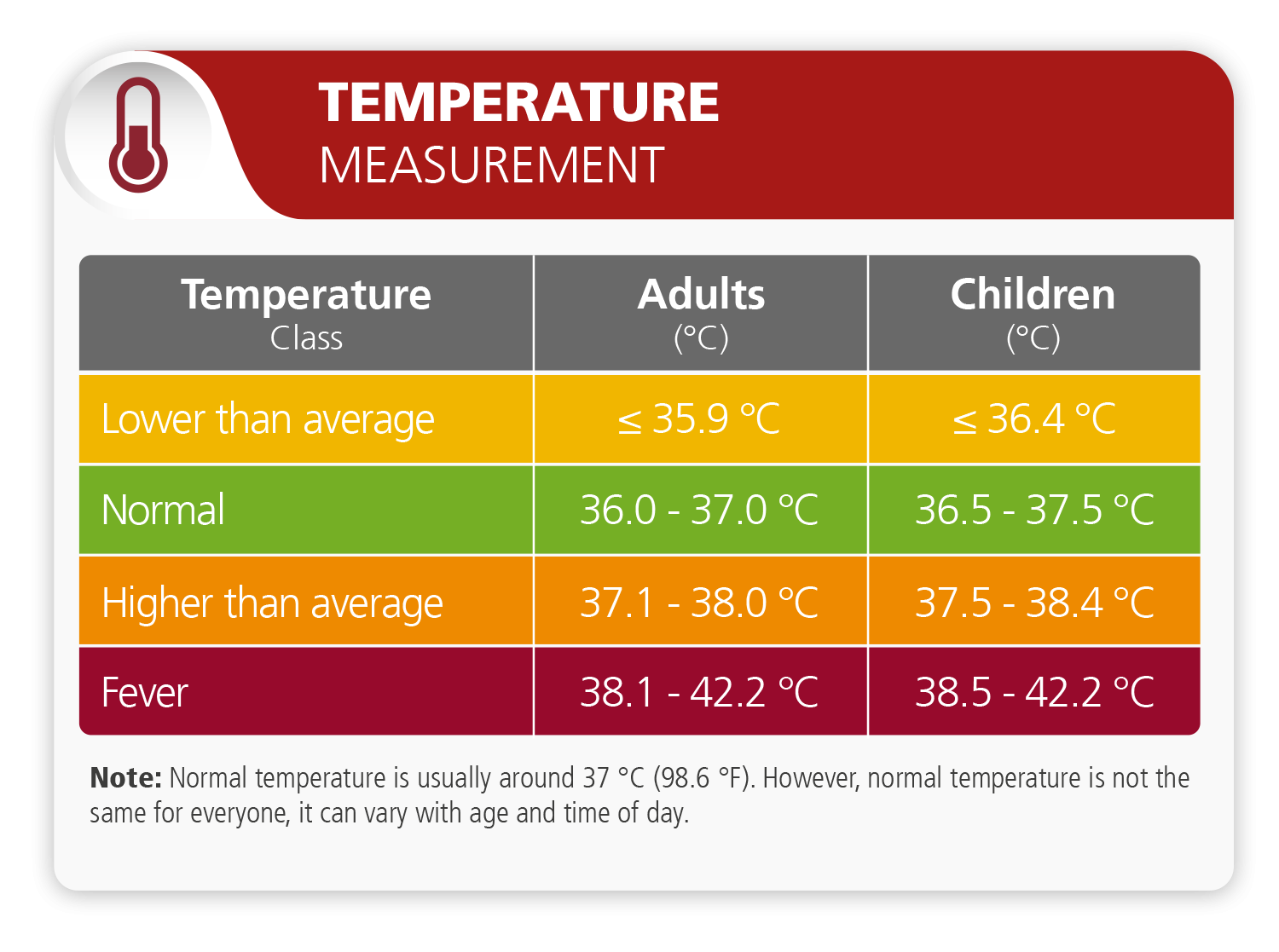
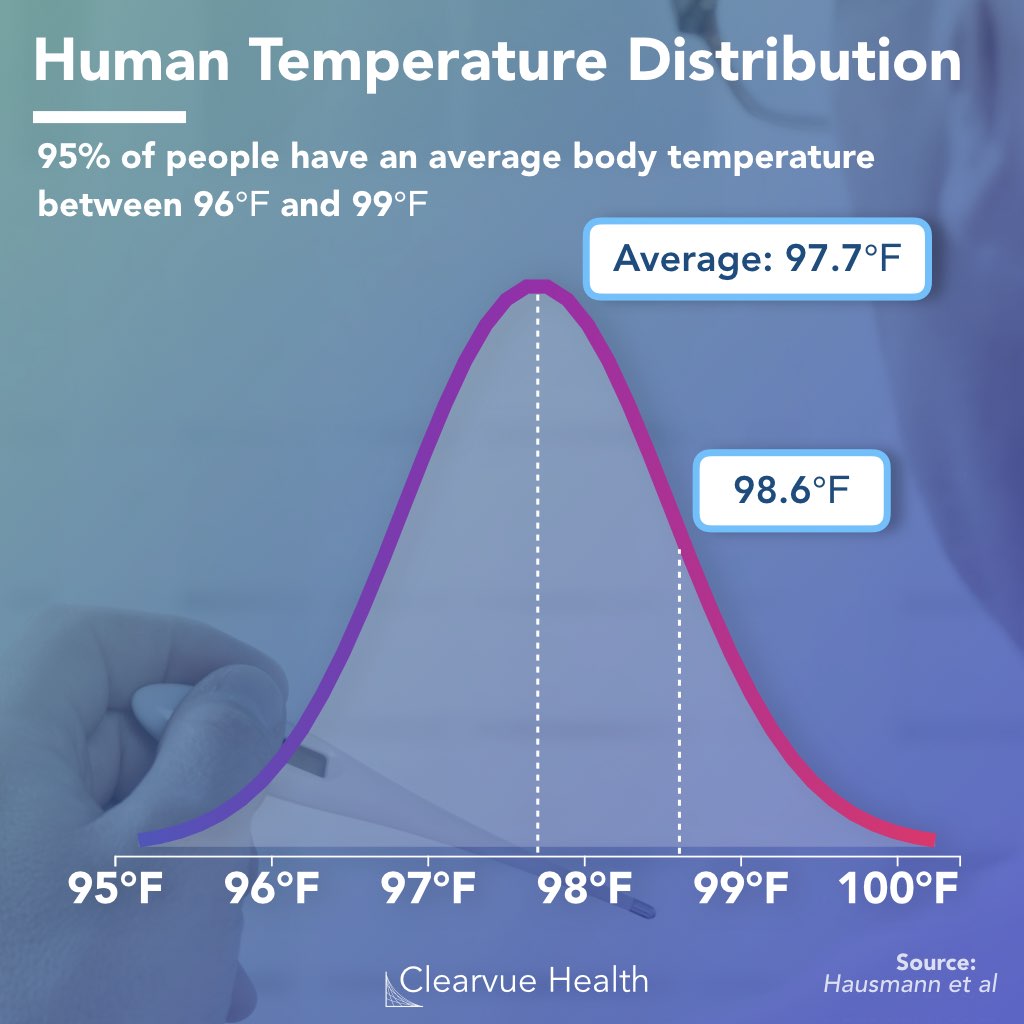
The generally accepted average human body temperature in Celsius is 37°C. This figure, like its Fahrenheit counterpart, is an average and not an absolute. It represents a range within which most healthy individuals operate. However, pinpointing a single definitive number is an oversimplification. Several factors contribute to the natural fluctuation of body temperature, making it a dynamic rather than static reading.
Historically, the 37°C benchmark was established through extensive studies. However, more recent research suggests a slight decline in average body temperature over time, with some studies indicating a figure closer to 36.6°C (97.9°F). This potential shift could be attributed to various factors, including changes in our environment, the prevalence of chronic inflammation, and advancements in public health and sanitation that have reduced the overall burden of disease.
The Nuances of Measurement: Where and When Matters
The location and method of taking your temperature significantly impact the reading.
- Oral Temperature: This is the most common and convenient method for adults. When measured orally, a typical reading falls between 36.5°C and 37.2°C. It’s crucial to avoid eating or drinking anything hot or cold for at least 15-30 minutes prior to taking an oral temperature, as this can skew the results.
- Axillary (Armpit) Temperature: This method tends to be slightly lower than oral readings, typically around 0.5°C to 1°C lower. Therefore, a “normal” axillary temperature might range from 35.5°C to 36.4°C. While easy to take, it’s less accurate than other methods.
- Rectal Temperature: This is considered the most accurate method, especially for infants and young children, as it reflects the core body temperature most closely. Rectal temperatures are generally 0.5°C to 1°C higher than oral readings, falling in the range of 37°C to 37.6°C.
- Tympanic (Ear) Temperature: Using an ear thermometer can provide a quick and relatively accurate reading, often comparable to oral temperatures. However, earwax buildup or improper insertion can affect accuracy.
- Temporal Artery (Forehead) Temperature: These non-contact thermometers are convenient and hygienic but can be influenced by environmental factors like sweat or ambient temperature.
The time of day also plays a role. Our body temperature follows a natural circadian rhythm, meaning it’s typically lowest in the early morning hours (often around 4-6 AM) and highest in the late afternoon or early evening (around 4-6 PM). This diurnal variation can be as much as 1°C. Therefore, a reading of 36.8°C in the morning might be perfectly normal, while the same reading in the evening could indicate a slight elevation.
Beyond the Average: Factors Influencing Body Temperature
While 37°C serves as a useful benchmark, a range of factors can cause deviations, and understanding these is key to interpreting your body temperature accurately.
Age and Developmental Stage
- Infants and Young Children: Their metabolic rates are higher, and their thermoregulation systems are still developing, which can lead to slightly higher average body temperatures, often around 36.8°C to 37.2°C. They are also more susceptible to rapid temperature changes.
- Elderly Individuals: As we age, our metabolism tends to slow down, and our ability to regulate temperature may diminish, potentially leading to slightly lower average body temperatures.
Activity Level and Metabolism
Physical exertion increases metabolic rate, generating more heat and raising body temperature temporarily. Similarly, individuals with naturally faster metabolisms might exhibit slightly higher baseline temperatures. Conversely, periods of rest and inactivity can lead to a slight drop.
Hormonal Fluctuations
- Women’s Menstrual Cycle: During ovulation, a woman’s basal body temperature typically rises by about 0.3°C to 0.6°C due to hormonal changes, specifically the surge in progesterone. Tracking these subtle shifts can be a method of fertility awareness.
- Pregnancy: Body temperature can remain slightly elevated throughout pregnancy.
Environmental Conditions
Exposure to extreme heat can cause body temperature to rise, while prolonged exposure to cold can lead to a drop. Our bodies work hard to maintain a stable internal temperature regardless of external conditions, but significant deviations can occur.
Illness and Infection
This is arguably the most significant factor influencing body temperature. An elevated body temperature, known as a fever, is a common sign that the body is fighting off an infection or inflammation.

- Low-Grade Fever: Typically considered a temperature between 37.3°C and 38.3°C.
- Fever: A temperature of 38.4°C (101°F) or higher is generally considered a fever.
Conversely, a body temperature that is significantly lower than normal (hypothermia) can also be a sign of illness or exposure to extreme cold and is a serious medical concern.
The Digital Thermometer: Technology’s Role in Tracking Health
In today’s technologically driven world, understanding and monitoring our body temperature has become more accessible and sophisticated than ever before. The advent of digital thermometers has revolutionized how we track this vital sign, offering speed, accuracy, and convenience.
Smart Thermometers and Wearable Tech
The integration of technology into health monitoring extends to our thermometers. Smart thermometers connect to smartphones via Bluetooth, allowing users to log readings, track trends over time, and even share data with healthcare providers. This granular data can be invaluable for:
- Personalized Health Insights: By consistently tracking your temperature, you can establish your personal baseline and identify deviations more readily. This can lead to earlier detection of potential health issues.
- Symptom Correlation: If you’re experiencing other symptoms, correlating them with your body temperature can provide a more comprehensive picture of your health status. For example, a persistent low-grade fever alongside fatigue might prompt you to consult a doctor.
- Fertility Tracking: As mentioned earlier, women can use smart thermometers with high precision to track subtle temperature shifts related to their menstrual cycle, aiding in family planning or cycle management.
- Proactive Health Management: By having a clear understanding of your body’s normal fluctuations, you are better equipped to notice when something is truly amiss, prompting timely medical attention.
The Role of Apps and AI in Health Data Analysis
The data collected by smart thermometers is often fed into dedicated health apps. These applications leverage sophisticated algorithms and, increasingly, Artificial Intelligence (AI) to:
- Analyze Trends: AI can identify patterns and anomalies in your temperature data that might be imperceptible to the human eye.
- Provide Alerts: If your temperature exceeds a certain threshold or shows an unusual pattern, the app can send you alerts.
- Offer Insights: Based on your data and other inputted health information, AI can offer personalized insights and recommendations, such as advising you to rest or consult a healthcare professional.
- Integrate with Other Health Data: Many health apps can integrate data from various sources, including sleep trackers, activity monitors, and even symptom logs, to create a holistic view of your well-being.
This technological convergence transforms a simple thermometer reading into a powerful tool for self-awareness and proactive health management. It shifts the focus from simply reacting to illness to actively understanding and maintaining our well-being.
When to Seek Medical Advice: Recognizing the Red Flags
While understanding the average body temperature in Celsius is important for general awareness, it’s crucial to know when a temperature reading warrants professional medical attention.
High Fever in Adults
A fever of 39.4°C (103°F) or higher in adults is generally considered significant and may require medical evaluation, especially if accompanied by other concerning symptoms.
Fever in Infants and Young Children
- Infants under 3 months: Any rectal temperature of 38°C (100.4°F) or higher requires immediate medical attention.
- Children aged 3 to 6 months: A rectal temperature of 38.9°C (102°F) or higher warrants a call to the pediatrician.
- Children over 6 months: A fever of 38.9°C (102°F) or higher, especially if it persists for more than a day or two or is accompanied by other severe symptoms, should be evaluated by a doctor.
Persistent or Unusual Temperature Patterns
- Fever that doesn’t break: If a fever persists for more than 2-3 days despite home care.
- Fever accompanied by other symptoms: Such as severe headache, stiff neck, difficulty breathing, unusual rash, persistent vomiting, or confusion.
- Chronically low temperature: If your body temperature consistently runs significantly lower than normal, it could indicate an underlying medical condition.
Using Technology Wisely
While smart thermometers and apps provide valuable data, they are tools to supplement, not replace, professional medical advice. If you have any concerns about your body temperature or overall health, always consult a qualified healthcare provider. They can interpret your readings within the context of your individual health history and provide the most accurate diagnosis and treatment.
In conclusion, understanding what constitutes average body temperature in Celsius is more than just memorizing a number. It involves appreciating the natural variations, recognizing the influencing factors, and leveraging the power of modern technology for better self-awareness. By paying attention to this fundamental indicator of our internal state, we can take more informed steps towards maintaining our health and well-being in an increasingly complex world.
aViewFromTheCave is a participant in the Amazon Services LLC Associates Program, an affiliate advertising program designed to provide a means for sites to earn advertising fees by advertising and linking to Amazon.com. Amazon, the Amazon logo, AmazonSupply, and the AmazonSupply logo are trademarks of Amazon.com, Inc. or its affiliates. As an Amazon Associate we earn affiliate commissions from qualifying purchases.