
The rhythmic beat of a healthy heart is a symphony of electrical impulses, a precisely orchestrated dance that pumps life-giving blood throughout our bodies. When this rhythm falters, we enter the realm of arrhythmias – irregular heartbeats that can range from a minor flutter to a life-threatening disruption. While the term “arrhythmia heart disease” might seem straightforward, understanding this complex cardiovascular condition requires a nuanced approach, especially in our increasingly digitized world. This exploration will delve into the core of arrhythmias, their impact, and how technology, branding, and even financial considerations are converging to redefine cardiac care.
Understanding the Electrical Symphony: The Basics of Arrhythmia
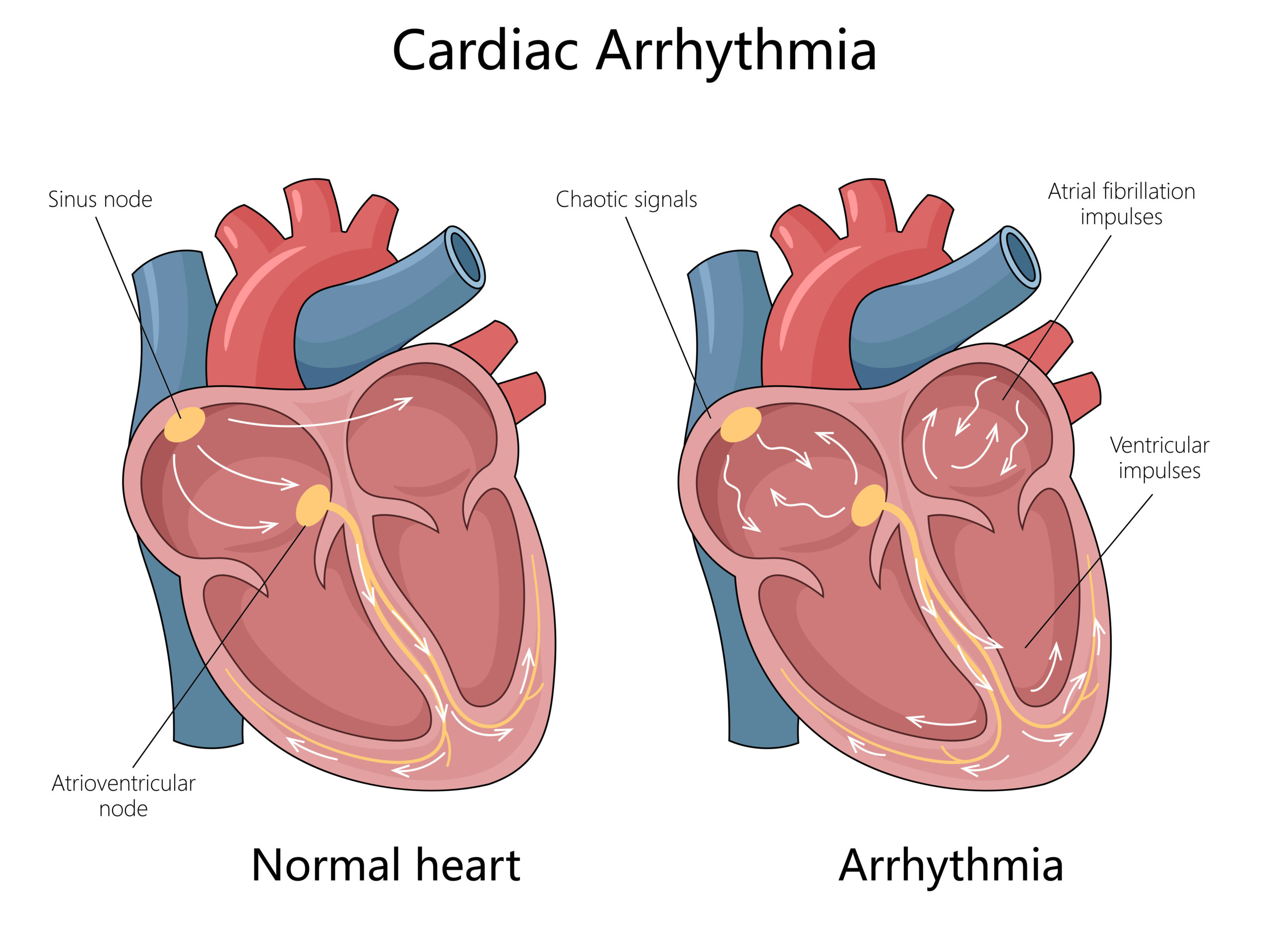
At its core, an arrhythmia is a problem with the heart’s electrical system. This system is responsible for generating and conducting the electrical signals that tell the heart muscle when to contract and relax, ensuring a consistent and efficient pumping action. When this system malfunctions, the heart can beat too fast (tachycardia), too slow (bradycardia), or irregularly.
The Heart’s Electrical Conduction System: A Closer Look
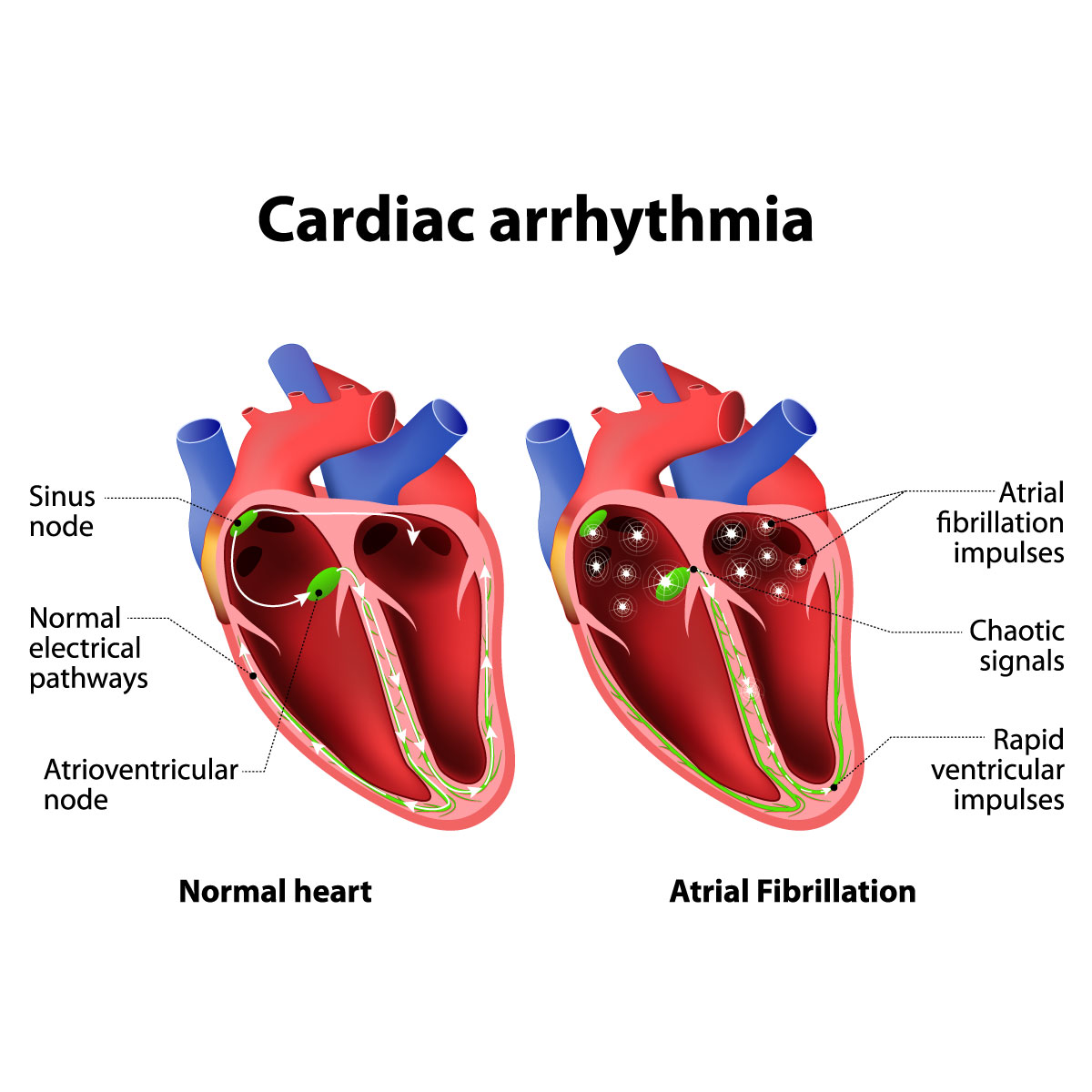
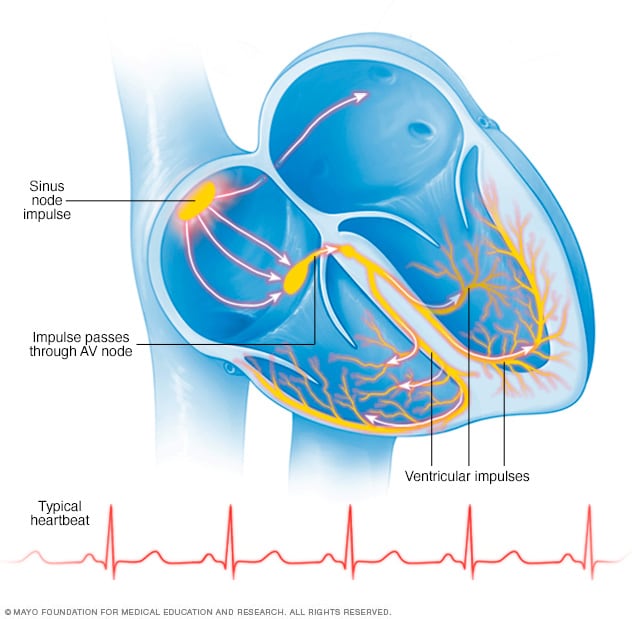
To appreciate arrhythmias, it’s crucial to understand the normal functioning of the heart’s electrical pathway. This intricate system begins in the sinoatrial (SA) node, often called the heart’s natural pacemaker, located in the upper right chamber (atrium). The SA node generates electrical impulses at a regular rate, typically between 60 and 100 beats per minute at rest.
These impulses then travel across the atria, causing them to contract and push blood into the ventricles. The signal then reaches the atrioventricular (AV) node, situated between the atria and ventricles. The AV node acts as a gatekeeper, momentarily delaying the impulse to allow the atria to fully empty their blood into the ventricles before they contract.
From the AV node, the electrical signal travels down specialized pathways called the Bundle of His and Purkinje fibers, which distribute the impulse throughout the ventricles. This coordinated electrical activation causes the ventricles to contract, pumping blood out to the lungs and the rest of the body.
Types of Arrhythmias: A Spectrum of Irregularities
The classification of arrhythmias is broad, reflecting the diverse ways the electrical system can go awry. They are often categorized by their speed (fast or slow), origin (atrial or ventricular), and regularity.
-
Tachycardias (Fast Heart Rhythms): These occur when the heart beats too quickly.
- Atrial Fibrillation (AFib): One of the most common arrhythmias, AFib is characterized by rapid, disorganized electrical activity in the atria, leading to an irregular and often fast ventricular response. This can significantly increase the risk of stroke due to blood clot formation.
- Supraventricular Tachycardia (SVT): A group of fast heart rhythms that originate above the ventricles. These can cause sudden episodes of rapid heartbeat.
- Ventricular Tachycardia (VT): A serious arrhythmia originating in the ventricles, characterized by rapid, regular beats. VT can lead to palpitations, dizziness, and in severe cases, cardiac arrest.
- Ventricular Fibrillation (VFib): A life-threatening arrhythmia where the ventricles quiver chaotically instead of pumping blood effectively. This requires immediate defibrillation to restore a normal rhythm.
-
Bradycardias (Slow Heart Rhythms): These occur when the heart beats too slowly, often below 60 beats per minute at rest.
- Sinus Bradycardia: A slow heart rate originating from the SA node. This can be normal during sleep or in athletes but can be problematic if it causes symptoms.
- Heart Block: This occurs when the electrical signal from the SA node is delayed or completely blocked from reaching the ventricles. There are different degrees of heart block, with higher degrees being more serious.
-
Irregular Heart Rhythms: These don’t fit neatly into fast or slow categories but involve a consistently irregular pattern.
- Premature Atrial Contractions (PACs) and Premature Ventricular Contractions (PVCs): These are extra, early beats that originate in the atria or ventricles, respectively. While often harmless, a frequent occurrence might warrant investigation.
The Impact of Arrhythmia: Beyond a Missed Beat
Arrhythmias are not just an electrical anomaly; they can have profound effects on an individual’s health and quality of life. The severity of these impacts is directly related to the type of arrhythmia, its duration, and the presence of underlying heart conditions.
Symptoms and Their Manifestations
The symptoms of arrhythmias can vary widely. Some individuals may experience no noticeable symptoms, while others may suffer from a range of debilitating effects. Common symptoms include:
- Palpitations: A feeling of a racing, pounding, fluttering, or skipped heartbeat. This is often the most commonly reported symptom.
- Dizziness or Lightheadedness: A reduced blood flow to the brain can cause these sensations.
- Fainting (Syncope): In severe cases, the heart’s inability to pump enough blood can lead to a temporary loss of consciousness.
- Shortness of Breath: The heart’s inefficient pumping can lead to fluid buildup in the lungs.
- Chest Pain or Discomfort: This can occur if the heart muscle isn’t receiving adequate oxygen.
- Fatigue: Persistent tiredness can be a sign of the heart working harder or less efficiently.
Potential Complications and Long-Term Risks
Left untreated or poorly managed, certain arrhythmias can lead to serious complications:
- Stroke: Atrial fibrillation, in particular, is a major risk factor for stroke because the irregular beating of the atria can lead to blood clots forming. If these clots break free, they can travel to the brain, causing an ischemic stroke.
- Heart Failure: Chronic or severe arrhythmias can weaken the heart muscle over time, leading to heart failure, where the heart can no longer pump blood effectively to meet the body’s needs.
- Sudden Cardiac Arrest (SCA): Life-threatening ventricular arrhythmias like VFib are a leading cause of SCA, a medical emergency where the heart suddenly stops beating.
Navigating Cardiac Care in the Digital Age: Tech, Brand, and Money
The landscape of healthcare, including the management of heart disease and arrhythmias, is being dramatically reshaped by technological advancements, strategic branding by healthcare providers, and evolving financial models for accessing care.
The Rise of Tech in Arrhythmia Management
Technology is no longer just a supporting actor in healthcare; it’s a central player in diagnosing, monitoring, and treating arrhythmias. The integration of software, AI, apps, and sophisticated gadgets is revolutionizing how we approach cardiac health.
Smart Devices and Wearables for Continuous Monitoring
The proliferation of smartwatches and fitness trackers has brought continuous health monitoring into the hands (or wrists) of millions. Many of these devices now feature electrocardiogram (ECG) capabilities, allowing users to take on-demand readings that can detect signs of atrial fibrillation. While these consumer-grade devices are not a substitute for clinical diagnosis, they serve as powerful early warning systems, prompting users to seek professional medical attention.
Beyond consumer wearables, sophisticated implantable cardiac devices like pacemakers and defibrillators are now equipped with advanced telemetry. These devices can transmit data remotely to healthcare providers, allowing for continuous monitoring of heart rhythm and device function without the need for frequent in-person visits. This proactive approach can help identify subtle changes that might otherwise go unnoticed.
AI-Powered Diagnostics and Predictive Analytics
Artificial intelligence (AI) is making significant inroads in cardiology. AI algorithms can analyze vast amounts of ECG data with remarkable accuracy, often identifying patterns that might be missed by the human eye. This is particularly useful in detecting subtle or paroxysmal arrhythmias. Furthermore, AI is being developed to predict the risk of future arrhythmias or complications based on a patient’s medical history, genetic predispositions, and continuous monitoring data.
Software platforms are emerging that aggregate patient data from various sources – wearables, implantable devices, electronic health records – and use AI to provide clinicians with comprehensive insights. This enables more personalized treatment plans and facilitates early intervention.
Telehealth and Remote Patient Monitoring
The COVID-19 pandemic accelerated the adoption of telehealth, and it has proven to be an invaluable tool for arrhythmia management. Patients can consult with cardiologists remotely, reducing the burden of travel and allowing for more frequent check-ins. Remote patient monitoring (RPM) systems, often powered by sophisticated software, allow healthcare providers to track vital signs and cardiac rhythm data from a patient’s home. This is particularly beneficial for individuals with chronic arrhythmias or those recovering from procedures, enabling timely adjustments to medication or treatment plans.
Digital Security and Data Privacy
As more sensitive health data is collected and transmitted digitally, ensuring robust digital security and protecting patient privacy becomes paramount. Healthcare organizations and technology providers must implement stringent cybersecurity measures to prevent data breaches and maintain patient trust. This is a critical consideration as the reliance on technology in cardiac care grows.
Branding in Cardiac Care: Building Trust and Expertise
In a competitive healthcare landscape, the “brand” of a healthcare institution or physician plays a crucial role in how patients perceive their expertise, quality of care, and trustworthiness, especially when dealing with complex conditions like arrhythmias.
Corporate Identity and Reputation in Cardiology
Leading cardiac centers and hospitals invest heavily in building a strong corporate identity that communicates expertise, innovation, and patient-centered care. This involves consistent messaging across all platforms, from their website and marketing materials to the demeanor of their staff. A positive reputation, built on successful patient outcomes and a commitment to research, attracts patients seeking the best possible treatment for their arrhythmias.
Personal Branding for Cardiologists
Individual cardiologists can also cultivate a personal brand by establishing themselves as thought leaders in arrhythmia management. This can be achieved through publishing research, speaking at conferences, sharing educational content on professional platforms, and engaging with patient communities online. A strong personal brand can enhance a physician’s reputation and attract patients who are specifically looking for their specialized knowledge.
Case Studies and Patient Success Stories
Effective branding often involves showcasing tangible evidence of success. Healthcare providers will frequently share anonymized case studies and patient success stories to demonstrate their capabilities in diagnosing and treating a wide range of arrhythmias. These narratives, often presented through articles, videos, or testimonials on their websites, build confidence and provide potential patients with relatable examples of positive outcomes.
Marketing and Design in Patient Communication
The way healthcare services are marketed and designed plays a significant role in how accessible and understandable complex medical information is. This includes user-friendly website designs that clearly explain arrhythmia conditions, treatment options, and introduce the medical team. Intuitive apps for appointment scheduling and patient portals further enhance the patient experience and contribute to a positive brand perception.
Money Matters: Financial Tools and Access to Care
The financial aspects of managing a chronic condition like arrhythmia are significant, encompassing personal finance, investment strategies for long-term health, and the business of providing advanced cardiac care.
Personal Finance and Health Insurance
Understanding health insurance plans is critical for managing the costs associated with arrhythmia diagnosis and treatment. This includes comprehending coverage for doctor’s visits, diagnostic tests (ECG, Holter monitors, echocardiograms), medications, and potential procedures like ablation or pacemaker implantation. For individuals managing chronic arrhythmias, proactive personal finance planning is essential to ensure they can afford ongoing care and potential emergency situations.
Investing in Long-Term Health and Innovation
The development of new diagnostic tools and treatments for arrhythmias requires substantial investment. Venture capital and public markets play a role in funding innovative startups and established medical device companies. For individuals, understanding that investing in their own health through preventative measures and timely treatment can potentially reduce long-term healthcare costs is a crucial financial consideration.
Business Finance of Cardiac Care
For healthcare providers, the business finance of running specialized cardiology departments or centers is complex. This involves managing operational costs, investing in cutting-edge technology, negotiating with insurance companies, and ensuring profitability while maintaining high standards of care. The financial sustainability of these services directly impacts patient access to the latest treatments and expertise.
Financial Tools for Patient Support
There’s a growing need for financial tools and resources to help patients navigate the costs of cardiac care. This can include payment plans, patient assistance programs offered by pharmaceutical companies or device manufacturers, and financial counseling services provided by hospitals. For individuals seeking to supplement their income or explore side hustles to cover medical expenses, the principles of online income generation and business finance become relevant.
Conclusion: A Holistic Approach to Arrhythmia Heart Disease
Understanding “what is arrhythmia heart disease” extends beyond the purely medical definition. It encompasses a complex interplay of the heart’s electrical system, its potential impact on overall health, and the increasingly digitized and financially-interconnected world in which we manage it. From cutting-edge AI diagnostic tools and remote monitoring via smart devices to the crucial role of trust and reputation in healthcare branding, and the essential financial planning required for long-term well-being, a holistic approach is paramount. By embracing technological advancements, fostering strong patient-provider relationships built on clear branding, and addressing the financial realities of healthcare, we can empower individuals to navigate the challenges of arrhythmia heart disease more effectively and live healthier, more rhythmically sound lives.
aViewFromTheCave is a participant in the Amazon Services LLC Associates Program, an affiliate advertising program designed to provide a means for sites to earn advertising fees by advertising and linking to Amazon.com. Amazon, the Amazon logo, AmazonSupply, and the AmazonSupply logo are trademarks of Amazon.com, Inc. or its affiliates. As an Amazon Associate we earn affiliate commissions from qualifying purchases.