
In an increasingly health-conscious world, the quality of the air we breathe indoors has become a paramount concern. From pollutants to allergens and unpleasant odors, our living and working spaces are often filled with microscopic adversaries. While traditional fans offer a welcome breeze, a growing number of models now boast an additional feature: an ionizer. Far from a mere gimmick, an integrated ionizer transforms a simple air circulator into a subtle yet powerful air purifier. Understanding what an ionizer is, how it functions, and its implications for indoor air quality is crucial for anyone looking to enhance their environment through technology. This exploration delves into the science, benefits, potential concerns, and practical applications of ionizer technology in modern fan designs, positioning it as a sophisticated advancement in personal air management devices.

Understanding the Core Technology: How Ionization Works
At its heart, an ionizer on a fan is an electrostatically charged component designed to release a stream of negatively charged ions into the surrounding air. This process, while seemingly complex, is rooted in fundamental principles of physics and chemistry, ultimately aiming to improve air quality by attracting and neutralizing airborne particles. It’s a testament to how subtle technological integrations can yield significant functional enhancements in everyday appliances.
The Science Behind Negative Ions
The air we breathe contains a mix of molecules, some of which carry a positive or negative electrical charge. An ionizer works by applying a high voltage to a series of sharp needles or electrodes, creating a powerful electrical field. As air passes over these electrodes, a discharge occurs, similar to miniature lightning strikes. This discharge strips electrons from oxygen molecules in the air, creating what are known as negative ions (O2-). These newly formed negative ions are then propelled into the room by the fan’s airflow, ready to interact with airborne contaminants.
The beauty of negative ions lies in their natural tendency to seek balance. Most airborne particles, such as dust, pollen, pet dander, smoke, and bacteria, carry a positive charge. When the negatively charged ions collide with these positively charged particles, they transfer their charge, making the particles negatively charged and heavier. This increased weight causes them to precipitate out of the air, either falling to surfaces like floors and furniture or being drawn to the fan’s grilles if they are positively charged. This process effectively “cleans” the air by removing these suspended particles that would otherwise be inhaled.
Components of a Fan Ionizer
A typical fan equipped with an ionizer integrates several key components to achieve its air-purifying function:
- Ionization Needle/Emitter: This is the core component where the high voltage is applied to generate the negative ions. Often made of carbon fiber or a similar conductive material, it’s designed to efficiently create a corona discharge.
- High-Voltage Generator: A small circuit board within the fan converts the standard household AC power into the high DC voltage (typically several thousand volts) required to energize the emitter. This voltage is carefully controlled to ensure safety and efficiency.
- Fan Motor and Blades: The primary function of the fan remains intact – to move air. However, in an ionizer fan, the airflow plays a crucial role in distributing the newly generated negative ions throughout the room, ensuring comprehensive air treatment rather than localized purification.
- Control Interface: A dedicated button or setting on the fan’s control panel or remote allows users to activate or deactivate the ionizer function independently from the fan’s speed settings. This gives users flexibility based on their air quality needs and preferences.
- Optional Collector Plate: While not present in all designs, some advanced ionizer fans may include a positively charged collector plate or mesh grid positioned near the ion emitter. This plate actively attracts and captures the now-charged airborne particles once they’ve been neutralized by the negative ions, further enhancing the trapping efficiency and reducing surface dust accumulation.
Together, these components create a synergistic system where air circulation and electrostatic purification combine to offer a more comprehensive indoor air solution than a traditional fan alone.
The Purifying Power: Benefits of Integrated Ionizers
The integration of ionizer technology into fans offers a range of tangible benefits that extend beyond simple air movement. These advantages primarily revolve around improving indoor air quality, making living and working environments healthier and more comfortable. For tech-savvy consumers, understanding these benefits is key to appreciating the value proposition of these enhanced devices.
Air Quality Improvement
The most significant benefit of an ionizer fan is its capacity to improve overall air quality. By actively introducing negative ions into the air, the device targets and removes microscopic particles that often remain suspended. These particles, including fine dust, pet dander, and microscopic debris, are too small for many conventional filters to capture effectively. As negative ions bind to these particles, they become heavier and settle out of the breathing zone. This reduction in airborne particulate matter contributes to a cleaner, fresher-feeling indoor environment, making the air noticeably lighter and less stagnant, especially in enclosed spaces or areas with limited ventilation.
Odor Neutralization
Unpleasant odors are a common complaint in many homes and offices, stemming from cooking, pets, smoke, or even new furniture (off-gassing). Ionizers play a vital role in neutralizing these odors rather than merely masking them. Odor molecules are often airborne particles themselves. The negative ions released by the fan ionizer chemically react with these odor-causing particles, breaking down their molecular structure or causing them to precipitate. This process effectively eliminates the source of the smell, leading to a genuinely fresher atmosphere. Unlike air fresheners that introduce new scents, an ionizer works to truly purify the air, providing a more natural and lasting solution to odor problems.
Reducing Allergens and Particulates
For individuals suffering from allergies, asthma, or other respiratory sensitivities, an ionizer fan can be a valuable tool. Common allergens like pollen, dust mites, mold spores, and pet dander are typically positively charged and remain suspended in the air, triggering allergic reactions. By charging these allergens negatively, the ionizer causes them to drop out of the air circulation, reducing their concentration in the breathable space. While an ionizer is not a substitute for medical treatment or professional-grade HEPA filtration in severe cases, it significantly contributes to creating an environment with fewer airborne irritants, offering a measure of relief and improving indoor comfort for sensitive individuals. This proactive reduction of particulates also translates to less dust settling on surfaces, contributing to a cleaner home with less frequent dusting required.
Potential Considerations and Misconceptions
While ionizer fans offer compelling benefits, it’s equally important for consumers to be aware of certain considerations and common misconceptions surrounding this technology. A balanced understanding ensures informed purchasing decisions and optimal usage.
Ozone Production: A Key Concern
Perhaps the most significant concern associated with ionizers is the potential for ozone production. Ozone (O3) is a gas formed when high-voltage electricity splits oxygen molecules (O2) into individual oxygen atoms, which then recombine with other oxygen molecules. While a small amount of ozone is naturally present in the atmosphere, elevated indoor levels can be harmful. Ozone is a lung irritant that can exacerbate respiratory conditions like asthma, cause chest pain, coughing, shortness of breath, and throat irritation, particularly in sensitive individuals.
Modern ionizer fans, especially those from reputable manufacturers, are designed to minimize ozone production, often adhering to strict international safety standards (e.g., California Air Resources Board – CARB certification). Many units produce negligible or zero detectable ozone. However, cheaper or older models might not have these safeguards. When considering an ionizer fan, it is crucial to check for certifications that guarantee low or no ozone emission. Consumers should also be mindful of operating ionizers in very small, poorly ventilated spaces, as this could theoretically allow for a buildup of even minimal ozone concentrations over time.
Maintenance and Longevity

Ionizer fans generally require minimal maintenance, but certain aspects should be considered for optimal performance and longevity. The ionization needle or emitter can accumulate dust and debris over time, which can reduce its efficiency. Regular cleaning of this component, typically with a soft brush or cloth, is recommended. Some units may also have a collector plate that attracts charged particles; this plate should be periodically wiped clean to prevent excessive build-up and maintain its electrostatic attraction.
The longevity of an ionizer’s components is typically quite good, with the high-voltage generator and emitter designed for extended use. However, like any electronic device, excessive humidity or physical damage can affect performance. Users should follow the manufacturer’s cleaning and maintenance guidelines to ensure the fan and its ionizer function effectively for years. Ignoring maintenance can lead to reduced ion output, diminished air purification capabilities, and potentially, a shorter lifespan for the ionization module.
Differentiating from HEPA Filters
It’s common for consumers to confuse ionizer technology with HEPA (High-Efficiency Particulate Air) filtration, or to perceive them as mutually exclusive. It’s important to understand they are distinct technologies with different mechanisms, though they can be complementary.
- Ionizers: These are active purifiers that release charged particles (ions) into the air to neutralize and precipitate airborne contaminants. They don’t have a physical filter that captures particles, but rather make them fall out of the air or stick to surfaces (or an internal collector plate). Their strength lies in tackling ultra-fine particles and odors.
- HEPA Filters: These are passive mechanical filters that physically trap particles as air passes through a dense, fibrous medium. They are highly effective at capturing particles down to 0.3 microns with 99.97% efficiency. Their effectiveness is limited by the volume of air passing through the filter and the size of the particles.
While a standalone ionizer fan improves air quality, it doesn’t “clean” the air in the same way a HEPA filter does by physically removing particles from the air stream and trapping them. For comprehensive air purification, particularly for severe allergies or very dusty environments, a device that combines both an ionizer and a HEPA filter (often called a “hybrid” air purifier) offers the best of both worlds, capturing larger particles physically while an ionizer handles smaller particles and odors. Understanding this distinction helps consumers choose the right technology based on their specific needs and priorities.
Applications and Practical Implications
The integration of ionizers into fans broadens their utility beyond simple air circulation, making them versatile tools for improving environmental conditions in various settings. This section explores where ionizer fans are most effective and how they fit into modern technological ecosystems.
Ideal Environments for Ionizer Fans
Ionizer fans are particularly well-suited for specific environments where their unique benefits can be maximized. They are an excellent choice for:
- Bedrooms: To improve sleep quality by reducing airborne allergens and maintaining fresh air, especially for those sensitive to dust or pet dander. The quiet operation of many modern fan ionizers also makes them ideal for this space.
- Home Offices/Studies: To mitigate the effects of indoor pollutants generated by electronics and to maintain a fresh, focused atmosphere during work or study.
- Living Rooms: To neutralize odors from cooking, pets, or general foot traffic, while also improving overall air freshness for family and guests.
- Small Apartments/Dorms: Where space is limited and comprehensive air purification systems might be impractical or too expensive, an ionizer fan offers a two-in-one solution for air movement and basic purification.
- Areas Prone to Stagnant Air: Basements, utility rooms, or rooms with poor ventilation can benefit significantly from the odor-neutralizing and air-freshening capabilities of an ionizer fan.
- Pet Owners: To combat pet dander and associated odors, providing relief for both humans and pets in the household.
In these contexts, the dual functionality of cooling and purifying makes an ionizer fan a cost-effective and space-saving solution compared to purchasing separate devices.
Integration into Smart Home Ecosystems
As technology advances, the trend towards smart home integration continues to grow. Modern ionizer fans are increasingly designed with smart capabilities, allowing them to connect with broader home automation systems. This integration offers enhanced convenience and efficiency:
- Remote Control & Scheduling: Through companion apps, users can control fan speed, oscillation, and the ionizer function from anywhere, as well as set schedules for operation based on daily routines or air quality needs.
- Voice Assistant Compatibility: Many smart ionizer fans can be controlled via popular voice assistants like Amazon Alexa or Google Assistant, enabling hands-free operation and seamless integration into existing smart home setups.
- Air Quality Monitoring (Advanced Models): Some high-end models may incorporate rudimentary air quality sensors that can automatically activate the ionizer or adjust fan speed based on detected particulate levels, providing truly intelligent air management.
- Energy Efficiency: Smart features can help optimize energy consumption by allowing users to run the ionizer only when necessary, or linking it to other smart devices to ensure it’s off when no one is home.
This smart integration transforms a simple appliance into an intelligent component of a connected home, offering users greater control and a more personalized environmental experience.
Consumer Buying Guide Considerations
When selecting an ionizer fan, informed consumers should consider several key factors to ensure they choose a device that meets their needs:
- Ozone Certification: Prioritize models that are certified as low- or zero-ozone emitters (e.g., CARB certification) to ensure safety.
- Ion Output: While specific numbers are often hard to compare, look for fans from reputable brands known for effective ionizer technology.
- Fan Performance: Assess the fan’s primary function – airflow, noise levels, and oscillation capabilities – as these remain critical for comfort.
- Maintenance Requirements: Consider how easy it is to clean the ionizer emitter and any potential collector plates.
- Smart Features: If smart home integration is a priority, check for compatibility with existing ecosystems and available app functionalities.
- Size and Design: Ensure the fan’s physical footprint and aesthetic design fit well within the intended space.
- Price and Warranty: Balance the features with the cost and ensure a reliable warranty from the manufacturer.
By carefully evaluating these aspects, consumers can confidently choose an ionizer fan that provides both effective air circulation and beneficial air purification, enhancing their indoor environment with cutting-edge technology.
The Future of Air Purification in Personal Devices
The evolution of the ionizer fan is indicative of a broader trend in consumer electronics: the convergence of utility with wellness. As our understanding of indoor air quality grows, so too does the demand for sophisticated yet user-friendly solutions. The future of air purification in personal devices points towards more intelligent, integrated, and highly efficient technologies.
Advancements in Ionization Technology
Research and development in ionization continue to push the boundaries of what’s possible. Future advancements in ionizer technology are likely to focus on:
- Enhanced Ion Generation: Developing more efficient and powerful ion emitters that can produce a greater volume of negative ions without increasing ozone production. This could involve new materials or more sophisticated electrode designs.
- Targeted Ion Emission: Technologies that can direct ions more precisely to specific areas or detect particle concentrations in real-time to optimize ion release, rather than a constant, generalized stream.
- Self-Cleaning Ionizers: Systems that automatically clean the ionization needles, reducing manual maintenance and ensuring consistent performance over time.
- Ion Lifetime Extension: Research into prolonging the effective lifespan of emitted ions in the air, allowing them to travel further and remain active longer, thereby improving their purification reach in larger spaces.
- Integration with IoT: More seamless and intelligent integration with broader Internet of Things (IoT) platforms, allowing ionizers to respond dynamically to external air quality data, pollen counts, or even local weather patterns, offering truly predictive air purification.
These innovations will make ionizers even more effective, safer, and more convenient, transforming them from an add-on feature to a core component of intelligent climate control systems.
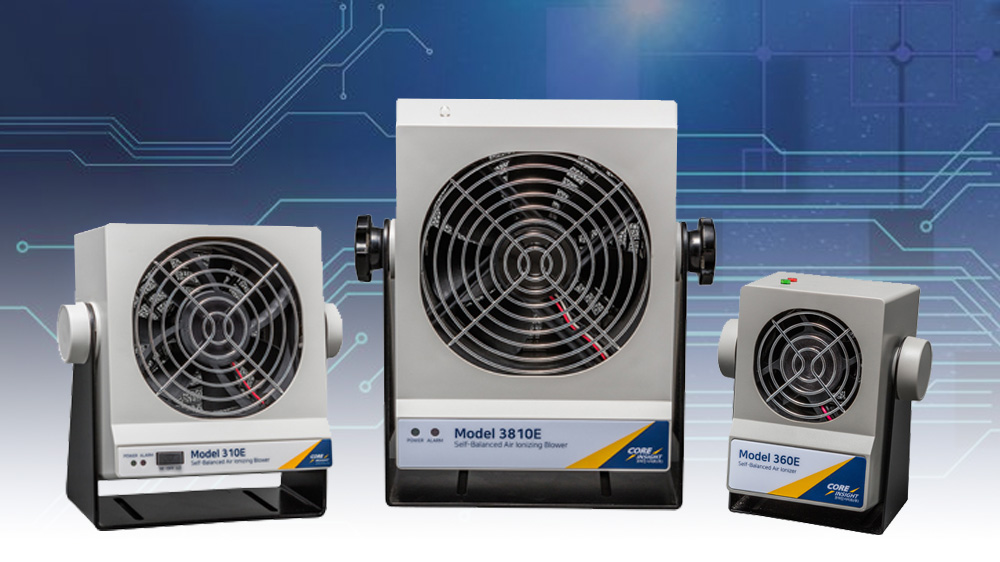
Hybrid Air Purification Systems
The most promising direction for air purification in personal devices, particularly fans, is the development of advanced hybrid systems. While ionizers are excellent for fine particles and odors, and HEPA filters excel at trapping larger particulates, combining these technologies offers a comprehensive solution.
- Multi-Stage Filtration: Future fans will likely integrate several layers of air purification. This could include a pre-filter for large dust, a HEPA filter for microscopic particles, an activated carbon filter for volatile organic compounds (VOCs) and stronger odors, and an ionizer for ultra-fine particles and overall air freshness.
- Intelligent Sensing: These hybrid systems will feature sophisticated sensors that can detect various pollutants (PM2.5, VOCs, CO2) and adjust the operation of different purification stages accordingly. For example, the ionizer might activate more strongly when fine dust is detected, while the carbon filter ramps up for VOCs.
- Compact Design: The challenge will be to integrate these multiple technologies into sleek, compact fan designs that don’t compromise on aesthetics or airflow. Miniaturization of components and efficient layout will be key.
- Energy Efficiency: Designing hybrid systems that consume minimal power while delivering maximum purification will be a continuous focus, leveraging smart algorithms to optimize operation.
Ultimately, the future points towards fans that are not just devices for cooling, but intelligent air stations, proactively managing and enhancing the quality of our indoor environments through a blend of established and emerging purification technologies. The ionizer, having paved the way for active air treatment in personal devices, will remain a crucial element in this evolving landscape.
aViewFromTheCave is a participant in the Amazon Services LLC Associates Program, an affiliate advertising program designed to provide a means for sites to earn advertising fees by advertising and linking to Amazon.com. Amazon, the Amazon logo, AmazonSupply, and the AmazonSupply logo are trademarks of Amazon.com, Inc. or its affiliates. As an Amazon Associate we earn affiliate commissions from qualifying purchases.