
In the modern marketplace, a brand is far more than just a name or a logo; it is a repository of trust, a promise of quality, and the most valuable intangible asset a company possesses. As businesses move away from physical-centric models toward identity-driven economies, the role of the Intellectual Property (IP) lawyer has shifted from the periphery of the legal department to the very heart of brand strategy. An intellectual property lawyer is a legal professional specializing in the protection, enforcement, and commercialization of creative and intellectual assets. In the context of branding, they are the architects who build the legal fortress around a corporate identity, ensuring that the unique elements that distinguish a company from its competitors remain exclusive and profitable.

Understanding what an intellectual property lawyer does requires a deep dive into how legal frameworks intersect with creative vision. Whether a company is a global conglomerate or a burgeoning personal brand, the IP lawyer serves as the ultimate guardian of brand equity.
The Guardian of Corporate Identity: Trademarks and Visual Assets
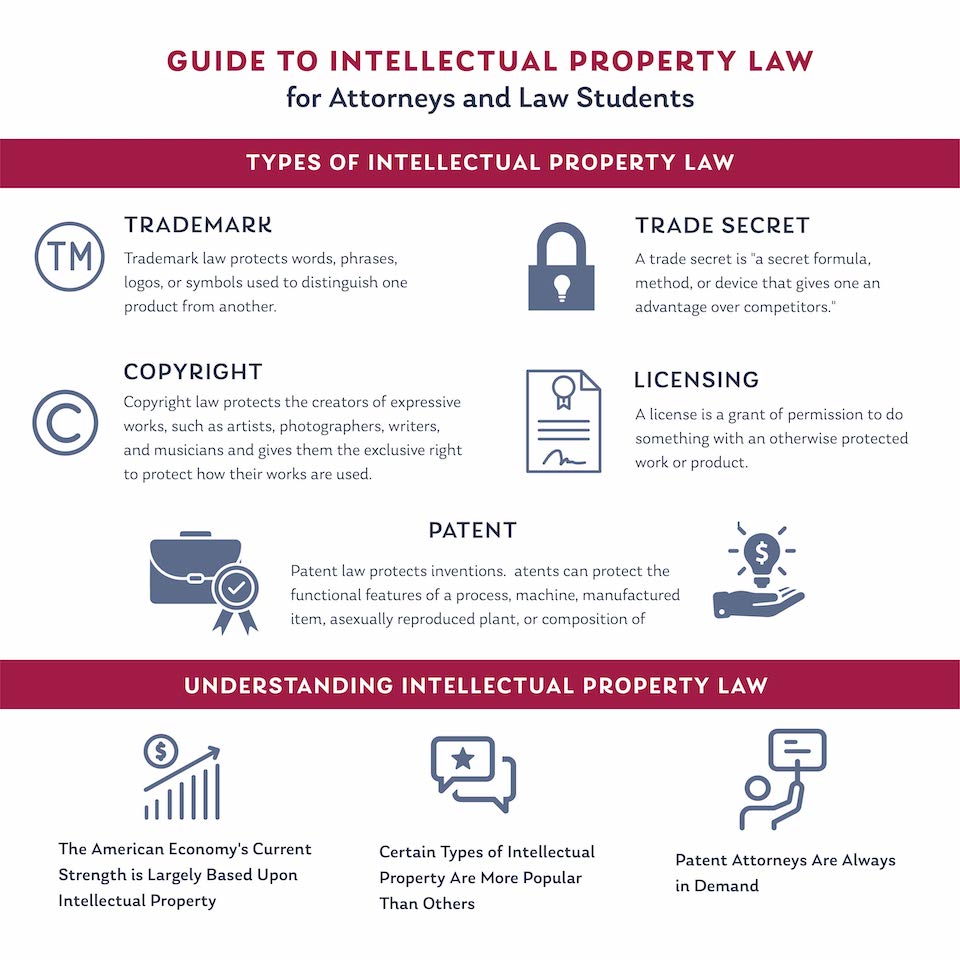
The most visible aspect of any brand strategy is its visual identity. This includes logos, color palettes, slogans, and even distinctive packaging. To a consumer, these elements signify a specific source of goods or services. To an intellectual property lawyer, these are “trademarks,” and they represent the core of a brand’s market presence.
Securing the Symbol: Trademarks and Service Marks
An IP lawyer’s primary responsibility in brand strategy is the procurement and maintenance of trademarks. This process begins long before a product hits the shelves. During the design phase, an IP lawyer conducts “clearance searches.” These are exhaustive investigations into existing databases to ensure that a proposed brand name or logo doesn’t infringe on existing rights. This step is critical; launching a brand only to receive a “cease and desist” letter six months later can result in millions of dollars in lost marketing spend and rebranding costs. The lawyer navigates the nuances of “likelihood of confusion,” ensuring the brand stands on solid legal ground.
Managing the Brand Portfolio
As a brand grows, so does its portfolio of assets. A startup might begin with a single name, but a mature brand strategy involves dozens of sub-brands, product lines, and slogans. An intellectual property lawyer manages this portfolio, ensuring that registrations are renewed, and that the scope of protection expands as the business enters new geographic markets or product categories. They advise on “trade dress”—the look and feel of a product’s packaging—which is increasingly vital in a crowded retail environment where visual distinctiveness translates directly to sales.
Intellectual Property Lawyers in Modern Content Strategy
In the age of digital marketing, content is the currency of brand engagement. From social media campaigns and high-production video advertisements to blog posts and white papers, brands are constantly producing original work. Without the oversight of an intellectual property lawyer, this creative output is vulnerable to misappropriation, or worse, the brand itself could inadvertently infringe on the rights of others.
Navigating Copyright in a Digital-First World
Copyright law protects original works of authorship, and in the branding world, this covers everything from website copy to photography used in digital ads. An IP lawyer ensures that the brand actually owns the content it produces. A common pitfall in brand management is the use of third-party freelancers or agencies; without specific “work-for-hire” agreements or copyright assignments drafted by a lawyer, the creator—not the brand—may retain ownership of the assets. The lawyer structures these contracts to ensure the corporate identity remains unified and legally owned by the entity.
Licensing and Collaboration Agreements
Modern branding often involves “collabs”—partnerships between two brands or a brand and an influencer. These collaborations are minefields of intellectual property overlap. An IP lawyer drafts licensing agreements that dictate exactly how a brand’s assets can be used, for how long, and in what territories. They ensure that while the brand’s reach is expanded through partnership, its core identity is not diluted or misrepresented. These agreements are essential for brand strategy, as they allow for the monetization of a brand’s reputation without losing control over the brand’s perception.

Strategic Defensive Positioning: Enforcement and Litigation
A brand strategy is only as strong as its enforcement. If a competitor can mimic a brand’s design or use a confusingly similar name with impunity, the original brand’s value diminishes—a phenomenon known as “dilution.” Intellectual property lawyers act as the enforcement arm of the brand, monitoring the marketplace to ensure that the company’s “goodwill” is not being siphoned off by bad actors.
Cease and Desist: The First Line of Brand Defense
When an IP lawyer identifies an infringement, the first step is often a formal “cease and desist” letter. This is a strategic communication designed to stop unauthorized use without the need for a full-scale legal battle. However, it requires a delicate touch. In the era of “call-out culture,” a heavy-handed legal letter sent to a small creator can result in a PR nightmare. A sophisticated IP lawyer understands the intersection of law and public relations, drafting communications that protect the brand’s legal rights while remaining sensitive to its public image and brand voice.
Monitoring the Global Marketplace for Counterfeits
For luxury brands and high-end design firms, counterfeiting is a constant threat to brand integrity. Intellectual property lawyers work with customs officials and digital platforms to identify and remove “knock-offs.” This goes beyond just protecting sales; it is about protecting the brand’s promise of exclusivity and quality. By aggressively pursuing counterfeiters, the lawyer ensures that when a consumer sees the brand’s mark, they can trust it is the authentic article, thereby preserving the long-term value of the corporate identity.
Scaling the Brand: IP Lawyers as Strategic Partners
Beyond protection and enforcement, intellectual property lawyers play a proactive role in the growth and scaling of a brand. They are not merely “preventers of problems,” but “enablers of opportunity.” As a company seeks to expand, its IP becomes the leverage used for financing, international expansion, and high-value exits.
IP Audits for Mergers and Acquisitions
When a company is acquired, the “brand” is often the most expensive item on the balance sheet. An IP lawyer conducts “due diligence” or “IP audits” during these transactions. They verify that the brand owns all its trademarks, that its copyrights are secure, and that there are no pending litigations that could tank the brand’s value. For the selling company, a well-organized IP portfolio presented by a competent lawyer can significantly increase the valuation of the business. For the buyer, the lawyer ensures they aren’t purchasing a “hollow” brand with no legal teeth.
Protecting Personal Brands and Public Personas
In the current economy, personal branding is just as significant as corporate branding. CEOs, influencers, and designers are brands unto themselves. Intellectual property lawyers help these individuals protect their “right of publicity.” This involves preventing unauthorized use of their name, likeness, or voice in marketing. By treating a person’s identity as a legal asset, the lawyer allows the individual to strategically manage their reputation and ensure that any commercial use of their persona aligns with their long-term brand goals.
The Integral Link Between Law and Brand Longevity
An intellectual property lawyer is the bridge between a creative concept and a sustainable business asset. They translate the “vibe” and “vision” of a brand into a series of filings, contracts, and protections that provide a competitive advantage in an overcrowded market. Without the rigorous framework provided by IP law, a brand is merely a temporary trend, vulnerable to being copied or diluted until it disappears.
By securing trademarks, managing copyrights, enforcing rights against infringers, and facilitating strategic growth, the IP lawyer ensures that the brand’s identity remains its own. In the world of brand strategy, where perception is reality and identity is equity, the intellectual property lawyer is the most essential partner a business can have. They do not just practice law; they safeguard the very soul of the brand, ensuring it can grow, adapt, and thrive for decades to come.
aViewFromTheCave is a participant in the Amazon Services LLC Associates Program, an affiliate advertising program designed to provide a means for sites to earn advertising fees by advertising and linking to Amazon.com. Amazon, the Amazon logo, AmazonSupply, and the AmazonSupply logo are trademarks of Amazon.com, Inc. or its affiliates. As an Amazon Associate we earn affiliate commissions from qualifying purchases.