
In the rapidly evolving landscape of digital marketing, few terms carry as much historical weight—and occasional baggage—as the “email blast.” For years, the phrase conjured images of aggressive, impersonal marketing tactics where a single message was fired off to thousands of recipients regardless of their interests or needs. However, as brand strategy has become more sophisticated, the definition of an email blast has undergone a radical transformation.
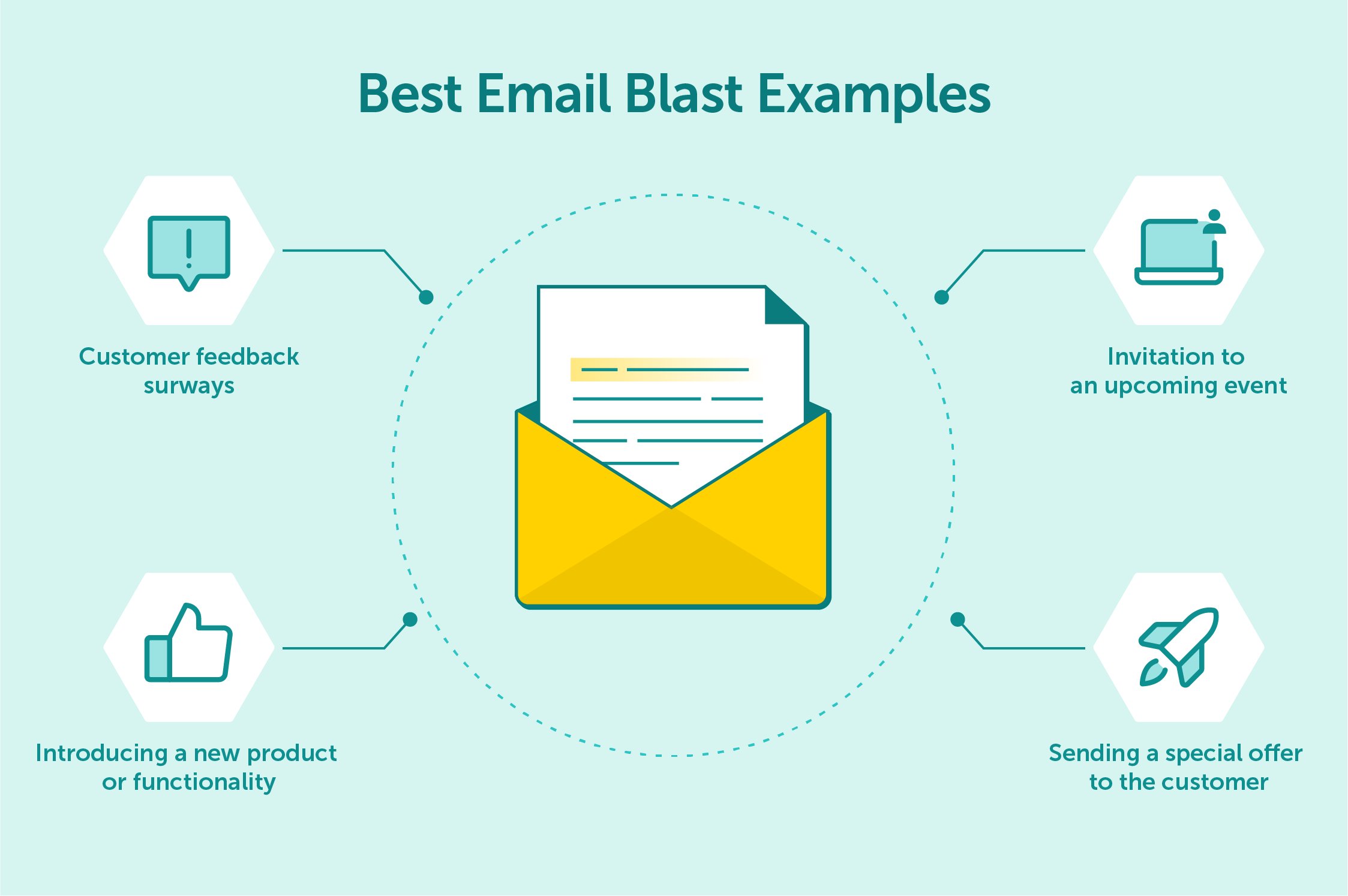
Today, an email blast is better understood as a “broadcast email.” It is a strategic tool used by organizations to communicate a singular, high-value message to a large segment of their audience simultaneously. When executed through the lens of modern brand building, the email blast is not a nuisance; it is a powerful vehicle for storytelling, brand reinforcement, and community engagement. This article explores the nuances of the email blast within the context of brand strategy, detailing how businesses can leverage mass communication to strengthen their corporate identity.
The Evolution of the Email Blast: From Generic Broadcaster to Strategic Asset
The term “email blast” originated in an era when digital marketing was a numbers game. The goal was simple: reach as many people as possible and hope for a small percentage of conversions. However, as consumer behavior shifted and inboxes became more crowded, the “spray and pray” method began to damage brand reputations.
The Transition from Noise to Value
In the modern branding ecosystem, the value of an email is no longer measured solely by the volume of clicks, but by the quality of the brand interaction. A modern email blast is a curated experience. It is the digital equivalent of a brand’s “State of the Union” address. Whether it is a product launch, a change in company policy, or a seasonal newsletter, the focus has shifted from mere distribution to value-added storytelling. Brands that treat their broadcasts as a service to the customer—providing news, education, or exclusive access—see significantly higher retention rates than those that use them purely for hard-selling.
Why Mass Communication Still Matters for Brand Awareness
Despite the rise of hyper-personalized “triggered” emails (like abandoned cart reminders), the broad email blast remains a staple of brand strategy for one primary reason: it creates a shared experience. When a lifestyle brand sends a “blast” announcing a new sustainability initiative, it creates a synchronized moment across its entire community. This mass awareness is crucial for establishing a brand’s position in the market. It ensures that every stakeholder, from the casual browser to the loyal advocate, is aligned with the brand’s current narrative.
Integrating Email Blasts into a Cohesive Brand Identity
A brand is not just a logo; it is the sum of every interaction a customer has with a company. Because email is one of the most direct and personal forms of communication, the email blast serves as a critical touchpoint for reinforcing brand identity.
Maintaining Visual and Verbal Consistency
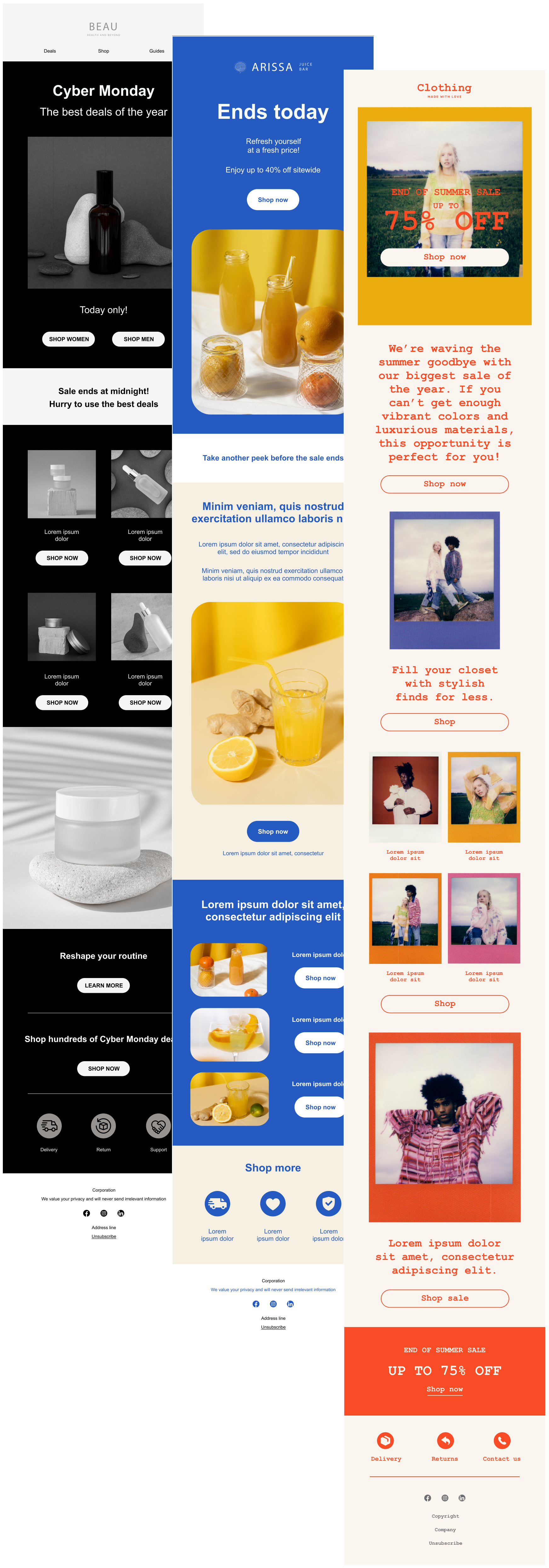
Every email blast should be an extension of the brand’s visual and verbal DNA. This means more than just using the right hex codes for colors. It involves the “tone of voice”—the specific personality that the brand projects. A luxury brand’s email blast should feel exclusive, minimalist, and sophisticated, using high-quality imagery and restrained copy. Conversely, a disruptive tech startup might use bold typography, energetic language, and interactive elements. When an email blast mirrors the aesthetic of the website and social media presence, it builds a sense of familiarity and trust.
Establishing Authority through Curated Content
For many organizations, the email blast is the primary tool for thought leadership. By sending out “knowledge blasts”—compilations of industry insights, white papers, or expert opinions—a brand can transition from being a mere vendor to a trusted authority. This strategic positioning is vital for B2B brands and high-end service providers. When a recipient sees a brand’s name in their inbox and knows that the content inside will be informative rather than intrusive, the brand’s “equity” increases significantly.
The Mechanics of a Brand-Centric Email Blast
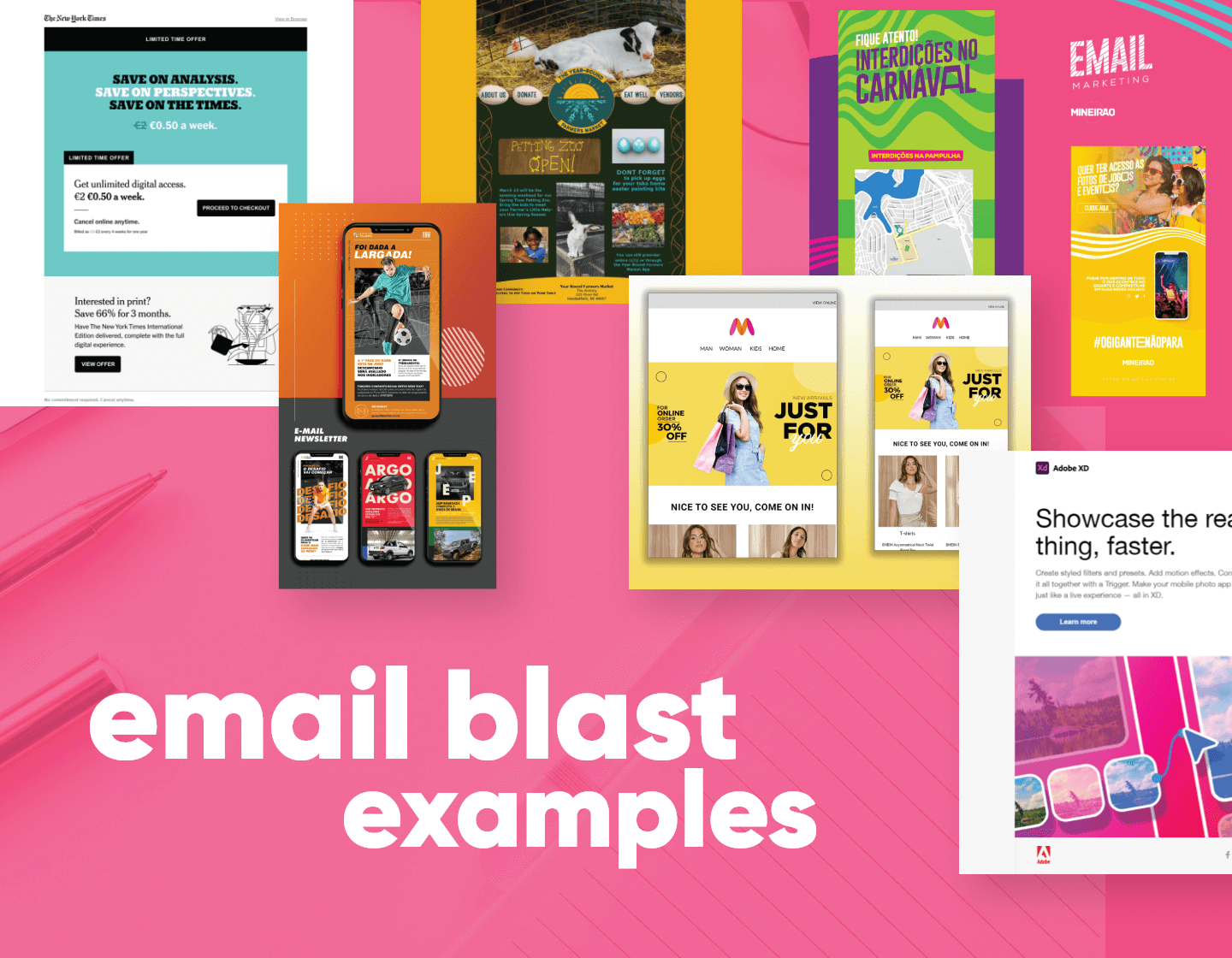
While an email blast is intended for a large group, the most successful brands apply a layer of “macro-segmentation” to ensure the message resonates. The goal is to make a mass communication feel as relevant as a one-on-one conversation.
The Power of Smart Segmentation
Sending the same email to every single person in a database is rarely a good brand move. Instead, strategic brands segment their “blasts” based on broad personas or lifecycle stages. For example, a brand might send one version of a summer sale announcement to its “VIP Customers” (emphasizing early access) and another version to “Lapsed Subscribers” (emphasizing a “we miss you” discount). By tailoring the message to these broad groups, the brand proves it understands its audience, preventing the impersonal feel that typically plagues mass emails.
Narrative Arch and Sequential Blasting
Modern brand strategy often involves a series of blasts that tell a story over time. Rather than one-off announcements, brands use a “teaser, launch, follow-up” sequence. This creates anticipation and keeps the brand top-of-mind without feeling repetitive. For instance, a brand might send a blast hinting at a new collaboration on Monday, the official announcement on Wednesday, and a “last chance” reminder on Friday. This narrative approach transforms a technical distribution method into a compelling marketing campaign.
Ethical Scaling: Preserving Brand Trust and Deliverability
One of the greatest risks to a brand’s health is being perceived as a spammer. In the world of email marketing, “deliverability” is not just a technical metric; it is a reflection of brand trust. If a brand’s emails consistently end up in the promotions or spam folders, it signals to both ISPs (Internet Service Providers) and customers that the brand is not providing value.
Consent-Based Branding and the Opt-In Culture
The foundation of a high-quality email blast is a healthy, permission-based list. Purchasing email lists is the quickest way to destroy a brand’s reputation. Strategic branding requires a focus on “attraction” rather than “interruption.” By encouraging users to opt-in through high-value lead magnets or exclusive community access, a brand ensures that its audience actually wants to receive its blasts. This mutual agreement forms the basis of a long-term brand-customer relationship.
Managing Frequency to Prevent Brand Fatigue
One of the most common mistakes in brand management is over-communication. “Brand fatigue” occurs when a company sends so many email blasts that the recipient becomes desensitized to the brand’s presence. To protect the brand’s prestige, marketers must find the “Goldilocks zone” of frequency—sending enough to stay relevant, but not so much that they become a digital nuisance. A well-timed, high-quality blast once a week is often more effective for brand building than daily low-quality updates.
Evaluating Success: Brand Equity and Engagement Metrics
To truly understand the impact of an email blast, brand managers must look beyond simple open rates. While metrics are quantitative, they provide qualitative insights into how the brand is perceived.
Open Rates as a Sign of Brand Health
A high open rate is often a reflection of “brand affinity.” It suggests that when people see the brand’s name in their inbox, they have a positive enough association to stop what they are doing and click. If open rates start to decline over time, it may be a sign that the brand’s messaging is becoming stale or that the brand is losing its relevance in the lives of its customers.
Measuring Conversions vs. Brand Connections
While the ultimate goal of many email blasts is to drive a sale, a brand-focused strategy also tracks “soft conversions.” These might include a customer sharing the email with a friend, a high click-through rate on an educational blog post, or a low unsubscribe rate following a major announcement. These metrics indicate that the email blast is successfully strengthening the brand-customer bond, which ultimately leads to higher customer lifetime value (CLV) and stronger brand loyalty.
Conclusion: The Future of the Email Blast
In conclusion, the email blast is far from dead; it has simply matured. In the context of modern brand strategy, it is a high-leverage tool for maintaining visibility, establishing authority, and fostering a sense of community. By moving away from impersonal “blasts” and toward strategic “broadcasts,” brands can use mass communication to deliver consistent, high-value experiences that resonate with their audience. When executed with a focus on visual consistency, smart segmentation, and ethical practices, the email blast becomes more than just a marketing tactic—it becomes a cornerstone of a robust and enduring brand identity.
aViewFromTheCave is a participant in the Amazon Services LLC Associates Program, an affiliate advertising program designed to provide a means for sites to earn advertising fees by advertising and linking to Amazon.com. Amazon, the Amazon logo, AmazonSupply, and the AmazonSupply logo are trademarks of Amazon.com, Inc. or its affiliates. As an Amazon Associate we earn affiliate commissions from qualifying purchases.