
An art portfolio is often perceived simply as a collection of an artist’s work. While true at its core, this definition barely scratches the surface of its profound significance in the professional world. In the realm of branding, marketing, and professional identity, an art portfolio is far more potent: it is a meticulously curated visual narrative, a strategic marketing document, and the most critical personal branding tool an artist possesses. It is the visual resume, the silent advocate, and the compelling case study for an artist’s unique vision and capabilities.
In today’s highly competitive creative landscape, whether one is an aspiring student, a freelance illustrator, a fine artist, or a graphic designer, a well-constructed art portfolio is indispensable. It’s the primary medium through which an artist communicates their skill, style, creativity, and professional ethos to potential clients, employers, galleries, or academic institutions. It doesn’t just display art; it defines an artistic brand, showcases professional potential, and articulates a distinct creative voice. Understanding what truly constitutes an effective art portfolio means recognizing its role as a dynamic, evolving brand asset that demands strategic thought, meticulous curation, and a keen awareness of one’s audience and objectives.

The Strategic Purpose of an Art Portfolio: Defining Your Artistic Brand
Beyond being a mere showcase, an art portfolio functions as the cornerstone of an artist’s personal brand strategy. It’s a deliberate compilation designed to achieve specific goals, from securing a spot in a prestigious art program to landing a dream commission or exhibition. Each piece within it is a building block, contributing to the overall message and impression an artist wishes to convey. This strategic approach elevates the portfolio from a simple collection to a powerful marketing instrument.
Defining Your Artistic Brand Identity
At its heart, an art portfolio is about defining and communicating your unique artistic brand identity. It answers the fundamental questions: Who are you as an artist? What is your distinctive style? What message do you convey through your work? Your portfolio should embody your artistic voice, your preferred mediums, your thematic interests, and your technical proficiency. It’s about more than just showing what you can do; it’s about showing who you are as a creative professional. Consistency in style, quality, and thematic exploration across the selected pieces helps solidify this brand identity, making it recognizable and memorable to your audience. This consistency builds trust and demonstrates a clear, focused vision, essential elements for any strong brand.
Targeting Your Audience and Opportunity
A truly strategic portfolio is not a one-size-fits-all document. Just as a corporate brand tailors its messaging to different market segments, an artist must consider their target audience and the specific opportunities they are pursuing. Are you applying to a contemporary art gallery known for abstract expressionism, a design studio specializing in minimalist branding, or a university known for its traditional fine arts program? Each scenario demands a slightly different emphasis or selection of work to resonate most effectively. Understanding your audience’s expectations, aesthetic preferences, and specific needs allows you to curate a portfolio that speaks directly to them, increasing your chances of making a meaningful connection and securing the desired outcome. This targeted approach is a core principle of effective marketing and brand engagement.
Showcasing Growth and Potential
While a portfolio primarily displays your best current work, it can also be a powerful tool for showcasing your potential for growth and adaptability – key characteristics of a resilient brand. For students, this might involve including process sketches or developmental pieces that illustrate problem-solving skills and artistic evolution. For established professionals, it might mean demonstrating versatility across different projects or mediums, or hinting at new directions in your work. A portfolio that subtly tells a story of artistic development and forward-thinking vision suggests an artist who is continuously learning, innovating, and capable of taking on new challenges. This communicates long-term value and an enduring creative spirit, bolstering your overall artistic brand.
Key Components of a Brand-Centric Art Portfolio: Beyond the Artwork
While the art itself is paramount, the effectiveness of an art portfolio as a branding tool relies heavily on how that art is presented and contextualized. A strong artistic brand is not just about the quality of individual pieces but also about the cohesive narrative, professional presentation, and strategic curation that bind them together. These elements transform a mere collection into a compelling brand statement.
Curation: Less is More, More is Strategic
The most common mistake artists make is including too much work. A brand-centric portfolio understands that “less is more,” provided that “less” is strategically chosen. Every piece included must serve a purpose: to demonstrate a specific skill, reinforce a particular aspect of your brand identity, or directly appeal to the target audience. The goal is to present only your strongest, most relevant work, creating a powerful, impactful impression rather than overwhelming the viewer with quantity. Each piece should be a testament to your highest standards and contribute to a clear, consistent brand message. If a piece doesn’t elevate your brand, it shouldn’t be in the portfolio.
Quality Over Quantity: The Power of Your Best Work
Building on curation, the emphasis must always be on quality. Each artwork selected should represent your absolute best, showcasing not just technical skill but also conceptual strength and originality. Poorly executed pieces or those that don’t align with your desired brand image can dilute the overall impact and undermine the perception of your professional abilities. High-quality reproductions (for digital portfolios) or immaculate physical presentation (for tangible portfolios) are also crucial. The visual quality of the presentation itself reflects the artist’s professionalism and attention to detail, reinforcing the quality of the brand.
Storytelling Through Visuals and Context
An art portfolio is an opportunity for visual storytelling. The sequence in which pieces are presented, the relationships between them, and the supporting text all contribute to a narrative that defines your brand. Beyond just visual content, contextual information—such as brief descriptions of each piece, the medium used, the inspiration, or the problem it solved (especially in design)—provides invaluable insight. An artist’s statement can articulate their philosophy, process, and influences, tying the individual pieces into a coherent brand vision. These textual elements serve to guide the viewer through your creative thought process and reinforce the overarching narrative of your artistic brand.
Professional Presentation and Design
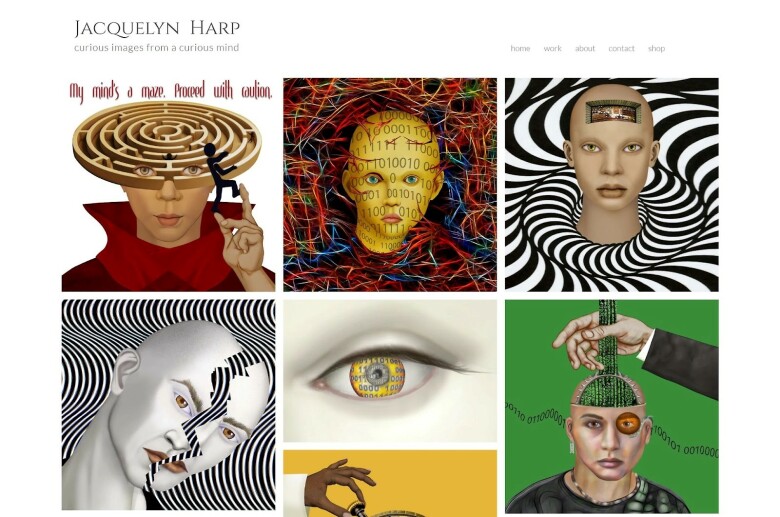
The physical or digital design of the portfolio itself is an extension of your artistic brand. For physical portfolios, this means high-quality binders, consistent formatting, and professional photography of your work. For digital portfolios, a clean, intuitive website or a well-organized PDF document with excellent image resolution is paramount. The layout, typography, and overall aesthetic of your portfolio should align with and enhance your artistic style. A messy, poorly designed, or difficult-to-navigate portfolio, regardless of the quality of the art, will detract from your professional image and weaken your brand’s impact. The presentation communicates your professionalism, attention to detail, and design sensibilities—all critical components of a robust artistic brand.
Crafting Your Portfolio as a Marketing Tool: Practical Steps
Transforming your collection of art into an effective branding and marketing tool requires a structured approach. It’s about making deliberate choices at every stage to ensure your portfolio not only showcases your work but also actively markets your unique value proposition as an artist.
Selecting Your Signature Pieces
The first practical step is to identify your “signature pieces”—those works that most powerfully communicate your artistic brand, highlight your strongest skills, and resonate with your target audience. These are the pieces that should anchor your portfolio, setting the tone and defining your unique selling proposition. When selecting, critically evaluate each work: Does it represent your current best? Does it fit the overall brand narrative you want to convey? Does it speak to the specific opportunity you are pursuing? Be ruthless in your selection; every piece must earn its place by actively contributing to your overall brand message.
Writing Compelling Explanations and Artist Statements
Strong visuals should be supported by clear, concise, and compelling written content. For each piece, consider a brief description that provides context, explains your process, or outlines the conceptual underpinnings. An overarching artist statement is also crucial, articulating your artistic philosophy, influences, and the core message of your brand. This statement should be authentic, engaging, and professional, offering insights that deepen the viewer’s understanding and connection to your work. Remember, these texts are part of your brand voice, so maintain consistency in tone and professionalism. They complement your visuals, ensuring your brand story is fully told.
Digital vs. Physical Portfolios: Strategic Choices
In today’s digital age, artists typically need both digital and, in some cases, physical portfolios.
- Digital Portfolios: A professional website or online portfolio platform (e.g., Behance, ArtStation, personal website) is essential for broad reach and easy access. It should be visually appealing, user-friendly, and mobile-responsive. High-resolution images, clear navigation, and a concise “About Me” section are vital. PDFs can serve as tailored, concise digital versions for specific applications. A digital portfolio extends your brand’s reach globally and ensures 24/7 accessibility.
- Physical Portfolios: For certain in-person interviews or gallery submissions, a beautifully crafted physical portfolio can make a significant impression. It allows for a tactile experience and can convey a level of bespoke quality that digital formats sometimes miss. The choice between physical and digital, or a combination of both, depends on your target audience and the nature of the opportunity, making it a strategic branding decision.
Customization for Specific Opportunities
One of the most powerful marketing strategies for a portfolio is customization. While you should have a core set of pieces that define your brand, be prepared to adapt and re-sequence your portfolio for different applications. Applying for a job as a character designer? Emphasize your character studies and figure drawing. Pitching to a children’s book publisher? Showcase your narrative illustrations and vibrant color palettes. This strategic tailoring demonstrates your understanding of the specific client’s or institution’s needs and shows that your brand is versatile and responsive, increasing your relevance and appeal.
Maintaining and Evolving Your Artistic Brand: The Ongoing Journey
An artistic brand, much like any successful corporate brand, is not static. It evolves with the artist, the market, and new opportunities. Therefore, your art portfolio—as the primary representation of your brand—must also be a living, breathing document that undergoes continuous review, refinement, and adaptation.
Regular Review and Updates
Your artistic skills and vision will naturally evolve over time. Your portfolio must reflect this progression. Schedule regular reviews (e.g., quarterly or bi-annually) to assess your current work against the pieces in your portfolio. Replace older, weaker pieces with new, stronger ones that better represent your current capabilities and artistic direction. This ongoing process ensures that your portfolio always showcases your best and most relevant work, keeping your artistic brand fresh, current, and aligned with your present identity. A stale portfolio suggests a static brand, which can be detrimental in a dynamic creative field.
Seeking Feedback for Refinement
Objective feedback is invaluable for refining your artistic brand and, by extension, your portfolio. Share your portfolio with trusted mentors, peers, or professionals in your target industry. Ask for honest critiques on not just the artwork itself, but also the overall presentation, the coherence of your brand message, and its effectiveness in achieving your goals. How do others perceive your brand identity? Is it clear? Is it compelling? Constructive criticism can highlight areas for improvement, reveal blind spots, and help you hone your selection and presentation to make an even stronger impact.
Adapting to New Artistic Directions and Market Trends
The creative landscape is constantly shifting, with new technologies, aesthetic trends, and market demands emerging regularly. A resilient artistic brand is one that can adapt without losing its core identity. Your portfolio should reflect your awareness of and ability to engage with these changes. This doesn’t mean chasing every trend, but rather intelligently incorporating new skills, exploring new mediums, or responding to contemporary themes in a way that enhances and expands your brand. Demonstrating adaptability and a forward-looking perspective through your updated portfolio shows that your artistic brand is not only relevant today but also poised for future success.
In conclusion, an art portfolio is far more than a simple collection of images. It is a sophisticated branding and marketing tool, a curated statement of an artist’s identity, skill, and potential. By approaching its creation and maintenance with strategic intent—focusing on defining a clear brand, curating with purpose, ensuring professional presentation, and continuously adapting—artists can leverage their portfolios to open doors, secure opportunities, and establish a powerful, lasting presence in the creative world. It is the artist’s most articulate brand ambassador, speaking volumes about their craft, vision, and professional commitment.
aViewFromTheCave is a participant in the Amazon Services LLC Associates Program, an affiliate advertising program designed to provide a means for sites to earn advertising fees by advertising and linking to Amazon.com. Amazon, the Amazon logo, AmazonSupply, and the AmazonSupply logo are trademarks of Amazon.com, Inc. or its affiliates. As an Amazon Associate we earn affiliate commissions from qualifying purchases.