
In today’s hyper-connected world, digital communication reigns supreme. We’re accustomed to VoIP services, video conferencing, and instant messaging. Yet, nestled within the infrastructure of modern communication, a crucial, often overlooked device plays a vital role: the Analog Telephone Adapter (ATA). This seemingly simple gadget acts as a bridge, allowing older analog telephones to seamlessly integrate with newer digital communication networks. For businesses and individuals alike, understanding the ATA is key to optimizing communication systems, extending the life of existing hardware, and navigating the evolving landscape of telecommunications.
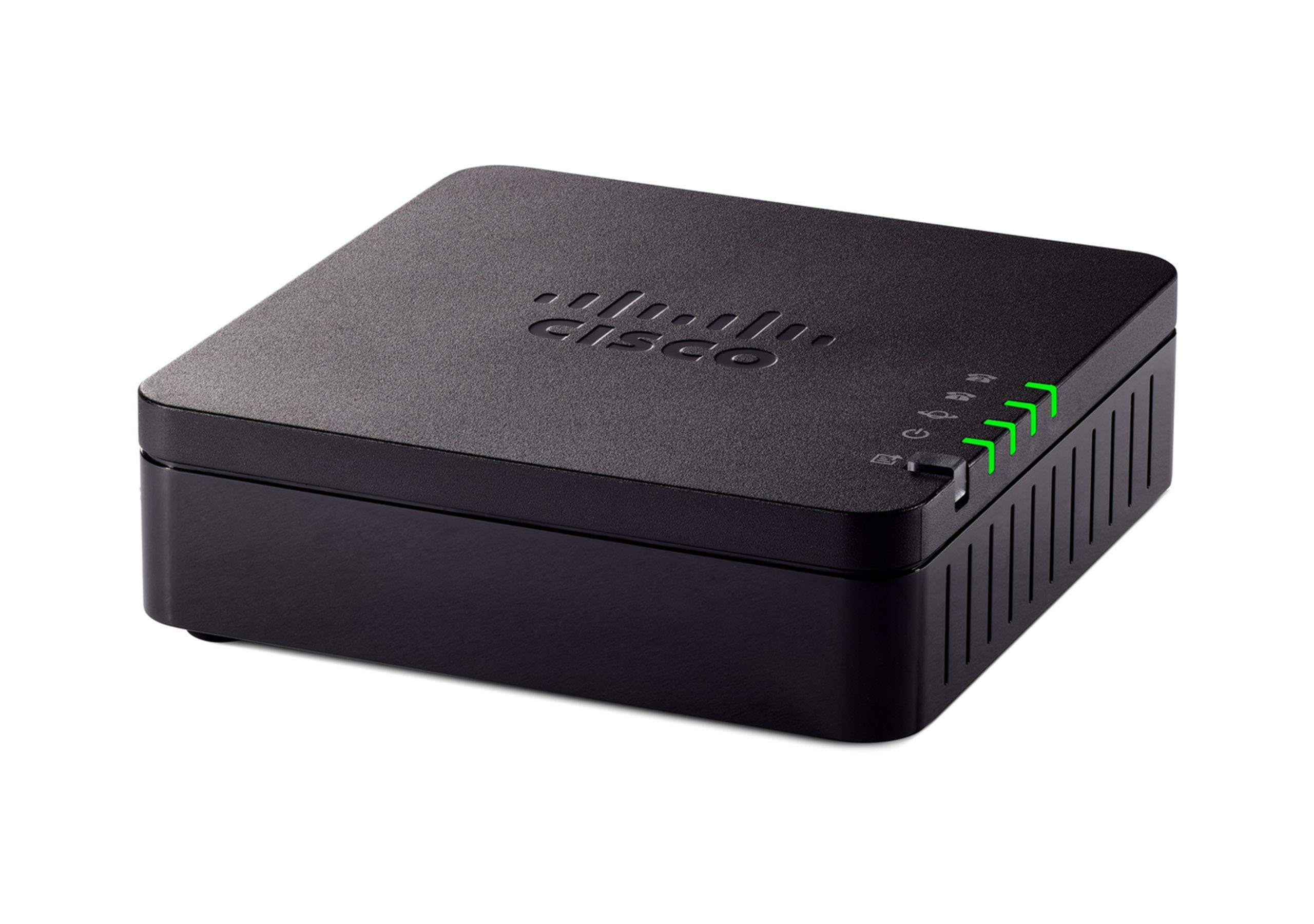
This article will delve into the core of what an Analog Telephone Adapter is, exploring its function, benefits, and how it fits into the broader context of technological advancements, brand strategy, and even financial considerations.
Understanding the Core Functionality of an Analog Telephone Adapter
At its heart, an Analog Telephone Adapter is a hardware device that converts analog audio signals from a traditional analog telephone into digital data packets that can be transmitted over an IP (Internet Protocol) network. Conversely, it also converts incoming digital data packets from an IP network back into analog audio signals that an analog phone can understand.
Think of it as a universal translator for your telephone. Your old rotary dial phone or even a standard corded phone speaks a language of electrical currents. Modern phone systems, especially those using Voice over IP (VoIP), speak a language of digital information sent over the internet. The ATA is the intermediary that enables these two languages to be understood by each other.
How Does an ATA Work?
The process is surprisingly sophisticated yet elegantly simple in its execution:
- Analog to Digital Conversion: When you pick up an analog phone connected to an ATA and dial a number, the ATA captures the analog electrical signals generated by your voice. It then digitizes these signals, breaking them down into small packets of data. These packets are then encapsulated with IP addressing information and sent over your internet connection.
- Digital to Analog Conversion: When a call comes in over the IP network destined for your analog phone, the ATA receives the digital data packets. It then decodes these packets, converts the digital information back into analog audio signals, and sends them to your analog telephone, allowing you to hear the caller.
This conversion process is facilitated by protocols like Session Initiation Protocol (SIP) or H.323, which are standard communication protocols used in VoIP. The ATA acts as a gateway, registering with a VoIP service provider and managing the calls between the analog phone and the digital network.
Key Components and Connections
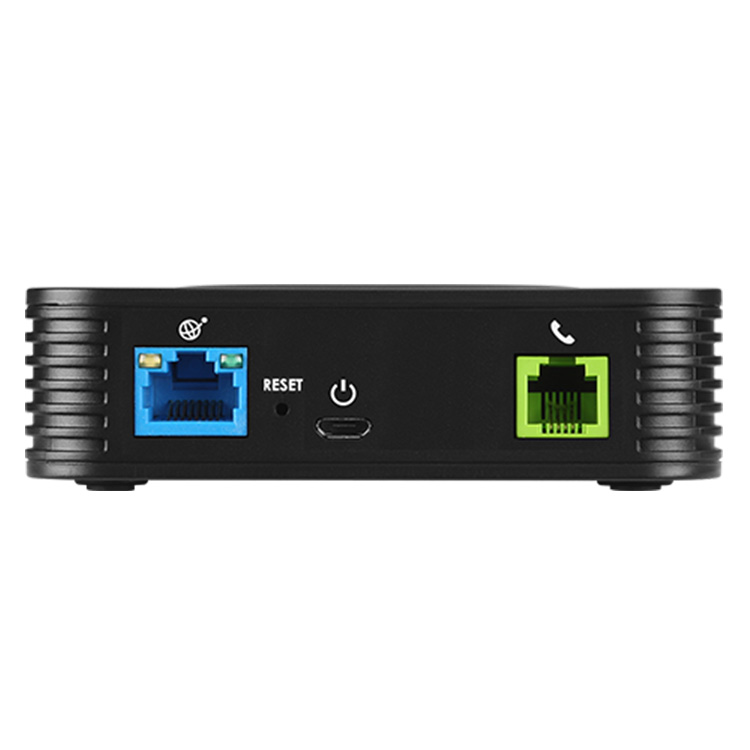
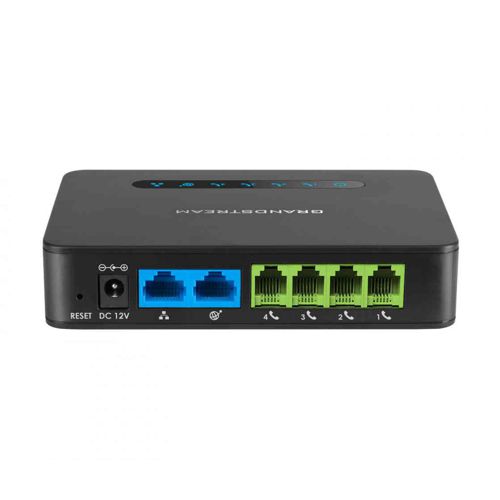
An ATA typically features a few essential ports:
- RJ-11 Telephone Port: This is where you connect your standard analog telephone. It looks like the familiar phone jack found in most homes and offices.
- Ethernet Port (RJ-45): This port connects the ATA to your local network, typically via your router or modem, enabling it to access the internet for VoIP calls.
- Power Port: To operate, the ATA requires a power source. Some ATAs may also feature a battery backup for continued operation during power outages.
- Optional: FXO/FXS Ports: Some advanced ATAs might have additional ports. An FXS (Foreign Exchange Station) port allows you to connect an analog phone to the ATA. An FXO (Foreign Exchange Office) port, on the other hand, allows the ATA to connect to a traditional phone line, enabling it to place calls via the PSTN (Public Switched Telephone Network) as a fallback or for specific routing needs.
The Multifaceted Benefits of Employing an Analog Telephone Adapter
The utility of an ATA extends far beyond simply enabling an old phone to work. It offers a range of advantages that can impact technology adoption, brand perception, and financial efficiency.
Enhancing Technology Adoption and Extending Hardware Lifespan
One of the most immediate and compelling benefits of an ATA is its ability to integrate existing analog telephone hardware into modern VoIP systems. This is particularly valuable for:
- Small Businesses: Many small businesses have invested in reliable, high-quality analog phones that are still perfectly functional. Rather than discarding them and incurring the cost of new IP phones, an ATA allows them to leverage their existing assets while enjoying the benefits of VoIP. This aligns with the “Tech” topic by showcasing how older technologies can be made relevant in a digital age.
- Cost Savings: Replacing an entire phone system can be a significant capital expense. By using ATAs, businesses can significantly reduce the cost of migrating to VoIP, as the primary cost becomes the adapter and the VoIP service plan, rather than new hardware for every extension. This directly relates to the “Money” topic, highlighting financial prudence.
- Familiarity and Ease of Use: For employees accustomed to analog phones, the transition to a VoIP system facilitated by an ATA can be smoother. They can continue using familiar devices, minimizing the learning curve and potential disruption. This can indirectly impact “Brand” by ensuring a positive employee experience and maintaining operational continuity.
- Legacy Systems: In certain industries or specialized applications, legacy analog equipment may be deeply integrated into workflows. ATAs can help bridge these systems to modern communication networks without requiring a complete overhaul.
Strategic Advantages for Brand and Operations
Beyond the technical and financial aspects, the strategic use of ATAs can influence a brand’s image and operational efficiency.
-
Modernizing Without Complete Replacement (Brand Perception): By adopting VoIP technology, even with the use of ATAs, a business signals a commitment to modern communication methods. This can enhance its image as forward-thinking and technologically adept, even if some of the endpoint devices are analog. This ties into the “Brand” topic of corporate identity and marketing.
-
Enhanced Communication Features: VoIP, powered by ATAs, unlocks a suite of advanced communication features that are often unavailable with traditional analog lines. These include:
- Virtual Numbers and Extensions: Businesses can easily set up virtual numbers that ring on their analog phones, providing a professional presence without requiring multiple physical phone lines.
- Voicemail to Email: Voicemails can be converted to audio files and sent directly to an email inbox, improving accessibility and response times.
- Call Forwarding and Routing Flexibility: Complex call routing rules can be implemented, directing calls to specific individuals or departments based on time of day, caller ID, or other criteria.
- Conferencing Capabilities: Many VoIP services offer integrated conference calling, allowing for easier collaboration.
- Scalability: As a business grows, adding new extensions or lines is typically much simpler and more cost-effective with VoIP and ATAs than with traditional phone systems.
-
Improved Business Continuity and Disaster Recovery: In the event of a local outage affecting physical phone lines, calls can often be rerouted to mobile devices or other locations through the VoIP provider, ensuring business continuity. This resilience is a critical aspect of any robust operational strategy, indirectly supporting brand reliability.
Financial Implications and Return on Investment
The financial benefits of using ATAs are substantial and directly contribute to sound financial management and investment decisions.
- Reduced Telecommunication Costs: Traditional landlines and associated call charges can be expensive. VoIP services, on the other hand, often offer flat-rate plans or significantly lower per-minute rates, especially for international calls. The cost of ATAs is typically a one-time purchase, making it a highly cost-effective solution for migrating to VoIP. This aligns perfectly with the “Money” topic of personal and business finance.
- Lower Maintenance and Infrastructure Costs: Maintaining a complex PBX (Private Branch Exchange) system for analog phones can be costly. VoIP systems, with ATAs as the endpoint connection, often require less physical infrastructure and can be managed remotely, leading to lower IT support and maintenance expenses.
- Potential for Increased Revenue: Improved communication efficiency, faster customer response times, and enhanced collaboration can all contribute to increased productivity and, consequently, potential revenue growth. This represents a positive return on investment from the initial outlay for ATAs and VoIP services.
- Side Hustle and Online Income Integration: For individuals operating small businesses or side hustles from home, an ATA can be crucial for establishing a professional business line without the need for a separate physical phone line. This allows for better separation between personal and professional communications, a key aspect of managing online income streams.
Use Cases and Considerations for Implementing an ATA
The versatility of Analog Telephone Adapters means they find applications across a wide spectrum of scenarios, from individual users to large enterprises.
Home Offices and Small Businesses
For the burgeoning number of remote workers and small businesses operating from home, an ATA offers a professional edge:
- Dedicated Business Line: A separate business phone number can be routed to an existing analog phone, maintaining a clear distinction between personal and professional calls without the expense of a second traditional line.
- VoIP Service Integration: Access to advanced VoIP features like call waiting, caller ID, and voicemail management becomes available on familiar analog hardware.
- Cost-Effective Upgrade: It’s a budget-friendly way to upgrade communication capabilities without replacing every desk phone.
Medium to Large Enterprises
Larger organizations can leverage ATAs for specific strategic advantages:
- Phased VoIP Migration: ATAs allow for a gradual transition to a full IP-based phone system. Instead of a complete rip-and-replace, departments or specific locations can adopt VoIP using ATAs while other areas might still use traditional PBX systems, with a plan for future upgrades. This demonstrates a strategic approach to technology adoption.
- Fax Machines and Legacy Devices: Beyond telephones, ATAs can also be used to connect fax machines to VoIP networks, allowing for faxing over the internet. This is particularly relevant for businesses that still rely on fax for certain document transmissions.
- Emergency Telephones: In certain industrial or public spaces, analog emergency phones might be mandated. ATAs can connect these devices to an IP network, enabling them to function within a modern communication infrastructure and ensuring reliable emergency contact.
- International Offices: For multinational corporations, ATAs can facilitate communication between global offices by connecting local analog phones to the company’s central VoIP system, reducing international call costs.
Considerations Before Purchasing and Implementing an ATA
While the benefits are clear, a few factors should be considered to ensure successful implementation:
- VoIP Service Provider Compatibility: Not all ATAs are compatible with every VoIP service provider. It’s crucial to choose an ATA that is certified or recommended by your chosen provider.
- Number of Phone Ports: ATAs typically come with one or two RJ-11 ports. If you need to connect multiple analog phones to a single ATA, ensure you select a model with sufficient ports.
- Quality of Service (QoS): The performance of your ATA is dependent on the quality and stability of your internet connection. Poor internet can lead to choppy audio or dropped calls, regardless of the ATA’s capabilities. Implementing Quality of Service (QoS) settings on your router can help prioritize voice traffic.
- Security: As with any internet-connected device, ATAs can be vulnerable to security threats. Ensure your ATA’s firmware is up-to-date and that you employ strong network security measures. This is a critical aspect of digital security within the “Tech” domain.
- Power Outages: While some ATAs have battery backups, consider the implications of power outages on your communication system. Traditional analog lines are powered by the telephone network itself, meaning they often work even during local power failures.
The Future of the Analog Telephone Adapter
While the trend is undoubtedly towards fully digital endpoints, the ATA is not becoming obsolete anytime soon. Its role as a cost-effective bridge, a tool for phased migration, and a facilitator for legacy hardware ensures its continued relevance. As technology evolves, we may see ATAs with enhanced features, greater power efficiency, and more robust security protocols. However, for the foreseeable future, the Analog Telephone Adapter remains a vital component in the intricate tapestry of modern telecommunications, allowing us to leverage the past while embracing the future of connectivity. It’s a testament to how innovative solutions can extend the life and utility of existing technology, contributing to both financial prudence and operational resilience.
aViewFromTheCave is a participant in the Amazon Services LLC Associates Program, an affiliate advertising program designed to provide a means for sites to earn advertising fees by advertising and linking to Amazon.com. Amazon, the Amazon logo, AmazonSupply, and the AmazonSupply logo are trademarks of Amazon.com, Inc. or its affiliates. As an Amazon Associate we earn affiliate commissions from qualifying purchases.