
In the landscape of personal finance and savvy consumerism, identifying high-value opportunities in everyday spending is a hallmark of financial literacy. One such opportunity exists within the entertainment sector, specifically through the AMC Black Ticket. For many, a trip to the cinema is a significant discretionary expense, especially when factoring in premium formats and urban pricing. The AMC Black Ticket serves as a specialized financial instrument—a prepaid voucher—that allows moviegoers to lock in lower prices and hedge against the rising costs of theater admissions.
Understanding the mechanics, limitations, and strategic advantages of the AMC Black Ticket is essential for anyone looking to optimize their entertainment budget without sacrificing the quality of their leisure experiences.
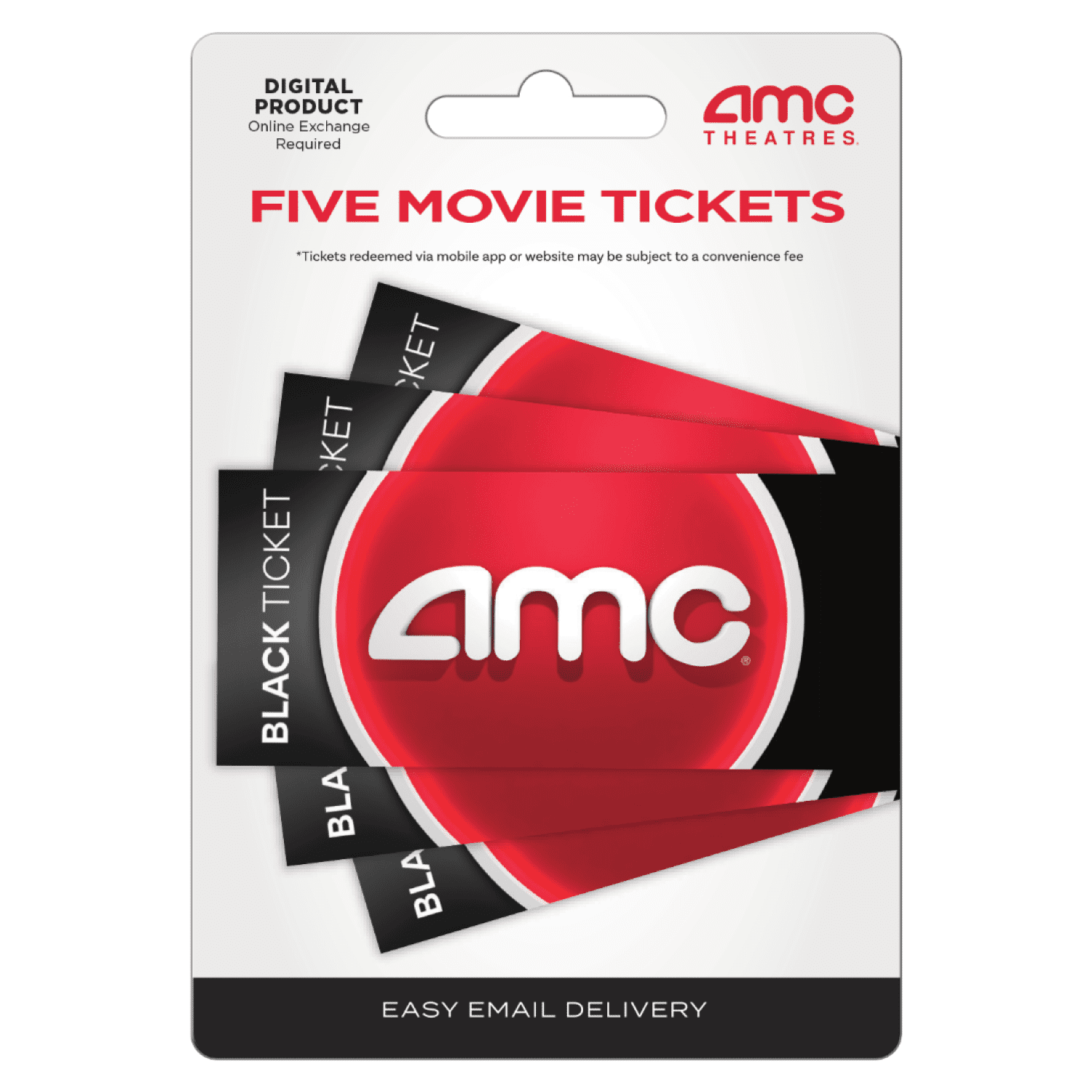
Understanding the Financial Mechanics of AMC Black Tickets
At its core, an AMC Black Ticket is a “discounted exchange item.” Unlike a standard gift card, which holds a specific cash value, the Black Ticket is a voucher redeemable for one admission to any movie at an AMC theater nationwide. From a personal finance perspective, this represents a transition from “variable spending” to “fixed-cost asset management.”
Prepaid Assets vs. Standard Pricing
The primary financial draw of the Black Ticket is the price differential. In major metropolitan areas like New York City, Los Angeles, or Chicago, a standard peak-hour movie ticket can easily exceed $18 to $20. By purchasing Black Tickets in advance—often through bulk retailers, corporate perk programs, or wholesale clubs—consumers can secure these vouchers for a significantly lower price point, typically ranging between $10.50 and $12.50.
This creates an immediate “yield” on the investment. If you purchase a ticket for $11 and redeem it for a $20 screening, you have effectively realized a 45% discount on that specific expenditure. For a family of four, this translates to nearly $40 in savings per outing, which can be reallocated toward savings goals or other household necessities.
The Cost Advantage of Bulk Purchasing
The AMC Black Ticket is a staple of business finance and corporate incentive programs. Companies often purchase these in batches of 50 or 100 to distribute as employee rewards or client gifts. Because AMC offers volume-based pricing to B2B clients, the per-unit cost drops significantly. For the individual consumer, accessing these bulk rates is usually done through intermediaries like Costco, Sam’s Club, or AAA. By leveraging the “economies of scale” provided by these organizations, the average consumer can access institutional-level pricing that isn’t available at the theater box office.
The Logistics of Redeeming and Using Your Investment
While the financial upside is clear, the AMC Black Ticket is not a “cash equivalent.” It is a contract with specific terms and conditions. Maximizing the value of this asset requires an understanding of its operational constraints, particularly regarding surcharges and digital integration.
Surcharges and Hidden Costs: Managing Your Movie Budget
A common pitfall in financial planning is failing to account for “hidden” costs. The AMC Black Ticket covers the base price of a standard 2D admission. However, the modern cinematic experience often involves premium formats such as IMAX, Dolby Cinema, RealD 3D, and Prime at AMC.
When redeeming a Black Ticket for these formats, the user must pay an “upcharge” or “surcharge.” This surcharge is usually the difference between the theater’s standard 2D ticket price and the premium ticket price. From a money-management standpoint, it is crucial to calculate whether the Black Ticket + Surcharge is still cheaper than a direct purchase. In most cases, it is, but the margin of savings narrows. Furthermore, many theaters now charge a “convenience fee” for online bookings. To truly maximize the ROI of a Black Ticket, users should check if their loyalty status (such as AMC Stubs Premiere or A-List) waives these fees, or consider redeeming the ticket in person at the box office or kiosk to avoid digital surcharges.
Digital Integration and Ticket Management
In the digital age, physical vouchers are becoming obsolete. AMC has successfully integrated Black Tickets into their mobile app and website ecosystem. Each ticket features a unique 16-digit number and an 8-digit PIN. By storing these codes digitally, a consumer can treat their “movie fund” like a digital wallet. This prevents the loss of physical assets—a common way people lose money on gift cards—and allows for seamless budgeting. You can purchase a “stack” of Black Tickets during a promotional period and draw from that digital inventory throughout the fiscal year.

Strategic Comparison: Black Tickets vs. Yellow Tickets vs. A-List
To make an informed financial decision, one must compare the Black Ticket against other available movie-going products. AMC offers a variety of tiers, most notably the “Yellow Ticket” and the “A-List” subscription service.
Comparative ROI: Which Option Saves You More?
The AMC Yellow Ticket is nearly identical to the Black Ticket but with one major caveat: it is not valid in certain states, typically California, New York, and New Jersey. Because of these geographic restrictions, Yellow Tickets are often priced $1 to $2 cheaper than Black Tickets. If you live in a state where Yellow Tickets are valid, opting for the Black Ticket is a financial inefficiency. You are paying a premium for “portability” that you do not need.
Conversely, for heavy users—those who see more than two movies per month—the AMC Stubs A-List subscription often provides a better Return on Investment (ROI). A-List costs between $20 and $25 per month and allows for up to three movies per week, including premium formats at no extra charge. If your goal is to minimize your “cost per viewing,” the A-List subscription is superior for frequent moviegoers. However, for the “occasional” moviegoer (once every 1–2 months), the Black Ticket remains the most cost-effective, low-commitment instrument.
The Role of Geographic Pricing in Value Optimization
The Black Ticket provides “flat-rate” pricing. This is a powerful tool in high-cost-of-living (HCOL) areas. In a rural theater where a standard ticket is $11, a Black Ticket purchased for $11 provides zero financial gain. However, in an urban center where tickets are $19, that same Black Ticket provides massive value. Savvy consumers should evaluate their local market prices before investing in a “stockpile” of Black Tickets to ensure they aren’t just breaking even.
Leveraging AMC Black Tickets for Business and Gift Strategies
Beyond personal use, AMC Black Tickets serve as versatile tools for small business owners and individuals looking to optimize their “gifting” budget.
Tax Deductions and Corporate Incentives
For small business owners, purchasing AMC Black Tickets in bulk can be categorized as employee fringe benefits or client appreciation gifts. When used as part of a legitimate business promotion or employee retention strategy, these expenditures may be tax-deductible (consult with a CPA for specific regional tax laws). By using Black Tickets instead of cash bonuses, a business provides a high-perceived-value gift while maintaining a lower actual cost-basis.
The Resale Market and Value Retention
Unlike many promotional coupons, AMC Black Tickets do not have an expiration date (subject to state law and AMC policy changes). This makes them a “durable” financial asset. If you find yourself with an excess of tickets, they maintain a high resale value on secondary markets or can be used as high-quality “currency” for gift exchanges. Because they don’t expire, they act as a hedge against “entertainment inflation.” As theater chains raise ticket prices over the next five years, your prepaid Black Ticket retains its “one-movie” purchasing power regardless of how high the cash price climbs.

Conclusion: The Final Analysis on Entertainment ROI
The AMC Black Ticket is more than just a piece of paper or a digital code; it is a strategic tool for managing discretionary income. By understanding the “spread” between the purchase price of the voucher and the market price of a theater seat, consumers can enjoy premium entertainment while adhering to a disciplined financial plan.
To get the most out of this asset, remember to:
- Buy in bulk through wholesale channels to lower your cost-basis.
- Avoid “Yellow” traps by ensuring you aren’t paying for nationwide portability if you only watch movies in unrestricted states.
- Account for surcharges when planning for IMAX or 3D viewings.
- Use as an inflation hedge by locking in today’s prices for future blockbusters.
In the grand scheme of personal finance, saving $8 on a movie ticket might seem small. However, the mindset of seeking value and optimizing every dollar is exactly what leads to long-term financial stability. The AMC Black Ticket is a simple, effective way to apply professional financial logic to the world of cinema.
aViewFromTheCave is a participant in the Amazon Services LLC Associates Program, an affiliate advertising program designed to provide a means for sites to earn advertising fees by advertising and linking to Amazon.com. Amazon, the Amazon logo, AmazonSupply, and the AmazonSupply logo are trademarks of Amazon.com, Inc. or its affiliates. As an Amazon Associate we earn affiliate commissions from qualifying purchases.