
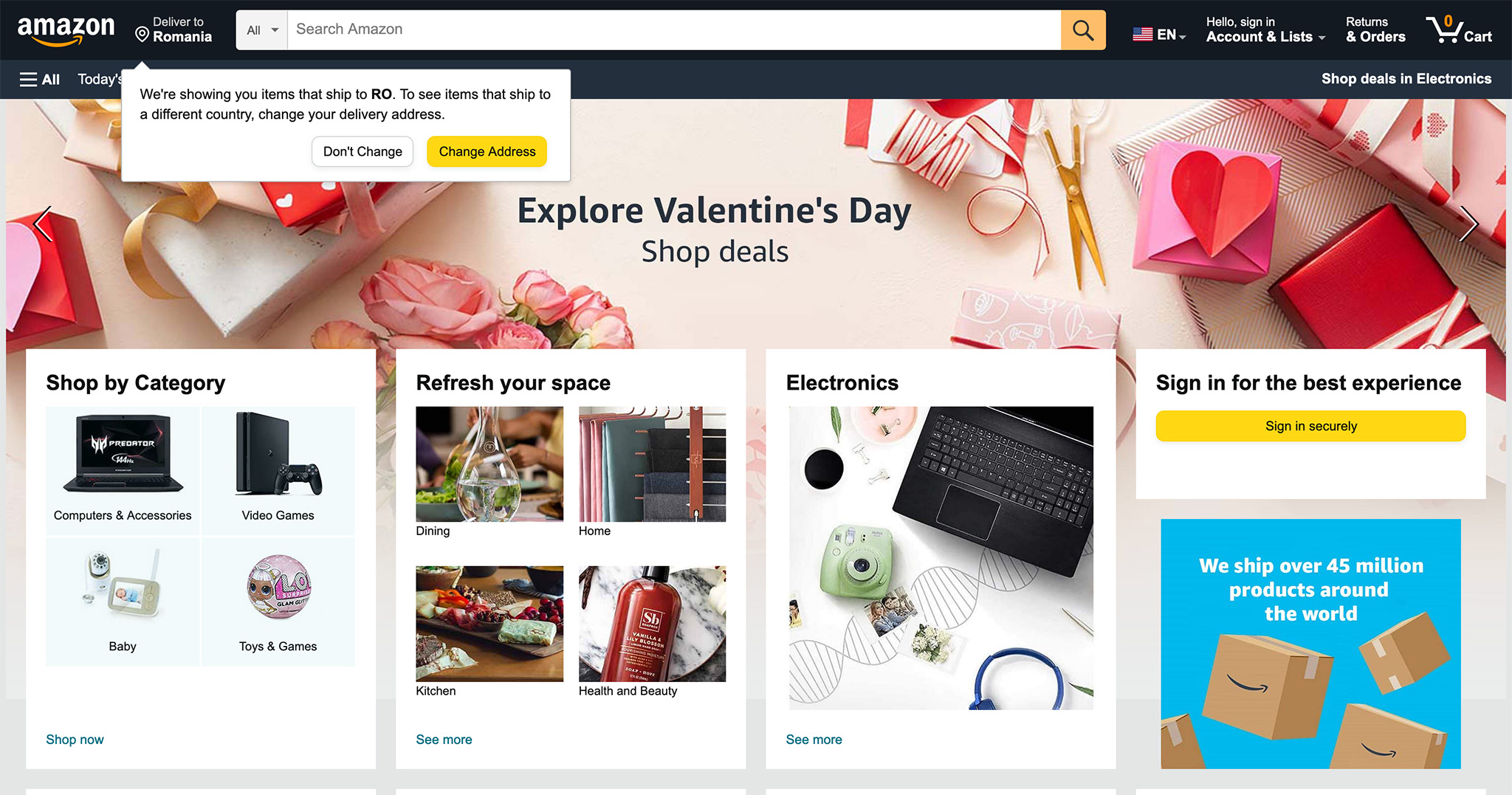
In the modern digital economy, the acronym “AMZ” has become synonymous with more than just a retail giant; it represents a vast, multifaceted financial ecosystem. While most consumers see it as a convenient storefront for household goods, savvy entrepreneurs and investors view AMZ as one of the most significant wealth-generation engines of the 21st century. Whether you are looking to launch a side hustle, scale a global business, or diversify your investment portfolio, understanding the financial mechanics of the AMZ marketplace is essential.
This guide explores the various facets of AMZ from a financial perspective, detailing how individuals and corporations leverage its infrastructure to generate income, manage business finance, and build long-term capital.

Understanding AMZ as a Marketplace for Entrepreneurs
At its core, the financial allure of AMZ lies in its ability to provide immediate access to a global audience. For those looking to generate online income, the platform offers several distinct business models, each with its own capital requirements and profit margins.
The Power of Fulfillment by Amazon (FBA)
Fulfillment by Amazon, or FBA, is perhaps the most transformative financial model within the AMZ ecosystem. In this arrangement, a seller sources products and ships them to one of Amazon’s global fulfillment centers. When a customer makes a purchase, Amazon handles the storage, packaging, shipping, and customer service.
From a business finance perspective, FBA allows for incredible scalability. Traditional retail requires heavy investment in warehousing and logistics personnel. By outsourcing these to Amazon, entrepreneurs can focus their capital on inventory and marketing. However, success in FBA requires a deep understanding of the “cost of goods sold” (COGS). Sellers must account for referral fees (usually 15%), storage fees (which vary by season), and fulfillment fees. Managing these margins is the difference between a profitable venture and a financial drain.
Strategic Sourcing and Inventory Management
To maximize income on AMZ, professional sellers often employ “Private Label” strategies. This involves identifying high-demand, low-competition products, sourcing them from manufacturers (often via platforms like Alibaba), and branding them as their own.
Effective inventory management is critical here. Tying up too much capital in slow-moving stock can lead to liquidity issues, while stockouts result in lost revenue and a drop in organic search rankings. Sophisticated sellers use financial forecasting tools to predict demand cycles, ensuring that their “cash-to-cash” cycle—the time between paying a supplier and receiving payment from Amazon—is as short as possible.
Diversifying Income Streams through AMZ Advertising and Affiliates
Beyond physical product sales, the AMZ ecosystem offers lucrative avenues for “passive” or service-based income. These models are particularly attractive to those who prefer marketing and content creation over logistics and inventory management.
Mastering the Amazon Associates Program
The Amazon Associates program is one of the world’s largest affiliate marketing networks. It allows content creators, bloggers, and influencers to earn a commission by linking to AMZ products. When a user clicks a link and makes a purchase, the affiliate receives a percentage of the sale.
The financial beauty of this model is the low barrier to entry. There is no inventory to buy and no customer service to manage. However, the commission rates vary significantly by category—for example, luxury beauty may offer a higher percentage than consumer electronics. To build a sustainable “side hustle” through AMZ Associates, one must focus on high-intent traffic and niche selection. By creating valuable content that solves a consumer’s problem, an affiliate can build a reliable stream of recurring income that grows alongside the platform’s overall market share.
AMZ Advertising (PPC) as a Revenue Driver
For those already selling on the platform, AMZ Advertising—specifically Sponsored Products and Sponsored Brands—is a vital financial tool. It operates on a Pay-Per-Click (PPC) model, where sellers bid on keywords to gain visibility in search results.
In the context of business finance, AMZ Advertising should be viewed as an investment in “ranking.” While it costs money upfront, a successful ad campaign drives sales velocity, which in turn improves the product’s organic ranking. This “flywheel effect” eventually lowers the total Advertising Cost of Sales (ACoS), allowing for higher net profit margins over time. Managing an ad budget requires a data-driven approach, constantly balancing the bid price against the lifetime value (LTV) of a customer.
Investing in the AMZ Ecosystem
For individuals more interested in passive capital appreciation than active business management, “AMZ” represents a major sector of the financial markets. There are multiple ways to gain exposure to the growth of this ecosystem through traditional and alternative investments.
Analyzing AMZN as a Growth Stock
The most direct way to invest in AMZ is by purchasing shares of Amazon.com, Inc. (ticker: AMZN). Over the past two decades, AMZN has been a cornerstone of growth-oriented portfolios. When evaluating the stock from a financial standpoint, investors look beyond the retail margins. They focus on the high-margin revenue generated by Amazon Web Services (AWS) and the burgeoning advertising business.
Investing in AMZN is often seen as a bet on the continued digitization of the global economy. As more commerce moves online, the infrastructure provided by AMZ becomes more essential. However, investors must also consider macroeconomic factors, such as interest rates and antitrust regulations, which can impact the stock’s valuation. For many, AMZN serves as a core holding that provides exposure to both the consumer discretionary and technology sectors.
The Rise of Amazon Brand Aggregators
In recent years, a new financial asset class has emerged: the Amazon Brand Aggregator. These are firms that raise massive amounts of venture capital or private equity to acquire successful, independent AMZ FBA brands.
For the small business owner, this represents a significant “exit strategy.” Selling an AMZ-based business can result in a multi-million dollar payout, typically based on a multiple of the brand’s SDE (Seller’s Discretionary Earnings). For the investor, putting money into an aggregator provides a way to diversify across dozens of different product categories within the AMZ marketplace, managed by professionals who optimize the supply chain and marketing to increase the overall ROI.
Financial Management and Scaling Your AMZ Business
Whether you are a sole proprietor or a large-scale investor, the long-term success of an AMZ-related venture depends on rigorous financial discipline. The marketplace is highly competitive, and the “hidden” costs can quickly erode profits if not monitored closely.
Managing Cash Flow and Profit Margins
Cash flow is the lifeblood of any AMZ business. Because Amazon typically pays out every 14 days, there is a lag between making a sale and receiving the funds. During periods of rapid growth, a business can actually run out of cash because all its capital is tied up in new inventory to meet rising demand.
To navigate this, many sellers use specialized financial tools or “fintech” solutions designed for the AMZ ecosystem. These include services that provide daily payouts or inventory financing. Additionally, maintaining a “moat” around your profit margins is essential. This involves constantly auditing your AMZ statements for overcharges in shipping, lost inventory reimbursements, and ensuring that your pricing strategy accounts for both the “buy box” competition and your minimum desired ROI.
Tax Compliance and International Expansion
As an AMZ business grows, it inevitably encounters the complexities of multi-jurisdictional finance. Selling in different states or countries introduces various sales tax and Value Added Tax (VAT) obligations. For example, a US-based seller expanding into AMZ Europe must register for VAT in multiple countries and understand the financial implications of cross-border duties.
Furthermore, international expansion offers a massive opportunity for income growth. By leveraging the “Global Selling” program, an entrepreneur can list their products on AMZ marketplaces in the UK, Japan, or the UAE. This allows for geographical diversification, reducing the financial risk associated with a single market’s economic downturn. However, it requires a sophisticated understanding of currency exchange rates and the cost of international logistics.

The Future of Finance in the AMZ Space
Looking forward, the “AMZ” financial landscape is poised for even greater integration with emerging financial technologies. We are seeing the rise of AI-driven financial planning tools that can predict seasonal trends with surgical precision, allowing sellers to optimize their capital allocation better than ever before.
For the individual looking to improve their financial standing, AMZ remains one of the few platforms where a modest initial investment in a side hustle can evolve into a significant corporate asset. Whether through the direct sale of goods, the creation of affiliate content, or the strategic acquisition of stock, “AMZ” is no longer just a place to shop—it is a cornerstone of modern personal and business finance. By mastering the nuances of its marketplace, its advertising tools, and its investment potential, anyone can find a path to profitability within this digital titan’s shadow.
aViewFromTheCave is a participant in the Amazon Services LLC Associates Program, an affiliate advertising program designed to provide a means for sites to earn advertising fees by advertising and linking to Amazon.com. Amazon, the Amazon logo, AmazonSupply, and the AmazonSupply logo are trademarks of Amazon.com, Inc. or its affiliates. As an Amazon Associate we earn affiliate commissions from qualifying purchases.