
Amazon Instant Video, a name that once heralded a new era in digital entertainment, represents a pivotal chapter in the evolution of streaming media. While the service has largely been rebranded and integrated into what is now widely known as Amazon Prime Video, understanding “Amazon Instant Video” requires a journey into its origins, technological underpinnings, and its transformative impact on how consumers access and experience content. At its core, it was Amazon’s ambitious foray into the digital content distribution space, designed to leverage its massive e-commerce infrastructure to deliver movies, TV shows, and original programming directly to viewers’ screens. This exploration delves into the technological architecture, user experience, content delivery mechanisms, and strategic positioning that defined this service, ultimately illustrating its critical role in shaping the modern streaming landscape.

The Evolution of a Streaming Powerhouse
The story of Amazon Instant Video is one of strategic evolution, beginning as a simple digital storefront and blossoming into a comprehensive, subscription-based streaming giant. This journey reflects not only Amazon’s ambition but also the rapid shifts in consumer behaviour and technological capabilities over the past two decades.
From Rental Library to Comprehensive Service
Initially launched in September 2006 as Amazon Unbox, the service was conceived primarily as an online video store, allowing users to rent or purchase digital copies of movies and TV shows for download. This model was a direct response to the nascent digital distribution market, challenging traditional physical media rentals and sales. Unbox focused on offering a vast library of titles, mirroring Amazon’s success in online retail by providing convenience and choice. Users could download content to their computers, a significant technological hurdle at the time, given varying internet speeds and storage capacities. This early iteration laid the groundwork, establishing Amazon as a player in digital content, even if it was still primarily transactional rather than subscription-driven. The shift to “Amazon Instant Video” in 2011 marked a crucial transition, signifying a move towards more immediate, streaming-focused access, reflecting broader industry trends and improving broadband infrastructure. It began to offer a blend of rental/purchase options alongside a growing library of streamable content included with certain services.
The Integration with Amazon Prime
The most significant strategic move for Amazon Instant Video was its integration with Amazon Prime. Launched in 2005, Amazon Prime initially offered free two-day shipping for an annual fee. In 2011, Amazon added “Prime Instant Video” as a benefit to Prime membership, providing unlimited streaming access to a subset of its video library at no additional cost beyond the Prime subscription. This integration was a game-changer. It transformed Prime from a shipping-centric loyalty program into a comprehensive digital ecosystem, dramatically increasing the value proposition for subscribers. Technologically, this meant building robust streaming infrastructure capable of handling millions of simultaneous users and delivering diverse content formats seamlessly. From a business perspective, it locked users deeper into the Amazon ecosystem, encouraging greater overall spending and loyalty. The synergy between e-commerce and digital content became a core differentiator, setting Amazon apart from pure-play streaming services like Netflix. This integration also spurred Amazon’s investment in original content, recognizing the need for exclusive programming to attract and retain Prime members.
Understanding the “Instant Video” to “Prime Video” Transition
While the original title of this article references “Amazon Instant Video,” it’s vital to understand its modern incarnation: Amazon Prime Video. The transition wasn’t a hard cut but a gradual evolution driven by brand consolidation and strategic clarity. “Instant Video” primarily referred to the immediate, on-demand nature of streaming content, whether rented, purchased, or included with Prime. As the Prime subscription offering became the dominant access method for the vast majority of users, and as Amazon’s original content slate grew, the emphasis naturally shifted to “Prime Video.” This rebranding cemented the service’s identity as a core component of the broader Amazon Prime membership, signifying a more mature, integrated platform. Today, “Prime Video” encompasses all aspects: the subscription streaming library, the rental/purchase store (often referred to within the Prime Video app/interface), and live sports or channel subscriptions. This evolution showcases Amazon’s adaptiveness in a dynamic market, leveraging its existing infrastructure and brand recognition to solidify its position as a global streaming leader.
Core Technologies and Access Platforms
The ability to deliver high-quality video content to a global audience demands sophisticated technological infrastructure and a robust ecosystem of access platforms. Amazon Instant Video, and subsequently Prime Video, has continuously invested in cutting-edge technology to ensure a seamless and engaging user experience.
Streaming Protocols and Content Delivery Networks (CDNs)
At the heart of any successful streaming service lies its ability to efficiently deliver data. Amazon Instant Video relies heavily on advanced streaming protocols and a vast network of Content Delivery Networks (CDNs). For adaptive bitrate streaming, protocols like HLS (HTTP Live Streaming) and DASH (Dynamic Adaptive Streaming over HTTP) are crucial. These protocols allow the video player to dynamically adjust the stream’s quality based on the user’s internet bandwidth and device capabilities, minimizing buffering and optimizing the viewing experience. When a user’s connection slows, the player automatically switches to a lower-bitrate stream; when it improves, it scales up, all without interruption.
Amazon Web Services (AWS) plays a pivotal role here, particularly its CloudFront CDN. AWS CloudFront is a globally distributed network of edge locations that cache content closer to end-users. When a user requests a video, it’s served from the nearest CloudFront edge location, significantly reducing latency and improving loading times. This distributed architecture is critical for handling the immense volume of simultaneous streaming requests and ensuring consistent performance across diverse geographic regions. Furthermore, AWS’s media services, such as AWS Elemental MediaConvert for transcoding and MediaLive for live streaming, are instrumental in preparing and delivering content in various formats and resolutions, catering to the vast array of devices supported.
Device Compatibility and App Ecosystem
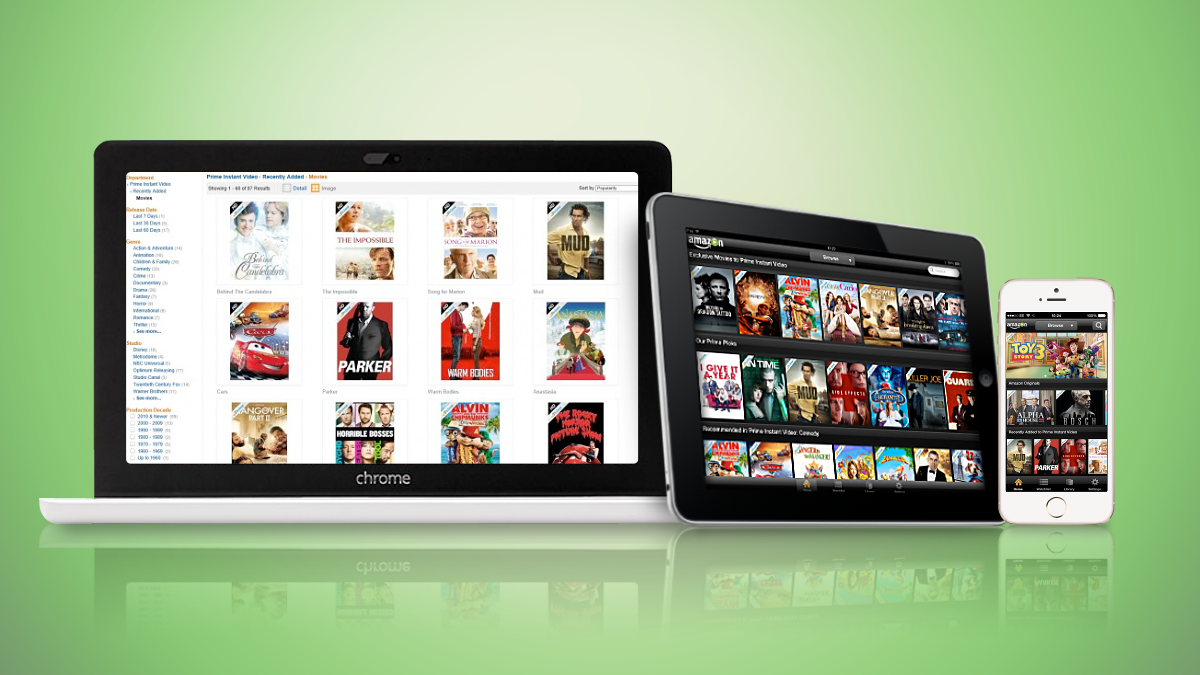
A key differentiator for a streaming service is its ubiquity – the ability to be accessed on virtually any device. Amazon Instant Video prioritized broad device compatibility from its inception, a strategy continued by Prime Video. The service is available through dedicated applications (apps) across an extensive range of hardware platforms. This includes:
- Smart TVs: Native apps on most major smart TV brands (Samsung, LG, Sony, Vizio, etc.).
- Streaming Media Players: Amazon’s own Fire TV devices, Roku, Apple TV, Google Chromecast.
- Gaming Consoles: PlayStation (PS4, PS5), Xbox (Xbox One, Series X/S).
- Mobile Devices: iOS (iPhone, iPad) and Android smartphones and tablets, with robust offline download capabilities.
- Computers: Accessible directly through web browsers (Chrome, Firefox, Safari, Edge) and often through dedicated desktop apps.
- Other Devices: Blu-ray players, set-top boxes from various cable providers.
Developing and maintaining these applications across such a diverse ecosystem requires significant engineering effort. Each platform has its unique operating system, hardware specifications, and user interface guidelines. Amazon’s tech teams must ensure that the Prime Video app delivers a consistent yet optimized experience on each, from touch-based interfaces on mobile to remote-controlled navigation on TVs, while ensuring secure content delivery and DRM (Digital Rights Management) compliance across all.
User Interface and Experience Design Principles
The user interface (UI) and user experience (UX) design of Amazon Instant Video, and now Prime Video, are engineered to facilitate content discovery and consumption while seamlessly integrating with the broader Amazon ecosystem. The core design principles emphasize ease of navigation, personalization, and a clear distinction between included Prime content and rental/purchase options.
The interface typically features a carousal or grid-based layout for content discovery, with categories like “Included with Prime,” “New Releases,” “Rent or Buy,” and genre-specific recommendations. A powerful search engine allows users to quickly find specific titles. Personalization is driven by sophisticated recommendation algorithms that analyze viewing history, ratings, and genre preferences to suggest relevant content, aiming to keep users engaged within the platform. The integration of IMDb’s X-Ray feature (a technology acquired by Amazon) provides real-time information about actors, music, and trivia directly on-screen, enhancing the viewing experience without interruption. The overall design prioritizes intuitive navigation, making it easy for users to browse, select, and play content with minimal friction, a testament to thoughtful UX engineering aimed at reducing barriers to entertainment.
Content Spectrum and Technical Features
Beyond its foundational technology, the appeal and functionality of Amazon Instant Video (Prime Video) are heavily tied to the breadth of its content library and the technical features that enhance the viewing experience. These elements differentiate it in a crowded marketplace.
The Vast Library: Originals, Licensed Content, and Live Events
Amazon’s content strategy for Prime Video is multifaceted, aiming to appeal to a broad demographic. The library comprises:
- Amazon Originals: A cornerstone of its strategy, Amazon has invested billions in creating high-quality, exclusive content. This includes critically acclaimed series like The Marvelous Mrs. Maisel, The Boys, Fleabag, and blockbuster films, along with ambitious projects such as The Lord of the Rings: The Rings of Power. These originals are crucial for attracting and retaining Prime subscribers, providing unique value that cannot be found elsewhere.
- Licensed Content: A substantial portion of the library consists of movies and TV shows licensed from major studios and production companies. This ensures a constant flow of popular and familiar titles, from recent blockbusters to classic films and TV series across various genres. The availability of licensed content often varies by region due to rights agreements.
- Rental/Purchase Store: Even for non-Prime members, or for Prime members who want access to content not included with their subscription, Prime Video maintains a robust digital store. Users can rent or purchase the latest movies soon after their theatrical release, as well as an extensive back catalog of films and TV seasons. This transactional video-on-demand (TVOD) model offers flexibility and immediate access to premium content.
- Live Events and Add-on Channels: Prime Video has expanded into live sports broadcasting, notably securing rights for NFL’s Thursday Night Football in the US and Premier League football in the UK, among other sports. Additionally, users can subscribe to various “Prime Video Channels” (e.g., HBO, Showtime, Starz, Paramount+) directly through the Prime Video app, consolidating billing and access within a single platform. This strategy transforms Prime Video into a content hub, simplifying discovery and management for subscribers.
Technical Specifications: Resolution, HDR, and Audio Standards
Amazon Prime Video has consistently pushed for higher fidelity viewing experiences, adopting advanced technical specifications:
- Resolution: Content is primarily available in HD (1080p) and a growing selection in Ultra HD (4K). 4K content, which offers four times the pixels of 1080p, provides significantly sharper and more detailed images, particularly noticeable on larger screens. Access to 4K content typically requires a compatible device (4K TV, streaming player) and sufficient internet bandwidth.
- High Dynamic Range (HDR): Prime Video supports multiple HDR formats, including HDR10, HDR10+, and Dolby Vision. HDR significantly expands the range of colors and contrast, leading to brighter whites, deeper blacks, and a more vibrant, lifelike picture compared to standard dynamic range (SDR). The choice of HDR format often depends on the content and the user’s display technology.
- Audio Standards: The service offers immersive audio experiences, supporting formats like Dolby Digital 5.1 and, for select titles, Dolby Atmos. Dolby Atmos provides object-based surround sound, creating a more three-dimensional audio landscape that places sounds precisely around the viewer, enhancing immersion, especially with a compatible home theater system. The availability of these high-quality audio tracks further elevates the cinematic experience from the comfort of home.
Offline Viewing, X-Ray, and Other Advanced Features
Beyond core streaming, Prime Video offers a suite of advanced features designed to enhance convenience and engagement:
- Offline Viewing: A highly popular feature, users can download select movies and TV shows to their mobile devices (smartphones, tablets) for offline viewing. This is invaluable for travel, commuting, or areas with limited internet access, allowing continuous entertainment without relying on a Wi-Fi or cellular connection. The downloaded content remains available for a limited period.
- X-Ray: Powered by IMDb, X-Ray is an innovative feature that provides contextual information about content in real-time. By simply pausing a show or movie, users can see the names of actors on screen, the song playing, trivia, and even jump to specific scenes related to a character. This interactive overlay enriches the viewing experience by providing instant access to behind-the-scenes data and character insights, a unique technological integration.
- Watch Parties: Recognizing the social aspect of viewing, Prime Video introduced Watch Parties, allowing subscribers to watch movies and TV shows together remotely. This feature synchronizes playback across multiple users and includes a chat function, mimicking a shared viewing experience across geographical distances.
- Parental Controls: Robust parental controls allow guardians to restrict content based on ratings, set PINs for purchases, and manage access to ensure age-appropriate viewing for children. This technological implementation provides peace of mind and control over content consumption within households.
The Competitive Landscape and Future Trajectory
Amazon Instant Video, now Prime Video, operates within an intensely competitive global streaming market. Its future trajectory will be defined by its ability to innovate, differentiate, and adapt to evolving consumer demands and technological advancements.
Differentiating in a Crowded Market
The streaming landscape is saturated with formidable players like Netflix, Disney+, Max (formerly HBO Max), Hulu, and numerous niche services. Prime Video differentiates itself through several key strategies:
- Bundled Value: Its primary differentiator remains its integration with Amazon Prime membership. The value proposition extends beyond streaming to include expedited shipping, music, e-books, cloud storage, and exclusive deals. This ecosystem approach makes Prime a sticky service, reducing churn.
- Hybrid Model: Unlike many pure-play subscription services, Prime Video maintains a robust transactional model (rental/purchase) alongside its subscription library. This gives users immediate access to the newest releases, often before they appear on other streaming platforms or even as part of the Prime subscription.
- Content Breadth and Niche Appeal: While investing heavily in broad-appeal originals, Prime Video also targets specific niches, particularly with its live sports offerings and the ability to subscribe to dozens of additional channels. This makes it a central hub for diverse content interests.
- Global Reach and Localized Content: Amazon has made significant investments in local content production and licensing across numerous international markets, tailoring its library to regional tastes and preferences, a crucial strategy for global expansion.
Innovation in Personalization and Recommendation Engines
The future of streaming is deeply intertwined with personalized experiences. Amazon’s technological prowess in data analytics and machine learning, honed through its e-commerce operations, gives it a significant advantage in developing sophisticated recommendation engines. Future innovations will likely focus on:
- Hyper-personalization: Moving beyond genre-based recommendations to suggest content based on mood, time of day, viewing companions, or even device usage patterns. This requires even more granular data analysis and predictive modeling.
- Interactive Storytelling and AI-driven Content: While still nascent, the potential for AI to influence or even generate aspects of content, or for viewers to have more interactive control over narratives, represents a frontier. Amazon’s ventures into game streaming (Luna) and AI research position it well to explore these possibilities.
- Seamless Cross-device Experience: Ensuring that viewing progress, watchlists, and preferences are perfectly synchronized across all devices, enhancing the convenience and fluidity of the user journey.

The Future of Amazon Prime Video: Beyond Traditional Streaming
Amazon Prime Video is poised to evolve beyond a mere streaming service, positioning itself as a comprehensive entertainment and discovery platform.
- Integration with Emerging Technologies: Expect deeper integration with smart home devices, voice assistants (Alexa), and potentially augmented reality (AR) or virtual reality (VR) experiences, creating new avenues for content consumption and interaction.
- Expanded Live Offerings: Live sports and event broadcasting are a significant growth area, attracting audiences who might not otherwise subscribe. Amazon will likely continue to bid aggressively for premium sports rights and explore other live event formats.
- Creator Economy and User-Generated Content: While currently focused on professional content, Amazon could potentially explore integrating elements of a creator economy, similar to YouTube or TikTok, within a curated, high-quality environment, fostering new forms of entertainment.
- Advertising Evolution: As the streaming market matures, advertising models are evolving. Prime Video has introduced ads into its subscription tier, signaling a shift that could lead to more sophisticated, personalized ad experiences, leveraging Amazon’s extensive user data in a privacy-conscious manner.
In conclusion, “Amazon Instant Video” represents the foundational phase of what is now a global streaming behemoth, Amazon Prime Video. Its journey highlights a continuous commitment to technological innovation, strategic content acquisition, and a keen understanding of consumer behaviour. By leveraging its vast e-commerce ecosystem and investing in cutting-edge streaming technology, Amazon has carved out a unique and powerful position in the highly competitive digital entertainment landscape, poised for continued evolution and disruption.
aViewFromTheCave is a participant in the Amazon Services LLC Associates Program, an affiliate advertising program designed to provide a means for sites to earn advertising fees by advertising and linking to Amazon.com. Amazon, the Amazon logo, AmazonSupply, and the AmazonSupply logo are trademarks of Amazon.com, Inc. or its affiliates. As an Amazon Associate we earn affiliate commissions from qualifying purchases.