
In the modern landscape of commerce, the distinction between consumer purchasing and corporate procurement has become increasingly vital for maintaining a healthy bottom line. For organizations ranging from small startups to multinational corporations, the “Amazon Business Account” serves as more than just a digital storefront; it is a sophisticated financial tool designed to optimize procurement, manage cash flow, and leverage economies of scale.
While the standard Amazon interface is optimized for individual convenience, Amazon Business is engineered for fiscal oversight and institutional saving. This guide explores the multifaceted financial benefits of an Amazon Business account, focusing on how it streamlines corporate spending and provides a strategic edge in business finance.
1. Understanding the Economic Value Proposition of Amazon Business
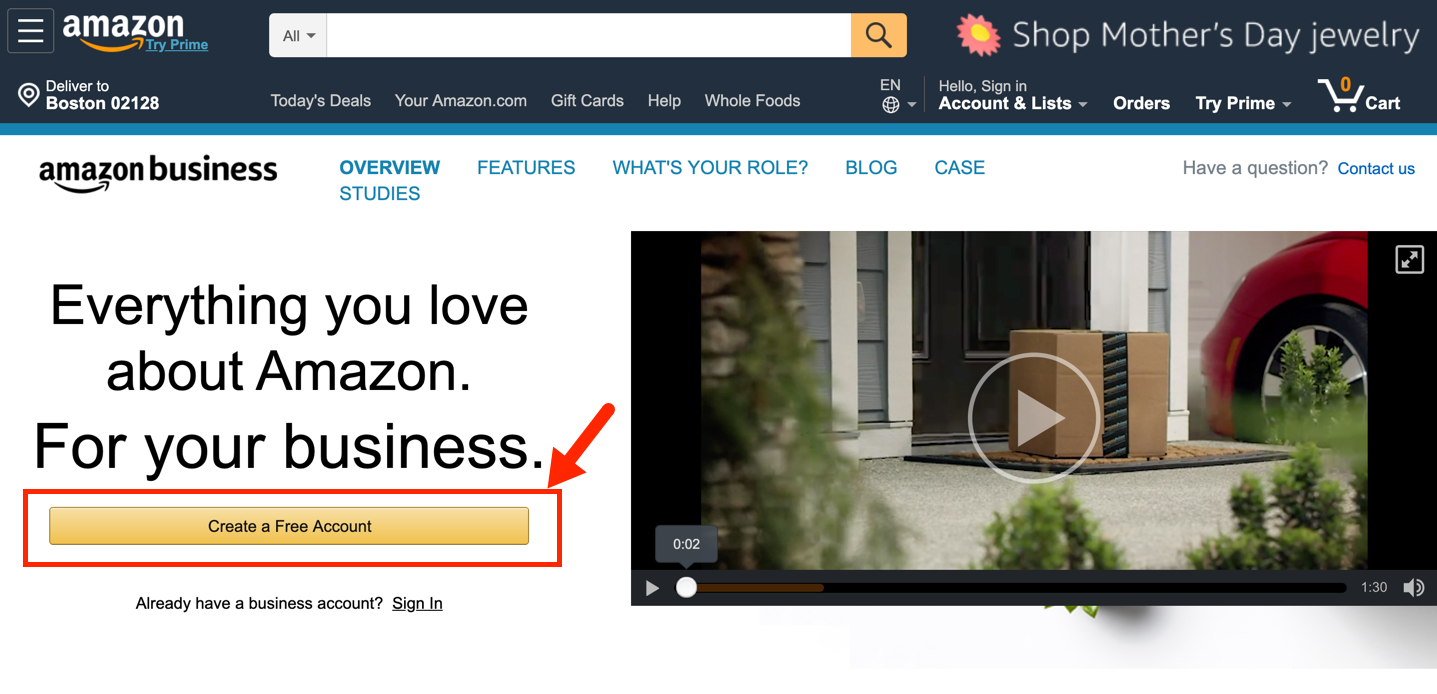
At its core, an Amazon Business account is a free-to-create marketplace tailored for business-to-business (B2B) transactions. From a financial perspective, the primary objective of migrating from a personal account to a business account is the immediate access to specialized pricing structures that are unavailable to the general public.
Business-Only Pricing and Quantity Discounts
The most immediate impact on a company’s Profit and Loss (P&L) statement comes from “Business-Only Prices.” Amazon negotiates or incentivizes sellers to offer lower rates to verified businesses. Furthermore, the “Quantity Discounts” feature allows for tiered pricing; the more units a business buys, the lower the per-unit cost becomes. This is particularly beneficial for recurring operational expenses—such as office supplies, IT hardware, or maintenance materials—where bulk purchasing can result in a 5% to 15% reduction in total cost of ownership (TCO).
Comparing Amazon Business Prime to Standard Prime
While the base business account is free, many organizations opt for Business Prime. Unlike the consumer version, Business Prime is tiered based on the number of users. From a financial management standpoint, Business Prime is an investment in logistics efficiency. It offers “Spend Evaluation” tools and “Guided Buying,” which directs employees toward preferred suppliers or products that fit within the company’s budget constraints, thereby reducing “maverick spending”—unauthorized purchases that occur outside of the established procurement process.
Strategic Sourcing and Supplier Diversity
Modern corporate finance increasingly focuses on Environmental, Social, and Governance (ESG) criteria. Amazon Business allows companies to filter for “diversity-certified” businesses (e.g., minority-owned, women-owned, or veteran-owned). This feature allows finance departments to track and report on social responsibility spending goals effortlessly, which can be a requirement for certain government contracts or tax incentives.
2. Strategic Cost Management through Multi-User Procurement
A major challenge in business finance is maintaining visibility over decentralized spending. When multiple employees have corporate credit cards, tracking expenses becomes a reconciliation nightmare. Amazon Business solves this through a centralized administrative architecture.
Centralized Purchasing and Approval Workflows
The platform allows a “Master Administrator” (usually a CFO or Procurement Manager) to create a multi-user structure. You can add hundreds of users under one corporate umbrella. To maintain financial control, the system allows for the creation of approval workflows. For example, any purchase over $500 might require a manager’s digital sign-off before the order is processed. This preventative control ensures that capital is allocated according to the company’s strategic priorities rather than individual whims.
Spending Analytics and Data-Driven Insights
One of the most powerful financial tools within the account is the “Amazon Business Analytics” suite. This tool provides a granular look at the organization’s spending patterns. Finance teams can generate reports on:
- Total Spend by Department: Identifying which sectors of the business are over-budget.
- Product Categories: Analyzing where the bulk of the capital is being deployed.
- Unapproved Spend: Identifying leaks where users are bypassing preferred vendors.
By leveraging this data, a CFO can identify high-volume items and negotiate even deeper discounts or shift procurement strategies to save thousands of dollars annually.
Integration with E-Procurement Systems
For mid-to-large-sized enterprises, Amazon Business integrates with over 100 leading e-procurement systems, such as Coupa, SAP Ariba, and Oracle Netsuite. This “Punchout” integration ensures that the financial data flows directly into the company’s Enterprise Resource Planning (ERP) system, eliminating manual data entry and reducing the risk of human error in financial reporting.

3. Maximizing Cash Flow: Amazon Business Credit and Financing Solutions
Cash flow is the lifeblood of any business. Amazon Business offers several financial instruments designed to give companies more breathing room and better manage their working capital.
Pay by Invoice: Extending Payment Terms
Perhaps the most significant financial advantage for a growing business is the “Pay by Invoice” feature. Subject to credit approval, this allows businesses to buy now and pay later, typically with 30-day terms (or longer for certain Business Prime members). From a cash flow management perspective, this is an interest-free line of credit. It allows a business to receive its inventory or supplies and potentially generate revenue from them before the bill is actually due. This helps maintain a positive cash conversion cycle.
The Amazon Business American Express Card
For businesses looking to earn a return on their necessary spending, the Amazon Business American Express Card offers a choice between rewards or extended payment terms. Finance managers can choose to receive 5% back on purchases (which can be reinvested into the business) or opt for 90 days of interest-free financing. In a high-interest-rate environment, the ability to defer payments for three months without accruing interest is a sophisticated way to manage short-term liabilities.
Tax Exemption and Compliance
The Amazon Tax Exemption Program (ATEP) is a vital feature for non-profits, educational institutions, and government agencies. It allows qualifying organizations to apply their tax-exempt status to eligible purchases automatically at checkout. For a multi-million dollar organization, the 5% to 10% saved on sales tax across thousands of transactions represents a massive preservation of capital. The system also keeps a digital paper trail of these exemptions, which is invaluable during a fiscal audit.
4. Streamlining Business Audits and Financial Reporting
The end of the fiscal year is often a period of stress for finance departments. Amazon Business mitigates this by automating the documentation of every transaction made across the entire organization.
Automated Reconciliation
In a standard retail environment, an employee might lose a receipt, or a credit card statement might only show “Amazon.com” without specifying what was purchased. Amazon Business provides “line-item detail.” This means that every transaction is linked to a specific Purchase Order (PO) number, a department code, and a detailed description of the item. When the finance team performs monthly reconciliations, the data is already categorized, saving hundreds of man-hours.
Digital Document Management
Every invoice generated is stored in a centralized, searchable database. This eliminates the need for physical filing cabinets and ensures that the business is “audit-ready” at all times. Whether it is for an internal review or an external IRS audit, having a centralized repository of every B2B transaction ensures transparency and financial integrity.
Consolidating the Vendor Base
From a financial strategy standpoint, “vendor consolidation” is a proven method to reduce overhead. Managing 500 different vendors means managing 500 different payment terms, 500 different points of contact, and 500 different shipping schedules. By consolidating a significant portion of procurement through an Amazon Business account, a company reduces the administrative costs associated with Accounts Payable (AP). The time saved by the finance team can then be redirected toward high-value activities like financial forecasting and strategic planning.
Conclusion: The Bottom Line on Amazon Business
An Amazon Business account is far more than a convenient way to order printer paper; it is a comprehensive financial ecosystem. By providing lower B2B pricing, sophisticated spend analytics, flexible payment terms, and robust tax-management tools, it addresses the core pillars of business finance: cost reduction, cash flow optimization, and risk mitigation.
For the modern CFO or business owner, leveraging this platform is a strategic move to gain better visibility into corporate spending. In an era where margins are tight and operational efficiency is paramount, the data and financial flexibility provided by an Amazon Business account can be the difference between a stagnant budget and a thriving, scalable enterprise. By transitioning to a B2B-centric procurement model, organizations can ensure that every dollar spent is tracked, optimized, and aligned with their long-term financial health.
aViewFromTheCave is a participant in the Amazon Services LLC Associates Program, an affiliate advertising program designed to provide a means for sites to earn advertising fees by advertising and linking to Amazon.com. Amazon, the Amazon logo, AmazonSupply, and the AmazonSupply logo are trademarks of Amazon.com, Inc. or its affiliates. As an Amazon Associate we earn affiliate commissions from qualifying purchases.