
The terms “Alzheimer’s” and “dementia” are frequently heard, often used interchangeably in everyday conversation. While both relate to cognitive decline, understanding their distinct meanings is crucial for accurate comprehension, compassionate support, and informed decision-making. This article aims to demystify these conditions, exploring their nature, causes, symptoms, and the broader landscape of cognitive health, all viewed through the lens of our interconnected world of technology, branding, and finance.
Understanding the Nuances: Dementia as the Umbrella, Alzheimer’s as the Rain
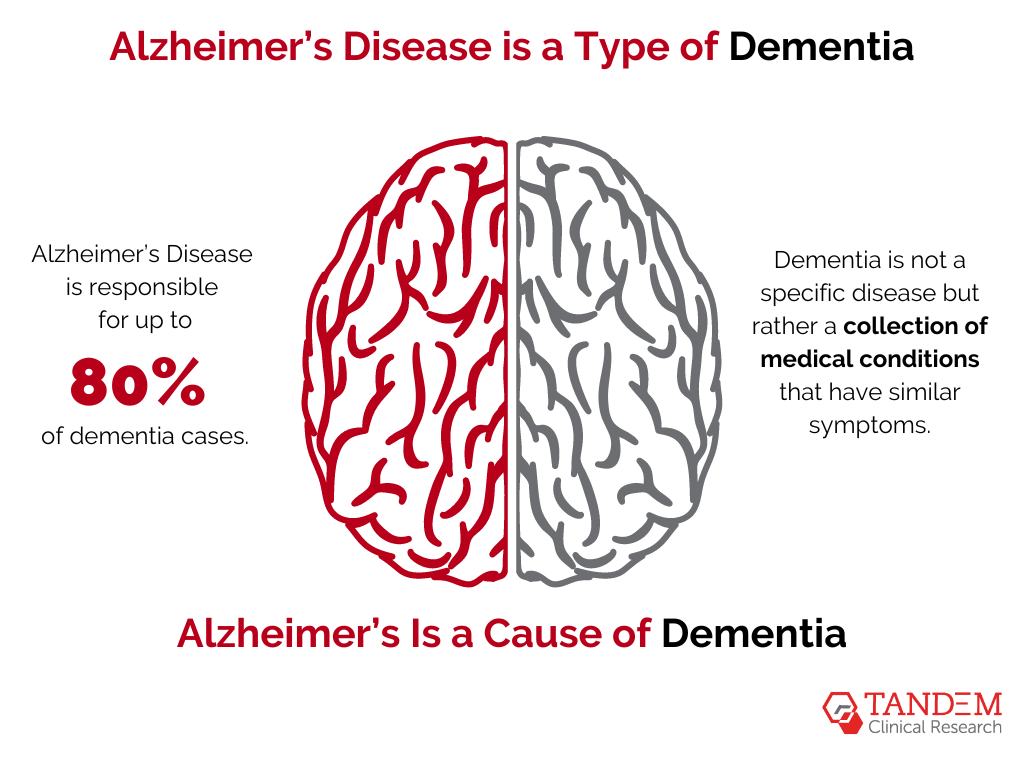
At its core, dementia is not a specific disease but rather a general term, an umbrella under which a variety of medical conditions fall. These conditions are characterized by a significant decline in mental ability, severe enough to interfere with daily life. This decline typically affects multiple cognitive functions, including memory, thinking, judgment, language, and the ability to perform everyday tasks. Imagine dementia as a broad category of challenges, and then within that category, you find specific diagnoses that cause those challenges.

Alzheimer’s disease, on the other hand, is the most common cause of dementia. It’s a specific, progressive neurodegenerative disease that accounts for an estimated 60-80% of all dementia cases. This means that while all Alzheimer’s cases are forms of dementia, not all cases of dementia are Alzheimer’s. Understanding this hierarchy is the first step to grasping the complexities of cognitive health.
The Underlying Biology: What Happens in the Brain?
To truly understand dementia and Alzheimer’s, we need to delve into the biological underpinnings. In dementia, various underlying conditions damage brain cells, disrupting their ability to communicate with each other and ultimately leading to cell death.
Alzheimer’s Disease: The Hallmark Proteins
In the case of Alzheimer’s disease, two key protein abnormalities are central to its progression:
- Amyloid Plaques: These are clusters of beta-amyloid protein fragments that build up between nerve cells. These plaques can disrupt cell-to-cell communication.
- Tau Tangles: Inside nerve cells, another protein called tau normally helps transport nutrients. In Alzheimer’s, tau proteins twist into abnormal structures called neurofibrillary tangles. These tangles disrupt the transport system and ultimately kill nerve cells.
Over time, the accumulation of these plaques and tangles leads to widespread damage and loss of brain cells, particularly in areas responsible for memory and cognition. This progressive nature means that symptoms typically worsen over time, impacting more cognitive functions and daily abilities.
Other Forms of Dementia: A Diverse Landscape
While Alzheimer’s is the most prevalent, several other conditions can cause dementia. Recognizing these distinctions is vital for accurate diagnosis and treatment. Some of the more common types include:
- Vascular Dementia: This occurs when blood flow to the brain is impaired, often due to strokes or other conditions affecting blood vessels. Symptoms can vary depending on the area of the brain affected, and it can sometimes develop gradually or suddenly.
- Lewy Body Dementia (LBD): This type is characterized by the presence of abnormal protein deposits called Lewy bodies in the brain. LBD can cause fluctuations in alertness, visual hallucinations, and Parkinson’s-like motor symptoms, alongside cognitive decline.
- Frontotemporal Dementia (FTD): This group of disorders affects the frontal and temporal lobes of the brain, which are associated with personality, behavior, and language. FTD often emerges at a younger age than Alzheimer’s and can manifest as significant changes in personality, impulse control, and language abilities, sometimes before memory loss becomes prominent.
Each of these forms of dementia has its unique pathological processes, leading to a spectrum of symptoms and progression rates.
Symptoms: Recognizing the Signs of Cognitive Decline
The symptoms of dementia and Alzheimer’s can vary widely depending on the underlying cause, the affected brain regions, and the stage of the disease. However, there are common warning signs that individuals and their loved ones should be aware of.
Early Warning Signs: Subtle Shifts in Cognitive Function

In the early stages, symptoms might be subtle and easily dismissed as normal aging. This is where vigilance and understanding are paramount.
- Memory Loss: This is often the most prominent early symptom, especially in Alzheimer’s disease. It typically involves forgetting recently learned information, important dates or events, asking the same questions repeatedly, and relying more and more on memory aids or family members.
- Difficulty Planning or Problem-Solving: Individuals may struggle with tasks that require planning and organization, such as following a recipe, managing finances, or participating in familiar hobbies.
- Challenges with Familiar Tasks: Everyday tasks that were once routine can become difficult. This might include driving to a familiar location, managing a budget, or remembering the rules of a favorite game.
- Confusion with Time or Place: People may lose track of dates, seasons, and the passage of time. They might also forget where they are or how they got there.
- Trouble Understanding Visual Images and Spatial Relationships: For some, problems with vision or spatial perception can occur, making it difficult to judge distances or recognize faces and objects.
- New Problems with Words in Speaking or Writing: Individuals might struggle to find the right words, stop mid-sentence, repeat themselves, or have difficulty following or joining a conversation.
- Misplacing Things and Losing the Ability to Retrace Steps: Things might be put in unusual places, and the person may be unable to retrace their steps to find them.
- Decreased or Poor Judgment: Individuals may experience changes in decision-making, such as making poor financial choices or paying less attention to personal grooming.
- Withdrawal from Work or Social Activities: Due to the challenges they are facing, individuals may start to withdraw from social engagements, hobbies, and work responsibilities.
- Changes in Mood and Personality: People with dementia can experience confusion, suspicion, depression, fear, or anxiety. They may become easily upset or agitated, especially when in unfamiliar surroundings.
Progression of Symptoms: The Impact on Daily Life
As dementia progresses, the cognitive deficits become more pronounced and significantly impair a person’s ability to function independently.
- Advanced Memory Loss: In later stages, individuals may not recognize family members or even themselves.
- Increased Confusion and Disorientation: They may become profoundly confused about their identity, location, and time.
- Difficulty Communicating: Verbal communication becomes increasingly challenging, and they may rely more on non-verbal cues.
- Loss of Ability to Perform Daily Activities: Basic tasks like bathing, dressing, and eating can become insurmountable challenges, requiring significant assistance.
- Motor Skill Impairment: Depending on the type of dementia, motor skills can deteriorate, leading to difficulties with walking, swallowing, and eventually mobility.
- Behavioral and Psychological Symptoms (BPSD): These can include agitation, aggression, wandering, delusions, and hallucinations, which can be distressing for both the individual and their caregivers.
It’s important to remember that these symptoms are not a reflection of the person’s character or will; they are the direct result of brain damage.
The Intersection of Technology, Branding, and Finance with Cognitive Health
While the focus of understanding Alzheimer’s and dementia is medical, the broader implications and management of these conditions are increasingly influenced by technological advancements, strategic branding, and financial considerations.
Technology: Tools for Diagnosis, Support, and Quality of Life
The rapid evolution of technology offers promising avenues for improving the lives of individuals with dementia and their caregivers.
- Diagnostic Tools: AI-powered algorithms are being developed to analyze brain scans and identify subtle patterns indicative of early-stage Alzheimer’s. Wearable devices are also being explored to monitor sleep patterns, activity levels, and other vital signs that could signal cognitive changes.
- Assistive Technologies: Smart home devices, voice assistants, and specialized apps can help individuals with dementia maintain independence for longer. These can provide reminders for medication, appointments, and daily routines, as well as aid in navigation and communication. For example, GPS trackers embedded in wearable devices can provide peace of mind for caregivers when an individual with dementia is prone to wandering.
- Communication Aids: Technology can bridge communication gaps. Simplified interfaces, visual aids, and personalized communication platforms can help individuals express their needs and feelings more effectively.
- Therapeutic Interventions: Virtual reality (VR) is emerging as a powerful tool for reminiscence therapy, allowing individuals to revisit cherished memories and environments. Music therapy apps and personalized digital games designed to stimulate cognitive function are also showing promise.
- Digital Security and Privacy: As more individuals with cognitive impairments interact with technology, ensuring their digital security and privacy becomes paramount. This involves safeguarding personal information and preventing exploitation through online scams or unauthorized access to devices.
Branding: Shaping Perceptions and Driving Support
The way dementia and Alzheimer’s are “branded” – the public perception and the narrative surrounding them – significantly impacts societal attitudes, research funding, and the availability of support services.
- ** destigmatization and Education:** Effective branding campaigns can work to destigmatize these conditions, fostering empathy and understanding rather than fear and avoidance. Clear, consistent messaging can educate the public about the realities of dementia, moving beyond stereotypes.
- Brand Loyalty for Support Services: Organizations dedicated to dementia care, research, and advocacy rely on strong branding to build trust and encourage support. A well-defined brand identity helps them attract donors, volunteers, and individuals seeking assistance.
- Personal Branding for Caregivers: For individuals acting as caregivers, developing a strong personal brand that communicates their dedication, resilience, and expertise can be invaluable. This can help them navigate complex healthcare systems, access resources, and find support networks.
- Product and Service Innovation: The growing awareness of dementia is also spurring innovation in product and service design. Companies are developing specialized products for individuals with dementia, from adaptive clothing to user-friendly tech gadgets, and their success often hinges on effective branding that resonates with both users and their families.
Money: Financial Planning, Investment, and Resource Management
The financial implications of dementia are substantial, both for individuals and families, and for society as a whole.
- Personal Finance and Long-Term Care: The cost of care for individuals with dementia can be astronomical. Planning for this eventuality is crucial. This involves understanding insurance options (long-term care insurance, Medicare, Medicaid), exploring reverse mortgages, and creating comprehensive estate plans.
- Investment Strategies: For those planning for retirement or seeking to build wealth, understanding how cognitive decline might impact their financial decisions is important. This might involve setting up power of attorney, entrusting financial management to a trusted advisor, or creating investment strategies that are less susceptible to emotional biases.
- Online Income and Side Hustles: While the focus is on cognitive impairment, for some individuals who are in the early stages and still capable, exploring flexible online income opportunities or side hustles might be a way to maintain a sense of purpose and supplement income, provided these activities are manageable and do not exacerbate cognitive strain.
- Financial Tools and Resources: Numerous financial tools and online resources exist to help individuals and families navigate the complex financial landscape of aging and cognitive decline. These can range from budgeting apps tailored for long-term care expenses to platforms that connect individuals with financial advisors specializing in elder care planning.
- Business Finance and Healthcare Innovation: The burgeoning field of dementia care is also a significant economic driver. Businesses are investing in research, developing new treatments and therapies, and creating innovative care solutions. Understanding the financial models and investment opportunities within the healthcare sector related to cognitive health is a growing area of interest.
Conclusion: A Holistic Approach to Understanding and Supporting Cognitive Health
Understanding Alzheimer’s and dementia is more than just knowing medical definitions. It requires a holistic perspective that acknowledges the biological underpinnings, recognizes the diverse symptoms, and embraces the interconnectedness with technology, branding, and finance. By demystifying these conditions, fostering empathy, and leveraging the tools and strategies available to us, we can collectively work towards a future where individuals living with cognitive decline receive the support, understanding, and care they deserve, allowing them to live with dignity and purpose for as long as possible. The ongoing advancements in technology, the power of effective communication and branding, and prudent financial planning all play vital roles in navigating the complexities of dementia and Alzheimer’s, shaping not only the lives of those affected but also the societal landscape in which we live.
aViewFromTheCave is a participant in the Amazon Services LLC Associates Program, an affiliate advertising program designed to provide a means for sites to earn advertising fees by advertising and linking to Amazon.com. Amazon, the Amazon logo, AmazonSupply, and the AmazonSupply logo are trademarks of Amazon.com, Inc. or its affiliates. As an Amazon Associate we earn affiliate commissions from qualifying purchases.