
In an era defined by technological advancements, strategic branding, and complex financial landscapes, medical devices are evolving beyond mere functional aids. They are becoming sophisticated tools that integrate cutting-edge science, meticulous design, and economic foresight to profoundly impact individual lives. Among these essential devices, the Ankle-Foot Orthosis, more commonly known as an AFO brace, stands out as a critical innovation for countless individuals grappling with mobility challenges.
An AFO brace is far more than just a piece of plastic or metal; it is a meticulously designed external support worn around the ankle and foot. Its primary purpose is to control the position and motion of the ankle, compensate for weakness, or correct deformities, thereby facilitating improved walking patterns and overall stability. For individuals experiencing conditions such as foot drop, cerebral palsy, multiple sclerosis, stroke, or spinal cord injuries, an AFO can be a transformative device, restoring a degree of independence and enhancing the quality of life. This article will delve into the multifaceted world of AFO braces, exploring their fundamental role, the technological innovations driving their evolution, their impact on personal and corporate branding, and the crucial financial considerations that shape their accessibility and value in today’s world.
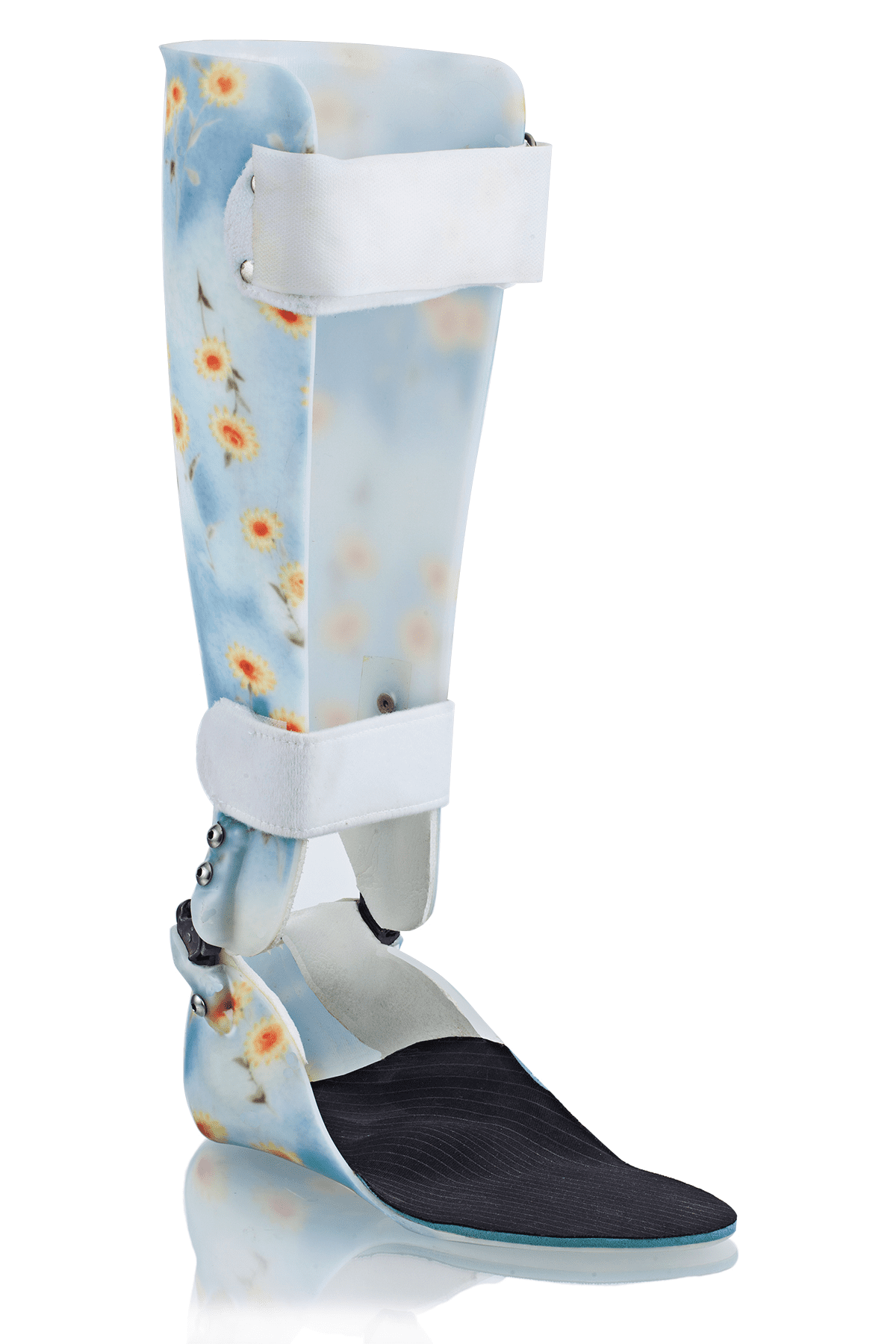
Understanding the Ankle-Foot Orthosis (AFO): Definition, Purpose, and Types
At its core, an AFO brace is an orthotic device specifically engineered to encompass the ankle and foot. Its design is intricate, aiming to provide mechanical assistance to a compromised limb segment, allowing the user to achieve a more functional and safer gait. The precise benefits and design of an AFO are always tailored to an individual’s specific diagnosis, needs, and lifestyle, making it a highly personalized intervention.
The Fundamental Role of AFOs in Mobility and Support
The primary objectives of an AFO brace are multifaceted, each contributing to a patient’s enhanced mobility and quality of life. Firstly, AFOs are crucial for stabilization. They prevent unwanted or excessive movement at the ankle joint, which can be particularly beneficial for individuals with hypermobility or instability, significantly reducing the risk of falls. Secondly, they play a vital role in correcting or preventing deformities. For conditions like clubfoot or severe pronation, an AFO can gently guide the foot and ankle into a more anatomically correct position over time, or prevent the progression of existing deformities.
Thirdly, AFOs are instrumental in assisting with muscle weakness. The most common example is “foot drop,” where the muscles responsible for lifting the front part of the foot are weakened, causing the toes to drag during walking. An AFO can mechanically lift the foot, ensuring toe clearance and preventing tripping. Fourthly, they contribute to improving gait mechanics. By controlling the ankle’s motion, an AFO can help restore a more natural and efficient walking pattern, reducing the energy expenditure required for ambulation and improving endurance. Lastly, AFOs can provide pain relief by offloading pressure from painful joints or supporting injured structures, allowing for better function with less discomfort. The comprehensive nature of these benefits underscores the AFO’s indispensable position in rehabilitation and assistive technology.
Diverse Designs for Diverse Needs: Exploring AFO Types
The variety of conditions and individual requirements has led to the development of numerous AFO designs, each optimized for specific functional goals. Understanding these types is crucial for appreciating the bespoke nature of orthotic care:
- Posterior Leaf Spring (PLS) AFO: This is perhaps one of the most common types. Made from a flexible plastic or carbon fiber, it provides spring-like assistance to lift the foot during the swing phase of gait, primarily addressing foot drop. Its flexibility allows for good ankle movement, making it suitable for individuals with relatively good proximal strength but distal weakness.
- Solid Ankle AFO: Designed for maximum support, this AFO restricts all ankle movement. It is often used for severe spasticity, significant instability, or to prevent deformities where a rigid support is necessary. While providing superior stability, it can limit the natural ankle rocker during gait.
- Articulated AFO: This type incorporates a mechanical joint at the ankle, allowing for controlled dorsiflexion (foot upward movement) and/or plantarflexion (foot downward movement) within specific ranges. It offers a balance between support and mobility, often used for individuals who require stability but can benefit from some ankle motion, for instance, to facilitate squatting or climbing stairs.
- Ground Reaction AFO (GRAFO): A GRAFO is designed to control knee flexion and extension by creating a resistive force from the ground up through the anterior (front) shell of the brace. It’s particularly effective for individuals with quadriceps weakness or knee hyperextension during gait.
- Carbon Fiber AFOs: Representing a significant leap in material science, carbon fiber AFOs are lightweight yet incredibly strong. Their high strength-to-weight ratio allows for thinner profiles, enhancing comfort and cosmetics while still delivering robust support and dynamic assistance (like a PLS).
- Custom-Made vs. Off-the-Shelf: While many AFOs are custom-fabricated from a mold of the patient’s limb for optimal fit and function, some less complex conditions might be managed with off-the-shelf or pre-fabricated AFOs, which are more generic in sizing and less costly. The choice largely depends on the patient’s specific anatomical and functional needs.
Each type of AFO represents a distinct engineering solution to a particular biomechanical challenge, underscoring the deep integration of science and patient-centered design in the field of orthotics.
The Technological Edge: How Innovation is Reshaping AFOs
The medical device industry, including orthotics, is a vibrant nexus of technological innovation. The evolution of AFO braces beautifully illustrates how advancements in materials science, digital fabrication, and intelligent systems are not just improving existing solutions but creating entirely new possibilities for patient care and mobility.
From Traditional Materials to Advanced Composites: The Science Behind AFO Fabrication
Historically, AFOs were crafted from materials like leather, metal, and plaster, which were heavy, bulky, and often uncomfortable. The shift to modern polymer plastics, such as polypropylene and polyethylene, marked a significant improvement, offering lighter weight, greater durability, and more customizable shaping. These materials allow for intricate designs that can be thermoformed to a patient’s unique anatomy, providing a snug and effective fit.
However, the cutting edge of AFO fabrication now heavily features advanced composites, most notably carbon fiber. Carbon fiber reinforced plastics (CFRPs) boast an exceptional strength-to-weight ratio, allowing for AFOs that are incredibly thin and light yet robust enough to provide substantial support. This translates into several key advantages: enhanced comfort, reduced bulkiness (making them easier to wear with regular footwear), and improved energy return, which can make walking feel more natural and less strenuous. The dynamic properties of carbon fiber allow for sophisticated designs that can store and release energy during the gait cycle, mimicking the natural elasticity of the ankle and foot. This material science revolution is not just about strength; it’s about optimizing biomechanical function and user experience.
The Digital Revolution in Orthotics: 3D Printing, CAD/CAM, and Smart AFOs
The digital age has brought transformative tools to the orthotic landscape, primarily through Computer-Aided Design (CAD) and Computer-Aided Manufacturing (CAM), including 3D printing. Traditionally, AFOs were made from plaster casts, a messy and time-consuming process. Now, patient limbs can be digitally scanned using 3D scanners, creating a precise digital model. This model can then be refined using CAD software to design an AFO that is perfectly tailored, accounting for pressure points, desired articulation, and aesthetic considerations.
Once the design is finalized, CAM technologies, particularly 3D printing (additive manufacturing), can directly fabricate the AFO. This process allows for unprecedented geometric complexity, custom lattice structures for optimized strength and weight, and rapid prototyping. 3D printing significantly reduces production time, minimizes material waste, and allows for iterative design improvements based on patient feedback. This level of customization and efficiency was previously unimaginable.
Beyond fabrication, the concept of “Smart AFOs” is emerging. These devices integrate micro-sensors, accelerometers, gyroscopes, and even pressure sensors to gather real-time data on gait parameters, ankle kinematics, and ground reaction forces. This data can be transmitted wirelessly to smartphones or other devices, allowing clinicians to monitor patient progress, adjust rehabilitation programs, and identify potential issues remotely. Some smart AFOs might even incorporate subtle haptic feedback or adjustable stiffness mechanisms controlled by software, offering dynamic support tailored to various activities or changing needs. This convergence of hardware and software transforms the AFO from a passive support device into an active, data-generating, and potentially adaptive rehabilitation tool.
Future Frontiers: AI, Robotics, and Wearable Tech in Ankle-Foot Support
Looking ahead, the integration of Artificial Intelligence (AI) and robotics promises to revolutionize AFO technology even further. AI algorithms could analyze the vast datasets collected by smart AFOs to predict gait deviations, recommend personalized adjustments, or even identify early signs of neurological decline. Machine learning could enable AFOs to “learn” a patient’s unique gait patterns and automatically adapt their support levels for optimal performance in different environments.
The line between AFOs and powered exoskeletons is blurring. Robotic AFOs or powered orthoses are being developed that can actively assist muscle movement, providing propulsive force or resisting unwanted motion with greater precision than passive devices. These advanced systems could offer more dynamic support, enhance rehabilitation outcomes, and potentially allow individuals with more severe weakness to regain significant functional mobility.
Moreover, the broader field of wearable technology will continue to influence AFO design. Miniaturized electronics, flexible circuits, and advanced battery technologies will make smart AFOs more discreet, comfortable, and powerful. Telehealth platforms will integrate seamlessly with AFO data, allowing for remote consultations, virtual fittings, and continuous monitoring, thereby expanding access to specialized orthotic care regardless of geographic location. These future innovations promise to make AFOs not just functional aids but integral, intelligent components of a holistic digital health ecosystem.
Beyond the Device: The Brand and Human Connection in Orthotics

In a market increasingly saturated with technological solutions, the “human touch” and the perceived value of a product are heavily influenced by branding. For AFOs, branding extends beyond corporate logos to encompass the trust patients place in their orthotists, the lifestyle integration of wearing such a device, and the broader societal perception of assistive technology.
Building Trust and Reputation: The Branding of Orthotic Care and Manufacturers
The relationship between a patient and their orthotist is deeply personal, built on trust, expertise, and empathy. For orthotic practices, their “brand” is synonymous with clinical excellence, patient outcomes, and a compassionate approach. Word-of-mouth referrals, online reviews, and community engagement are paramount in building a strong reputation. Branding efforts here focus on showcasing success stories, highlighting specialized expertise, and communicating a commitment to individualized care. High-quality digital presence, educational content (like this article), and active participation in patient advocacy groups contribute significantly to a practice’s brand equity.
For manufacturers of AFO components and materials, branding revolves around innovation, reliability, and quality. Companies like Össur, Becker Orthopedic, or Allied OSI Labs invest heavily in research and development to produce cutting-edge materials and designs. Their brand identity is built on a promise of superior performance, durability, and a contribution to improving lives. This involves rigorous testing, transparent communication about product benefits, and often, partnerships with leading clinicians and research institutions. A strong manufacturer brand ensures that orthotists have confidence in the components they use, which in turn strengthens the patient’s trust in the final product. Marketing strategies for these brands often target clinicians directly through professional conferences, training programs, and scientific publications, fostering a B2B trust ecosystem.
Personal Branding and Lifestyle Integration: Empowering AFO Users
Wearing an AFO brace is a significant aspect of an individual’s life, and its impact on personal identity and self-perception cannot be overstated. For many, an AFO is a visible sign of a disability or a medical condition, which can sometimes lead to feelings of self-consciousness or stigma. However, a growing movement focuses on empowering AFO users to integrate their orthosis into their personal style and embrace it as a part of their identity.
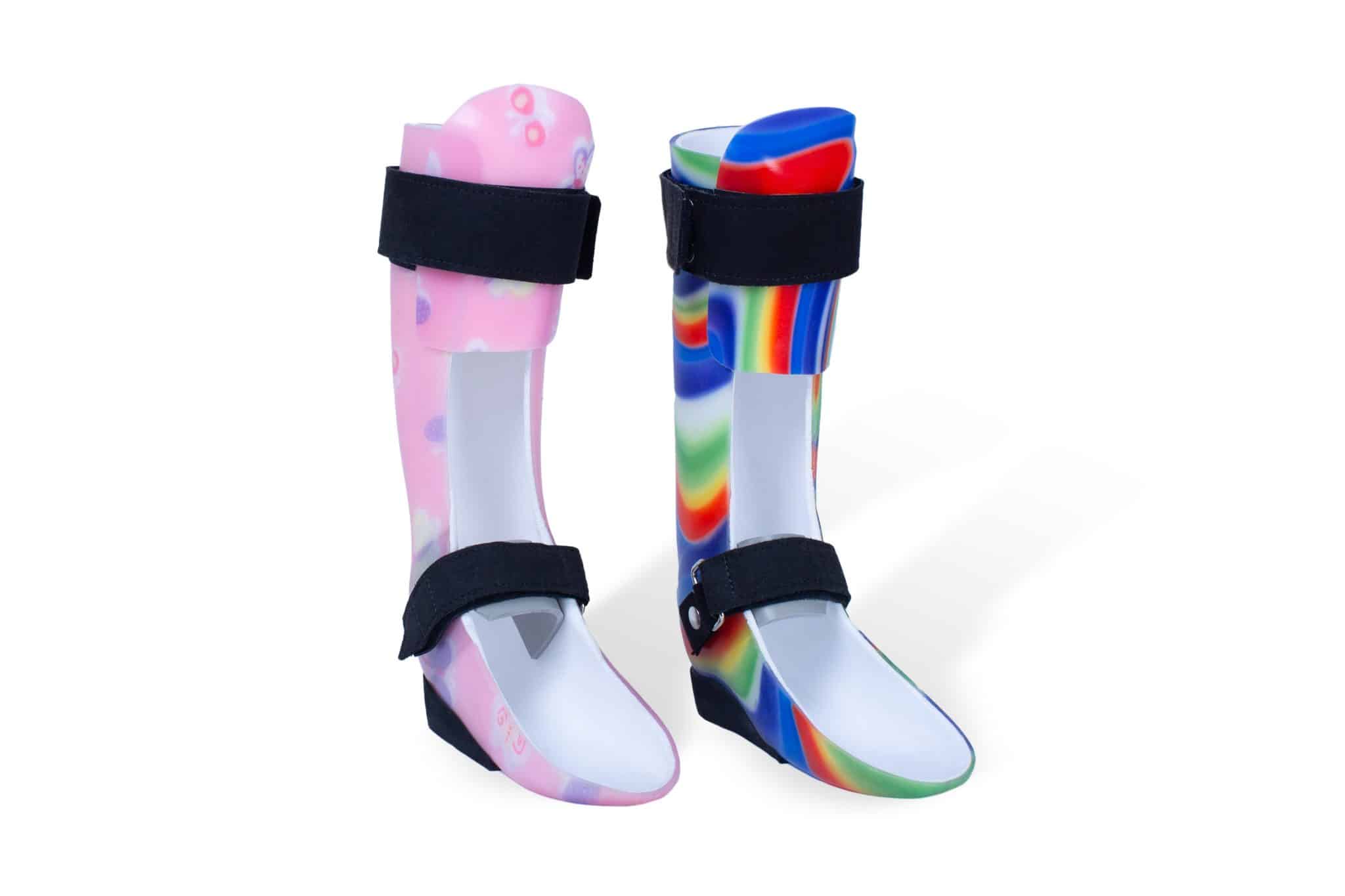
This shift involves several dimensions. Firstly, manufacturers and orthotists are increasingly offering AFOs in a variety of colors, patterns, and sleek designs, moving away from purely clinical aesthetics. Carbon fiber AFOs, for instance, often have a modern, high-tech look that can be seen as stylish rather than purely medical. Secondly, adaptive fashion is gaining traction, with clothing and footwear designed to comfortably accommodate orthotic devices without compromising on style. This allows users to maintain their fashion preferences and feel confident in their attire.
Thirdly, online communities and social media platforms play a crucial role in fostering positive self-image. AFO users share their experiences, tips for fashion integration, and stories of overcoming challenges, creating a supportive network. Influencers and advocates who proudly display their AFOs contribute to normalizing assistive devices and challenging societal stereotypes. This “personal branding” for AFO users is about reclaiming agency, expressing individuality, and showcasing resilience. It transforms the AFO from a perceived limitation into a symbol of strength and progress.
Marketing Innovation: Fostering Awareness and Reducing Stigma
Effective marketing and public relations are crucial for the orthotics industry, not just for promoting products, but for broader societal goals. Campaigns focused on AFOs often aim to:
- Increase Awareness: Educating the public and potential users about the benefits and types of AFOs, ensuring that individuals who could benefit are aware of their options.
- Reduce Stigma: Challenging outdated perceptions of assistive devices as signs of weakness or limitation. Modern marketing portrays AFO users as active, capable, and integrated members of society.
- Highlight Innovation: Showcasing the advanced technology and thoughtful design behind modern AFOs, appealing to both clinical professionals and the general public’s appreciation for innovation.
- Promote Inclusivity: Emphasizing that assistive devices like AFOs are tools that enable participation in life, work, and leisure, fostering a more inclusive society.
Marketing efforts might include patient testimonials, documentary-style videos, partnerships with athletes or public figures who use AFOs, and engaging content on digital platforms. The goal is to shift the narrative around assistive technology from one of disability to one of enablement, choice, and a technologically advanced pathway to a fuller life.
The Economics of Mobility: Financial Considerations and Value of AFOs
While the medical benefits and technological prowess of AFO braces are undeniable, their acquisition and maintenance involve significant financial considerations. Understanding the economics of orthotic care is crucial for both patients seeking solutions and businesses operating within this specialized market.
Understanding the Costs: Investment, Insurance, and Accessibility
The cost of an AFO brace can vary widely depending on its type, the materials used (e.g., plastic vs. carbon fiber), the complexity of its design, and whether it is custom-made or off-the-shelf. Custom-fabricated AFOs, especially those incorporating advanced materials and digital design, can range from hundreds to several thousands of dollars. This initial investment represents a significant financial outlay for many individuals and families.
Insurance coverage plays a critical role in making AFOs accessible. In many healthcare systems, AFOs are considered durable medical equipment (DME) and may be covered by health insurance plans, including private insurance, Medicare, and Medicaid. However, coverage can vary significantly based on the specific plan, the patient’s diagnosis, the medical necessity justification from a physician, and often, prior authorization requirements. Patients frequently face deductibles, co-pays, and co-insurance, which still represent out-of-pocket expenses. Navigating the complexities of insurance claims and appeals can be a daunting task, often requiring assistance from the orthotic provider’s administrative staff.
Beyond the initial purchase, there are ongoing costs. AFOs are subject to wear and tear and may require repairs, adjustments, or eventual replacement, especially for growing children. These maintenance costs, though smaller than the initial investment, can accumulate over time. The economic accessibility of AFOs is therefore a critical concern for both patients and healthcare policy makers, highlighting the need for transparent pricing, robust insurance coverage, and potentially, patient assistance programs.
Long-Term Value: AFOs as an Investment in Health and Productivity
While the upfront cost of an AFO might seem substantial, it’s essential to view it as a long-term investment in an individual’s health, independence, and overall quality of life. The value derived from an AFO extends far beyond its price tag:
- Improved Mobility and Function: The ability to walk more independently, participate in daily activities, and reduce the risk of falls has immense personal value, leading to greater autonomy and reduced reliance on caregivers.
- Enhanced Quality of Life: Freedom of movement contributes significantly to psychological well-being, reducing feelings of isolation and increasing participation in social, recreational, and vocational pursuits.
- Reduced Healthcare Costs: By preventing falls, delaying the progression of deformities, and reducing the need for more intensive interventions (like surgery or extensive physical therapy), AFOs can indirectly lead to savings in other areas of healthcare expenditure over time.
- Increased Productivity and Economic Participation: For many, an AFO enables them to remain employed or return to work, contributing to their personal income and the broader economy. This can shift an individual from being a net consumer of healthcare resources to an economically productive member of society.
From a societal perspective, investing in assistive technologies like AFOs can yield significant returns by fostering a healthier, more independent, and productive population. It aligns with the principles of universal design and promotes inclusive economic growth.
Financial Tools and Opportunities in the Orthotics Ecosystem
The financial landscape surrounding AFOs also presents opportunities for businesses and individuals within the orthotics ecosystem:
- Orthotic Practices and Manufacturers: These businesses operate within a specialized market that requires significant investment in R&D, specialized equipment, skilled personnel (certified orthotists, technicians), and inventory. Their business finance strategies involve managing production costs, insurance reimbursements, and market penetration. Growth opportunities exist in developing new technologies, expanding service areas, and optimizing supply chains.
- Financial Tools for Patients: Beyond insurance, patients might explore health savings accounts (HSAs), flexible spending accounts (FSAs), or medical credit cards to manage AFO costs. Non-profit organizations often provide grants or financial assistance programs for individuals who cannot afford essential medical devices.
- Online Income and Side Hustles: For AFO users and their caregivers, personal experiences can be leveraged into online income opportunities. This could include blogging about living with an AFO, creating review channels for adaptive products, developing and selling specialized accessories (e.g., custom wraps, carrying cases), or offering online coaching for adaptive exercises. For those with entrepreneurial spirit, identifying unmet needs within the AFO user community can lead to viable side hustles or even full-fledged businesses.
The financial considerations of AFOs are complex but illustrate the interconnectedness of healthcare, technology, and economic strategy. By understanding these dynamics, stakeholders can work towards making these life-changing devices more accessible and equitable for everyone who needs them.
In conclusion, an AFO brace is a quintessential example of how medical technology intersects with human experience, branding, and economic realities. From its fundamental role in restoring mobility to the cutting-edge materials and digital fabrication methods, to the deeply personal journey of integrating it into one’s life, and the intricate financial considerations, the AFO stands as a testament to human ingenuity and the enduring quest for a better quality of life. As technology continues its relentless march forward, and as societies increasingly embrace inclusivity, the AFO brace will undoubtedly continue to evolve, promising even greater advancements in support, comfort, and independence for generations to come.
aViewFromTheCave is a participant in the Amazon Services LLC Associates Program, an affiliate advertising program designed to provide a means for sites to earn advertising fees by advertising and linking to Amazon.com. Amazon, the Amazon logo, AmazonSupply, and the AmazonSupply logo are trademarks of Amazon.com, Inc. or its affiliates. As an Amazon Associate we earn affiliate commissions from qualifying purchases.