
Aeroponics, a cutting-edge method of soilless cultivation, represents a significant leap forward in agricultural technology, offering unparalleled efficiency and control over plant growth. At its core, aeroponics involves suspending plant roots in the air and misting them with nutrient-rich water. This seemingly simple principle unlocks a cascade of benefits, from accelerated growth rates and increased yields to substantial resource conservation. As the world grapples with the dual challenges of a growing population and a changing climate, innovative agricultural techniques like aeroponics are no longer niche curiosities but vital components of a sustainable food future. This article will delve into the fundamental principles of aeroponics, explore its various technological implementations, and examine the compelling advantages it offers within the broader landscape of technological advancements in agriculture.
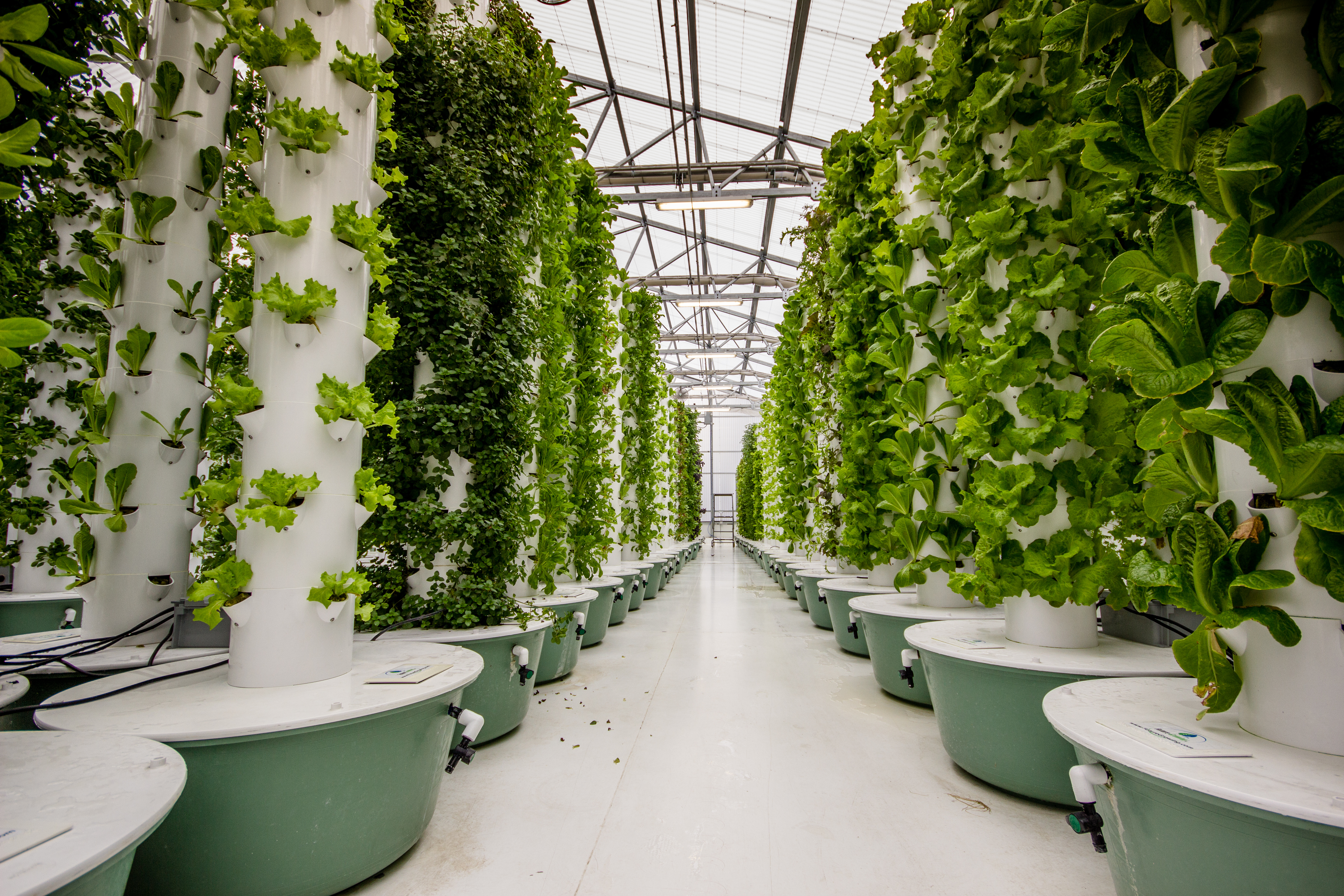
The Core Technology of Aeroponics
Aeroponics stands apart from other soilless cultivation methods, such as hydroponics and aquaponics, primarily through its unique approach to nutrient delivery and root oxygenation. Unlike hydroponics, where roots are submerged in nutrient-rich water, or aquaponics, which integrates fish waste into the nutrient cycle, aeroponics provides an environment where roots are entirely exposed to the atmosphere, receiving nourishment via a finely atomized mist. This fundamental difference underpins many of aeroponics’ most significant technological advantages.
The Science Behind Root Oxygenation and Nutrient Uptake
The success of aeroponics hinges on the critical principle of providing an optimal environment for root respiration. Plant roots require a constant supply of oxygen to thrive, performing cellular respiration which is essential for nutrient absorption and overall plant health. In traditional soil-based agriculture, soil aeration can be limited, leading to potential root hypoxia. Even in water-based hydroponic systems, prolonged submersion can restrict oxygen availability.
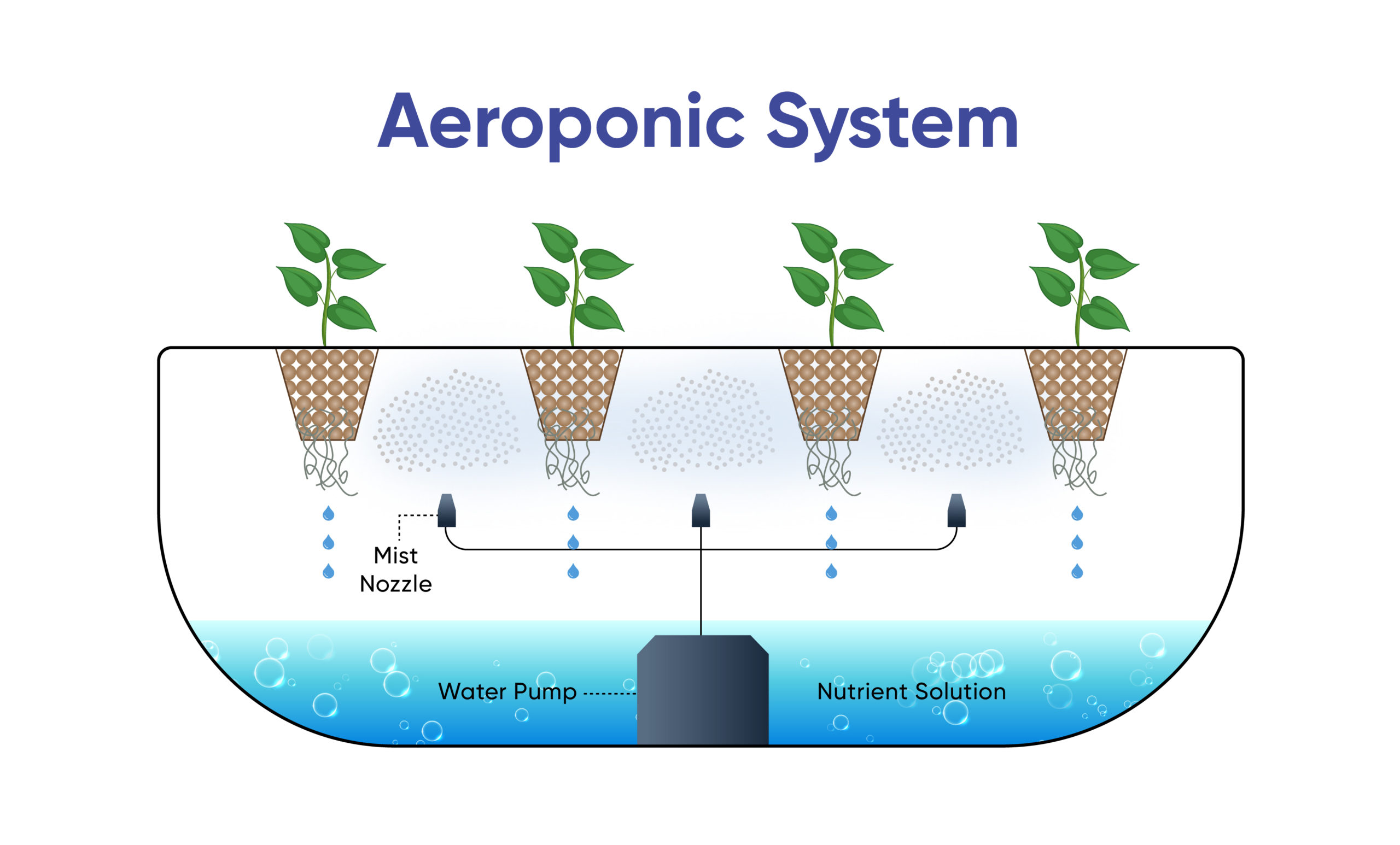
Aeroponics brilliantly addresses this by suspending roots in air, allowing for maximum oxygen exposure. The nutrient solution is delivered in a fine mist, creating tiny droplets that coat the roots. This mist not only delivers essential macro- and micronutrients but also provides the necessary moisture for absorption. The small droplet size is crucial; it ensures that the roots are not drowned but rather receive a consistent, oxygen-rich hydration. The interval at which the mist is applied is carefully controlled, often dictated by the specific needs of the plant species and environmental conditions. This precise control over oxygen and nutrient delivery leads to a more efficient metabolic process within the plant, translating to faster growth and healthier development. The absence of a growing medium also eliminates the risk of soil-borne diseases and pests, further contributing to a controlled and optimized environment.
Key Components of an Aeroponic System
While the core concept is straightforward, aeroponic systems are sophisticated technological assemblies designed for optimal performance. Understanding these components is key to appreciating the engineering behind this agricultural innovation.
- Reservoir: This tank stores the nutrient solution, a carefully balanced mixture of water and essential minerals. The reservoir’s size and material are important considerations for maintaining temperature stability and preventing algae growth.
- Pump: A high-pressure pump is essential to aerosolize the nutrient solution into a fine mist. The quality and reliability of the pump directly impact the droplet size and the consistency of nutrient delivery.
- Misting Nozzles (Atomizers): These specialized nozzles are designed to create a fine, cone-shaped mist. Their design is critical for achieving optimal droplet size, typically in the range of 20-50 microns, ensuring efficient nutrient uptake and preventing root clogging. The number and placement of nozzles are determined by the size and density of the root system.
- Growing Chamber/Container: This is where the plants are housed, with their roots suspended in the air. The chamber is typically opaque to prevent light from reaching the roots, which can encourage algae growth. The chamber must also be designed to facilitate easy access for maintenance and harvesting.
- Nutrient Solution: This is the lifeblood of the aeroponic system. It’s a precisely formulated blend of water and essential macro- and micronutrients tailored to the specific needs of the plants being grown. Monitoring and adjusting the pH and Electrical Conductivity (EC) of the nutrient solution are crucial for optimal plant health.
- Timer: A sophisticated timer controls the pump, dictating the frequency and duration of misting cycles. This is a critical technological element that ensures roots receive the right balance of moisture and oxygen. Advanced systems may incorporate sensors for more dynamic control.
- Filtration System: To prevent nozzles from clogging and to maintain the purity of the nutrient solution, a filtration system is often integrated. This typically involves screens or cartridges that remove any particulate matter.
Technological Innovations and Applications of Aeroponics
The principles of aeroponics have spurred a range of technological advancements, leading to diverse applications across various scales, from home gardening to large-scale commercial operations. These innovations are continually pushing the boundaries of what’s possible in controlled environment agriculture.
High-Pressure vs. Low-Pressure Aeroponic Systems
A significant distinction within aeroponic technology lies in the pressure at which the nutrient solution is delivered. This distinction impacts system complexity, cost, and efficacy.
- High-Pressure Aeroponic (HPA) Systems: These systems utilize pumps that generate high pressure (typically 500-1000 psi) to create exceptionally fine mist droplets (around 20-50 microns). This results in superior root oxygenation and nutrient absorption, often leading to the fastest growth rates. HPA systems are generally more complex and expensive, requiring specialized pumps and nozzles. However, they are favored in commercial settings where maximum efficiency and yield are paramount. The fine mist can penetrate the root tissues more effectively, maximizing nutrient delivery. The consistent, even coverage ensures that all parts of the root system receive optimal hydration and nutrients without waterlogging.
- Low-Pressure Aeroponic (LPA) Systems: These systems operate at much lower pressures (typically 15-50 psi), producing larger droplets (around 50-100 microns). While not as efficient as HPA systems in terms of root oxygenation and growth acceleration, LPA systems are simpler, less expensive, and easier to maintain. They are often found in hobbyist setups and smaller-scale operations. Despite the larger droplets, they still offer significant advantages over soil-based growing, primarily through efficient nutrient delivery and waste reduction. The increased droplet size can sometimes lead to a higher risk of root clogging if not properly managed with filtration.
Automation and Sensor Technology in Aeroponic Systems
The evolution of aeroponics has been intrinsically linked to advancements in automation and sensor technology, transforming these systems from manually operated setups to sophisticated, data-driven agricultural platforms. This integration allows for unprecedented levels of control and optimization.
- Automated Nutrient Delivery: Sophisticated timers and programmable logic controllers (PLCs) are used to precisely control the misting cycles. These systems can be programmed to deliver nutrients at specific intervals and durations, tailored to the growth stage and environmental conditions of the plants. More advanced systems can dynamically adjust these cycles based on sensor data.
- Environmental Monitoring: Sensors play a crucial role in monitoring key environmental parameters within the growing chamber. These include temperature, humidity, CO2 levels, and light intensity. By continuously collecting this data, growers can make informed decisions to optimize the growing environment for maximum plant health and productivity.
- Nutrient Solution Monitoring and Control: Sensors are employed to measure and maintain the ideal pH and Electrical Conductivity (EC) of the nutrient solution. pH affects the availability of nutrients to the plants, while EC indicates the overall concentration of dissolved nutrients. Automated dosing systems can then adjust the nutrient solution by adding pH adjusters or concentrated nutrient stock solutions to maintain optimal levels. This ensures that plants receive a perfectly balanced diet.
- Remote Monitoring and Control: With the advent of the Internet of Things (IoT), many aeroponic systems can now be monitored and controlled remotely via smartphones or computers. This allows growers to track system performance, receive alerts for any issues, and make adjustments from anywhere in the world. This level of remote oversight is a significant technological advantage, especially for large-scale commercial operations.
- Data Analytics and AI: Increasingly, data collected from aeroponic systems is being analyzed using artificial intelligence (AI) and machine learning algorithms. These technologies can identify subtle trends, predict potential problems, and suggest optimal growing strategies, leading to further improvements in yield and efficiency. AI can help fine-tune misting schedules, nutrient formulations, and environmental controls to maximize plant growth and resource utilization.
Advantages of Aeroponics as a Technological Solution
Aeroponics, as a distinct technological approach to agriculture, offers a compelling array of advantages that address many of the limitations inherent in traditional farming methods and even some other soilless systems. Its efficiency, resourcefulness, and potential for optimization make it a prime example of technological innovation in the food sector.
Resource Efficiency and Sustainability
One of the most significant technological benefits of aeroponics is its remarkable efficiency in resource utilization, particularly water and nutrients. In a world increasingly concerned with resource scarcity, this is a critical advantage.
- Water Conservation: Aeroponic systems use significantly less water compared to traditional agriculture and even some other hydroponic methods. Because the nutrient solution is delivered as a mist and the roots are suspended in air, there is minimal evaporation and no runoff. The water in the system is recirculated, with only minimal loss due to plant transpiration and some absorption by the growing medium (if used in a hybrid system). Estimates suggest aeroponics can reduce water usage by up to 98% compared to conventional farming. This makes it an ideal solution for regions facing water stress.
- Nutrient Optimization: The direct delivery of nutrients to the roots in a fine mist form ensures that plants absorb them efficiently. This means less nutrient solution is wasted, and the precise formulation can be tailored to the specific needs of the plants at different growth stages. By avoiding leaching and runoff, aeroponics minimizes nutrient pollution of surrounding environments, a common issue with conventional farming practices. The precise control over nutrient composition allows for reduced fertilizer input while achieving optimal plant nutrition.
- Reduced Land Footprint: Aeroponic systems can be designed vertically, allowing for significantly higher crop yields per unit of land area. This is particularly beneficial in urban environments or areas with limited arable land. Vertical aeroponic farms can produce substantial amounts of food in a fraction of the space required by traditional farms.
Accelerated Growth Rates and Increased Yields
The optimized environment provided by aeroponic systems directly translates to faster plant growth and higher yields. The technology’s ability to provide roots with a constant supply of oxygen and precisely balanced nutrients fuels this rapid development.
- Enhanced Root Development: The air-exposed root zone in aeroponics promotes vigorous root growth. Roots are typically white, fibrous, and extensive, maximizing their surface area for nutrient and water absorption. This healthy root system supports robust overall plant development. The lack of resistance from soil or water allows roots to grow more freely and efficiently.
- Faster Vegetative and Reproductive Cycles: Plants grown in aeroponic systems often mature faster than their soil-grown counterparts. The optimized nutrient and oxygen availability allows plants to direct more energy towards growth and development, leading to shorter crop cycles and therefore more harvests per year. This increased productivity is a key economic advantage for commercial growers.
- Higher Quality Produce: While research is ongoing, many growers report that aeroponically grown produce can exhibit improved quality, including enhanced flavor and nutritional content. The controlled environment minimizes stress on the plants, allowing them to develop their full potential. The absence of soil also means produce is typically cleaner and free from soil-borne contaminants.

Disease and Pest Management
The sterile nature of aeroponic systems provides a significant advantage in terms of disease and pest control, reducing the reliance on chemical treatments.
- Elimination of Soil-borne Pathogens: By completely eliminating soil, aeroponics removes the primary source of many common plant diseases and pests. This drastically reduces the risk of outbreaks that can devastate crops in traditional agriculture.
- Controlled Environment: The enclosed nature of most aeroponic systems allows for strict control over environmental factors, making it harder for airborne pests and diseases to enter and establish themselves. Any introduction of pathogens can be more easily identified and contained.
- Reduced Pesticide and Herbicide Use: The inherent resistance to pests and diseases in aeroponic systems significantly reduces or even eliminates the need for chemical pesticides and herbicides. This not only leads to healthier produce but also contributes to environmental sustainability by minimizing chemical runoff and exposure.
In conclusion, aeroponics represents a sophisticated technological solution to many of the challenges facing modern agriculture. Its ability to optimize plant growth through precise control of nutrient and oxygen delivery, coupled with its remarkable resource efficiency and sustainability, positions it as a vital component of the future of food production. As technology continues to advance, the applications and efficacy of aeroponics are poised to expand, further solidifying its role in feeding a growing global population.
aViewFromTheCave is a participant in the Amazon Services LLC Associates Program, an affiliate advertising program designed to provide a means for sites to earn advertising fees by advertising and linking to Amazon.com. Amazon, the Amazon logo, AmazonSupply, and the AmazonSupply logo are trademarks of Amazon.com, Inc. or its affiliates. As an Amazon Associate we earn affiliate commissions from qualifying purchases.